Find it. Build it. Drive it!
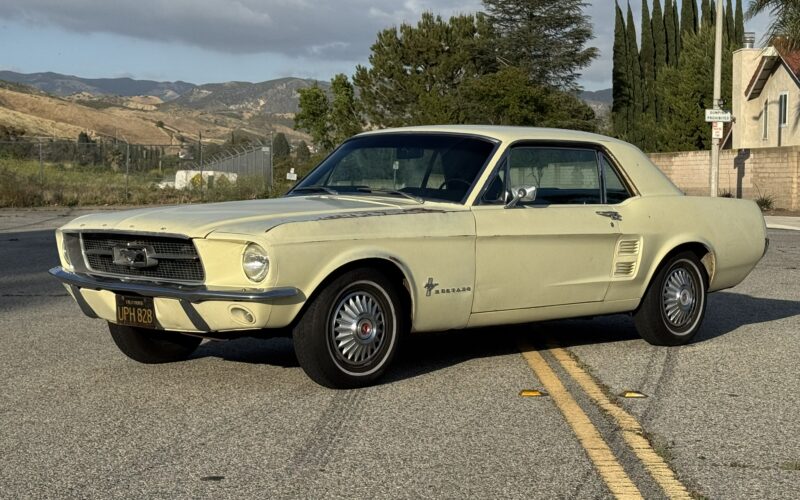
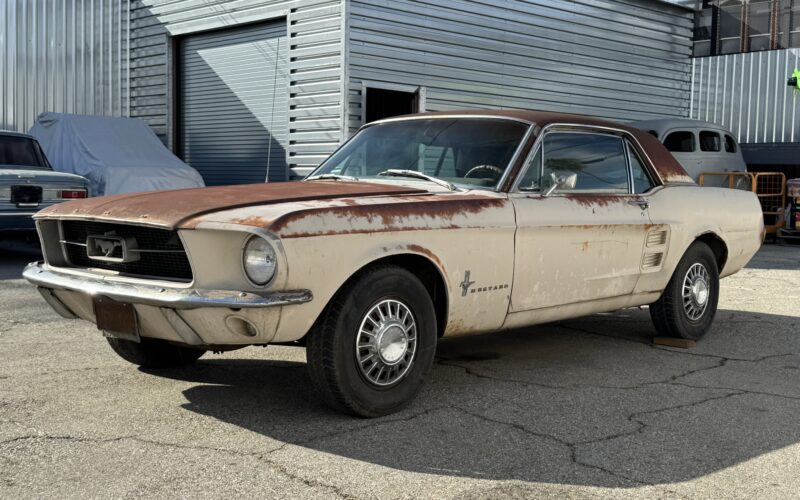
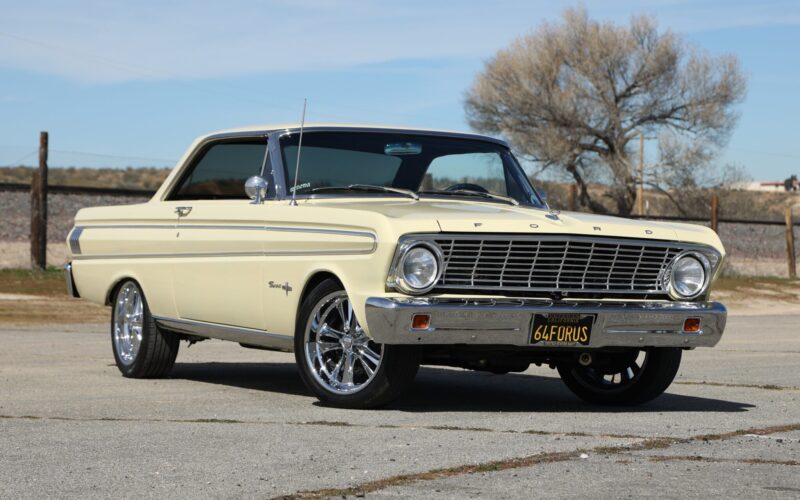
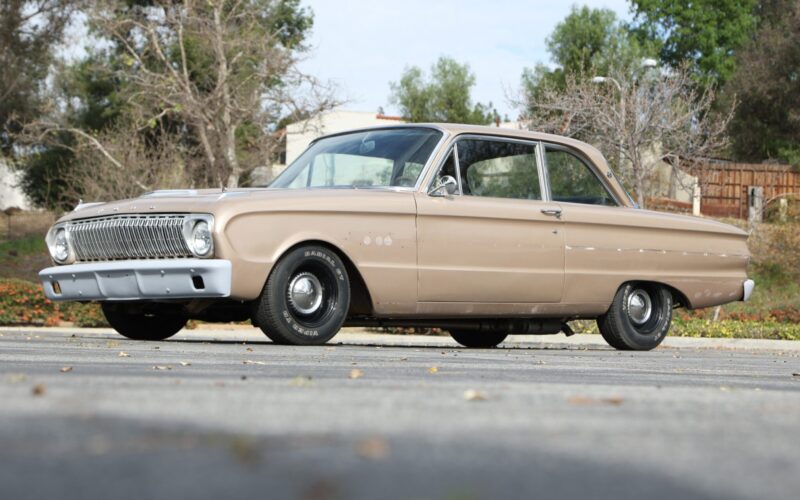
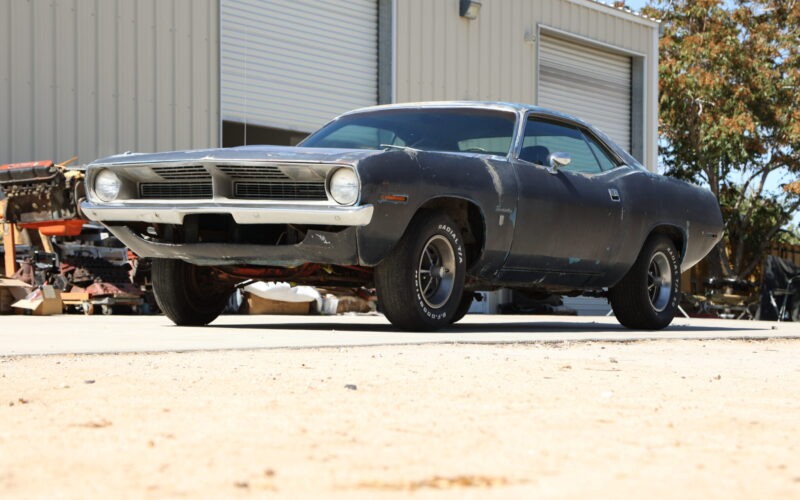
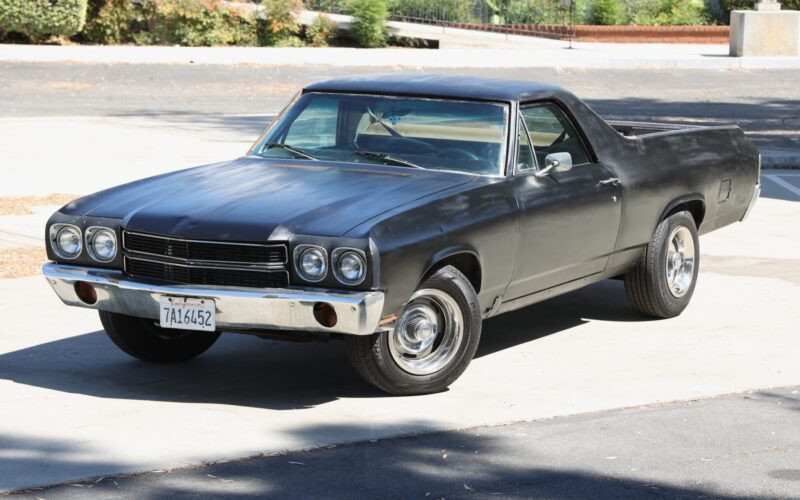
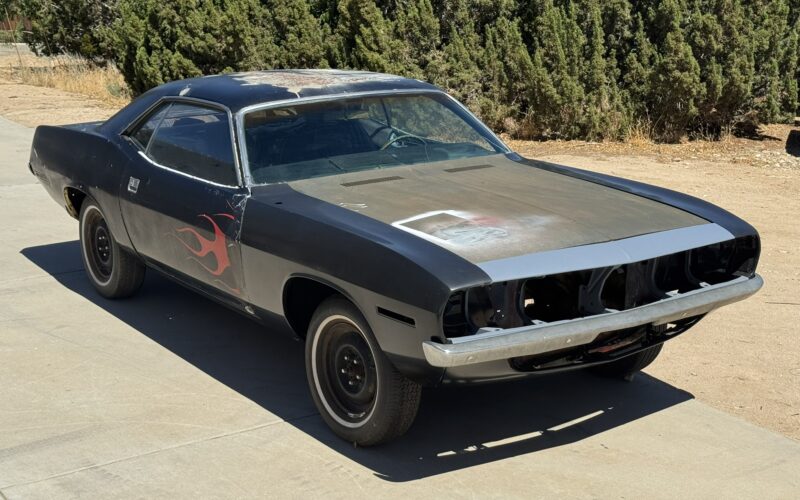
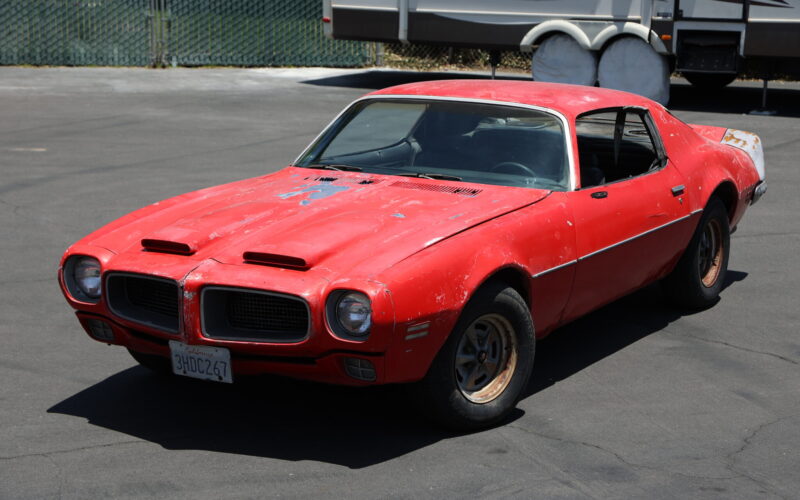
Build My Ride brings back the cars you dreamed about as a kid. Whether you’re a rookie or a pro, we have projects for every skill level. Join our crew of builders and register today!
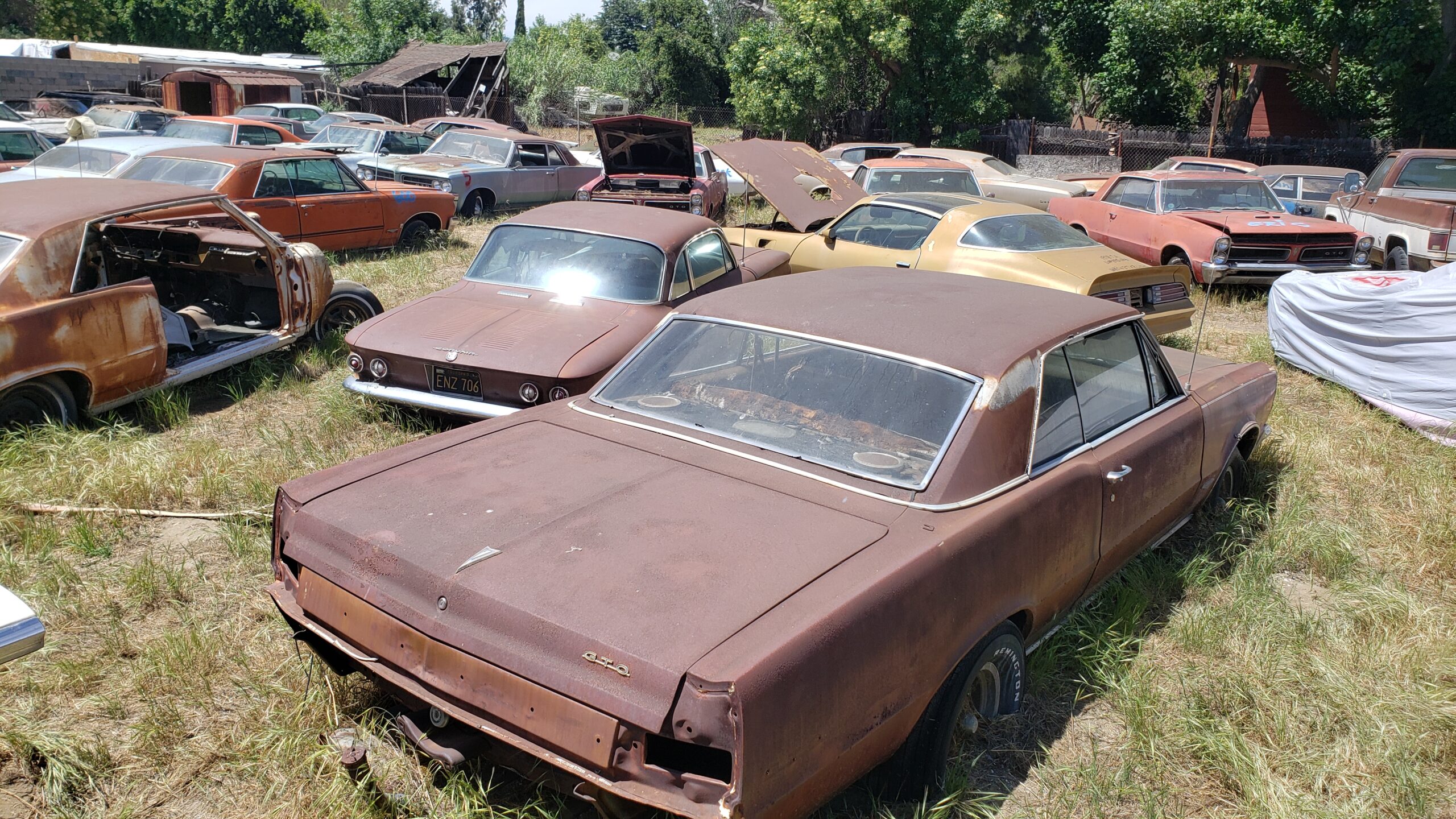
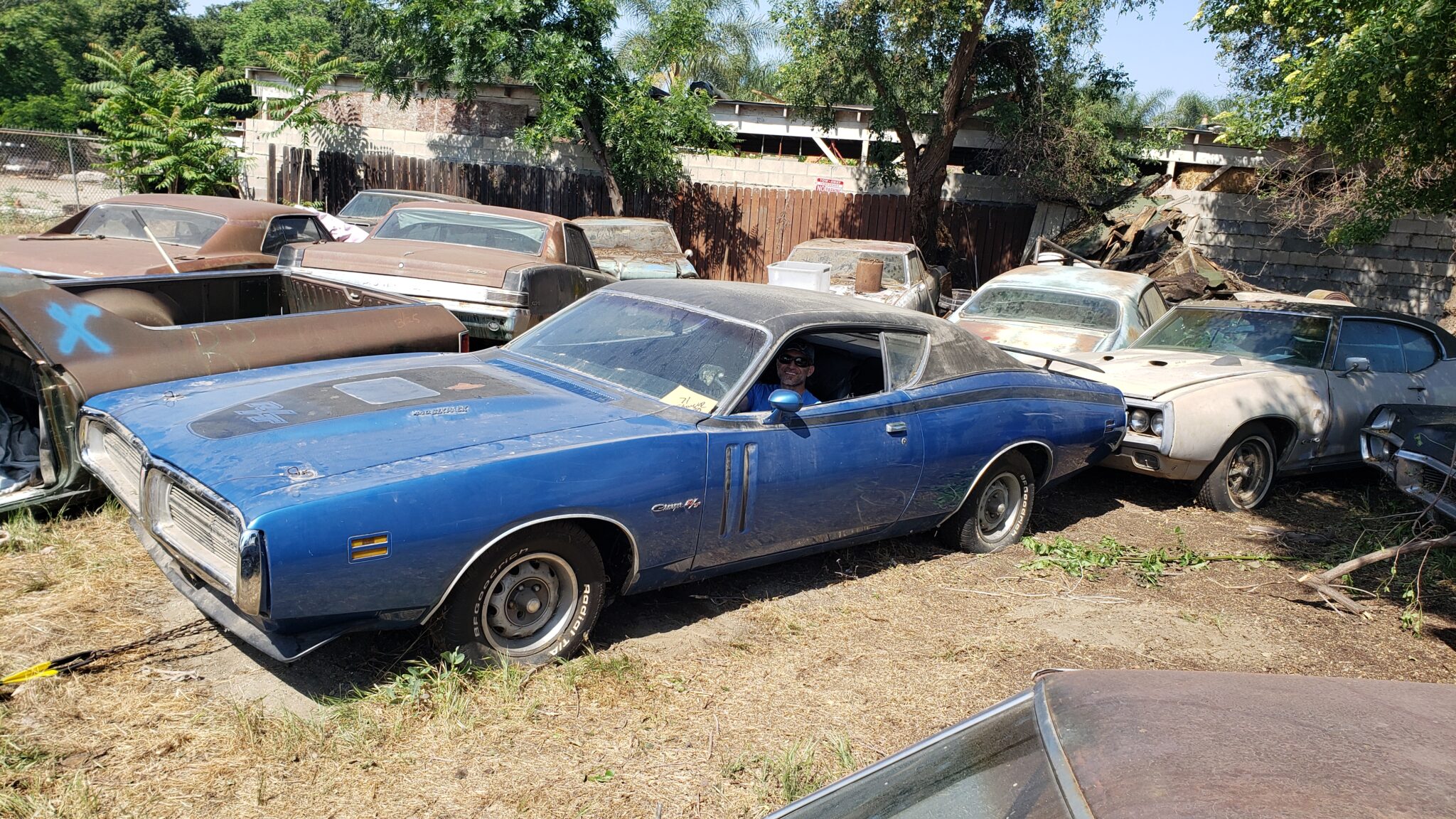
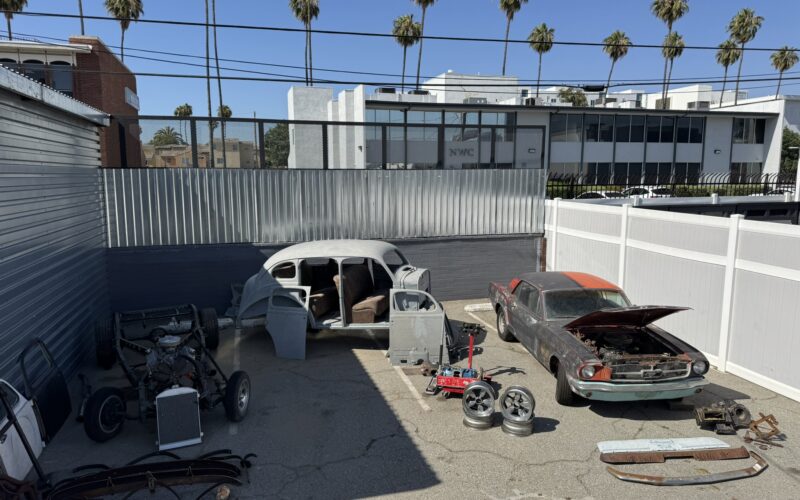
Come on out to The Yard and find the project that's right for you.
View Projects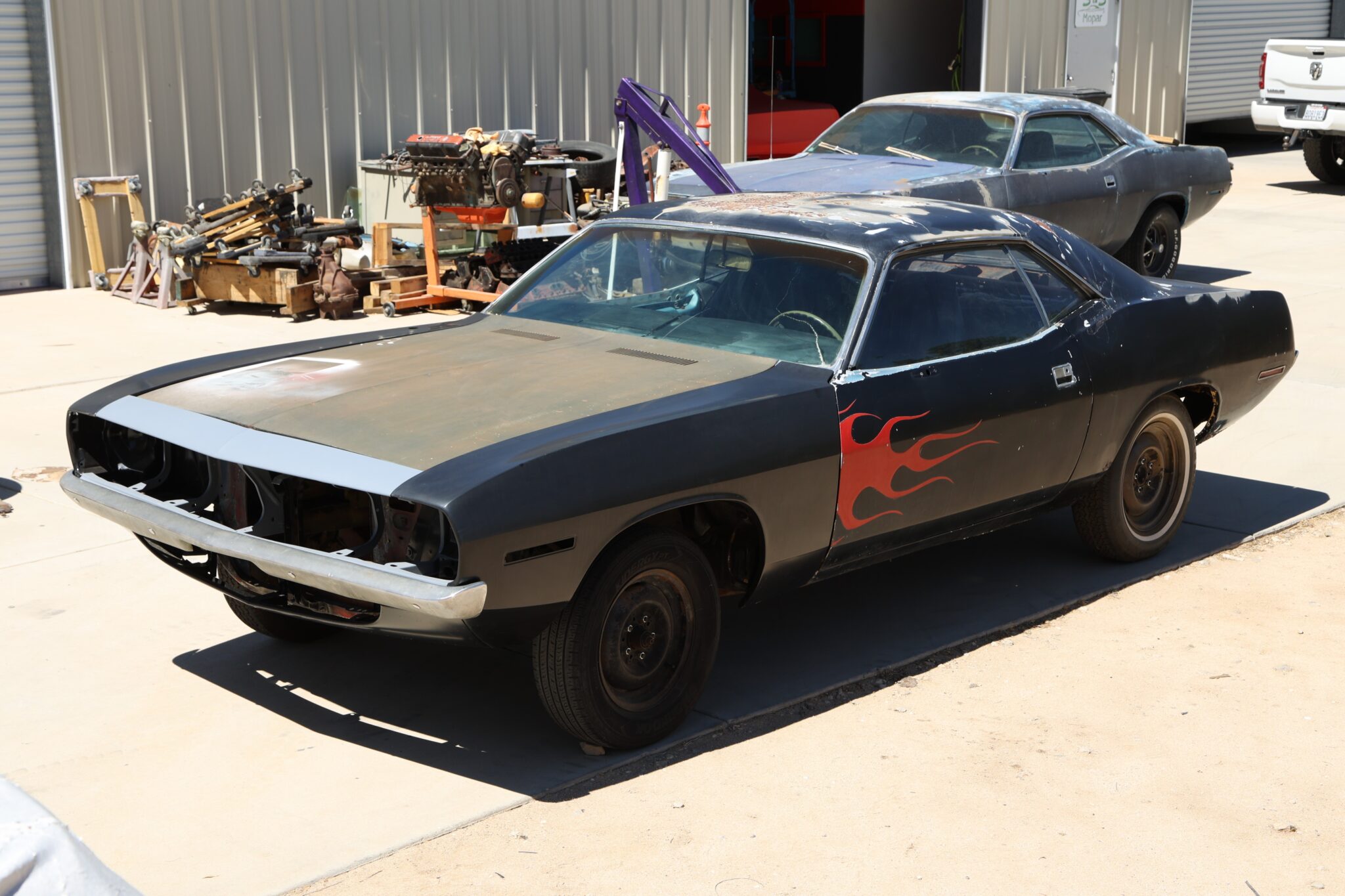
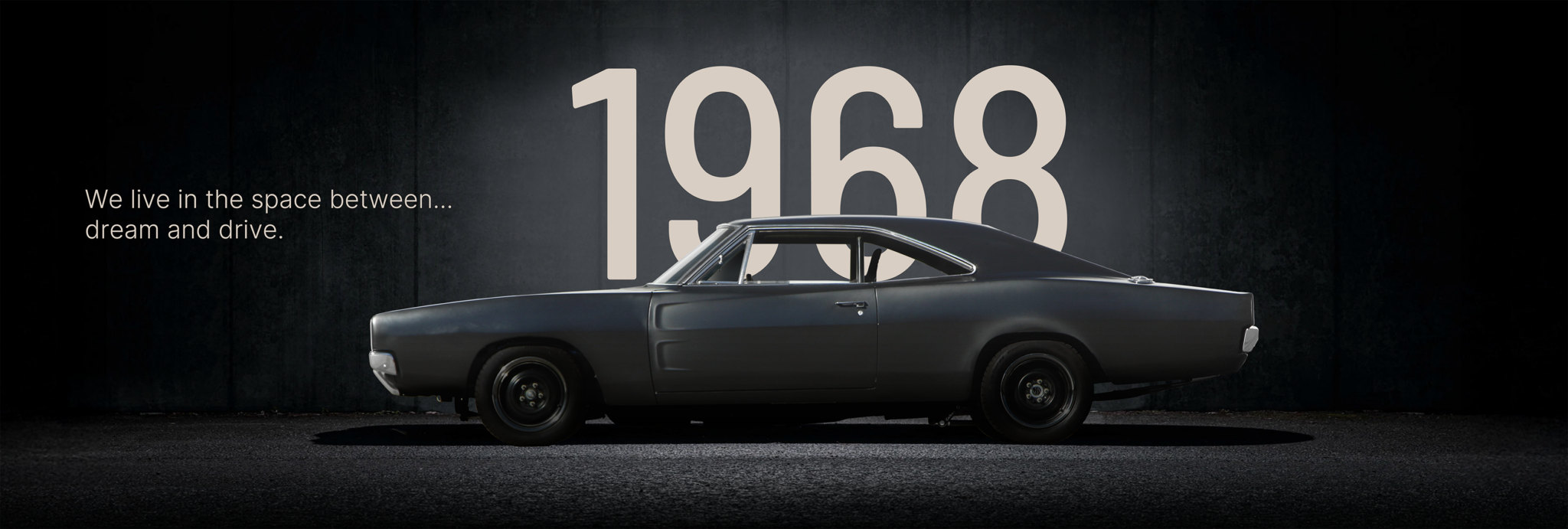
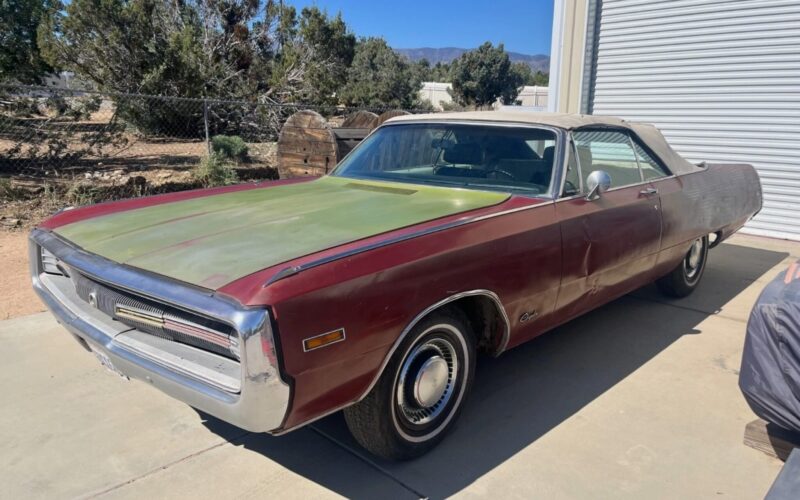
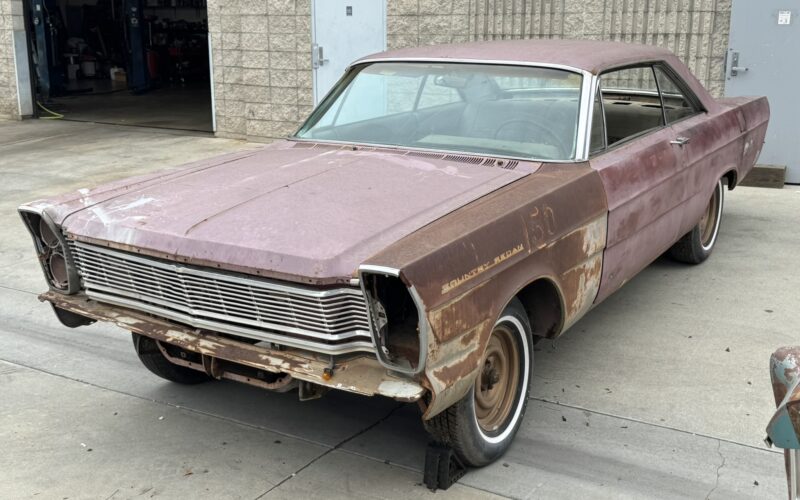
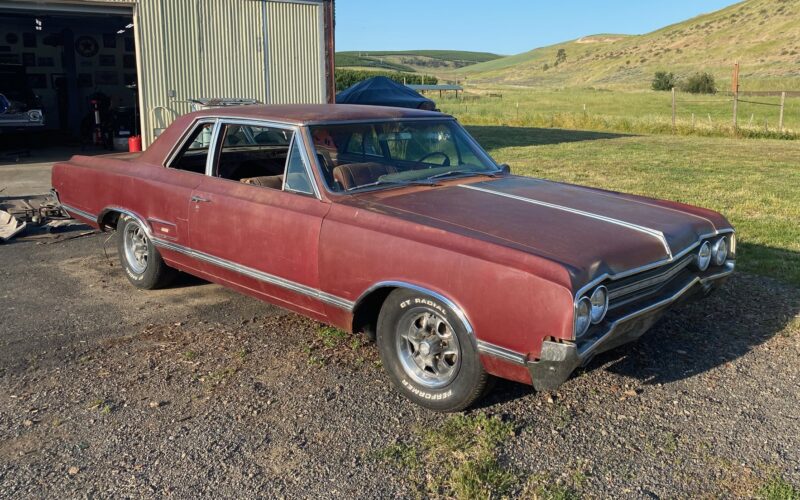
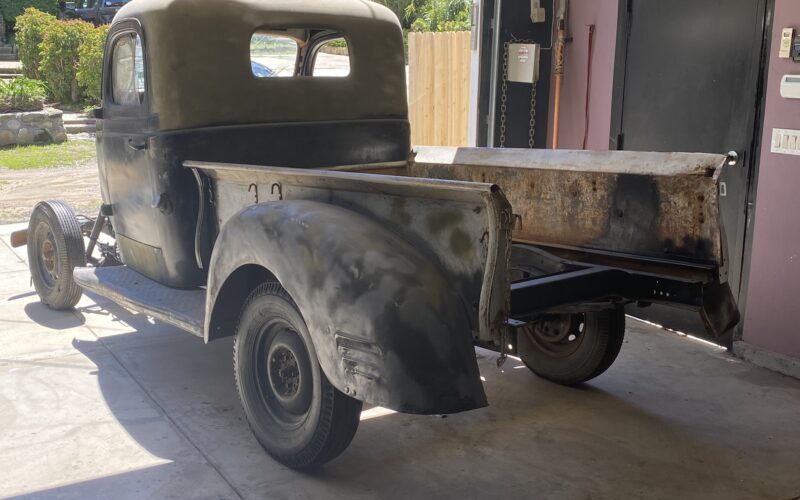
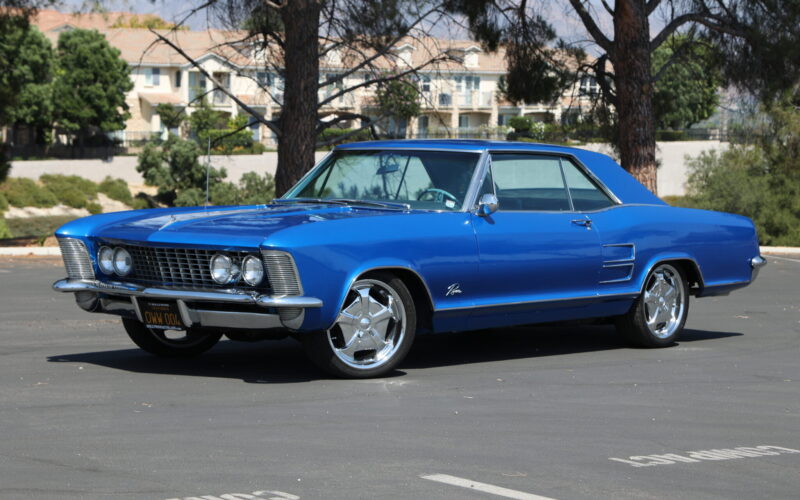
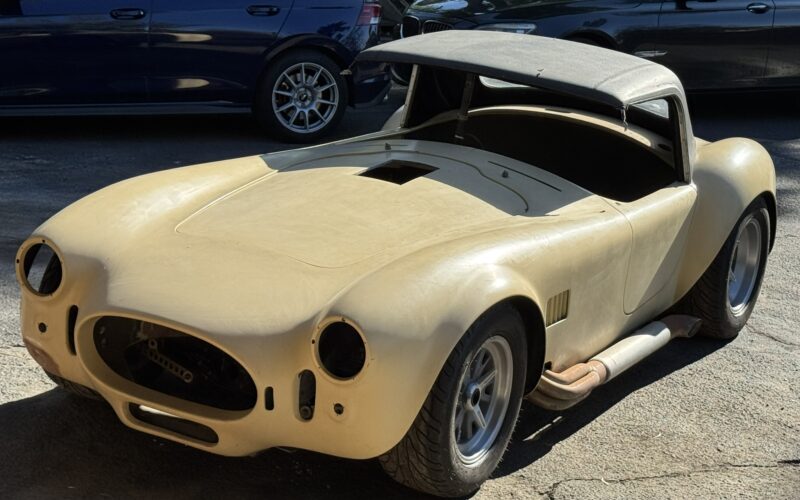
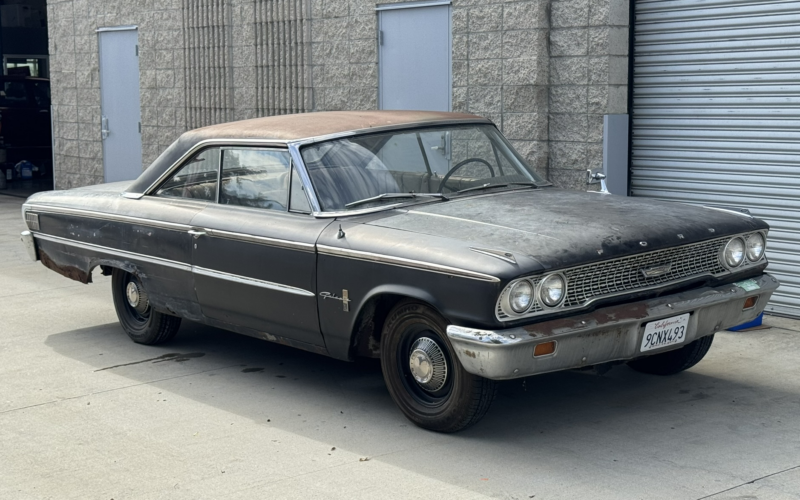
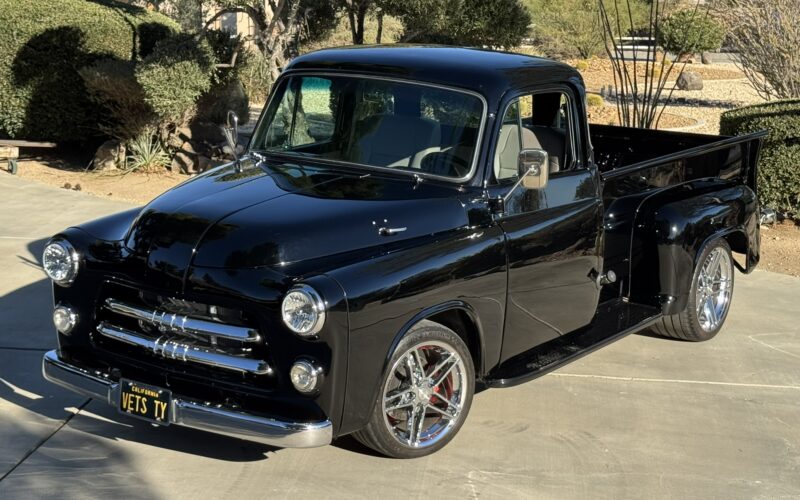
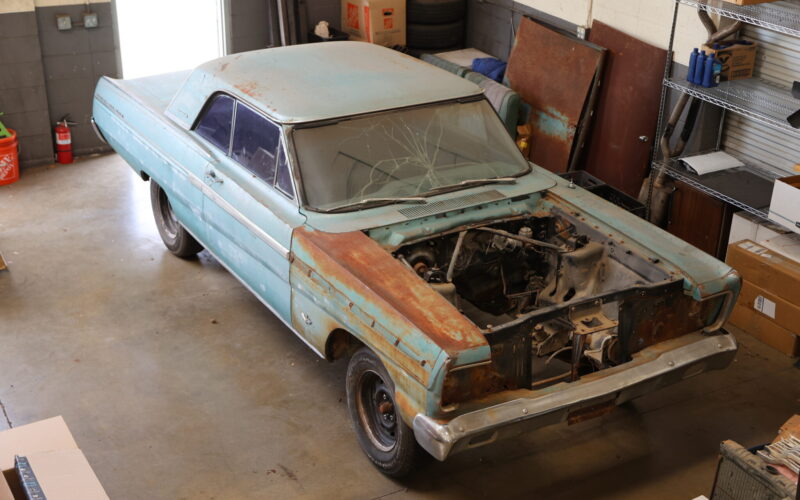
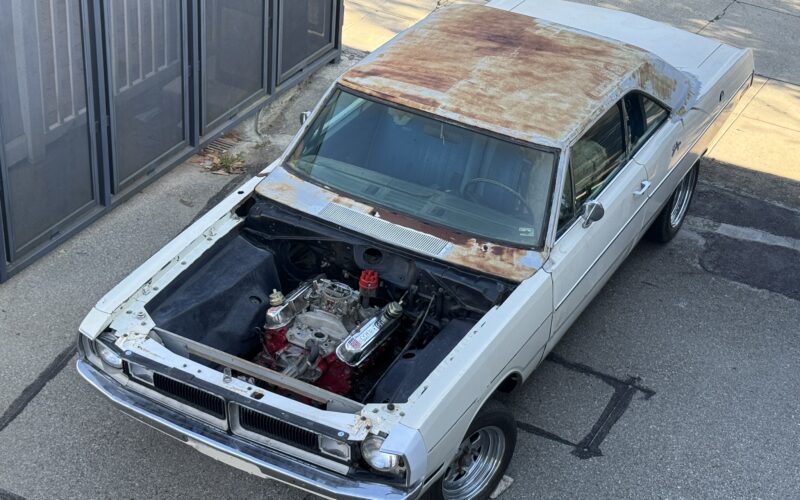
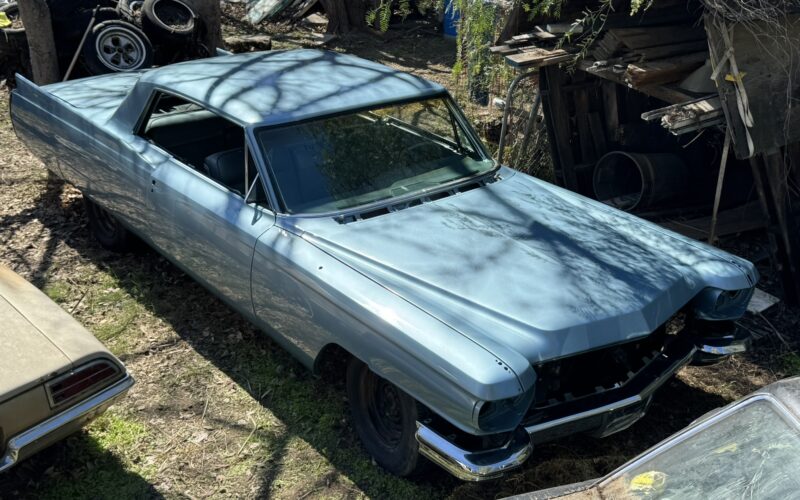
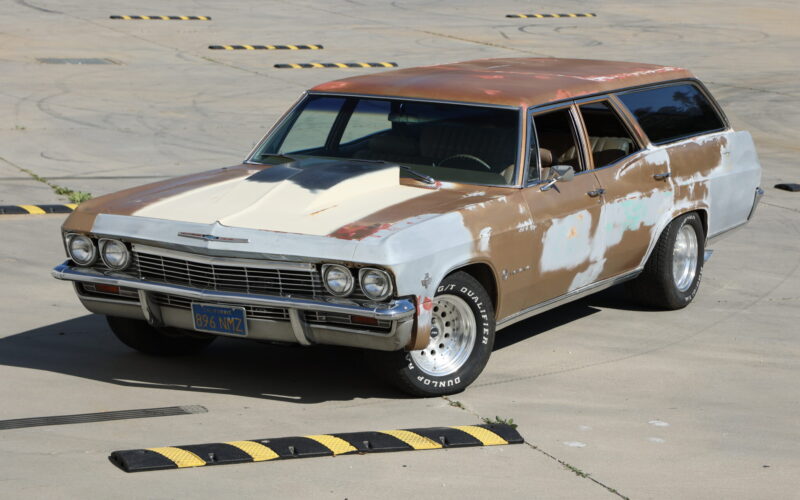
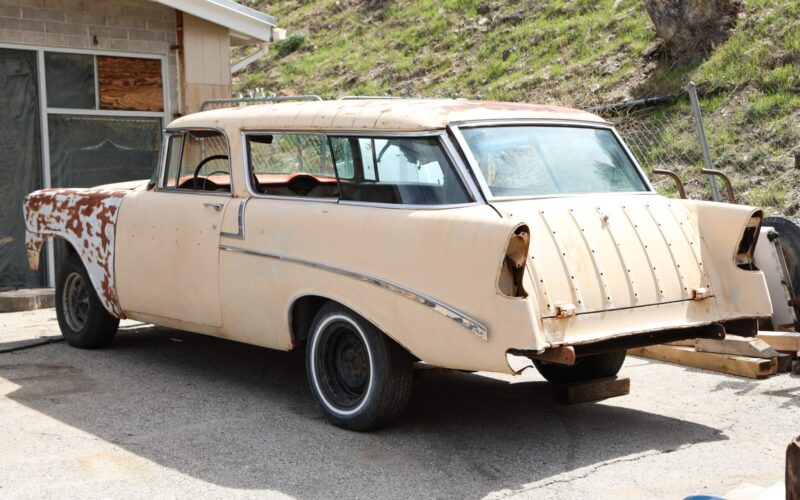
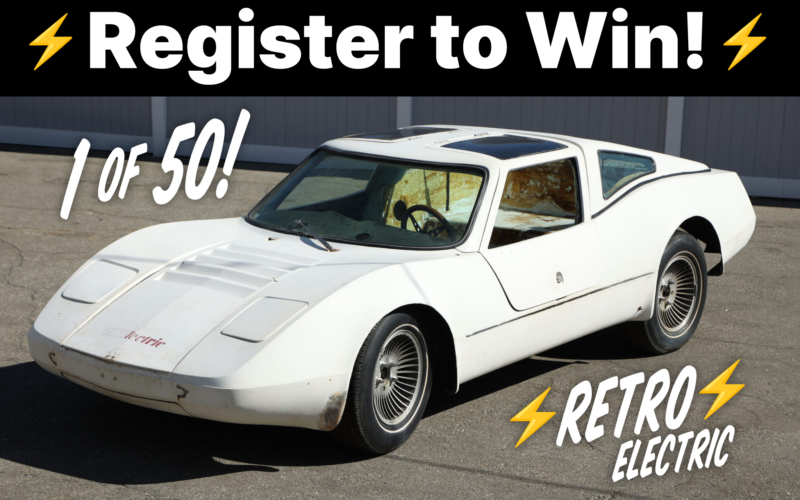
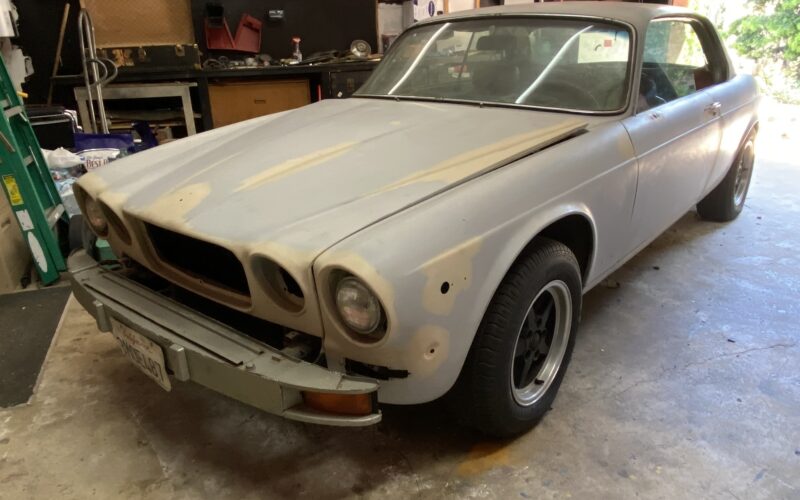
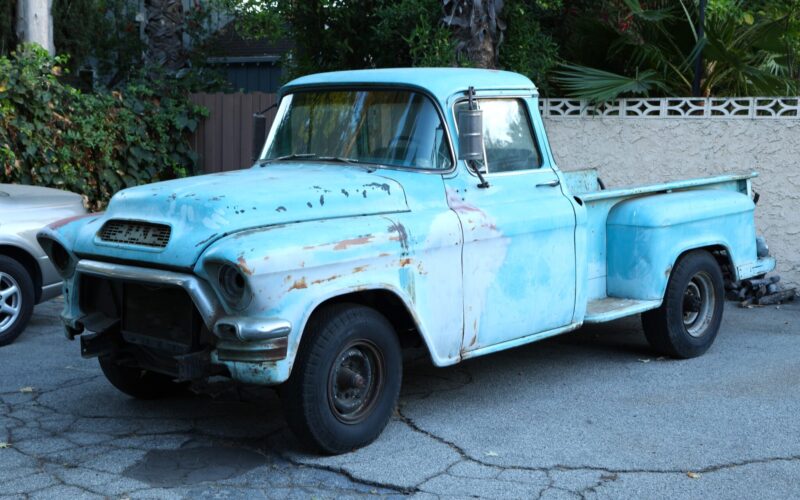
Check out the projects that are on their way to getting back on the road.
View Projects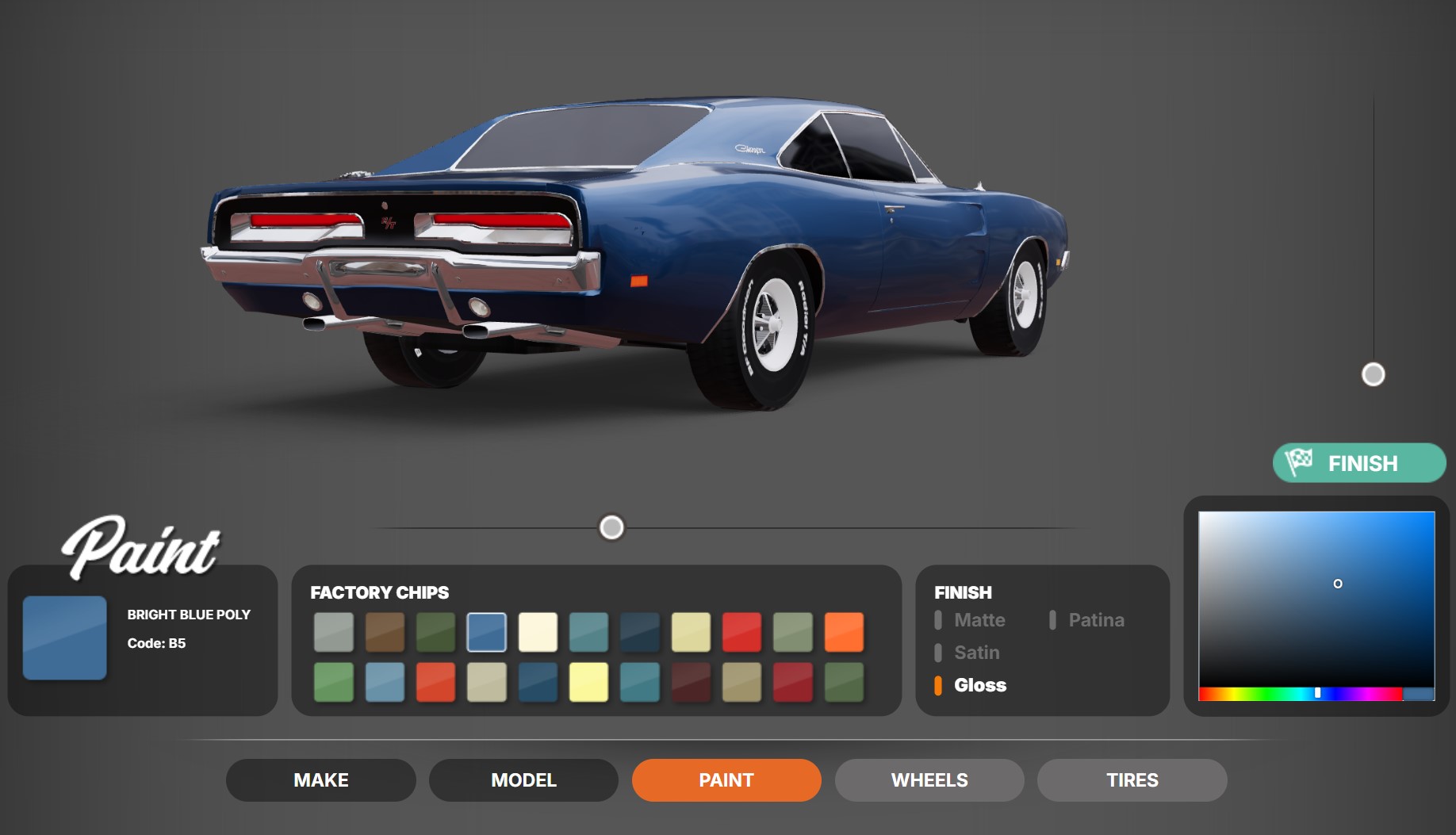
Use our interactive Build Designer to visualize infinite paint colors on your projects.
Start Designing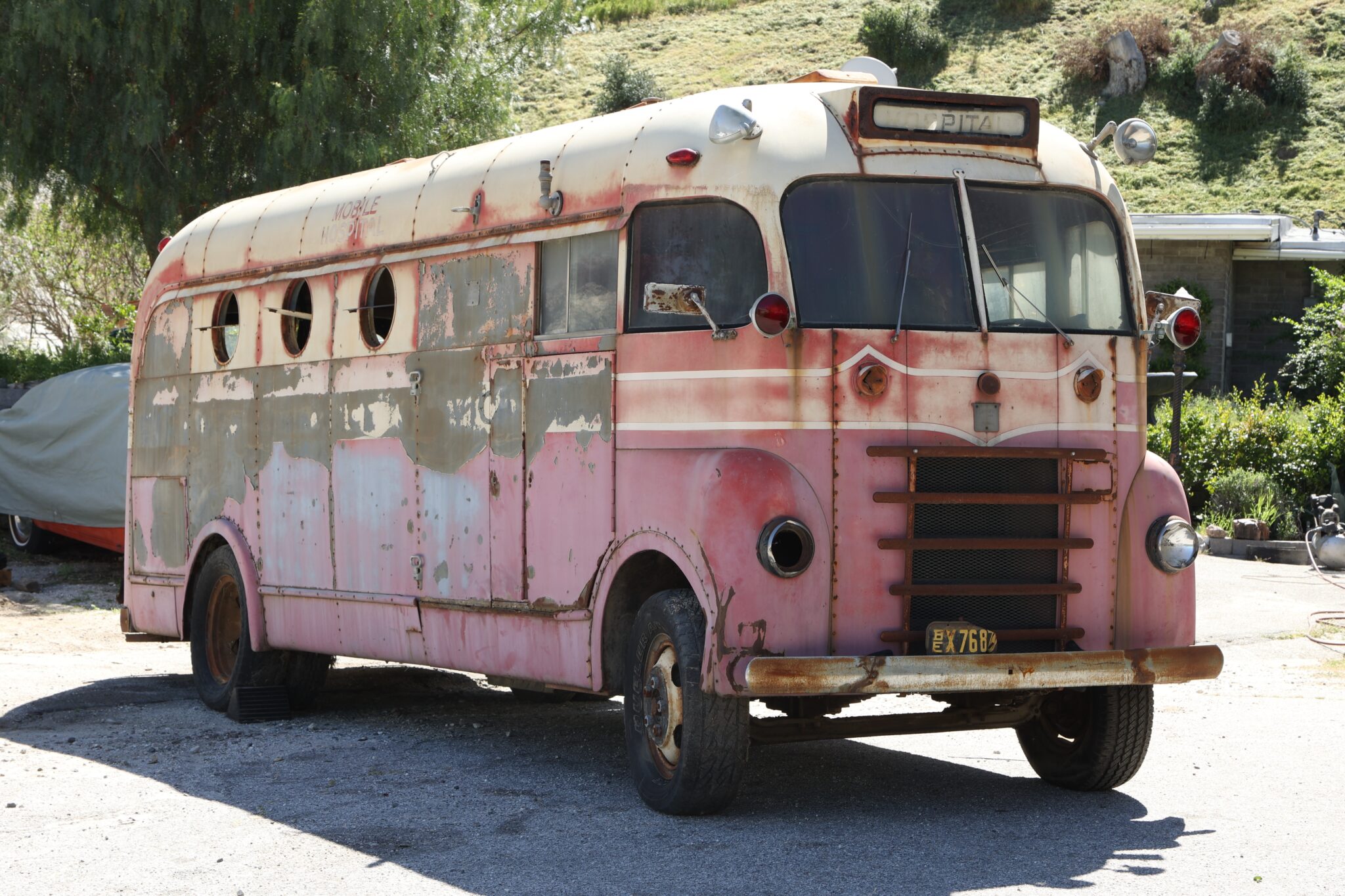
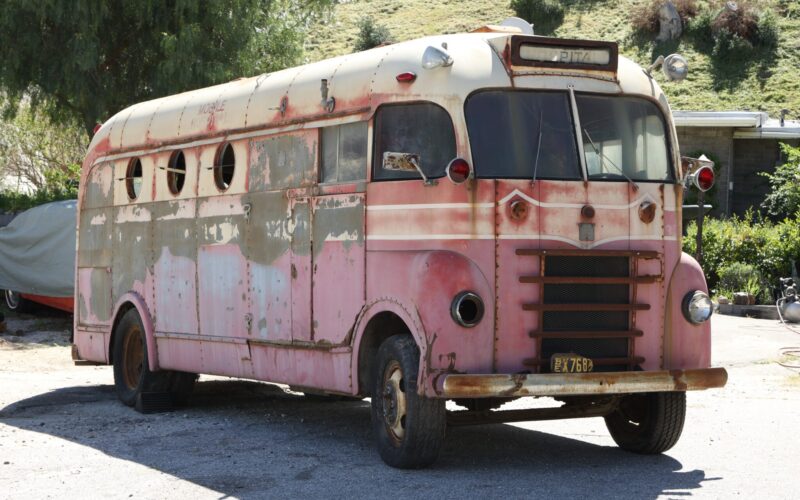
In 1940, a Michigan coachbuilder called Kalamazoo Coaches began producing the Pony Cruiser, a compact 16 to 18 seat transit bus built on a Ford commercial chassis. They built a modest number of these coaches through the war years, filling a niche for community and civilian transport while the major manufacturers focused on military production. Kalamazoo Coaches became Unifab Corporation in September 1951 and still exists today as a metal fabricator in Portage, MI. Among the Pony Cruisers produced, only three were converted into fully equipped mobile hospitals, designated by the factory as Catastrophe Units, rolling emergency rooms designed for mass casualty events including air raids, industrial disasters, and battlefield-adjacent triage. Of those three, two have been confirmed destroyed. What you see here is the sole survivor, the last Catastrophe Unit on earth.
The casualty record book found inside, issued by the U.S. Office of Civilian Defense, Washington D.C., logs patients from 1946 through 1951, with entries referencing the Rose Bowl in Pasadena as a staging or treatment location. The OCD was a federal wartime agency created by FDR in 1941 to coordinate civilian protection against attack on American soil. Although the agency officially closed June 30, 1945, its vehicles and infrastructure remained in use by state and local agencies through the postwar years. Southern California in 1946 was flooded with returning veterans overwhelming civilian medical infrastructure, and the Rose Bowl, a massive open venue capable of staging thousands, was a logical large-scale triage and treatment site. This Catastrophe Unit, self-contained and self-powered, was exactly the right tool for that job.
After civilian defense service, the vehicle came into the hands of Snyder Ambulance Company of Van Nuys, CA, one of the most storied names in Southern California EMS history. The company supplied ambulances for the TV series Emergency! through the 1970s. Their lettering is still visible on the side. The patient log suggests service through 1951, after which the vehicle was parked, not decommissioned, not cleaned out, just parked. Gauze still in the wrappers. Medicine still in the bottles. Plasma still in the cans. The last day it worked is effectively the day you're looking at right now.
This vehicle is offered by the Bigelow Foundation, a 501(c)(3) nonprofit dedicated to preserving classic American motor coaches and supporting veterans. It is sold on a bill of sale, as no builder's plate has been located after a thorough search of the entire vehicle. Title can possibly be registered to the engine number. The Foundation's strong preference is that the next owner pursue a proper restoration, not a restomod. That is not a condition of the sale, but it is a request from people who understand what is at stake. When you are the last one, you carry that.
Private viewings are available by appointment by using the "Ask the Seller" button. Buyer is responsible for transport within 30 days of sale. Delivery may be possible depending on location. Historical photo of this Catastrophe Unit on location on Santa Monica beach in the late 1940's with Harry Snyder (courtesy of Lou Farah) .


There are no live auctions at this time. Please check back soon for more great projects.



Build My Ride brings back the cars you dreamed about as a kid. Whether you’re a rookie or a pro, we have projects for every skill level. Join our crew of builders and register today!