


- Block
- Main caps
- Heads
- Intake
- Exhaust manifolds/headers
- Crank
- Rods
- Pistons
- Camshaft
- Camshaft lifters
- Pulleys
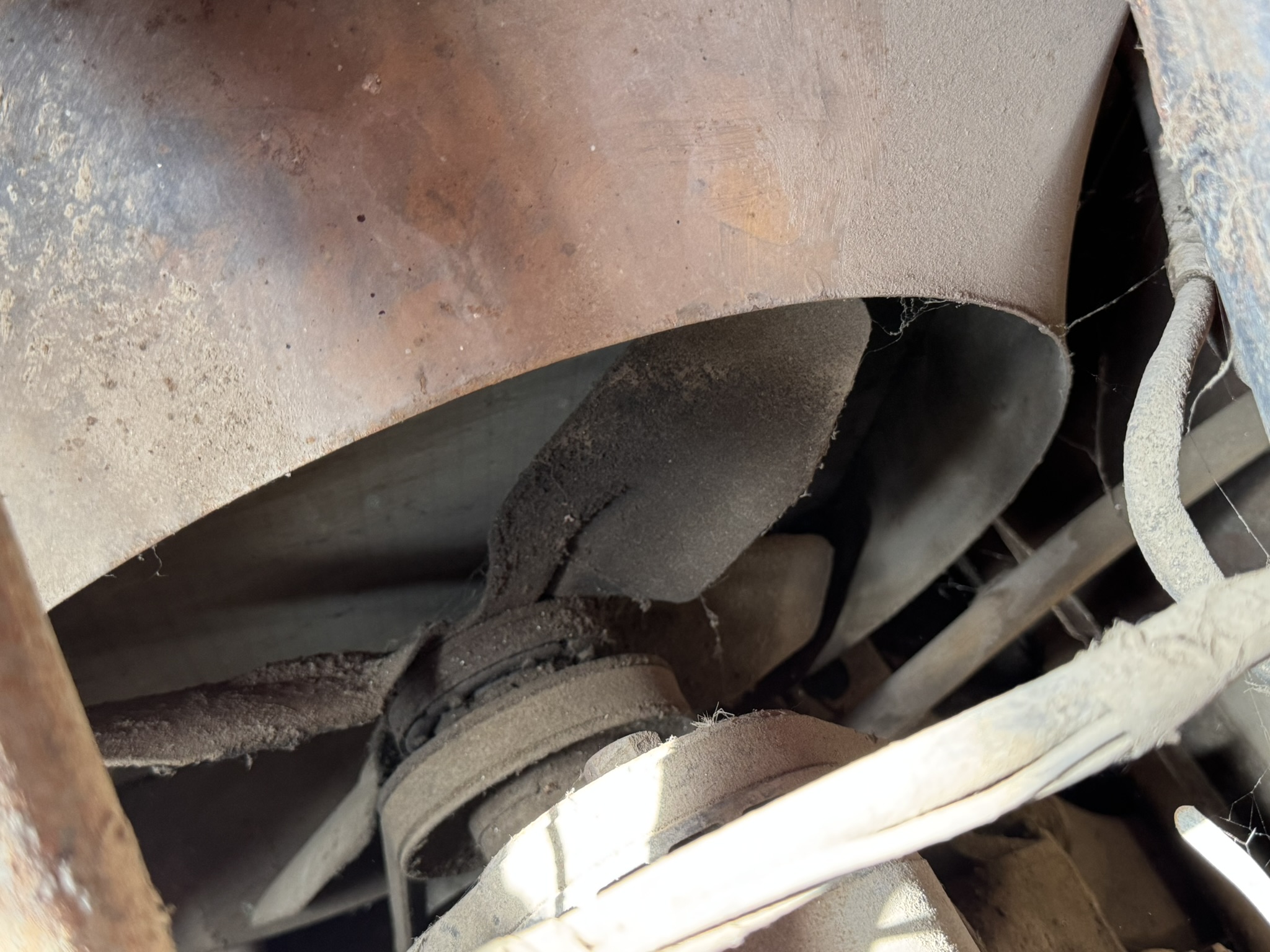
- Fan
- Oil pan
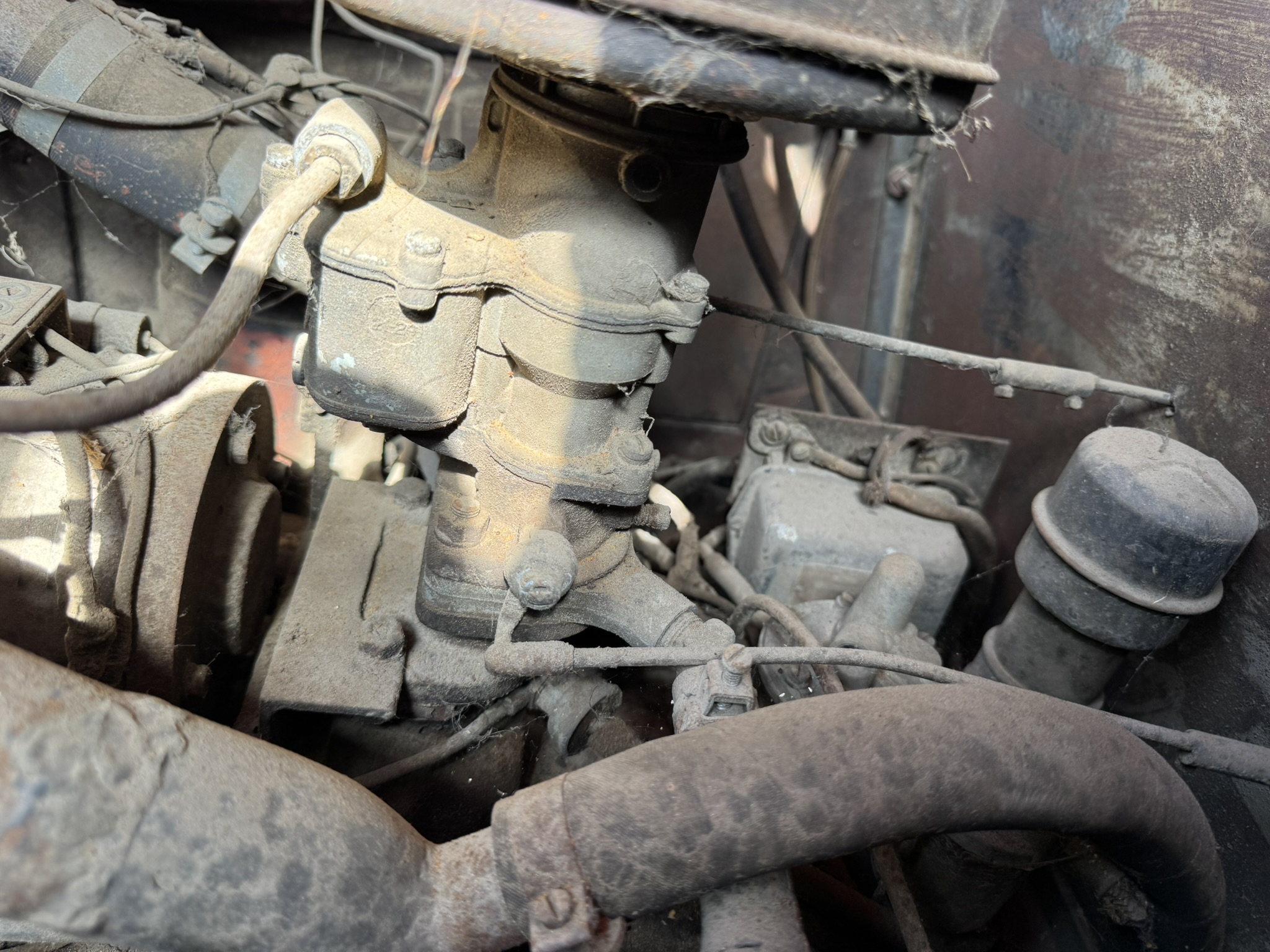
- Carburetor
- Valve covers
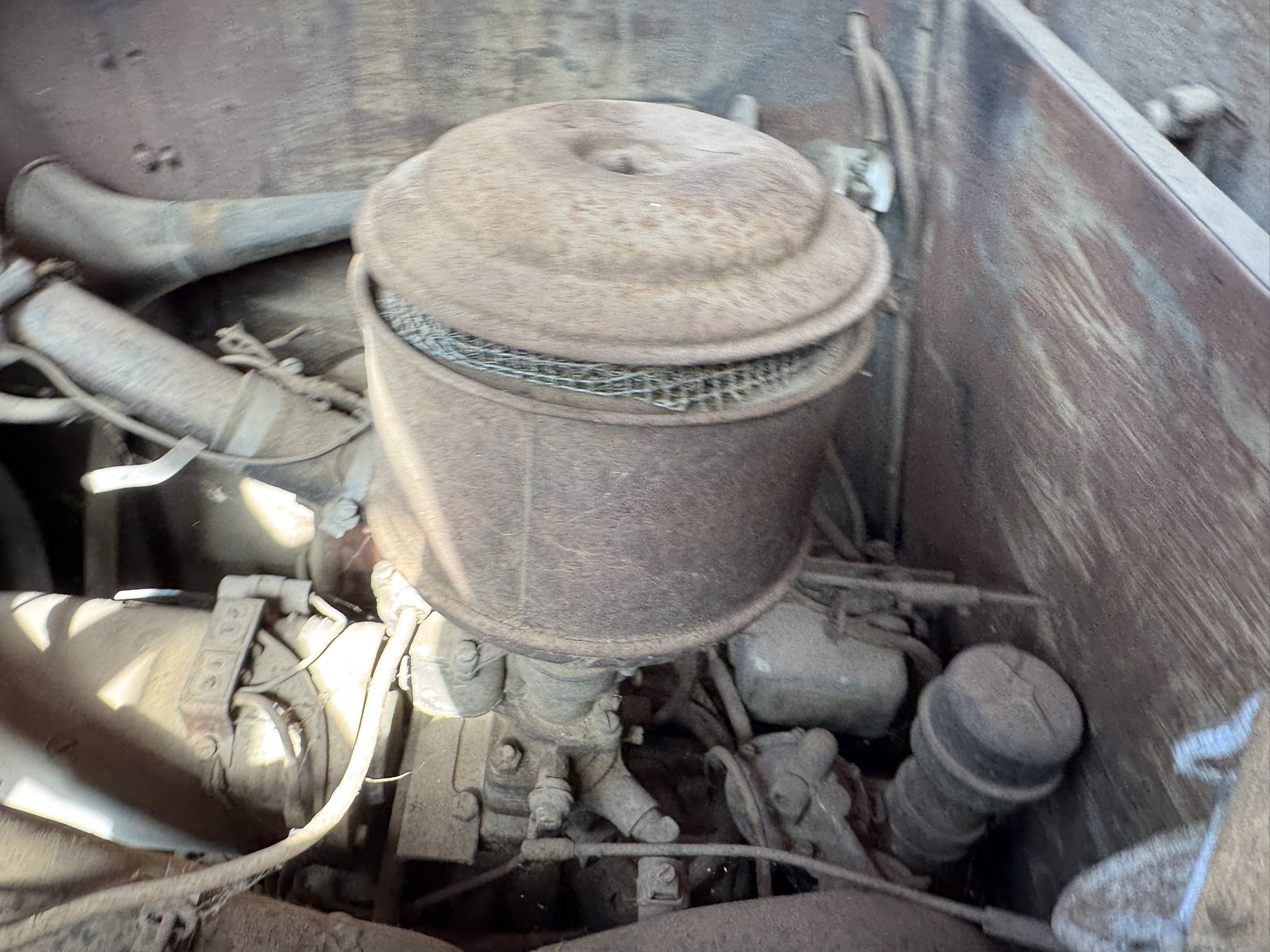
- Air cleaner
- Distributor
- Water pump
- Alternator
- Radiator
- Transmission
- Shifter
- Driveshaft
- Rear axle
- Transfer case
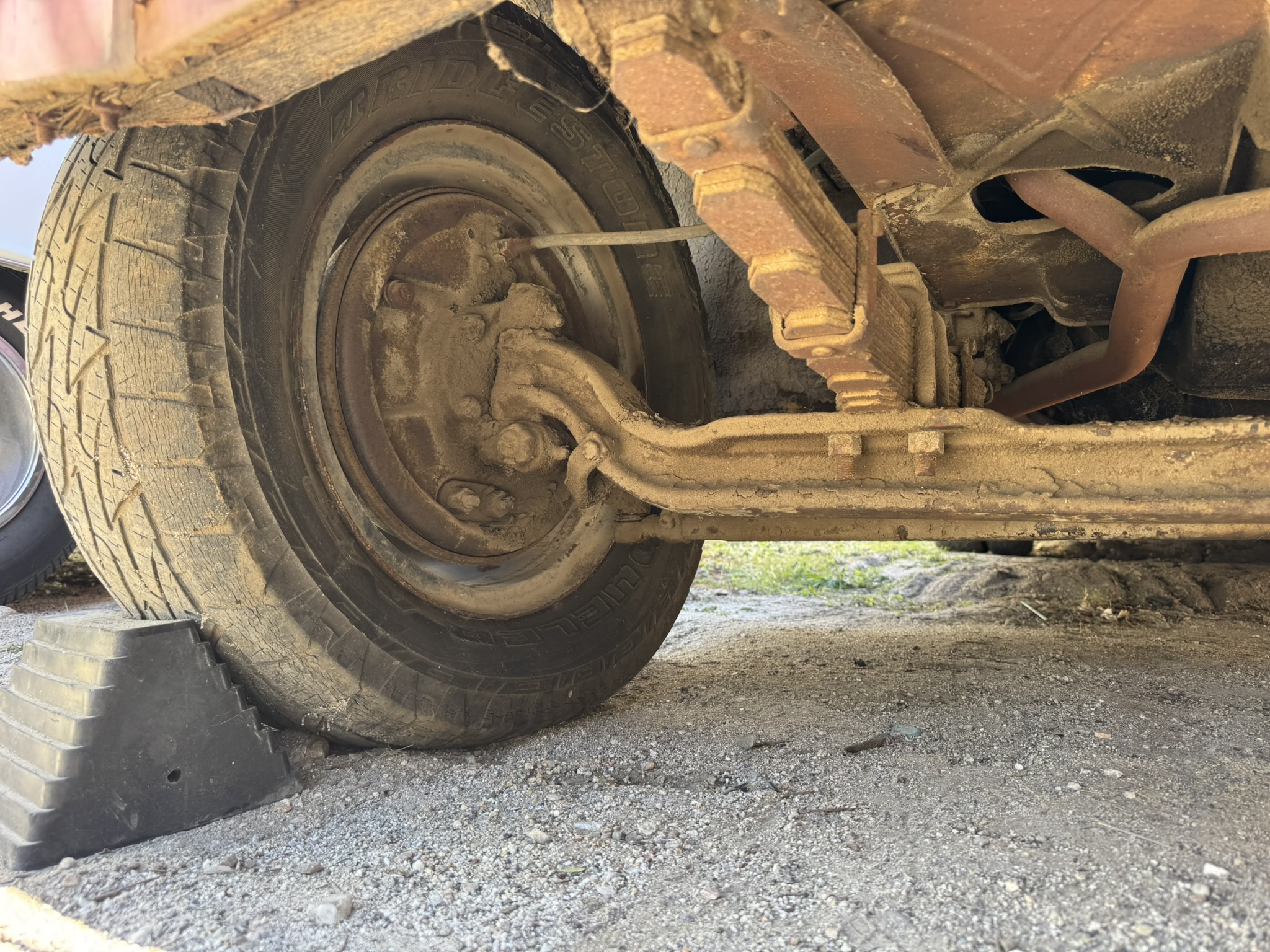
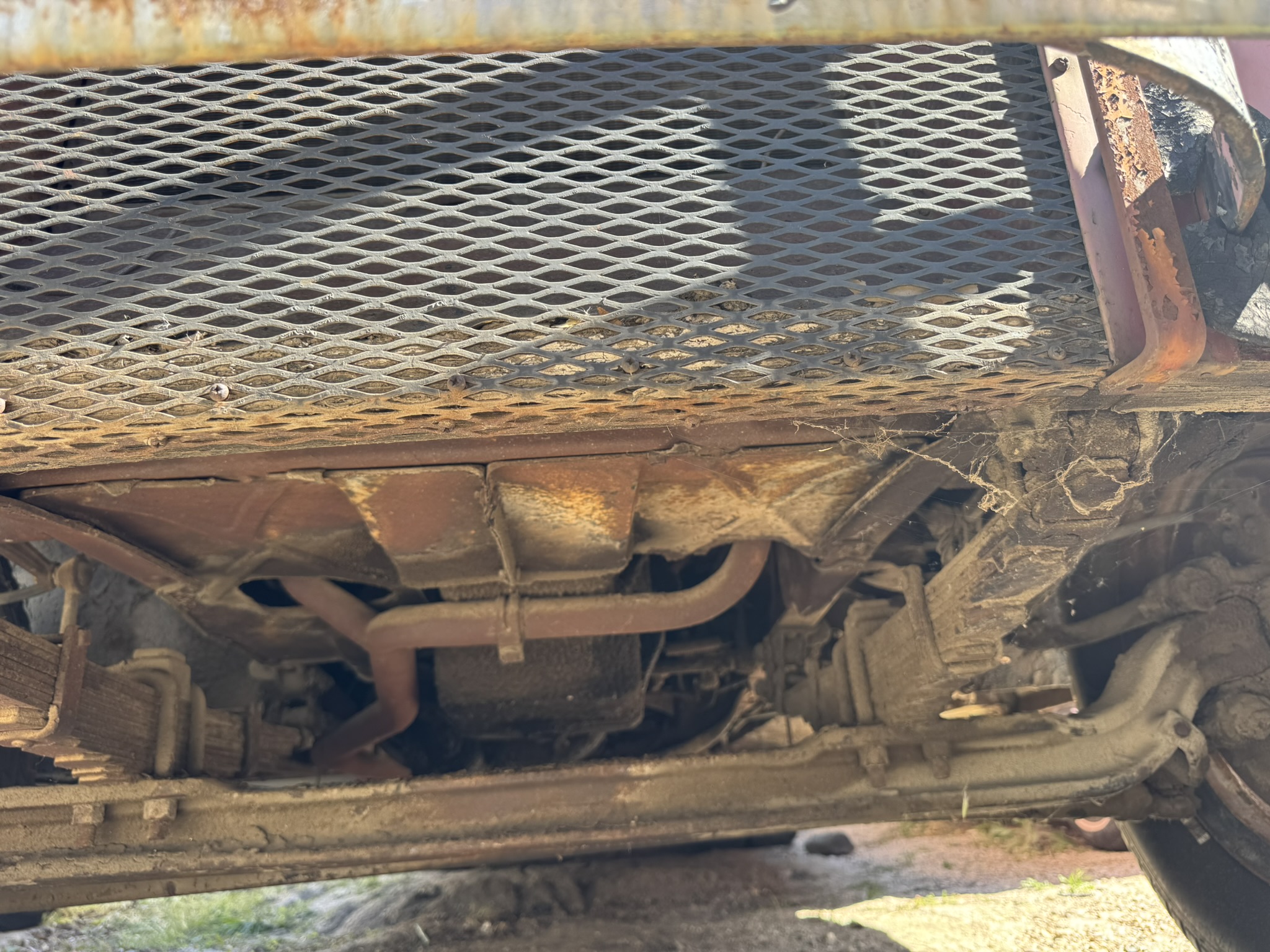
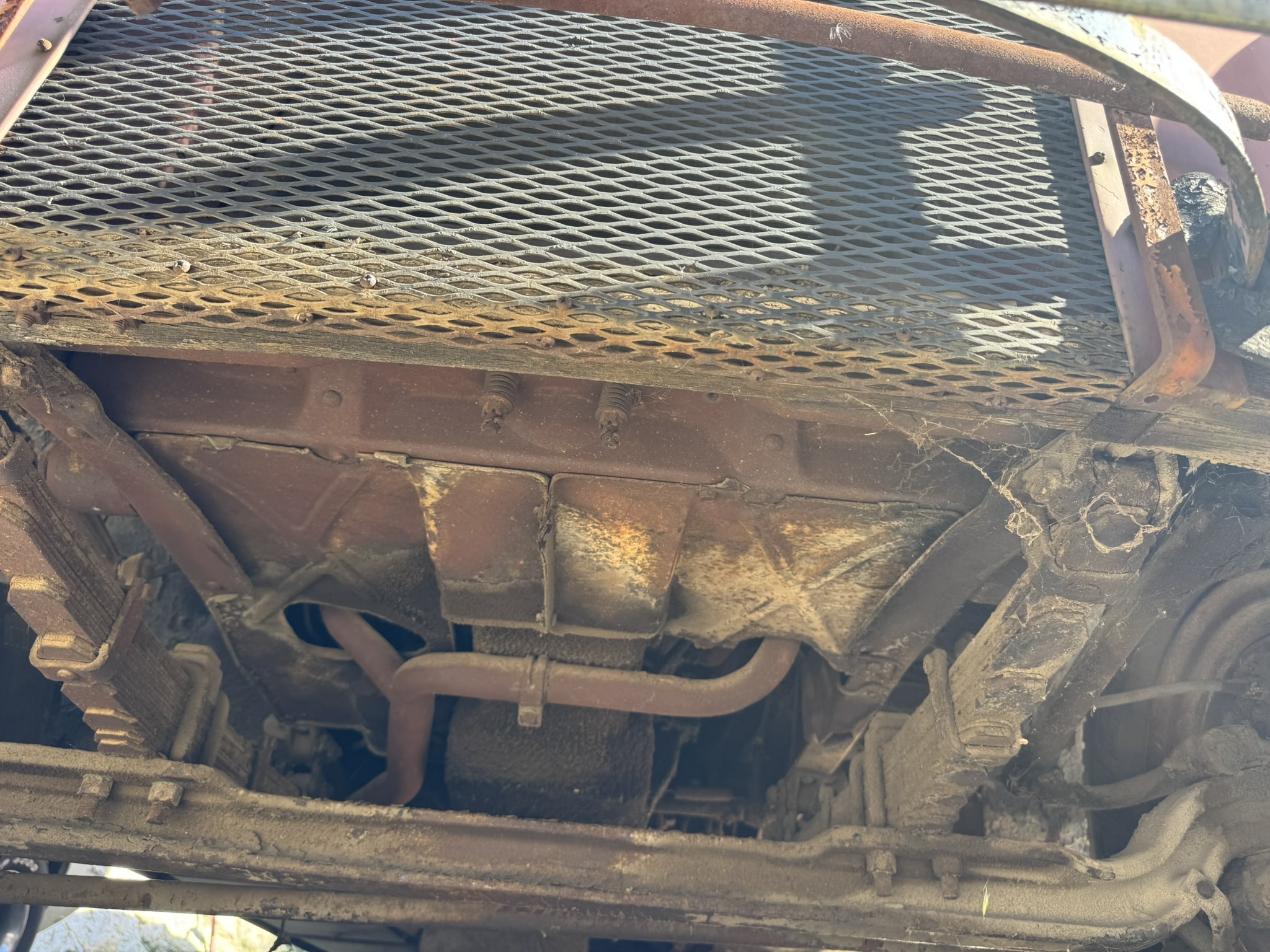
- Front axle
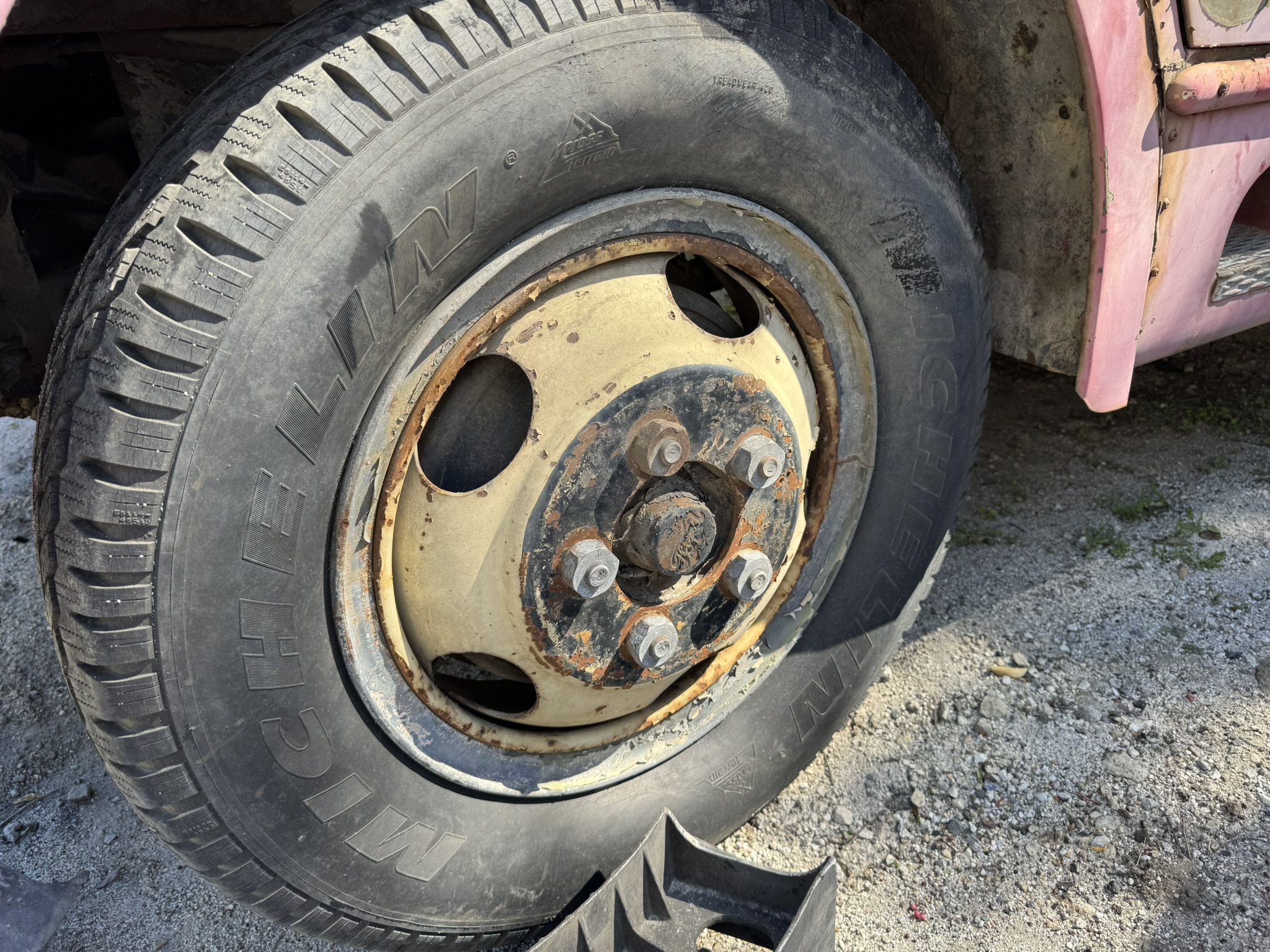
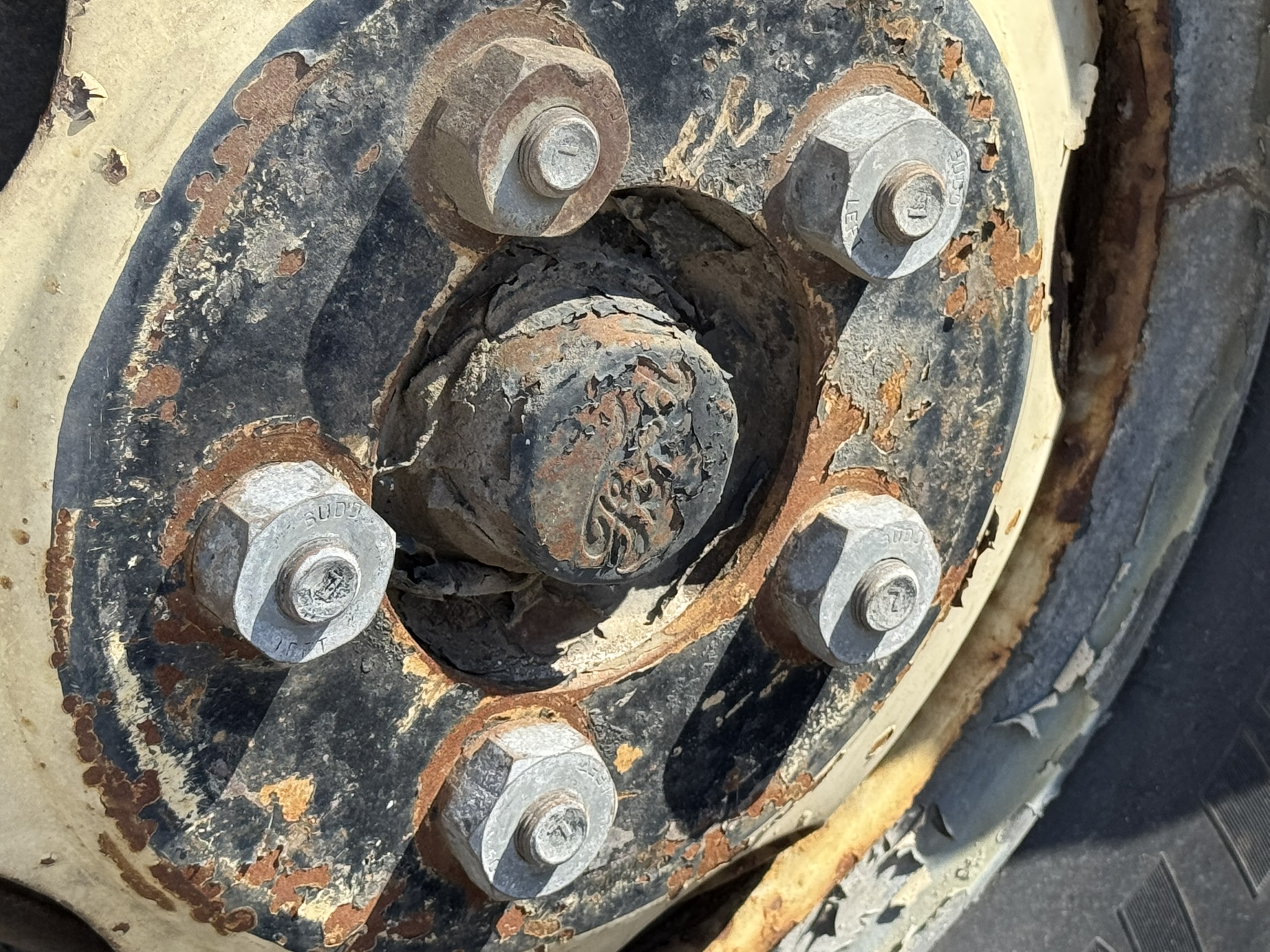
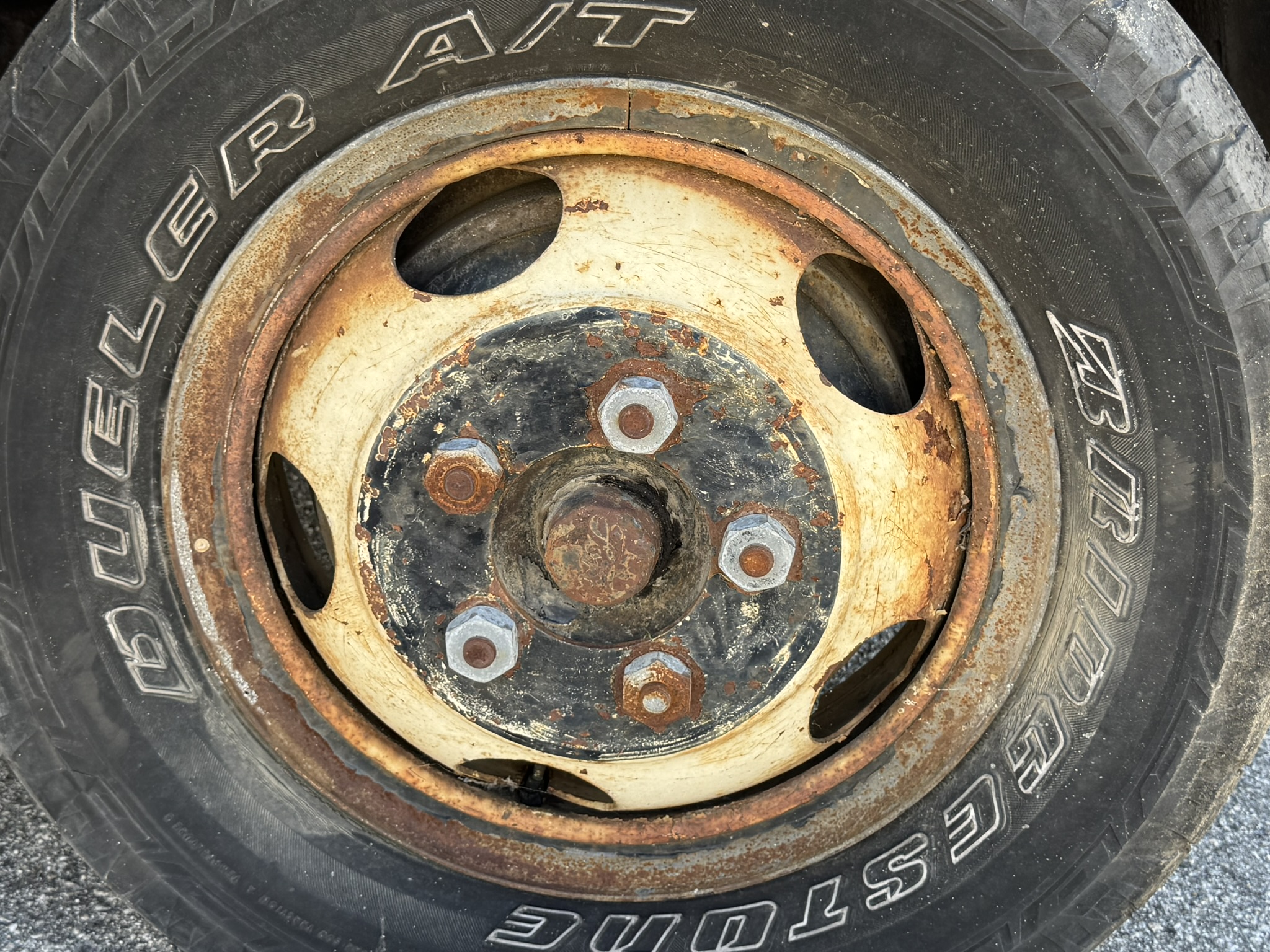
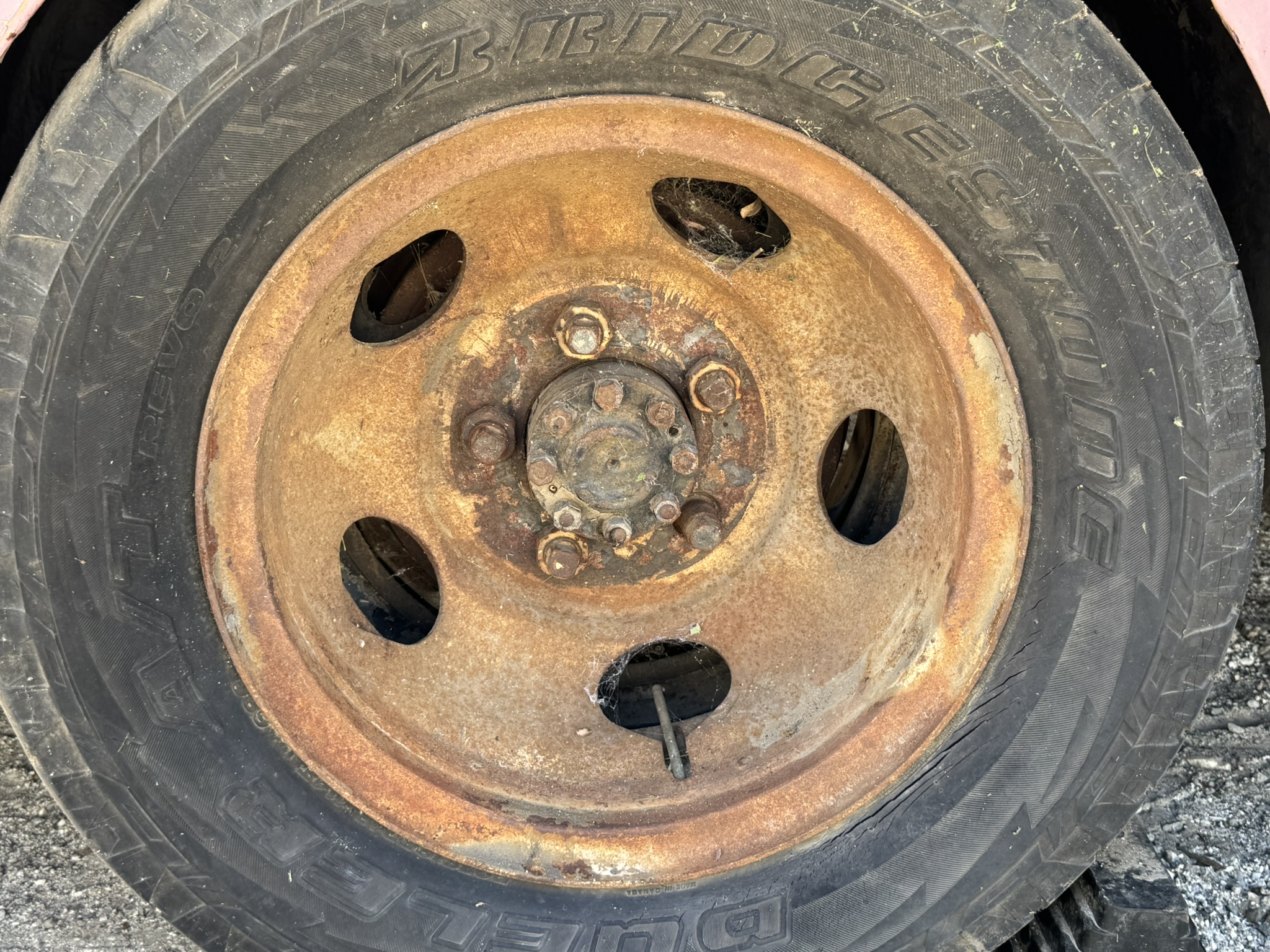
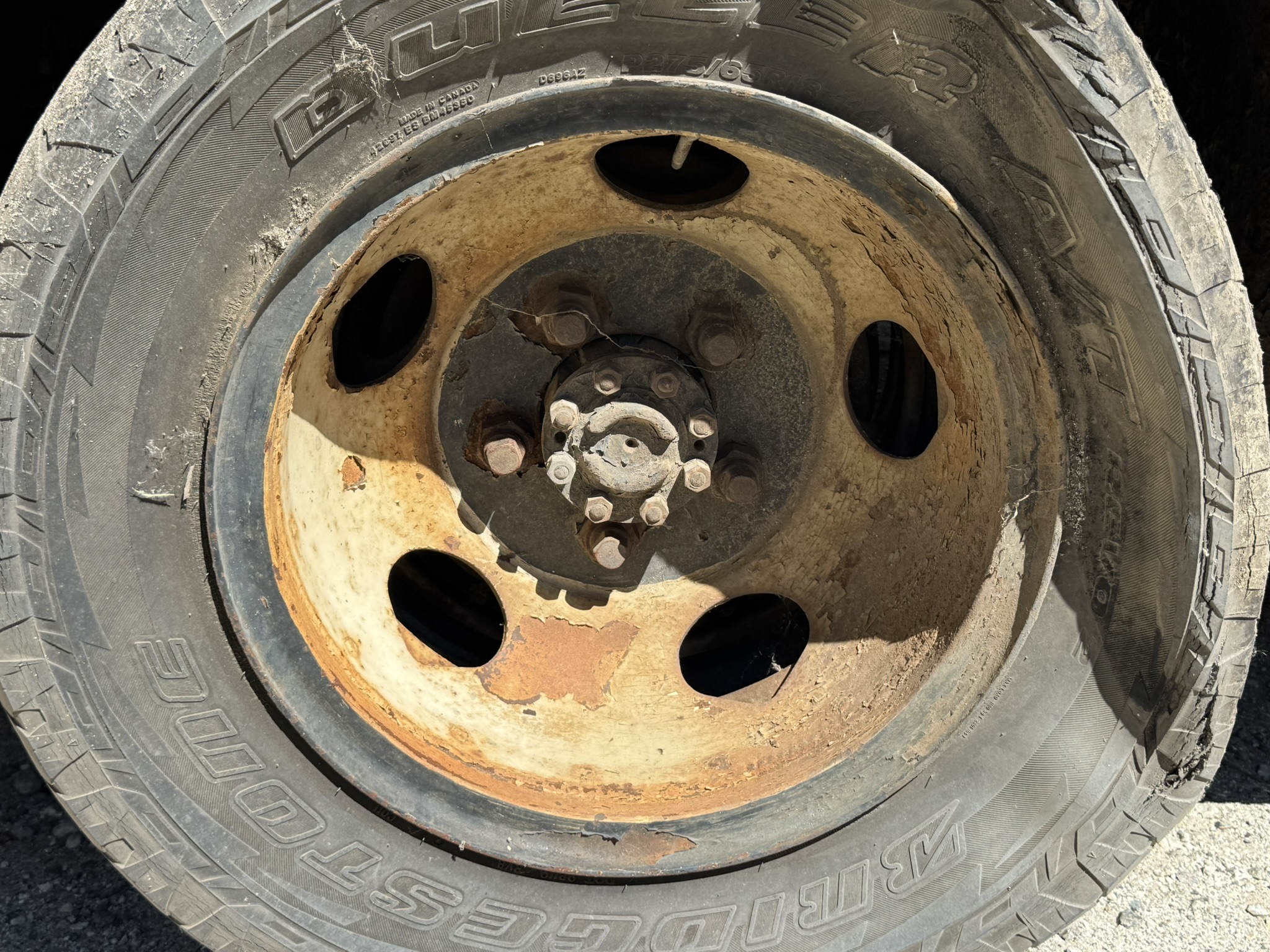
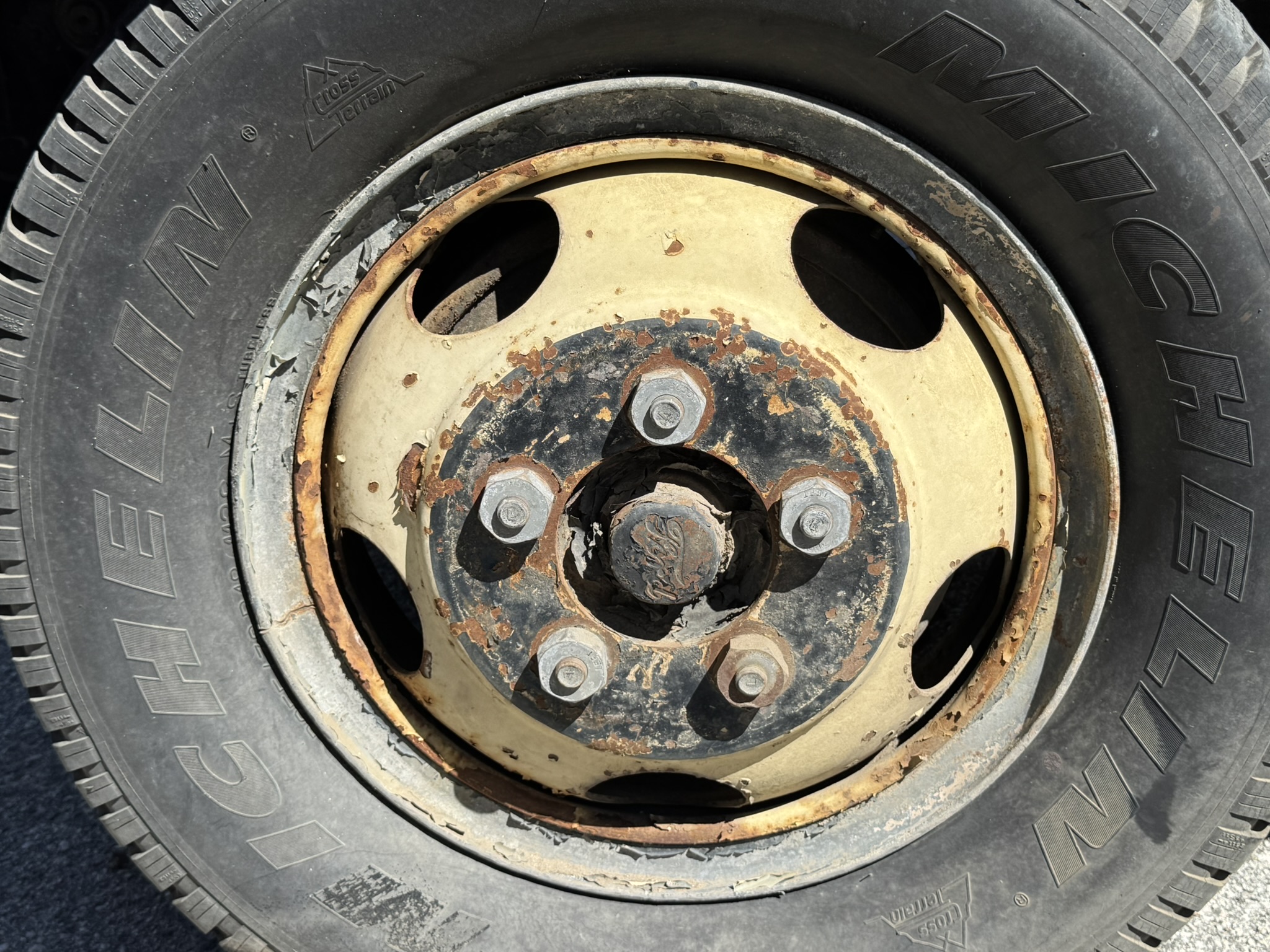
- Original wheels
- Tires that hold air
- Questionable tires
- Electric fuel pump
1942 Kalamazoo Coaches Catastrophe Unit
The last one on Earth
1942 Kalamazoo Coaches Catastrophe Unit
The last one on Earth
Build Difficulty
Nuts & Bolts
Seller: Goertzc
Location: Santa Clarita, CA
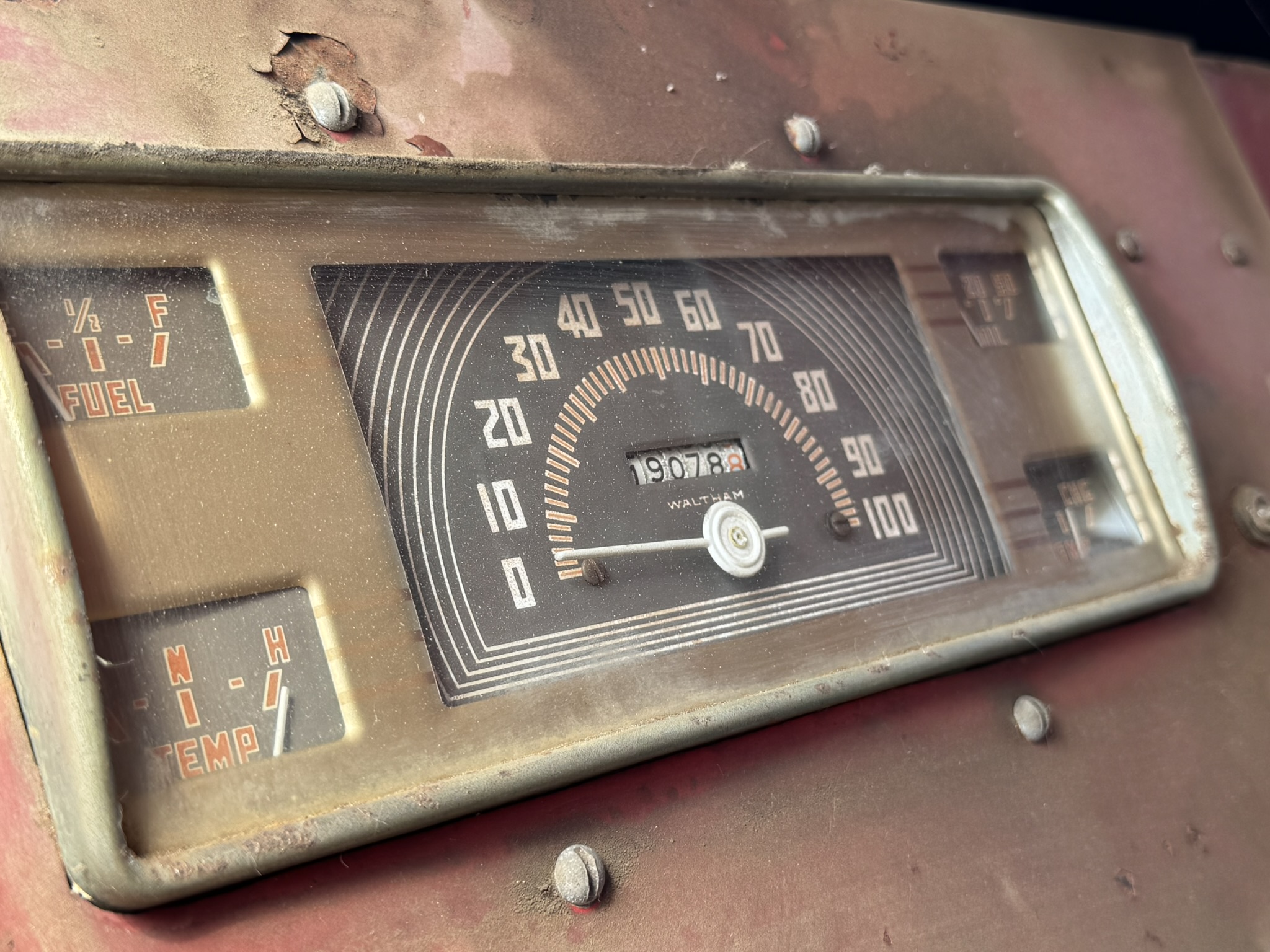
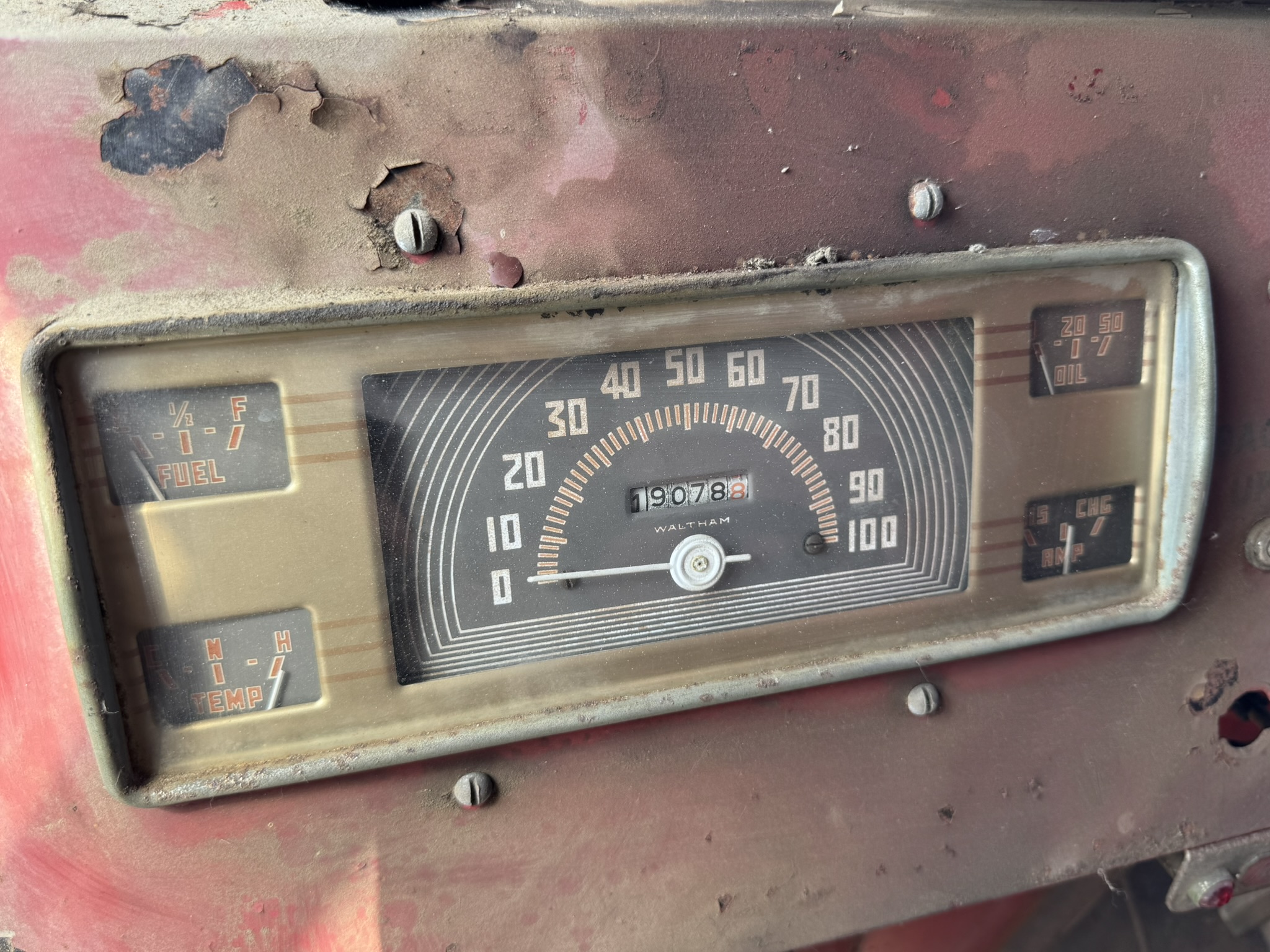
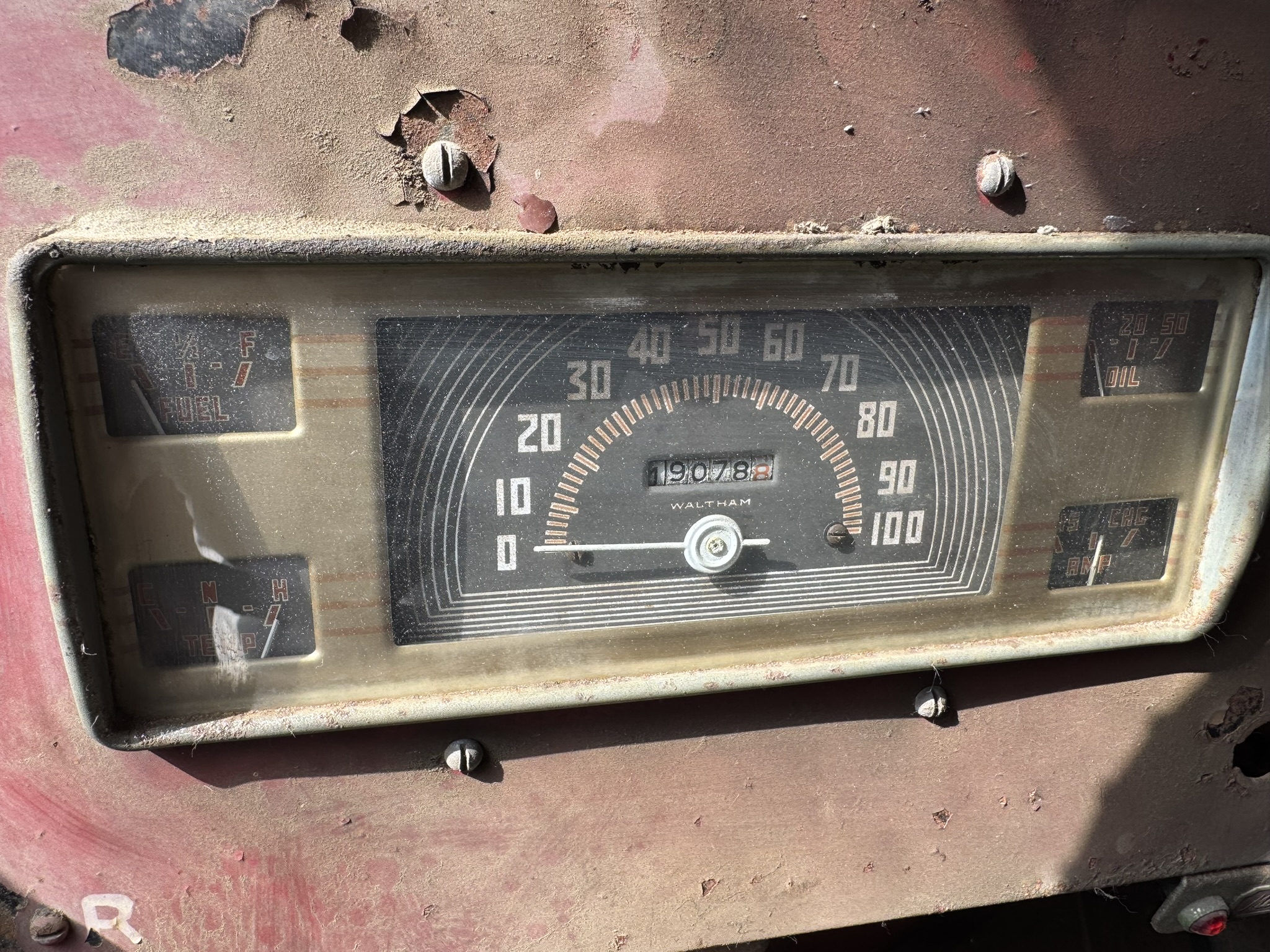
Mileage: 19,078
Year: 1942
Make: Kalamazoo Coaches
Model: Catastrophe Unit
State of title: -
Status of title: Missing
Title in seller's name: No
Private Party or Dealer: Private Party
Inventory Breakdown
Video Gallery
The Story
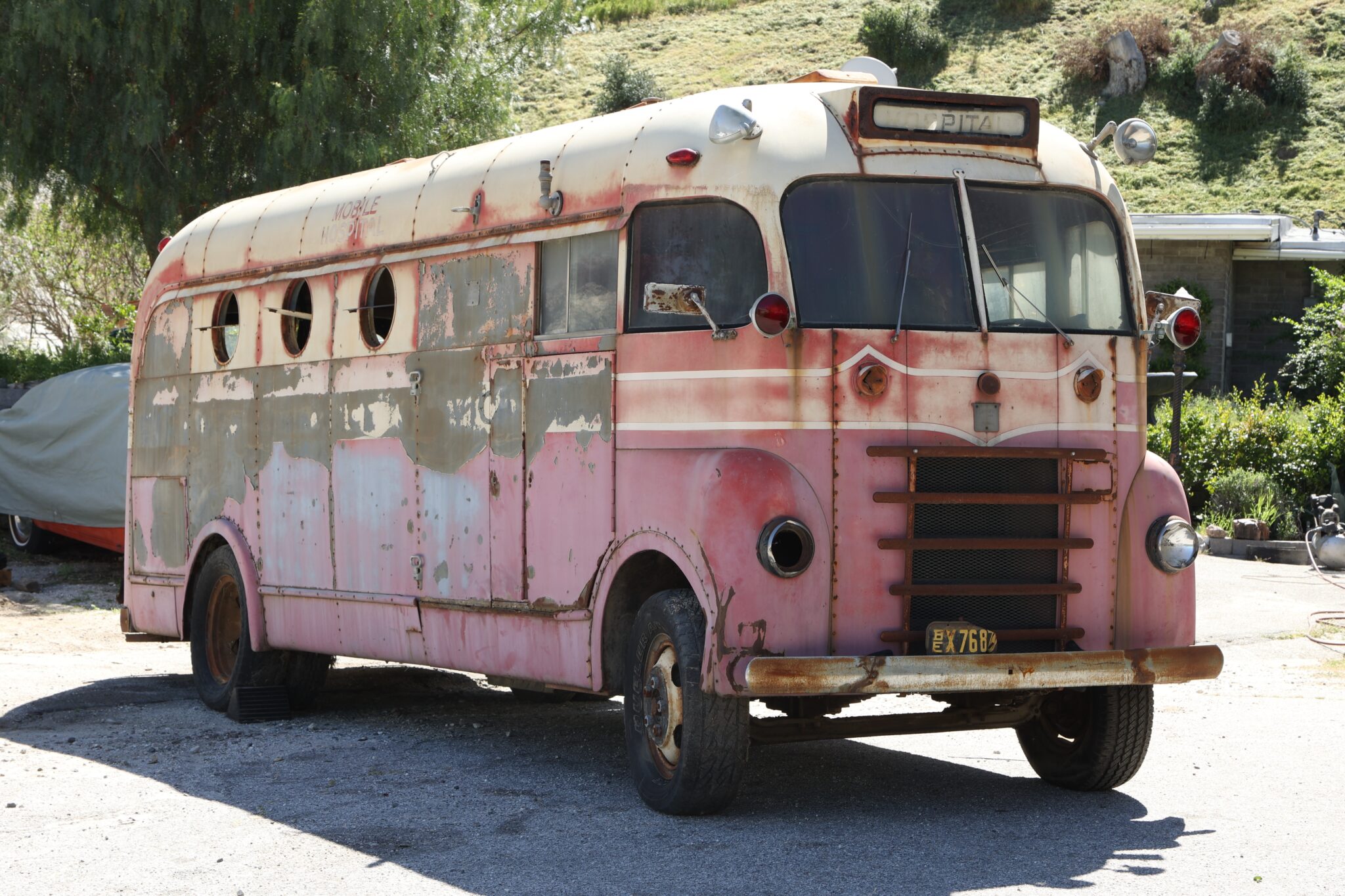
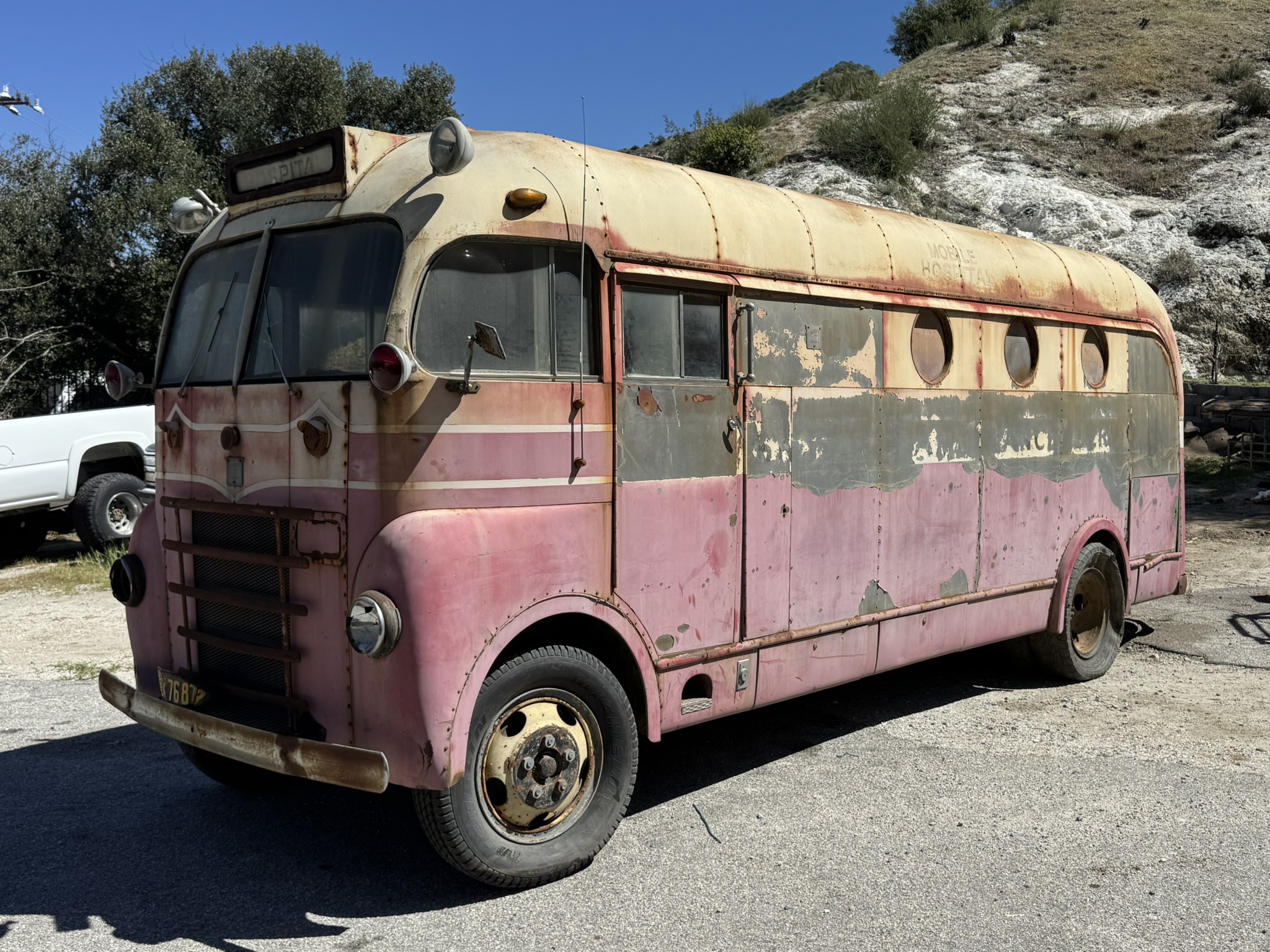
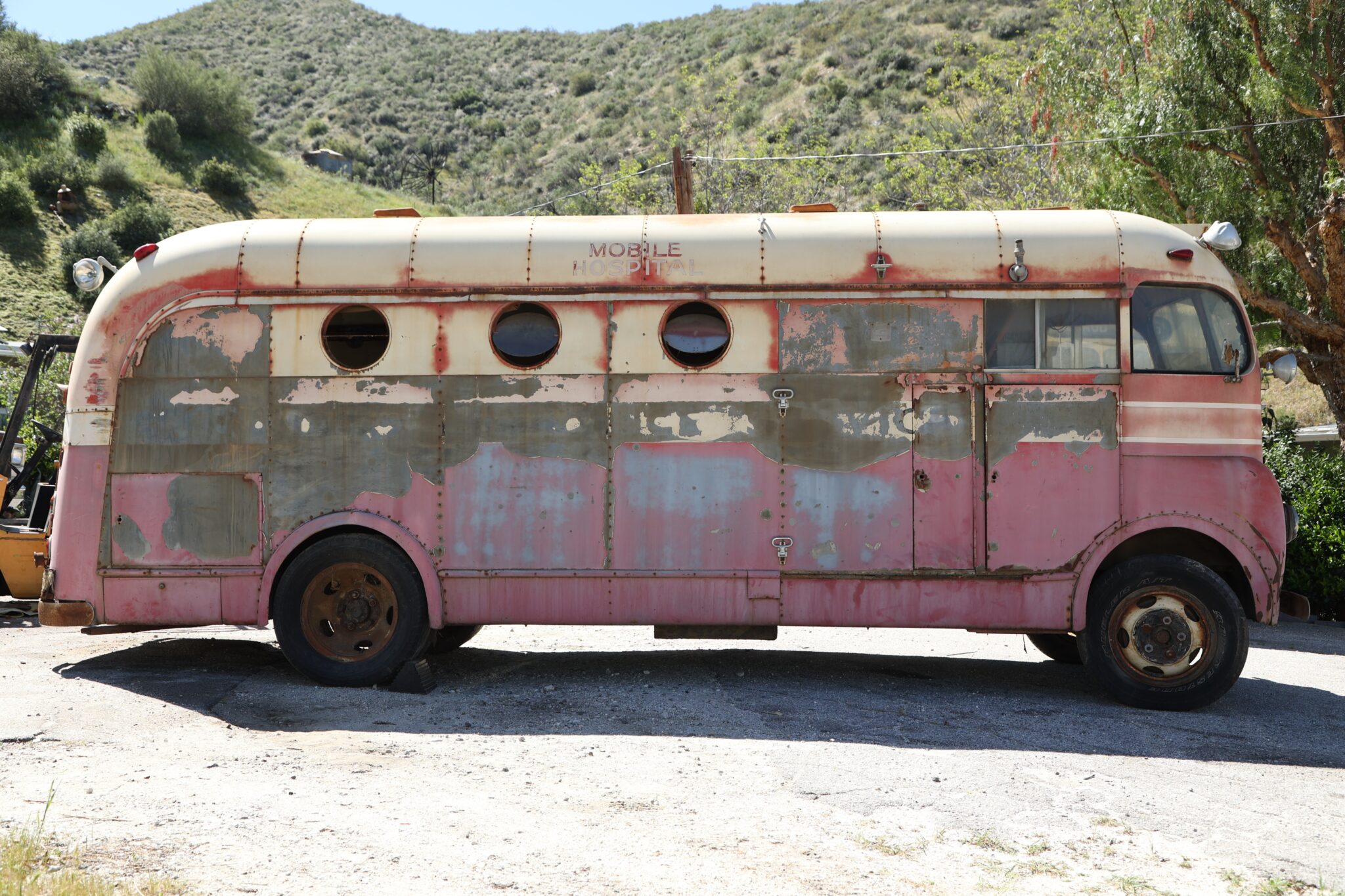
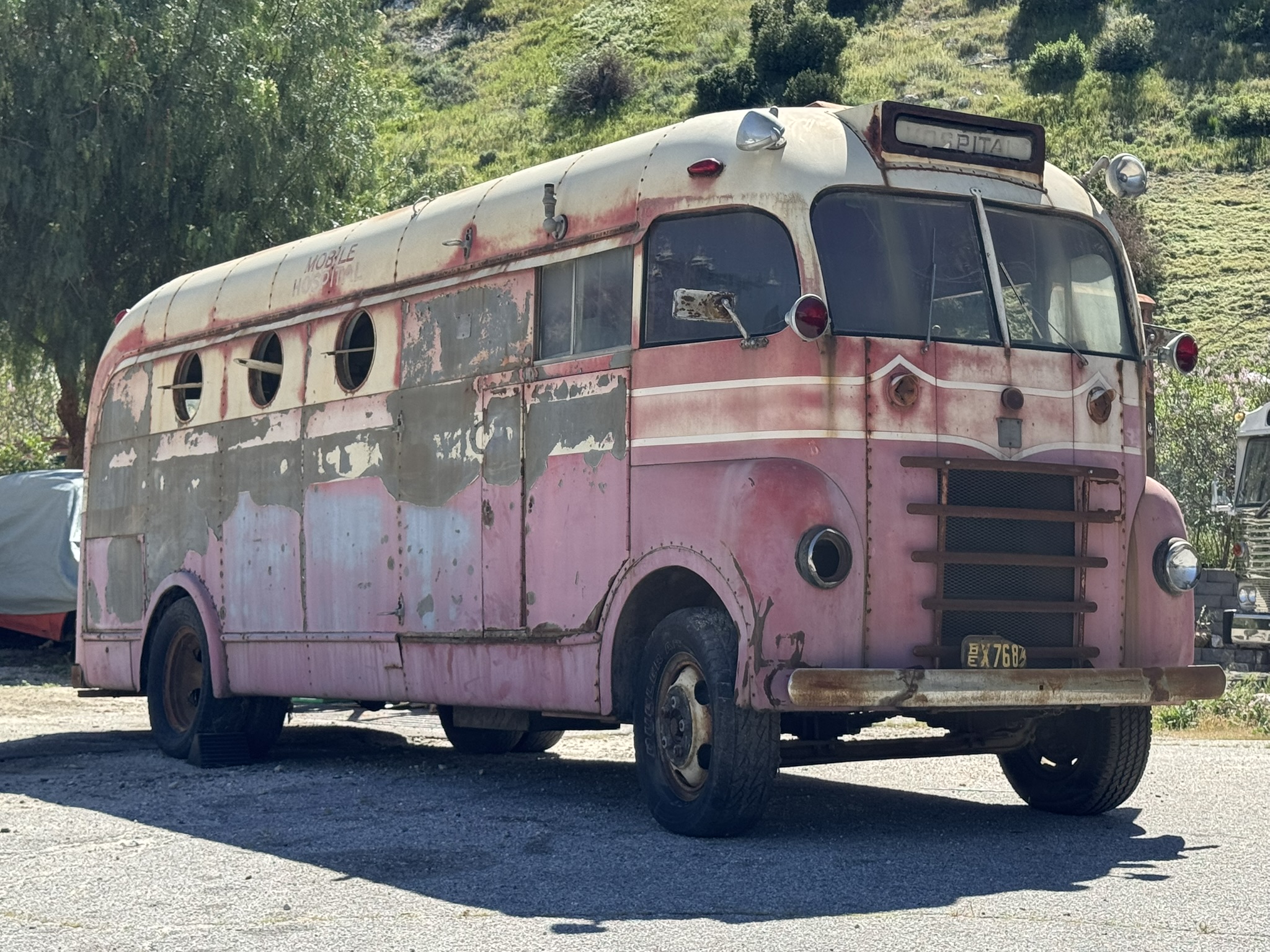
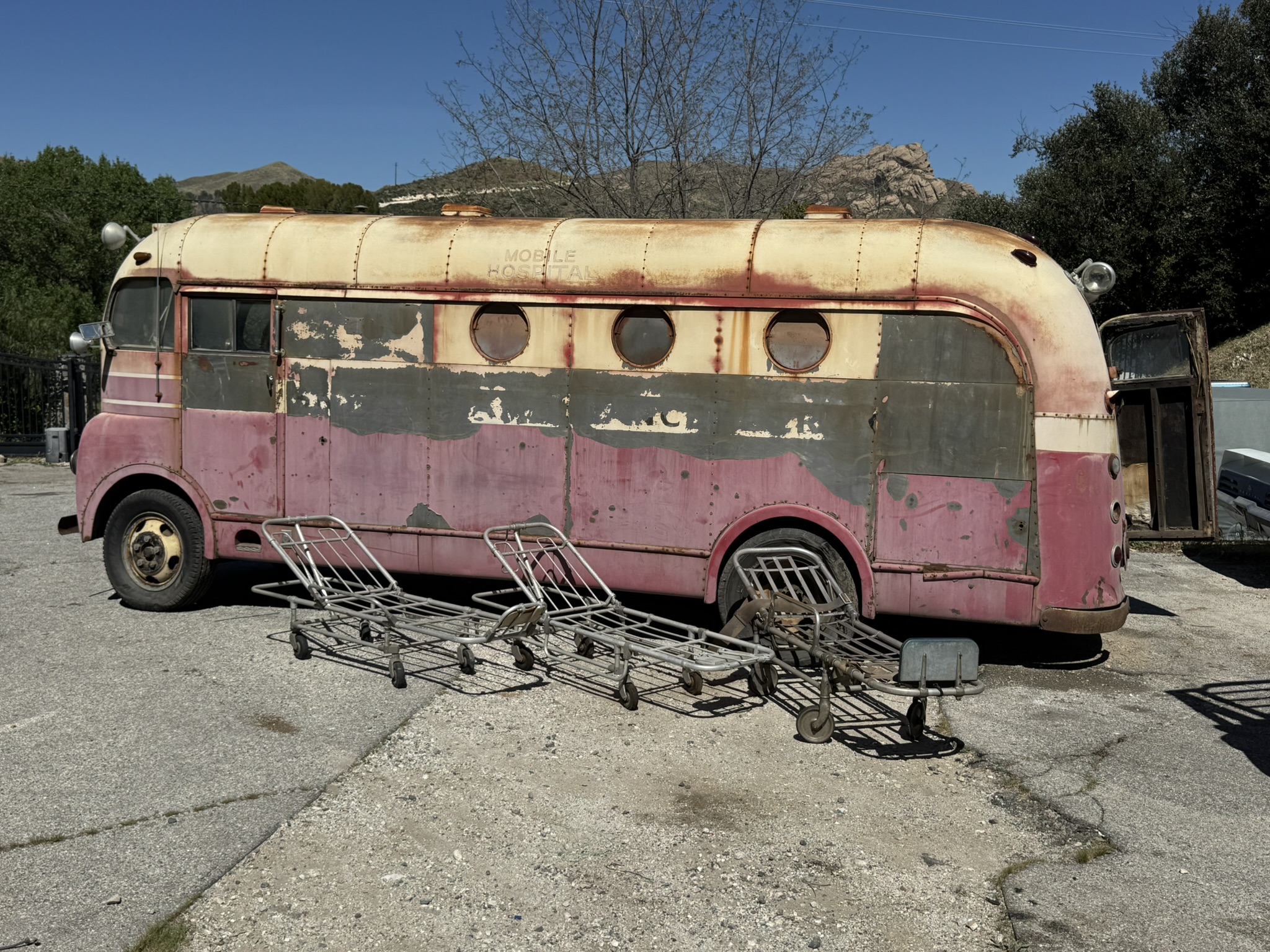
In 1940, a Michigan coachbuilder called Kalamazoo Coaches began producing the Pony Cruiser, a compact 16 to 18 seat transit bus built on a Ford commercial chassis. They built a modest number of these coaches through the war years, filling a niche for community and civilian transport while the major manufacturers focused on military production. Kalamazoo Coaches became Unifab Corporation in September 1951 and still exists today as a metal fabricator in Portage, MI. Among the Pony Cruisers produced, only three were converted into fully equipped mobile hospitals, designated by the factory as Catastrophe Units, rolling emergency rooms designed for mass casualty events including air raids, industrial disasters, and battlefield-adjacent triage. Of those three, two have been confirmed destroyed. What you see here is the sole survivor, the last Catastrophe Unit on earth.
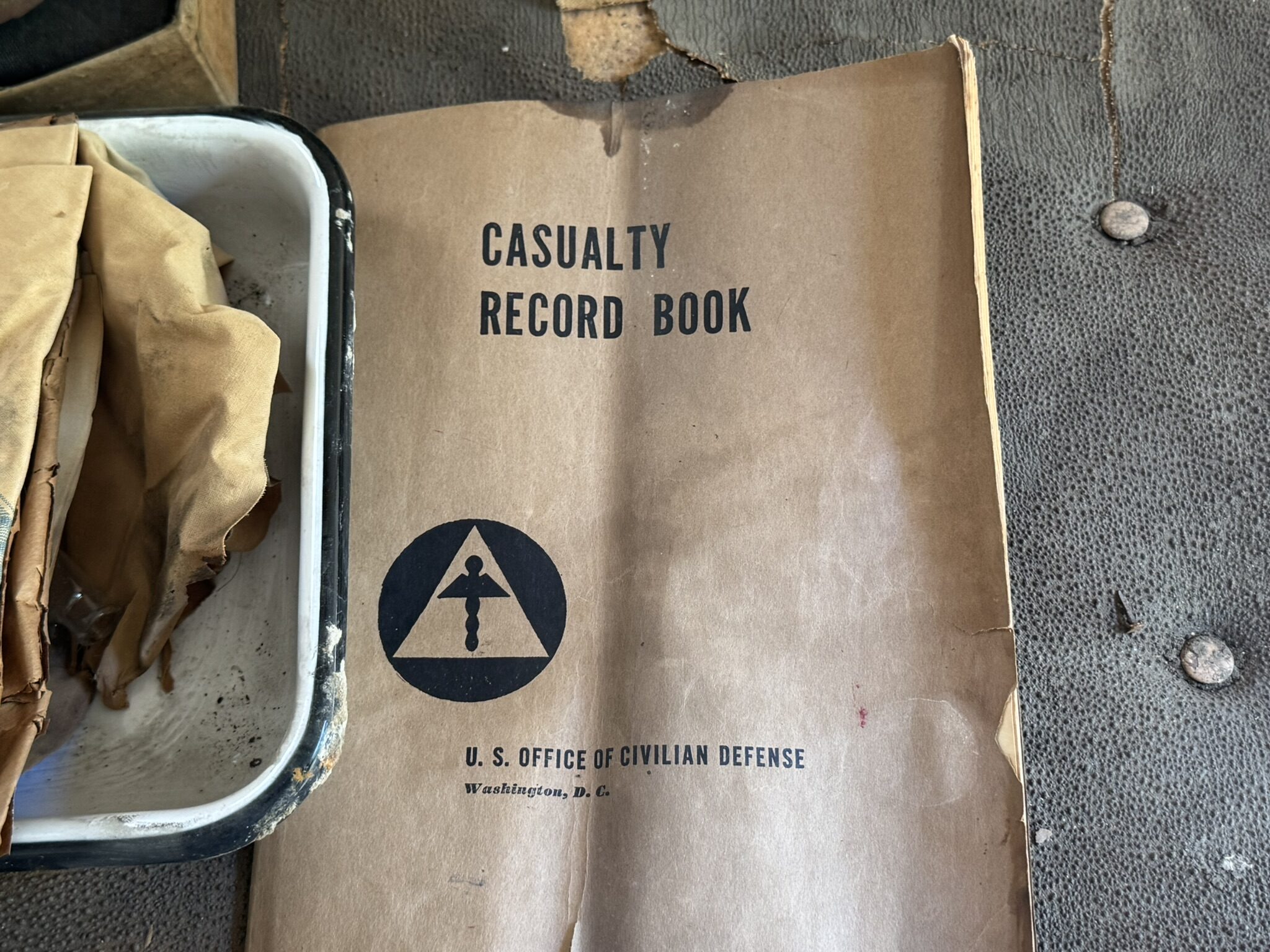
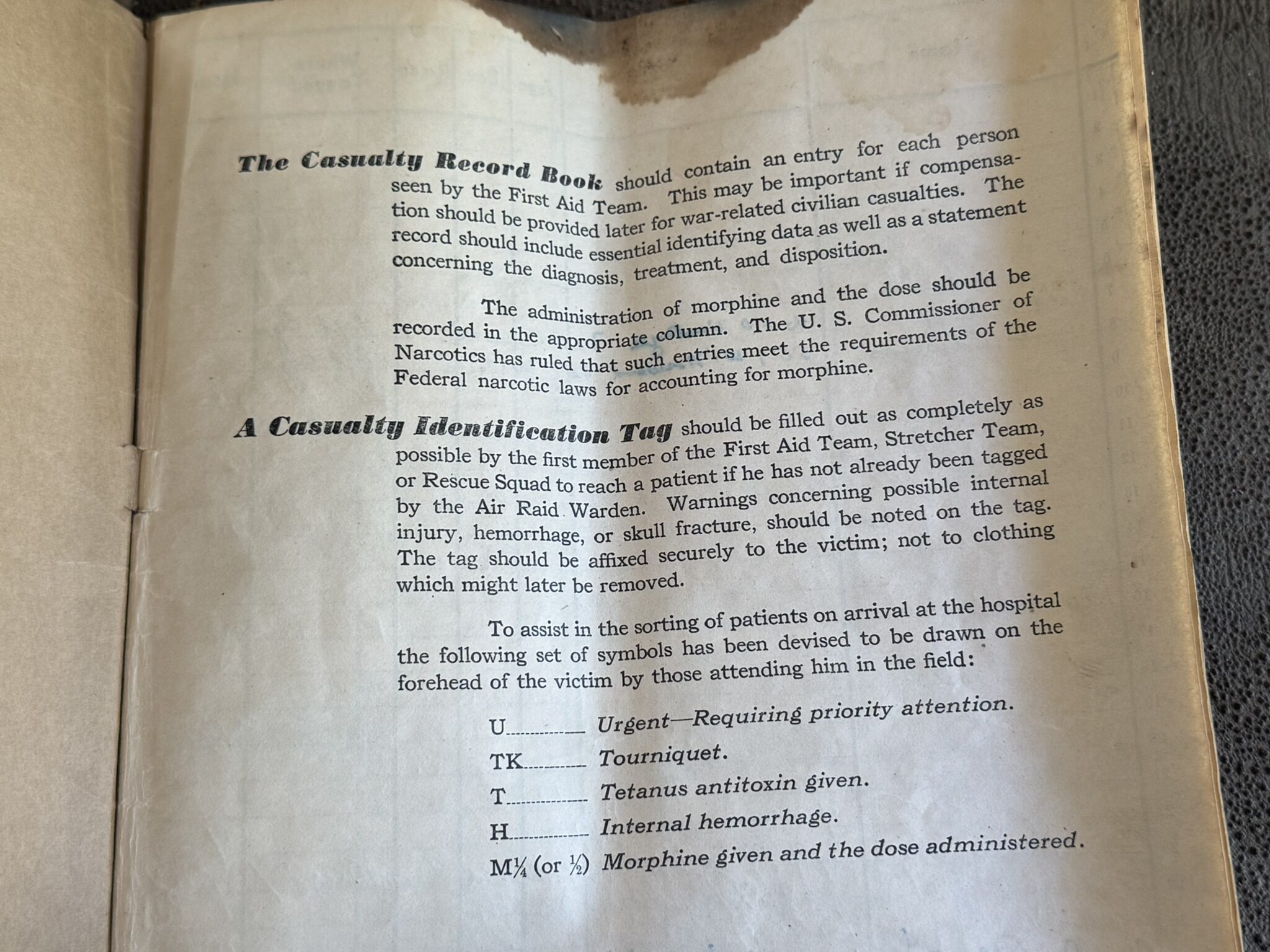
The casualty record book found inside, issued by the U.S. Office of Civilian Defense, Washington D.C., logs patients from 1946 through 1951, with entries referencing the Rose Bowl in Pasadena as a staging or treatment location. The OCD was a federal wartime agency created by FDR in 1941 to coordinate civilian protection against attack on American soil. Although the agency officially closed June 30, 1945, its vehicles and infrastructure remained in use by state and local agencies through the postwar years. Southern California in 1946 was flooded with returning veterans overwhelming civilian medical infrastructure, and the Rose Bowl, a massive open venue capable of staging thousands, was a logical large-scale triage and treatment site. This Catastrophe Unit, self-contained and self-powered, was exactly the right tool for that job.
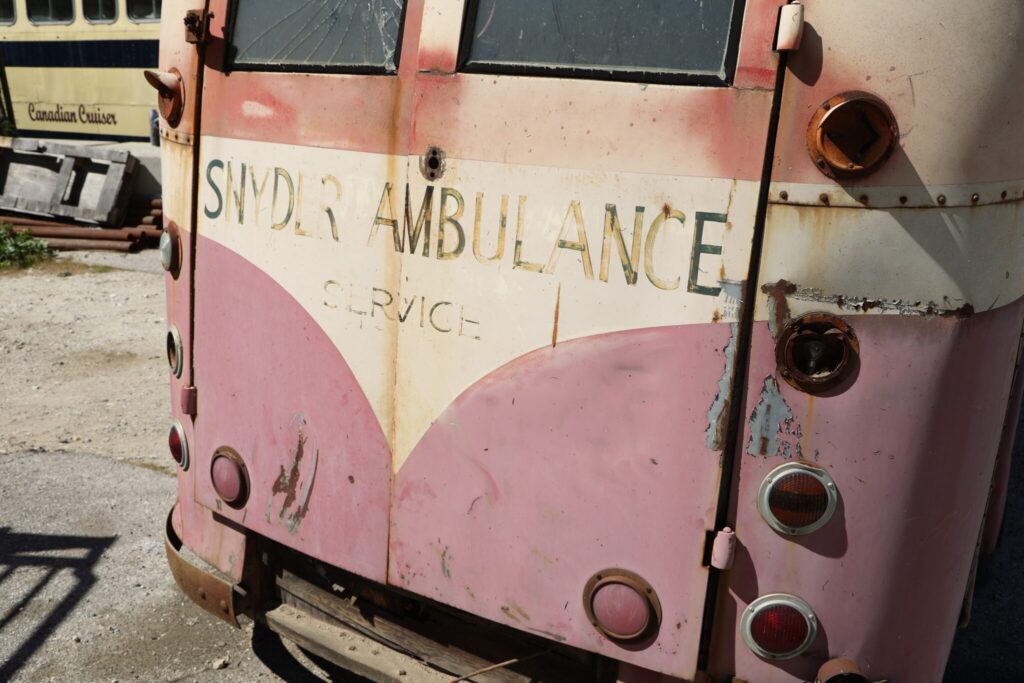
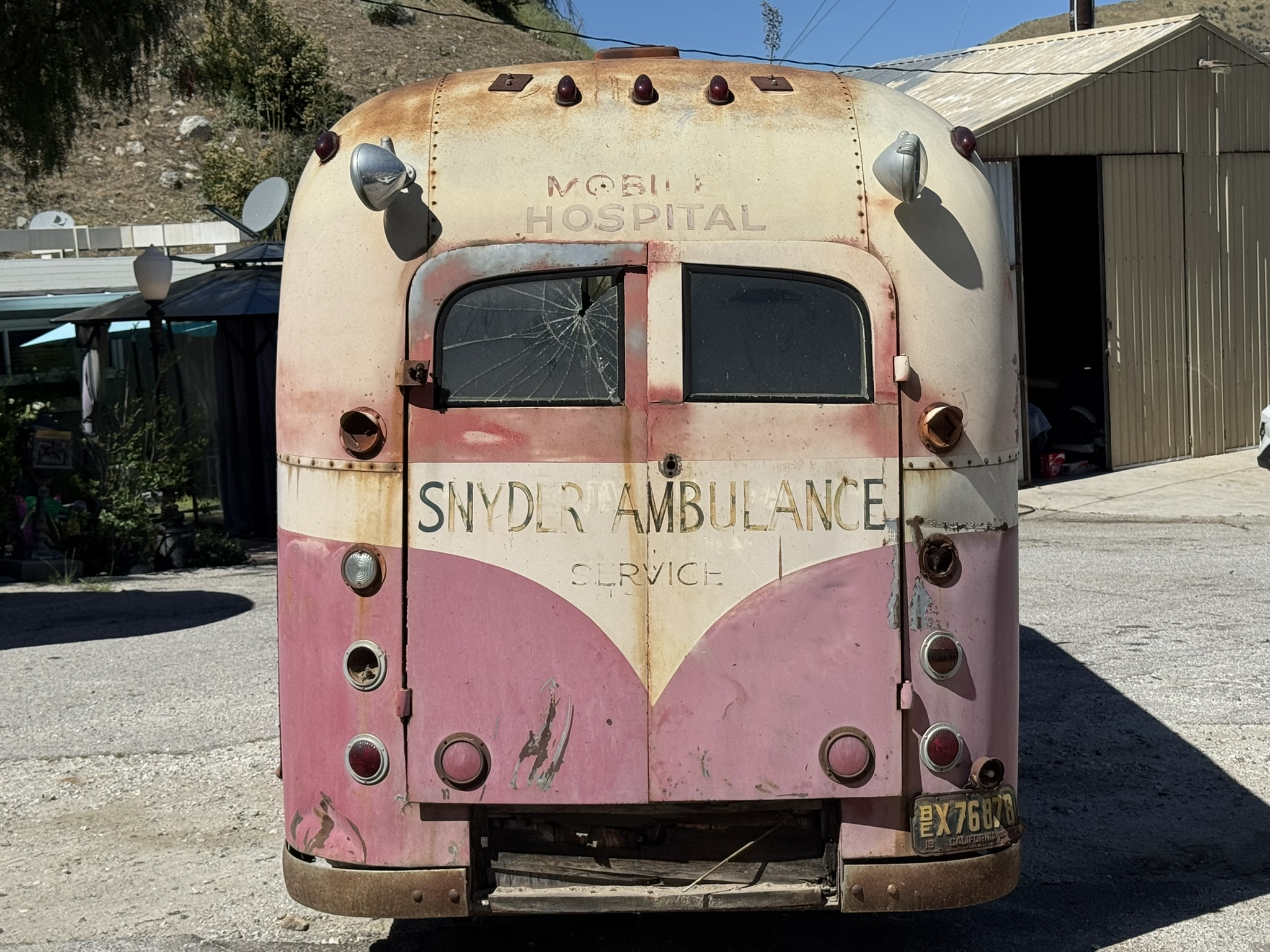
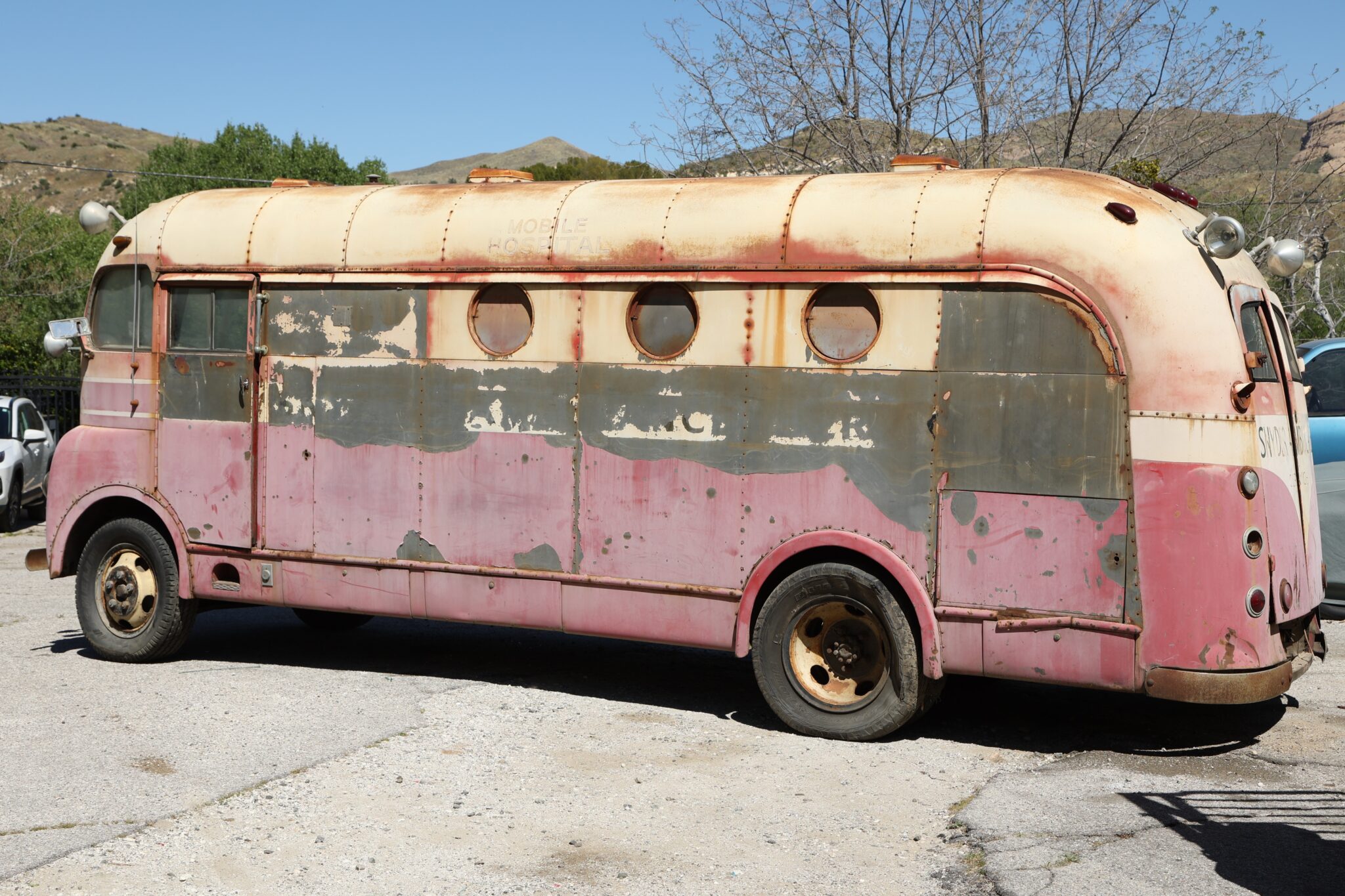
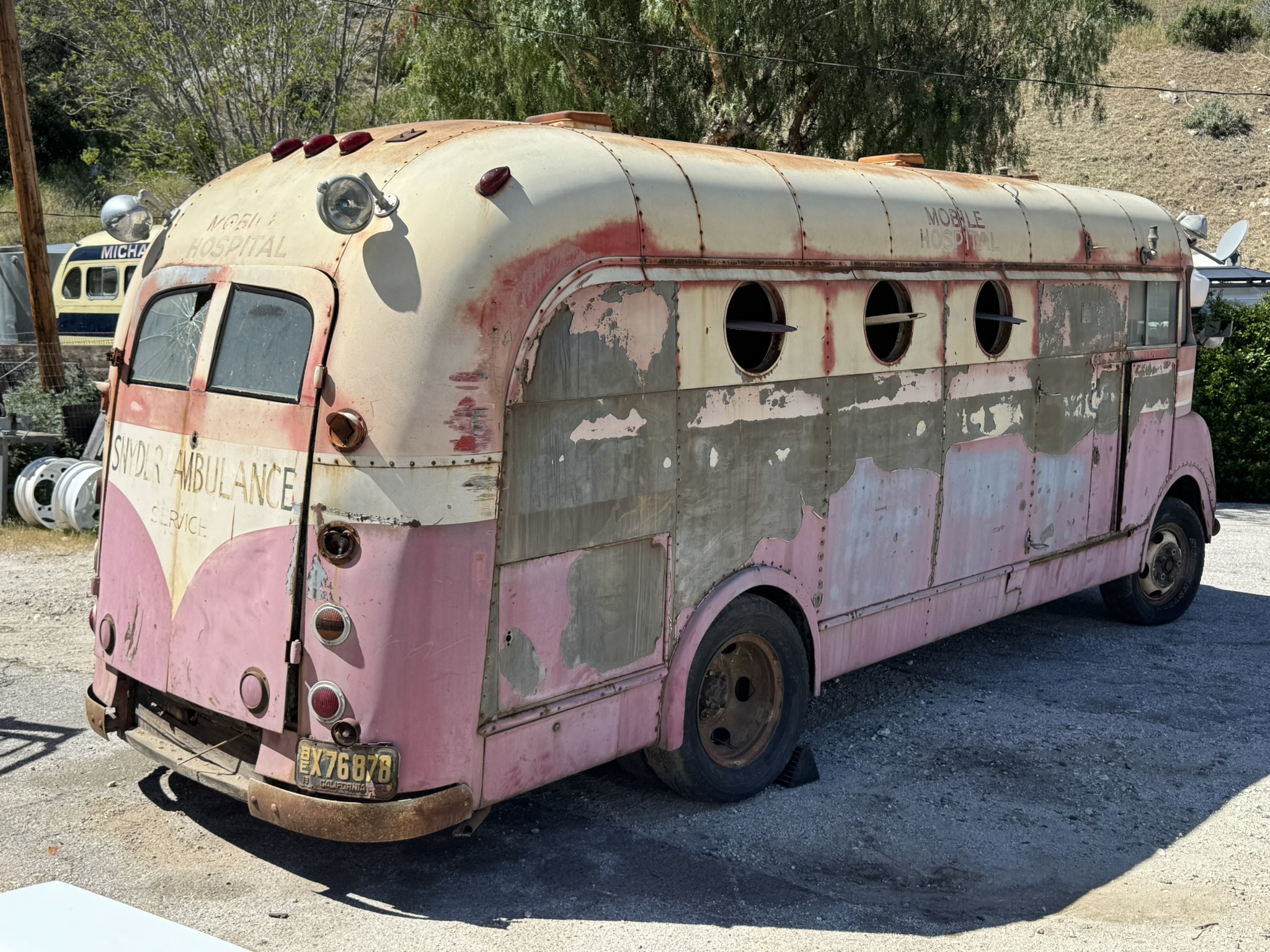
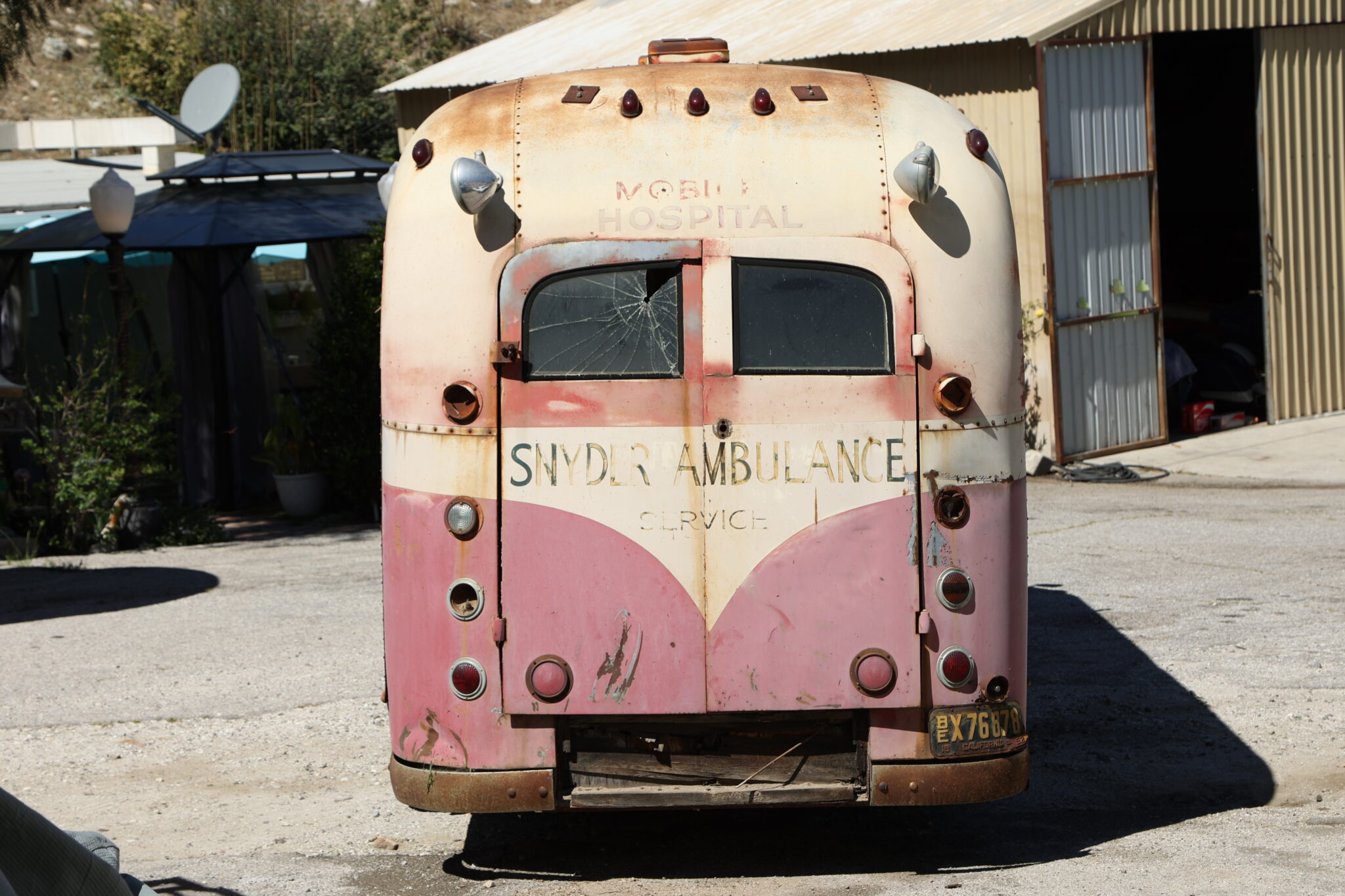
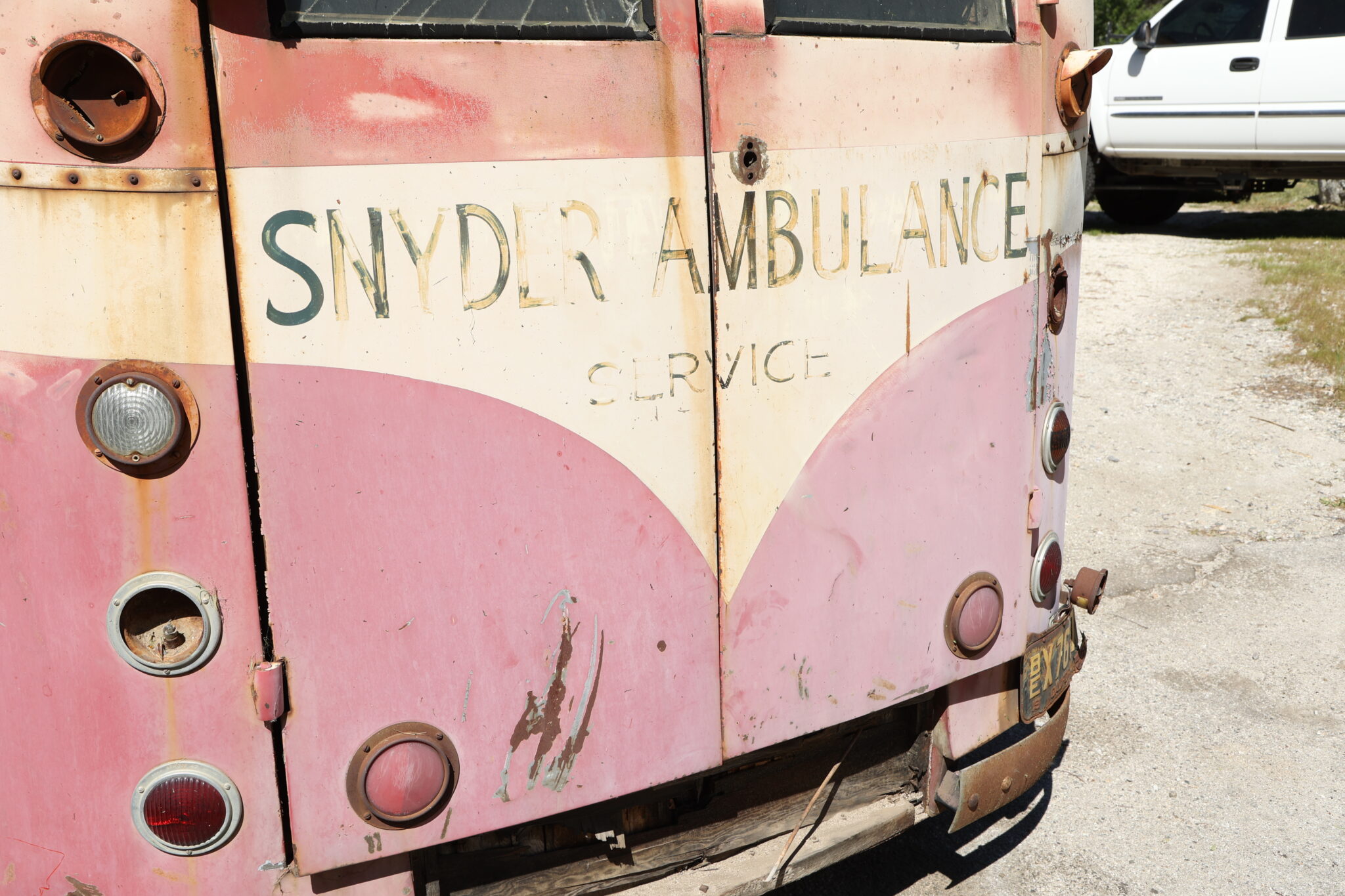
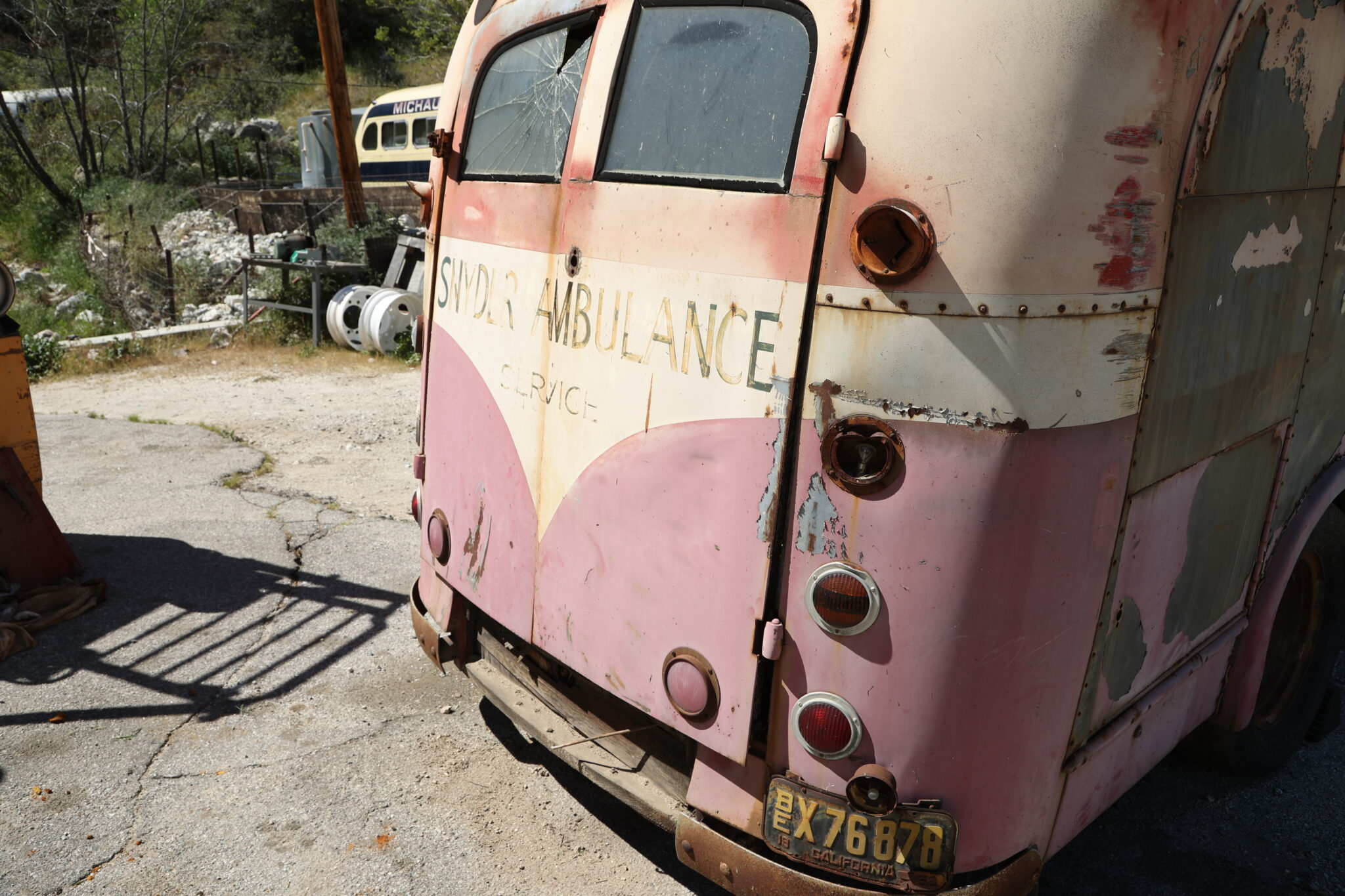
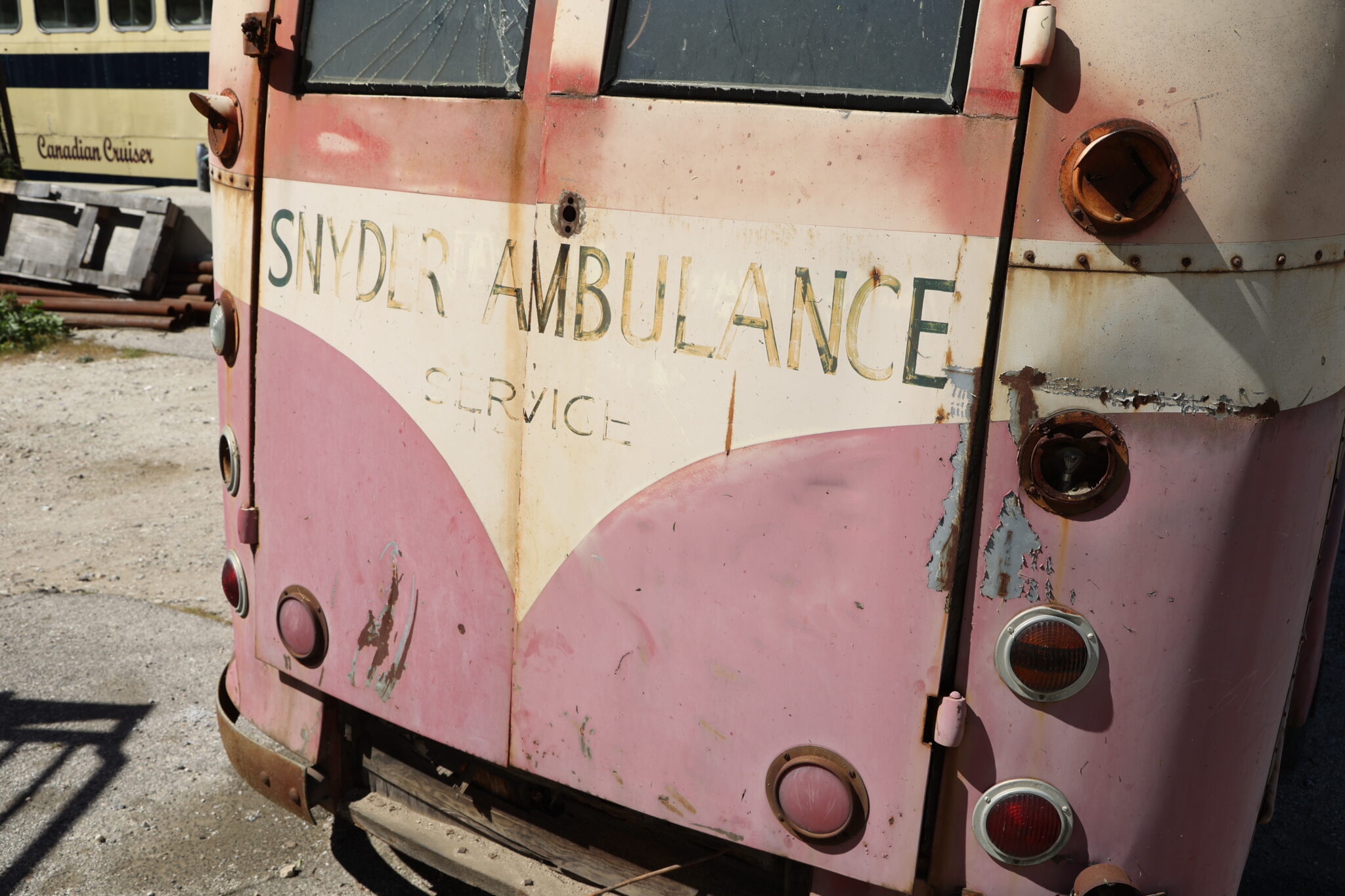
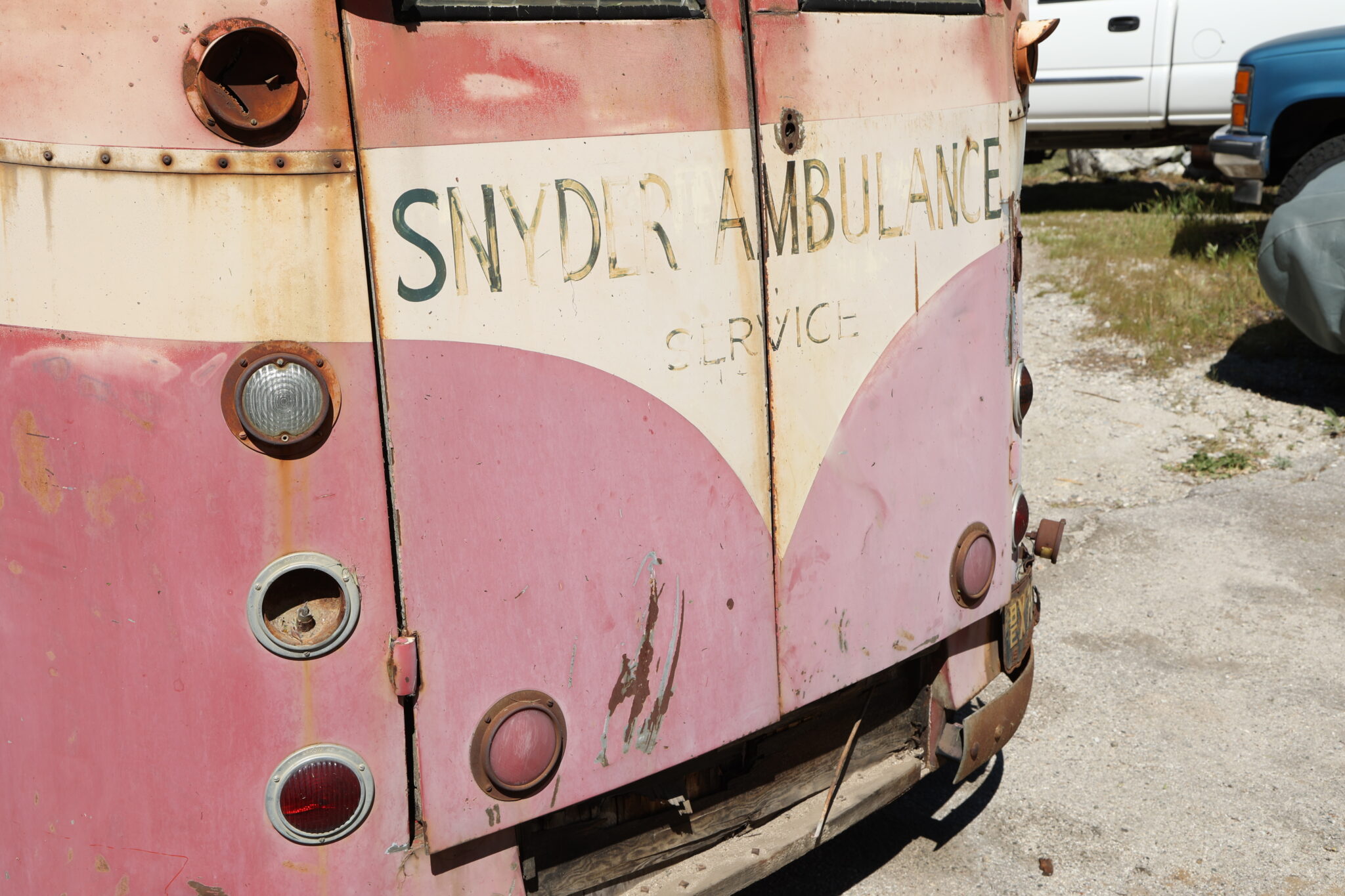
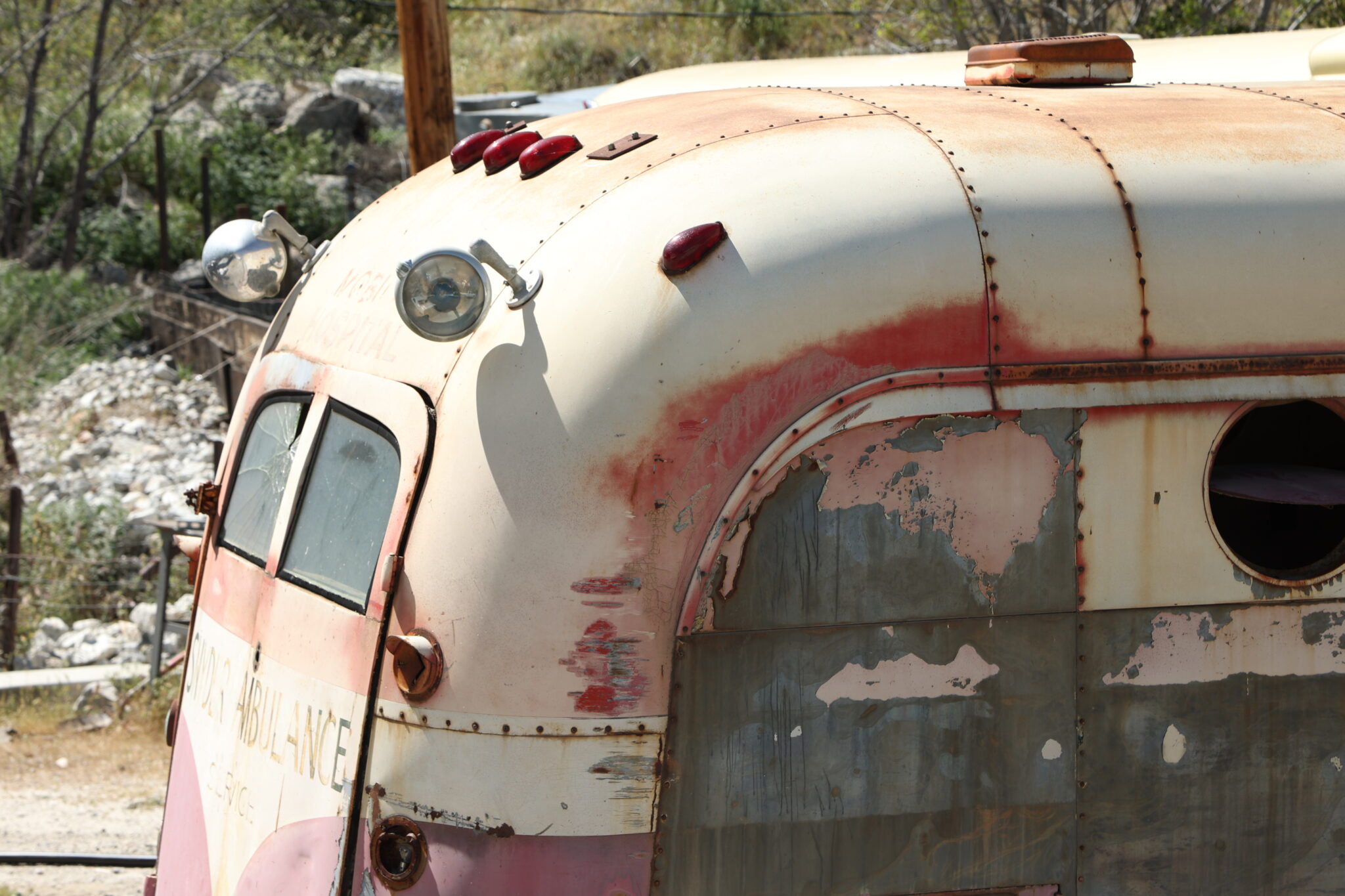
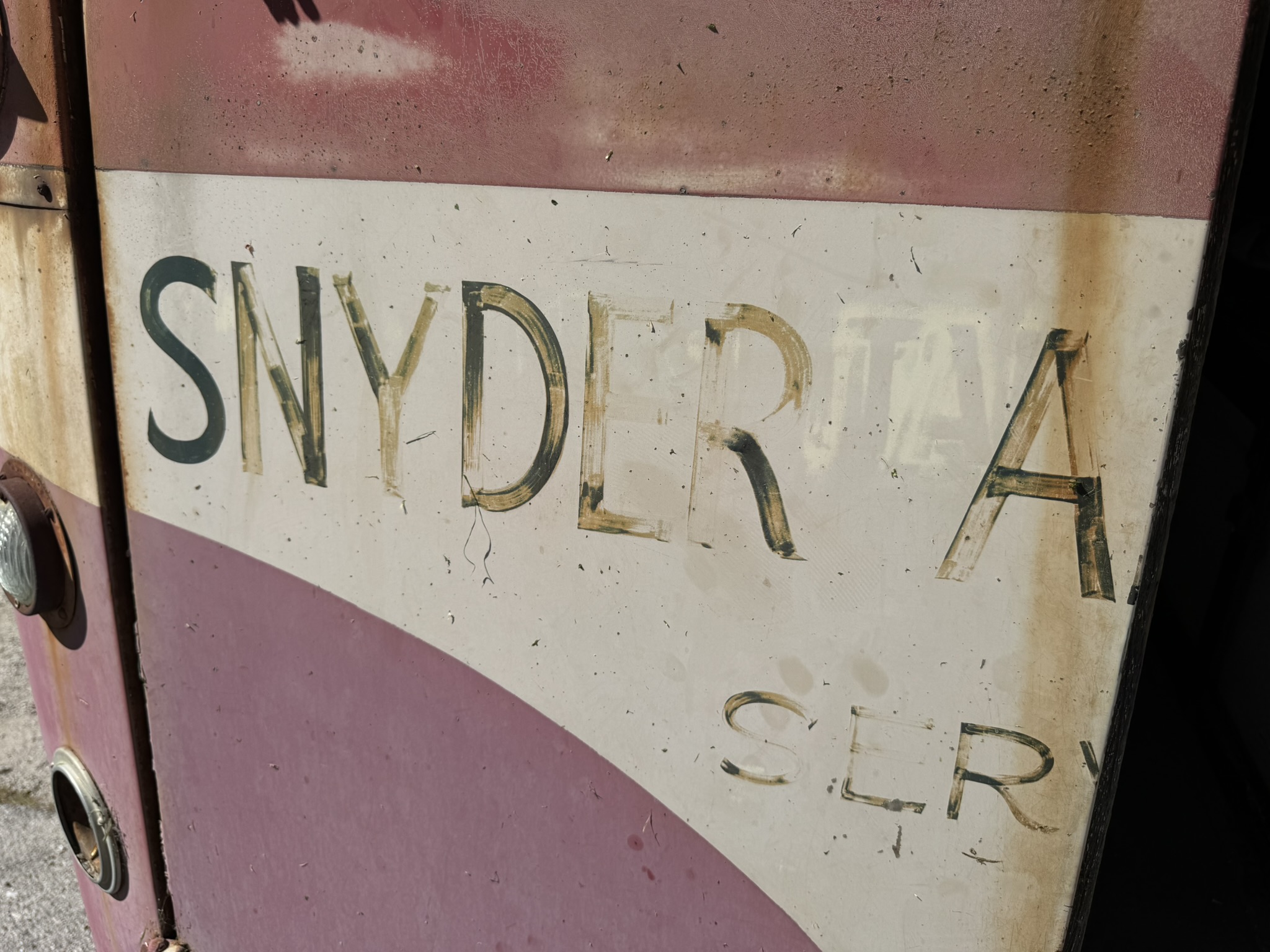
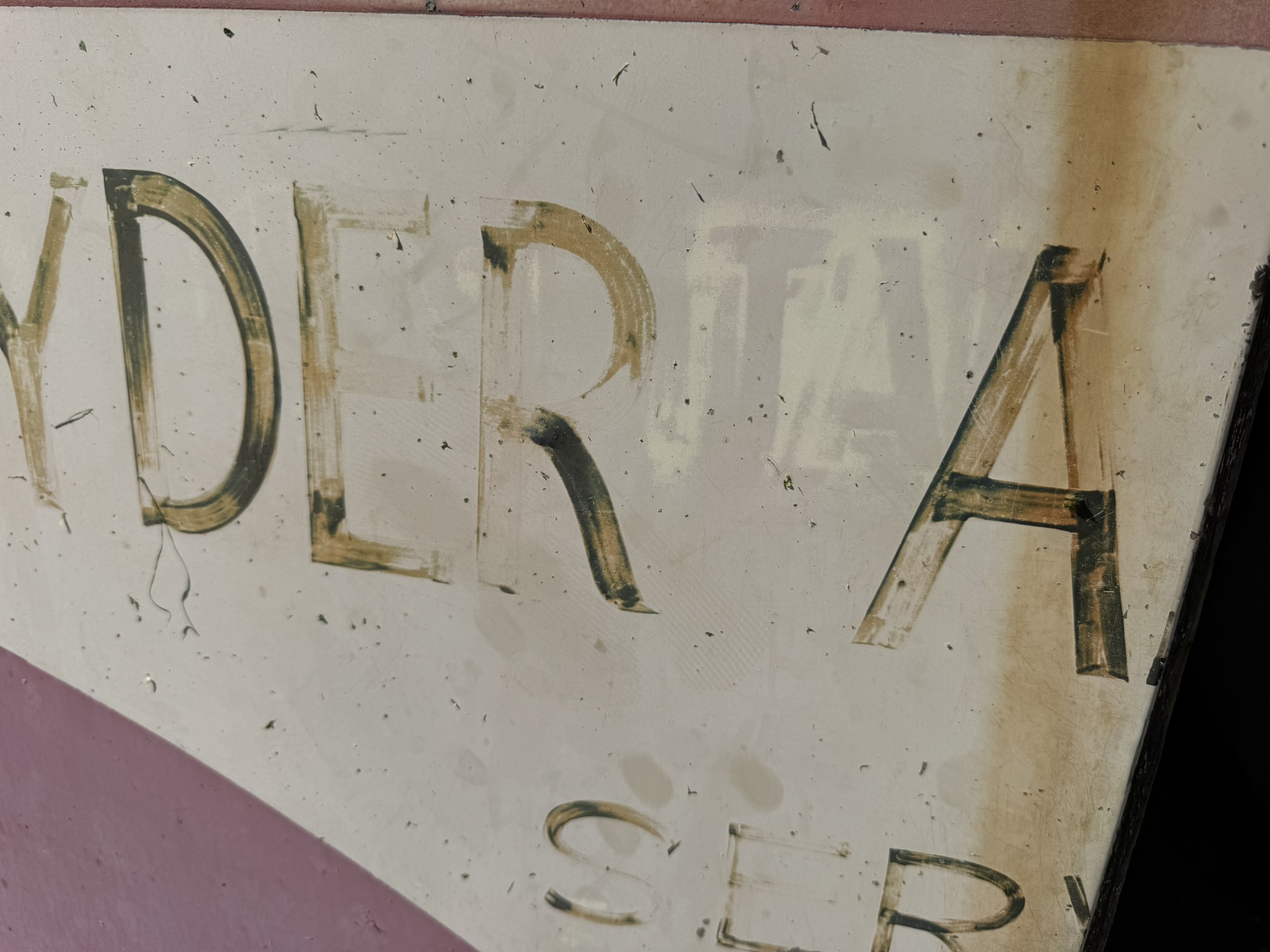
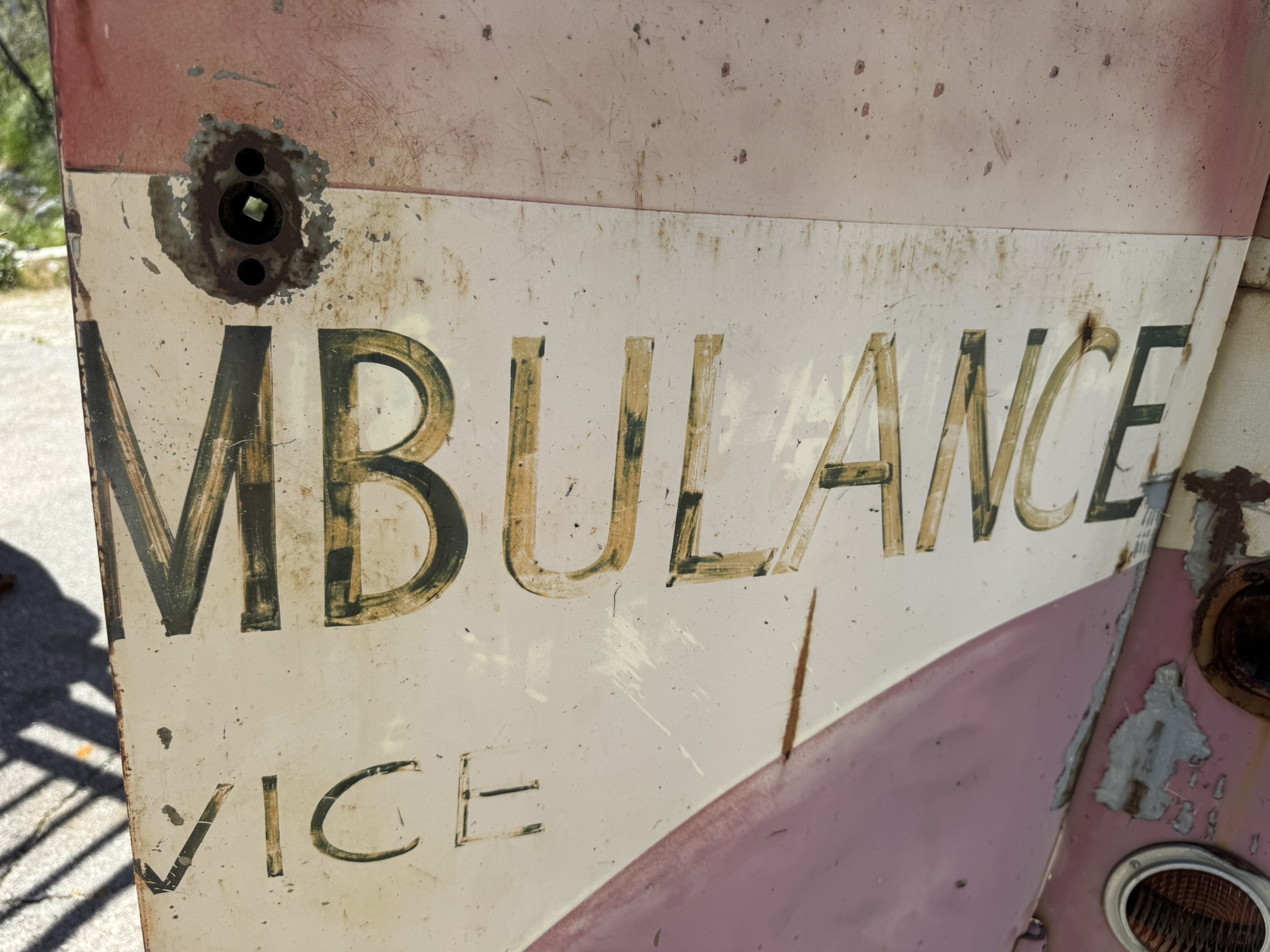
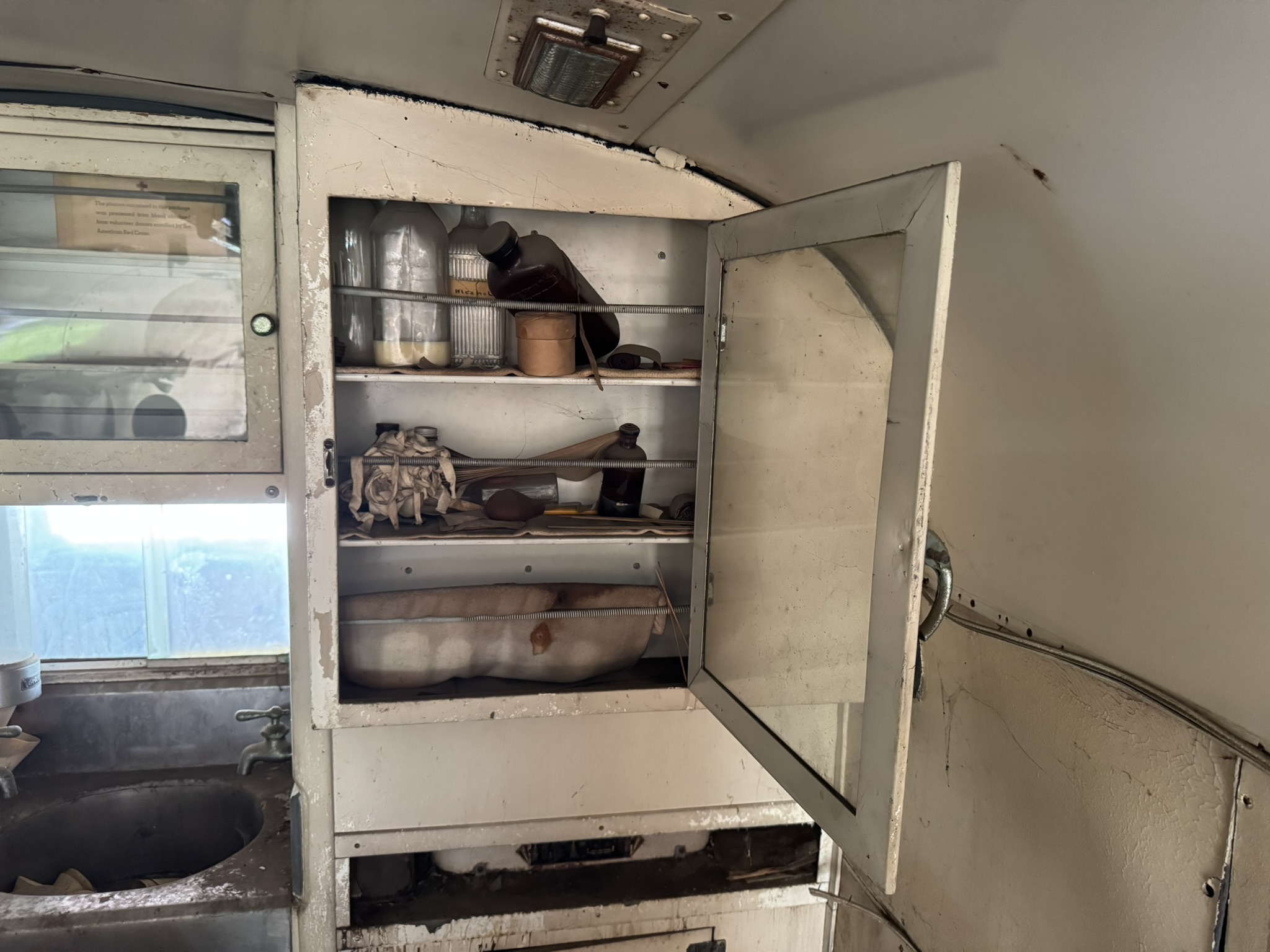
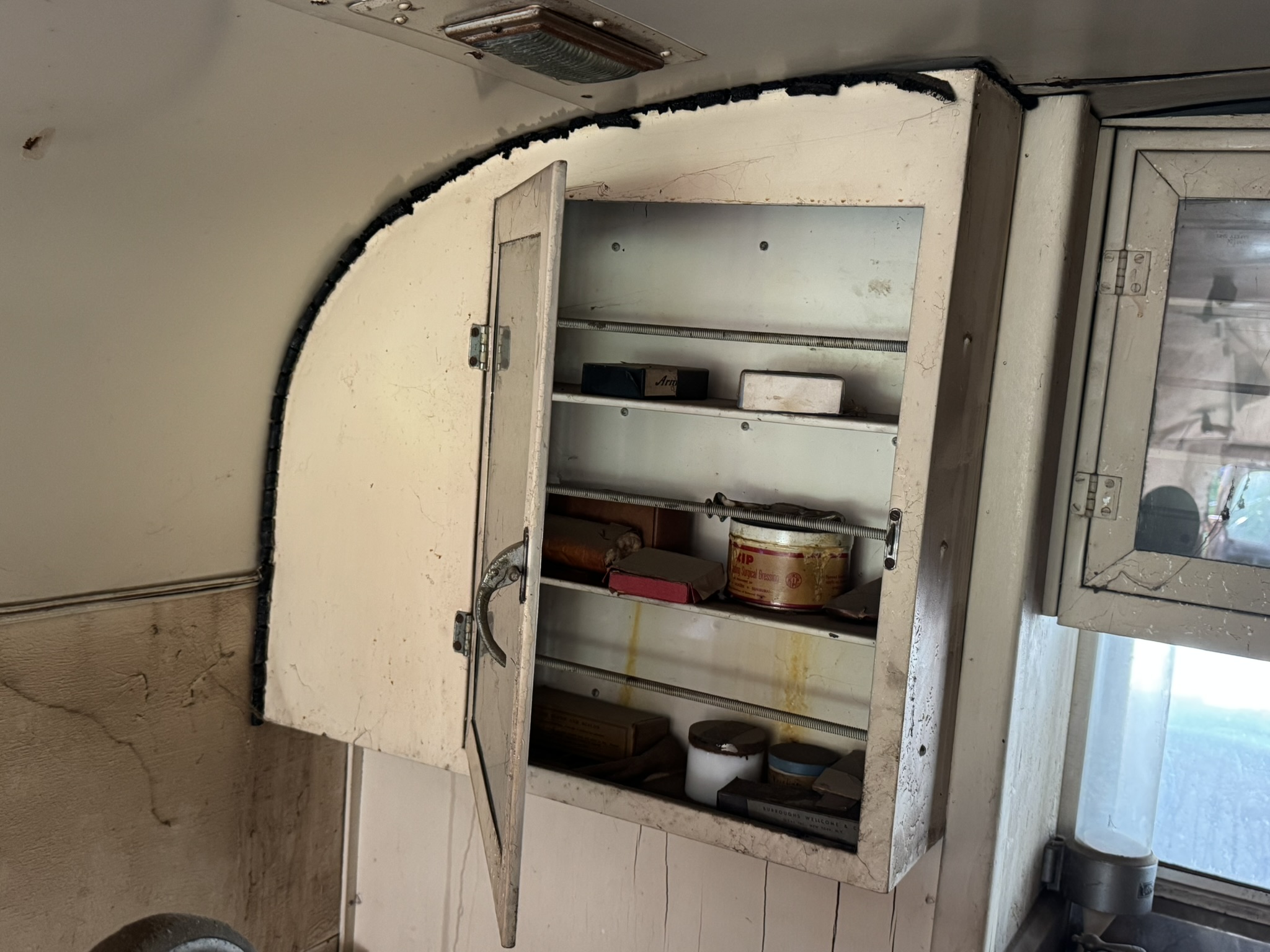
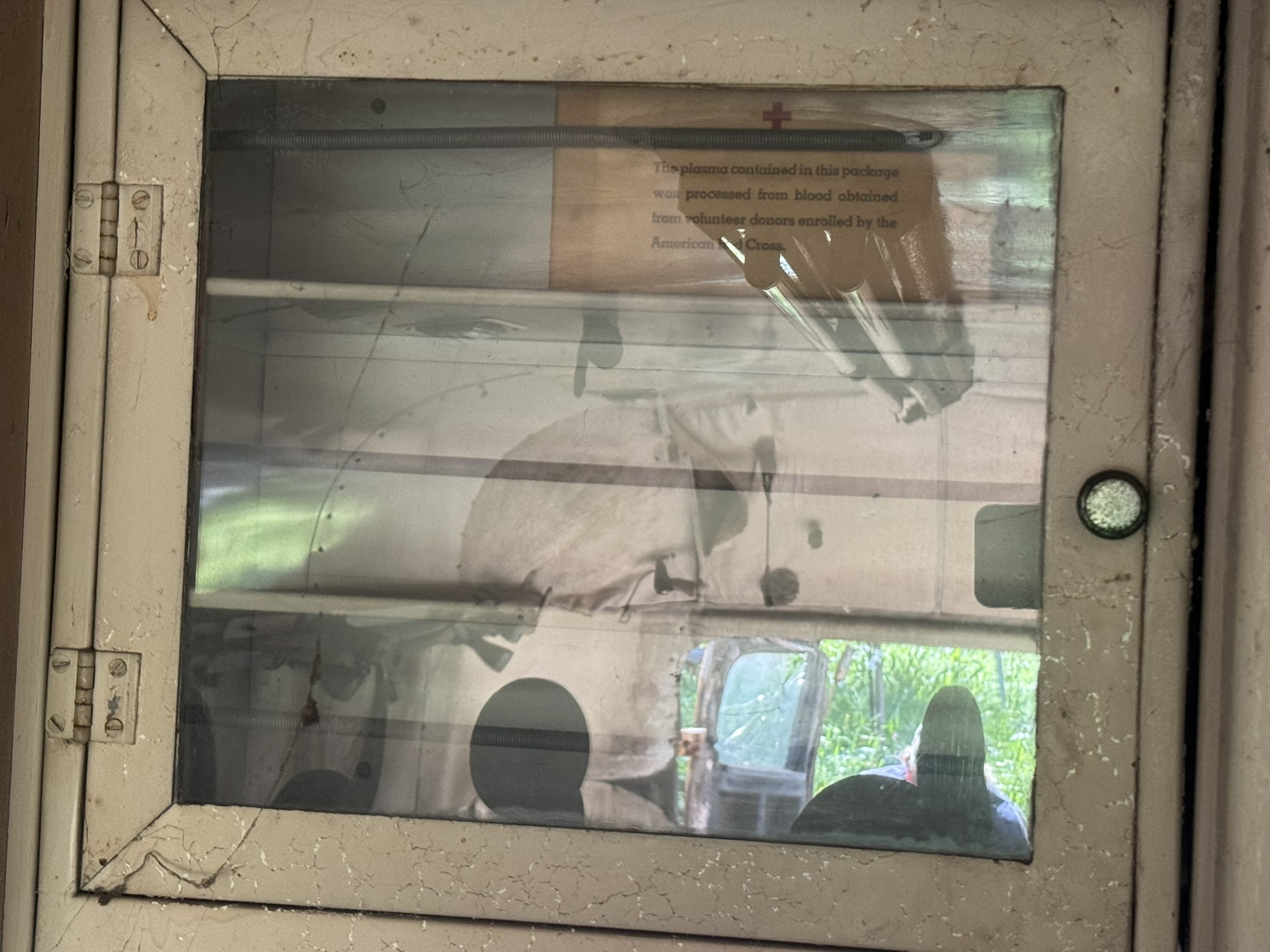
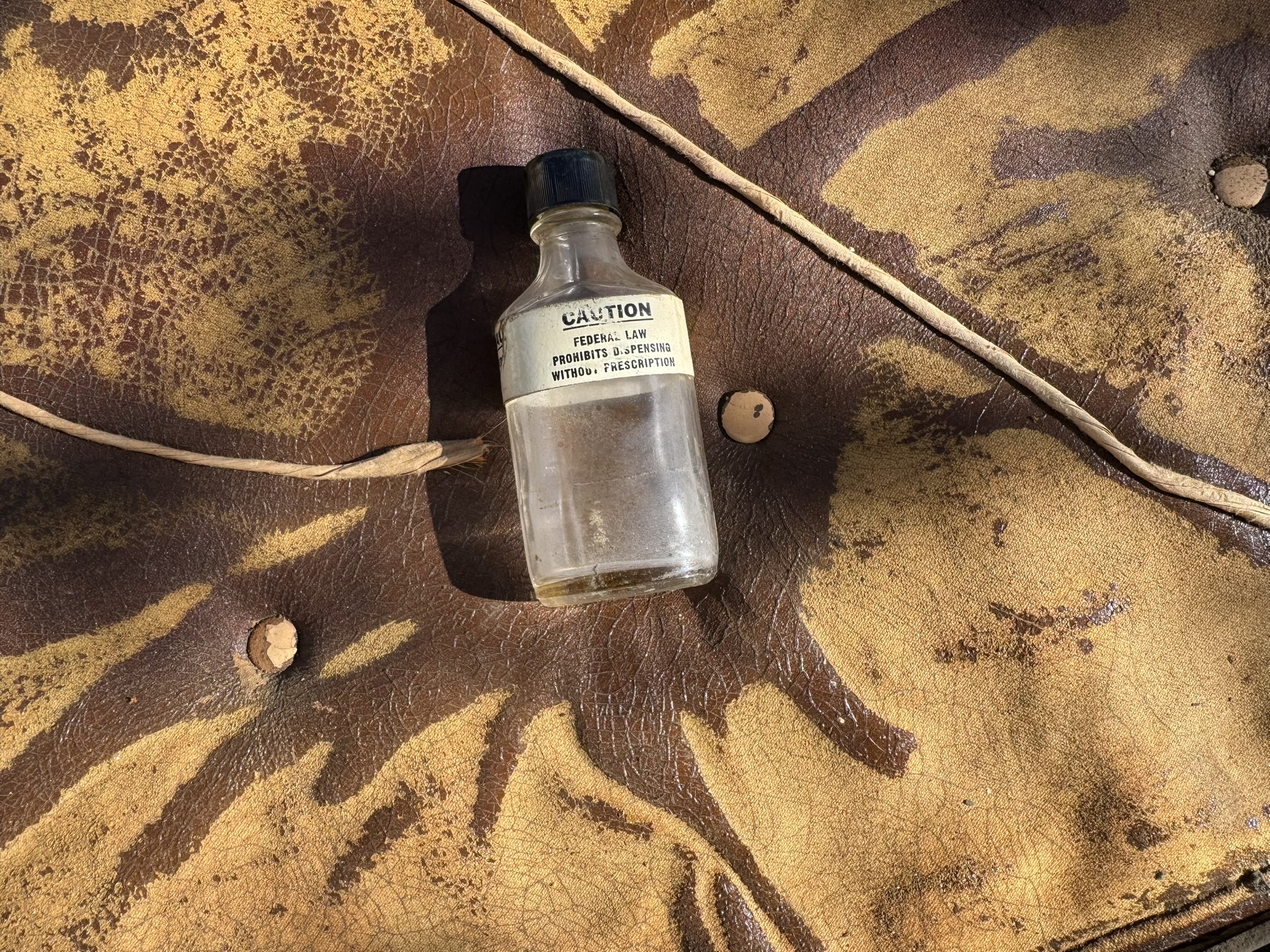
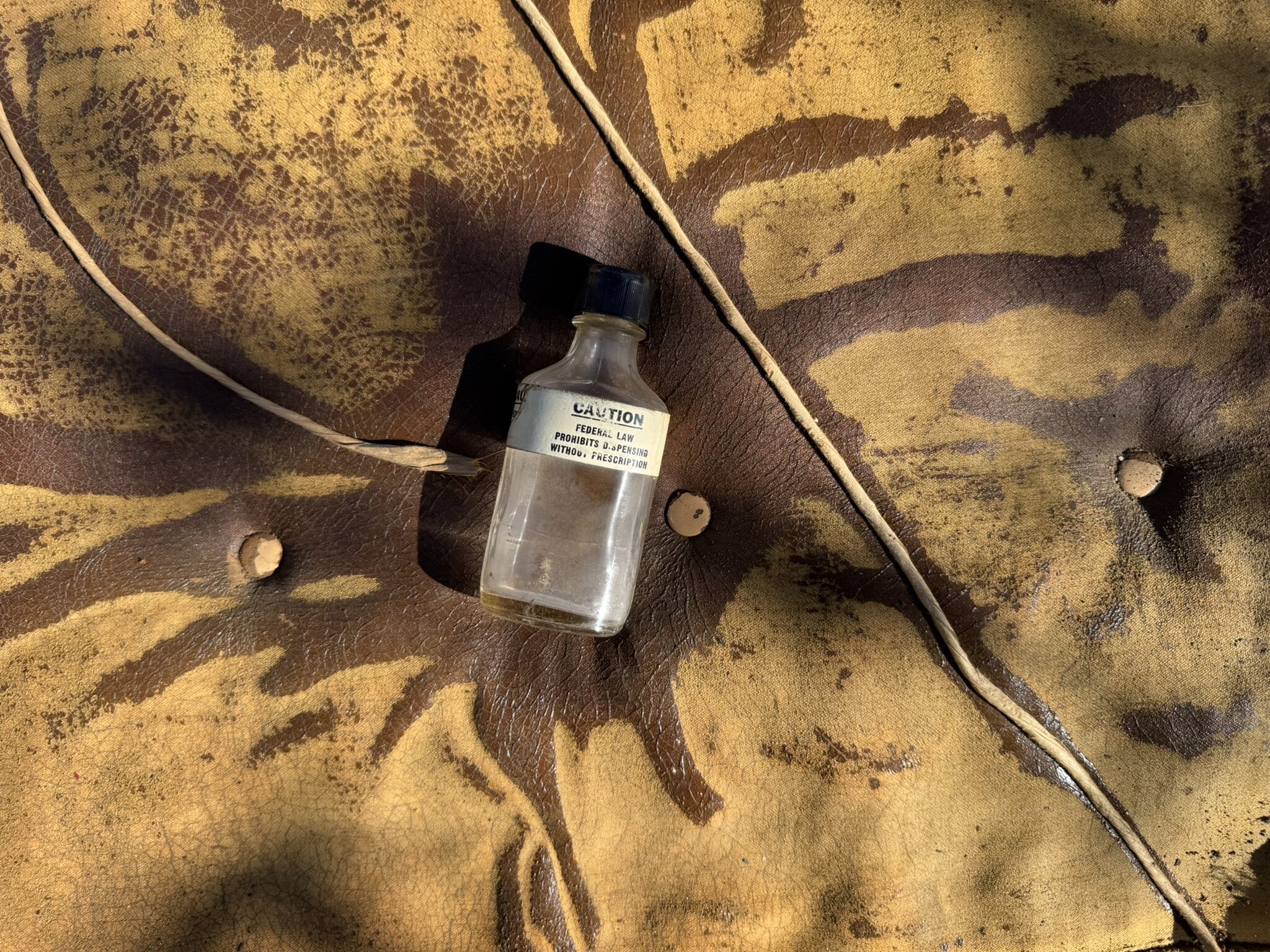
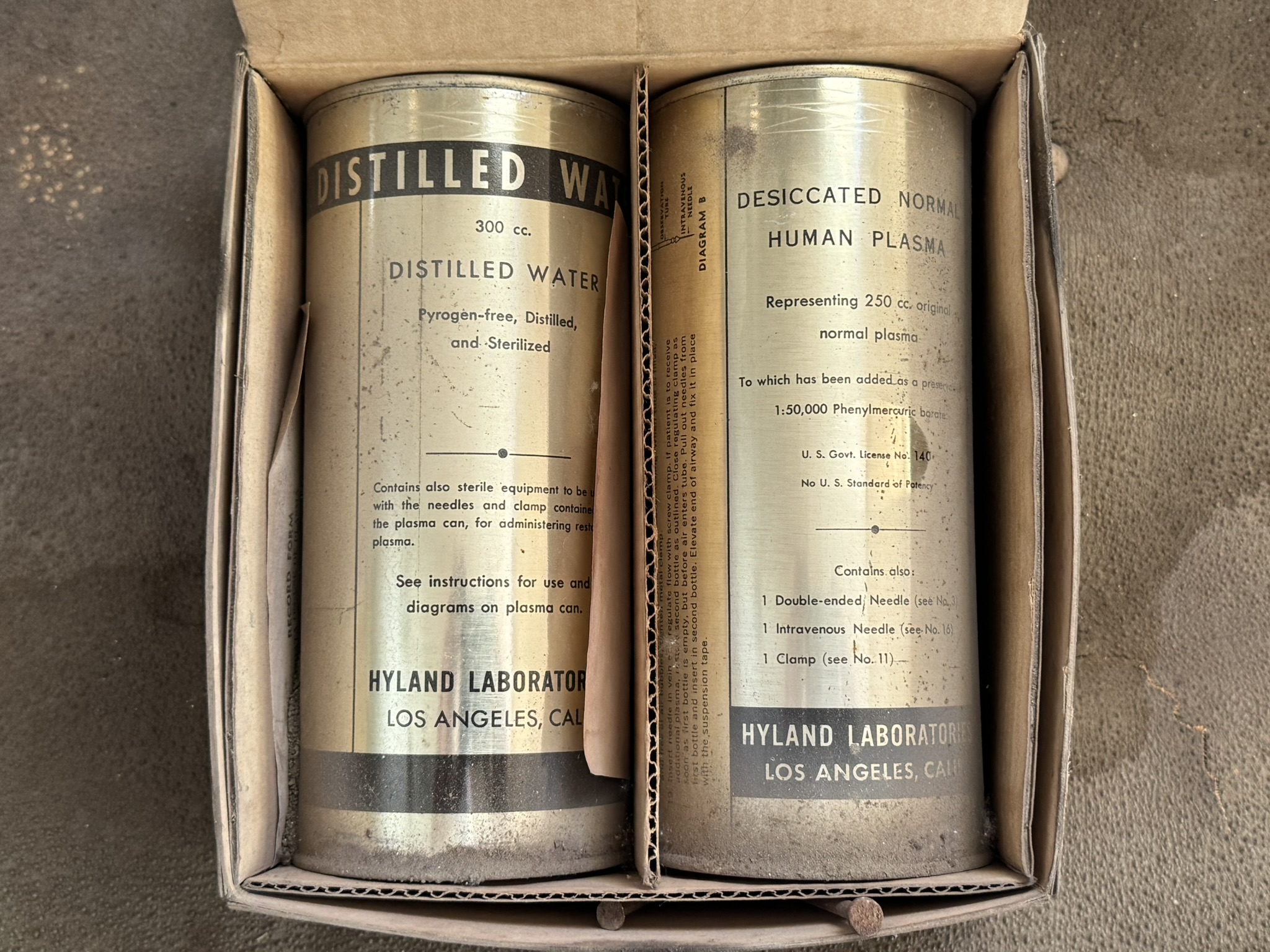
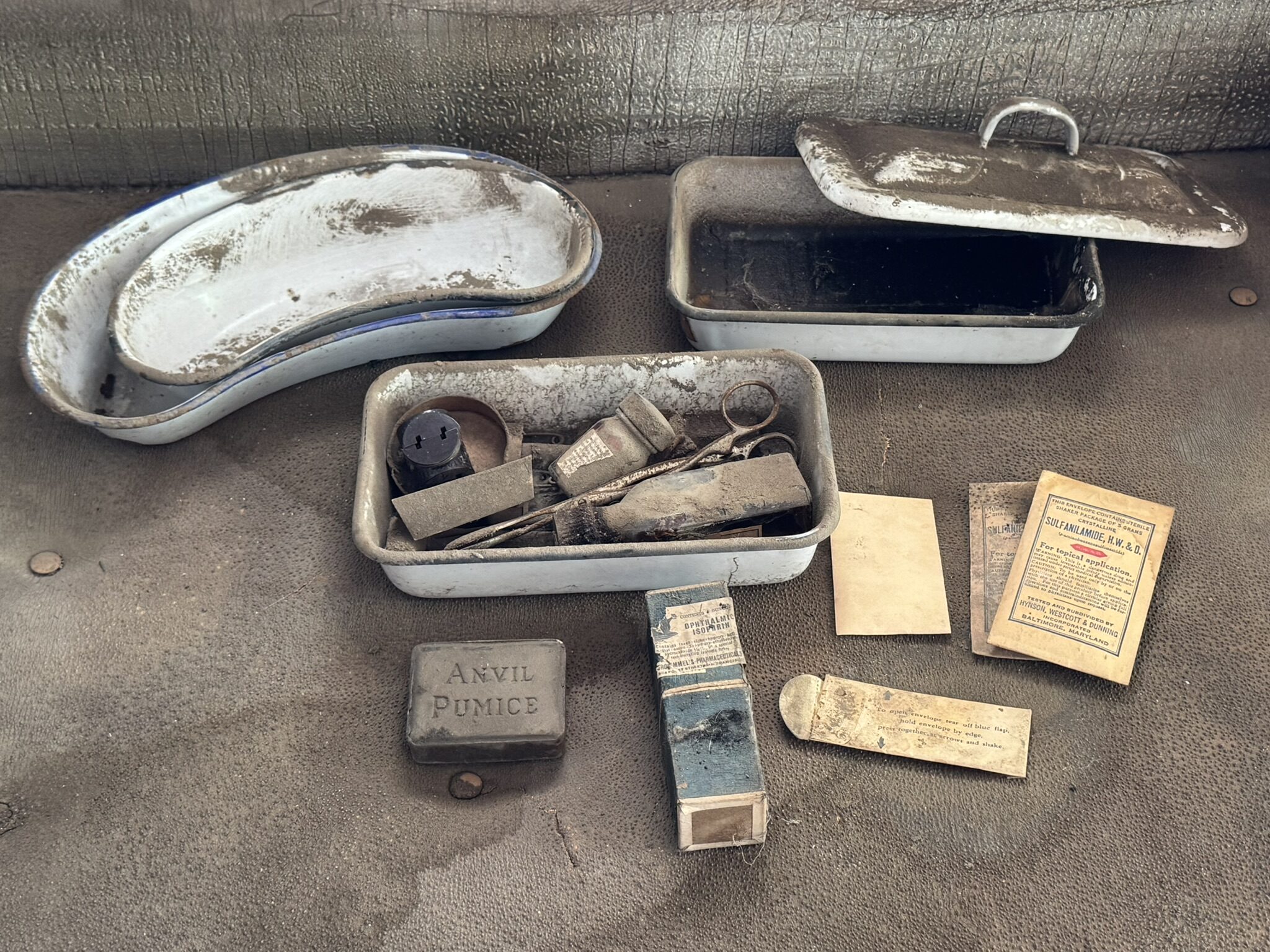
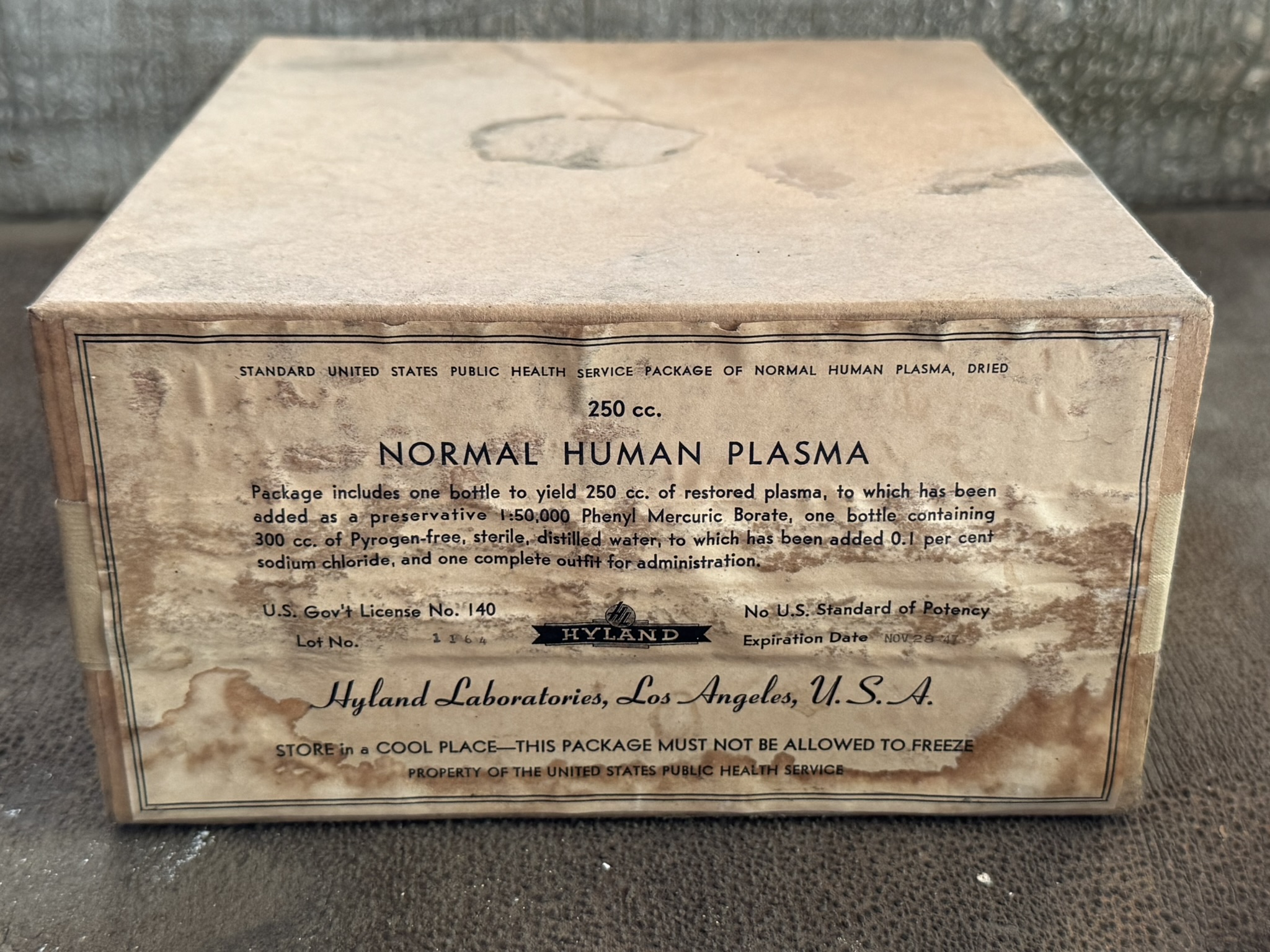
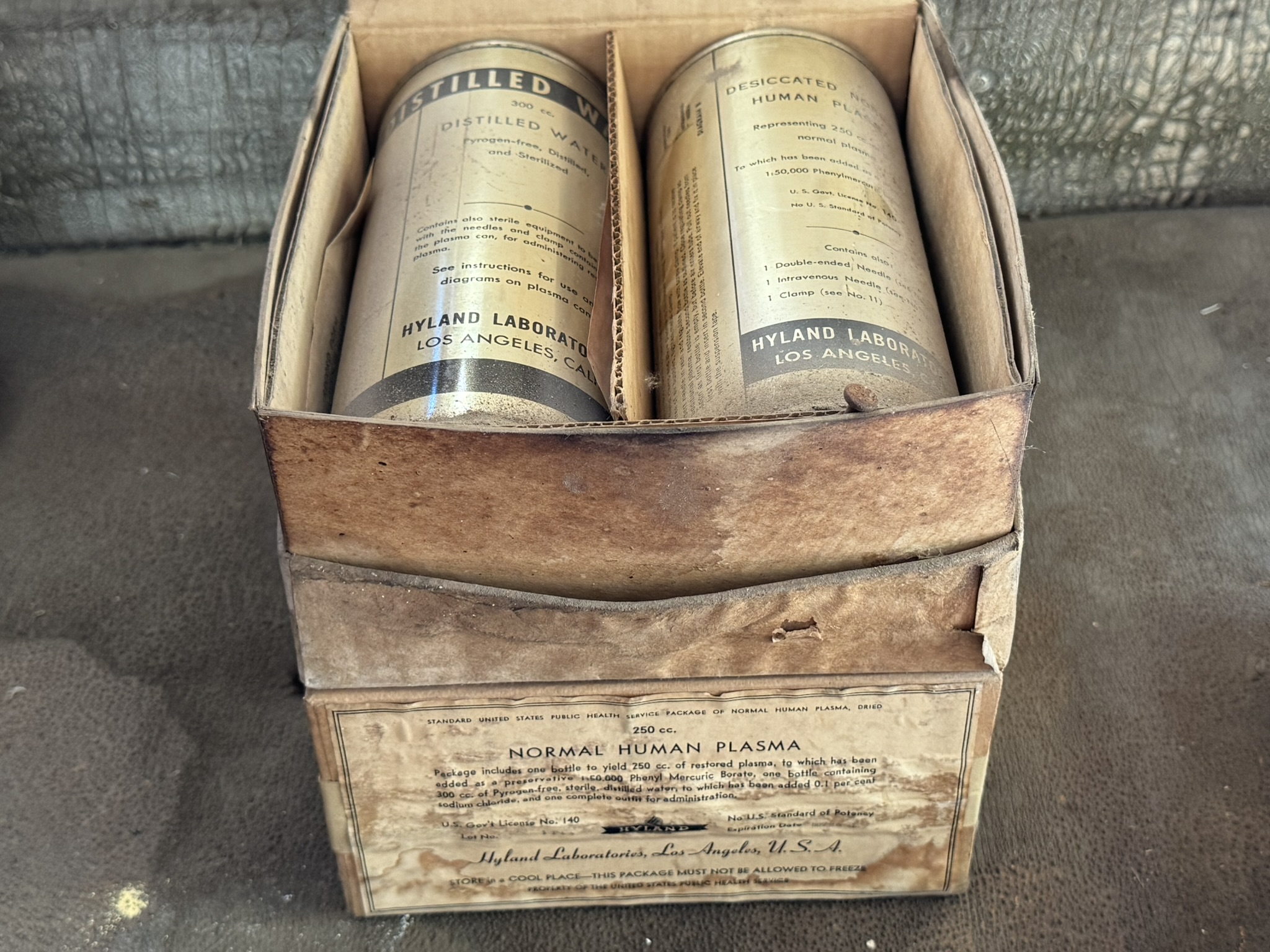
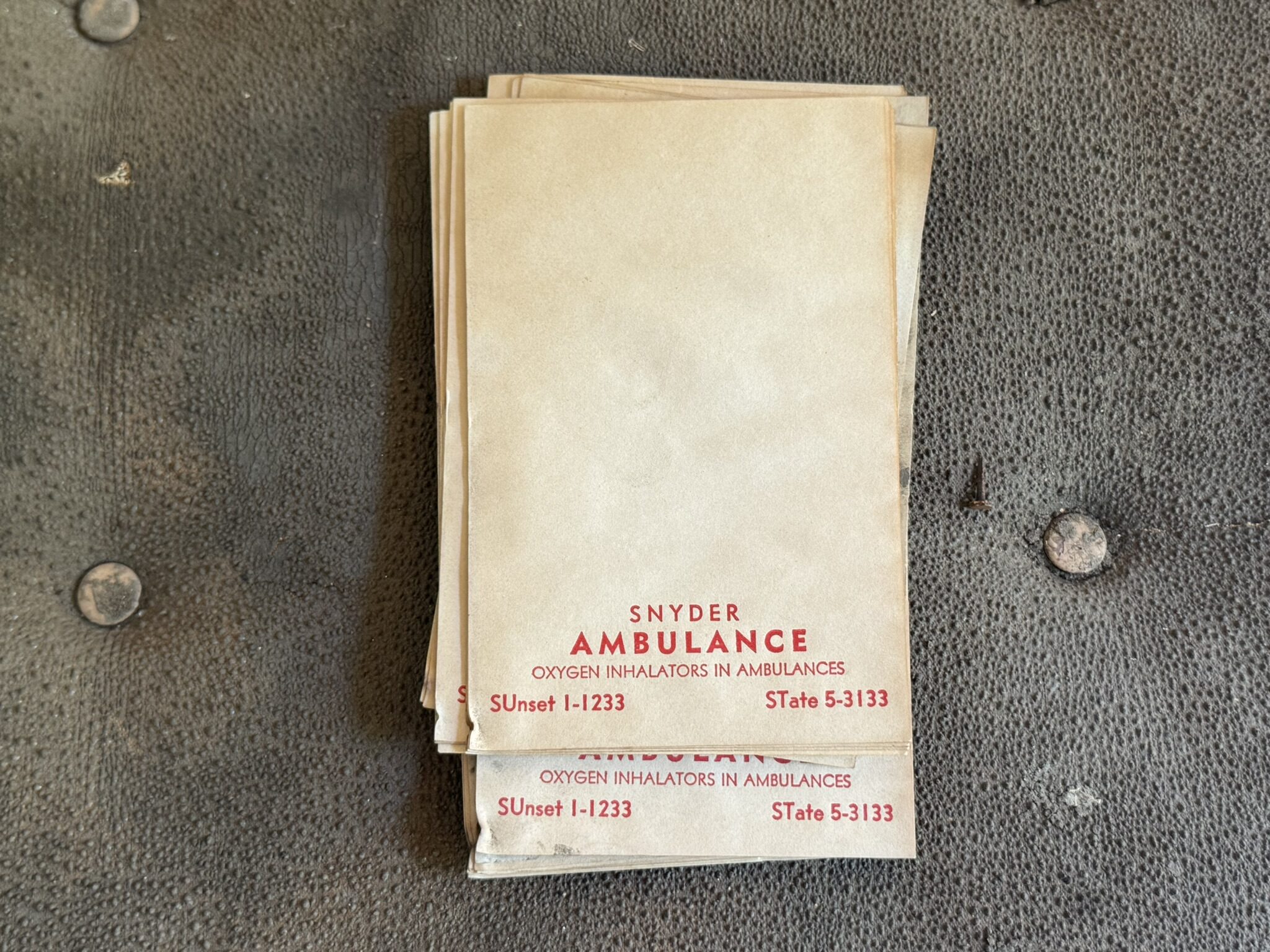
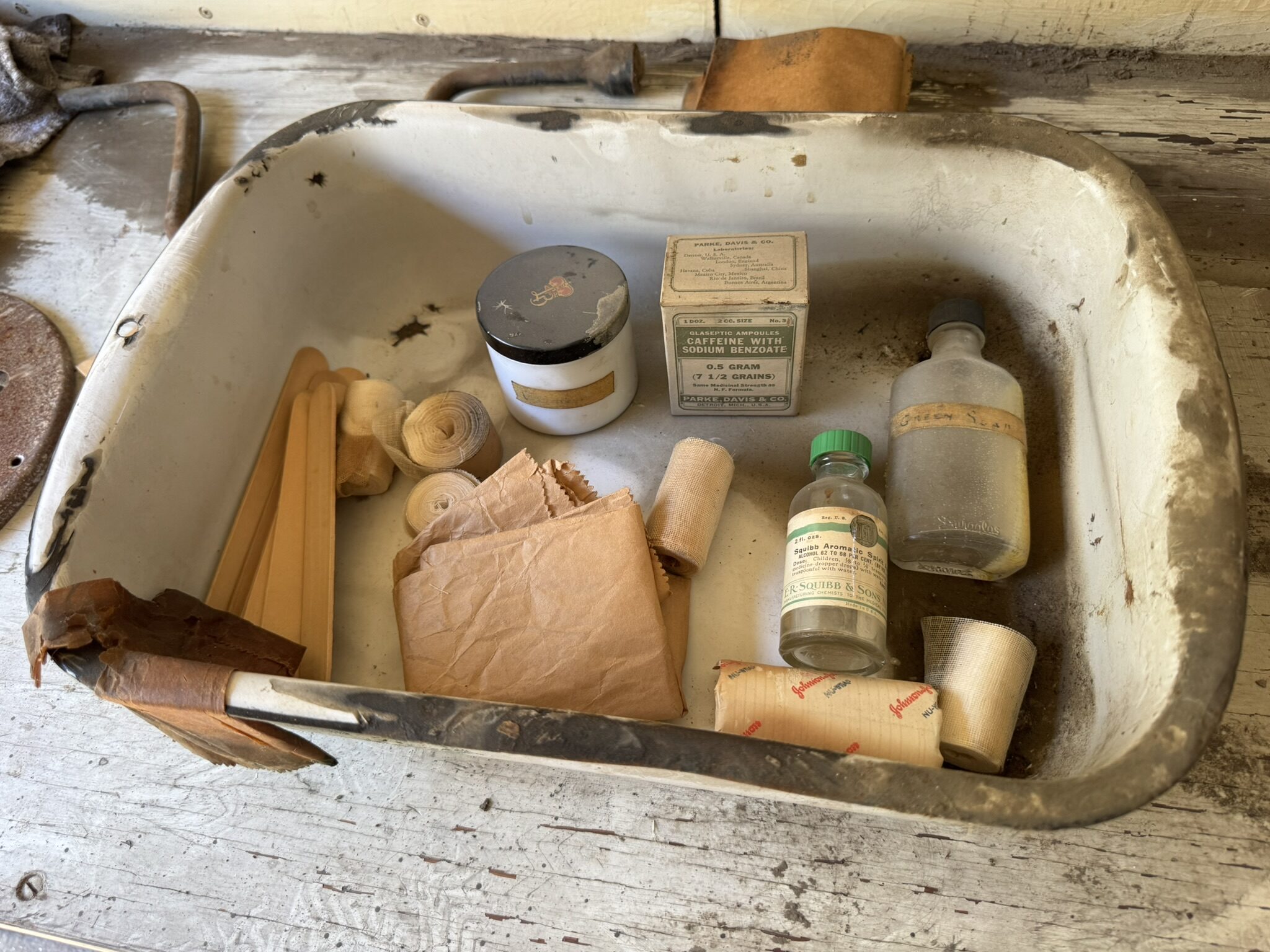
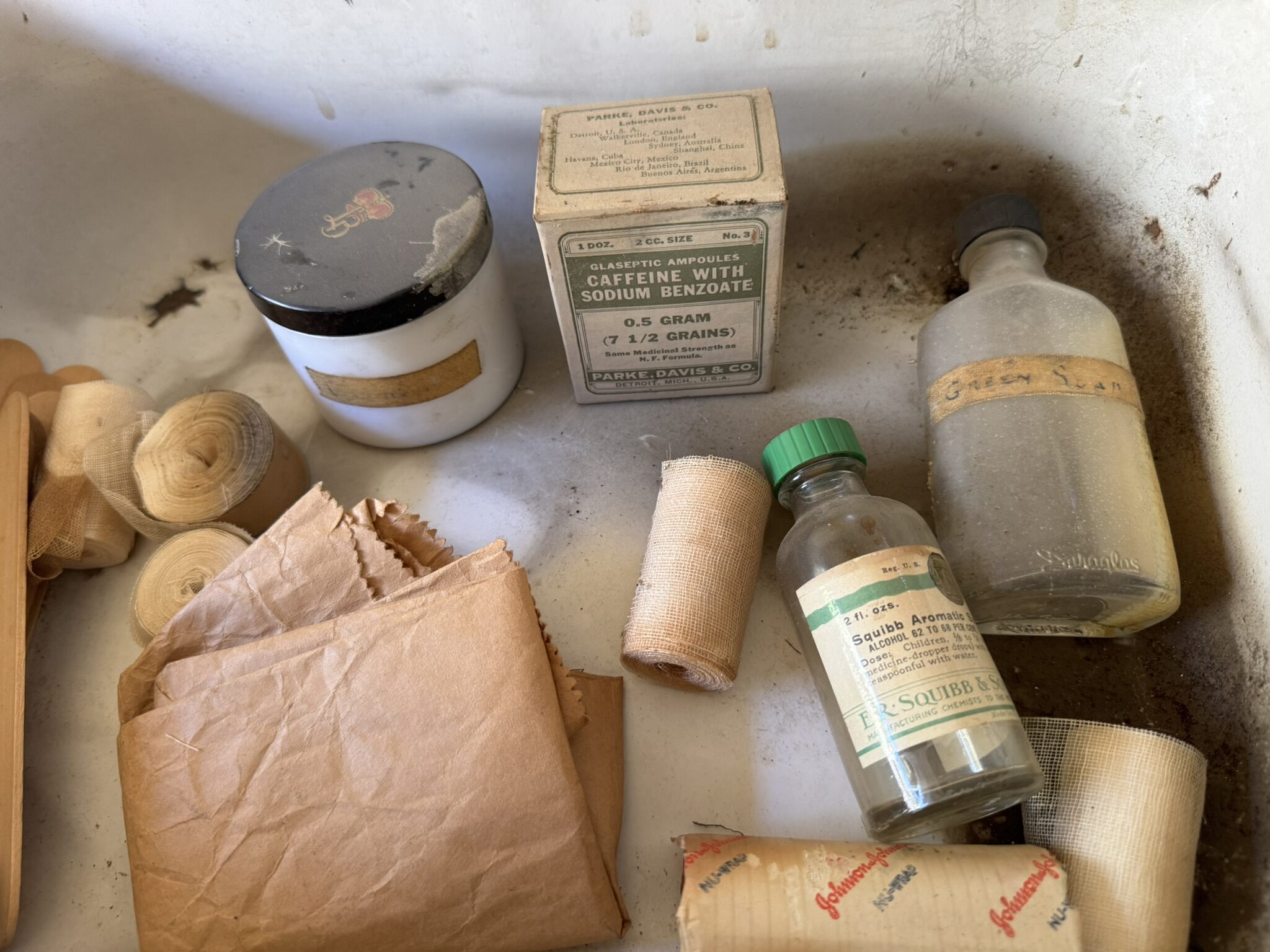
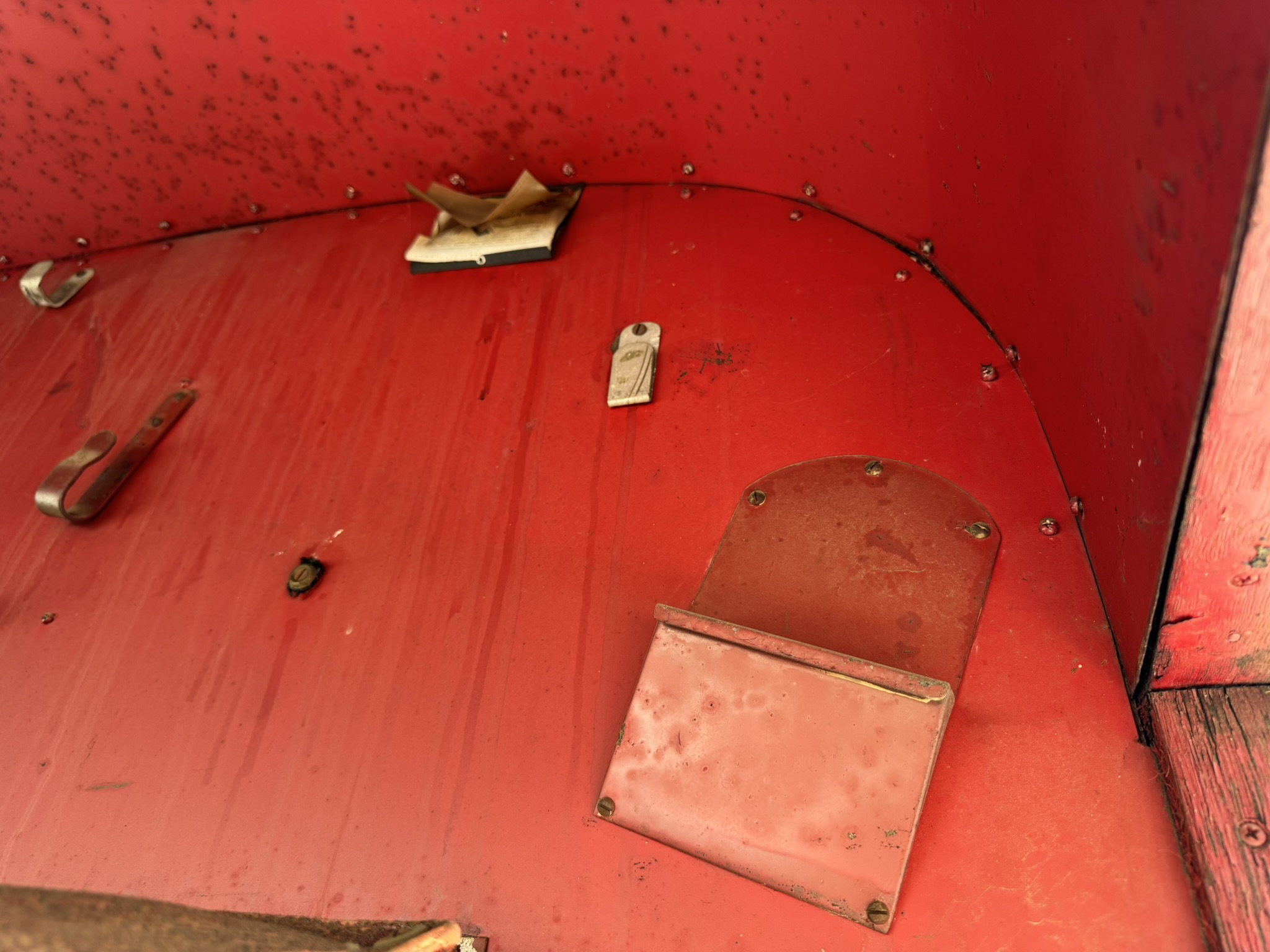
After civilian defense service, the vehicle came into the hands of Snyder Ambulance Company of Van Nuys, CA, one of the most storied names in Southern California EMS history. The company supplied ambulances for the TV series Emergency! through the 1970s. Their lettering is still visible on the side. The patient log suggests service through 1951, after which the vehicle was parked, not decommissioned, not cleaned out, just parked. Gauze still in the wrappers. Medicine still in the bottles. Plasma still in the cans. The last day it worked is effectively the day you're looking at right now.
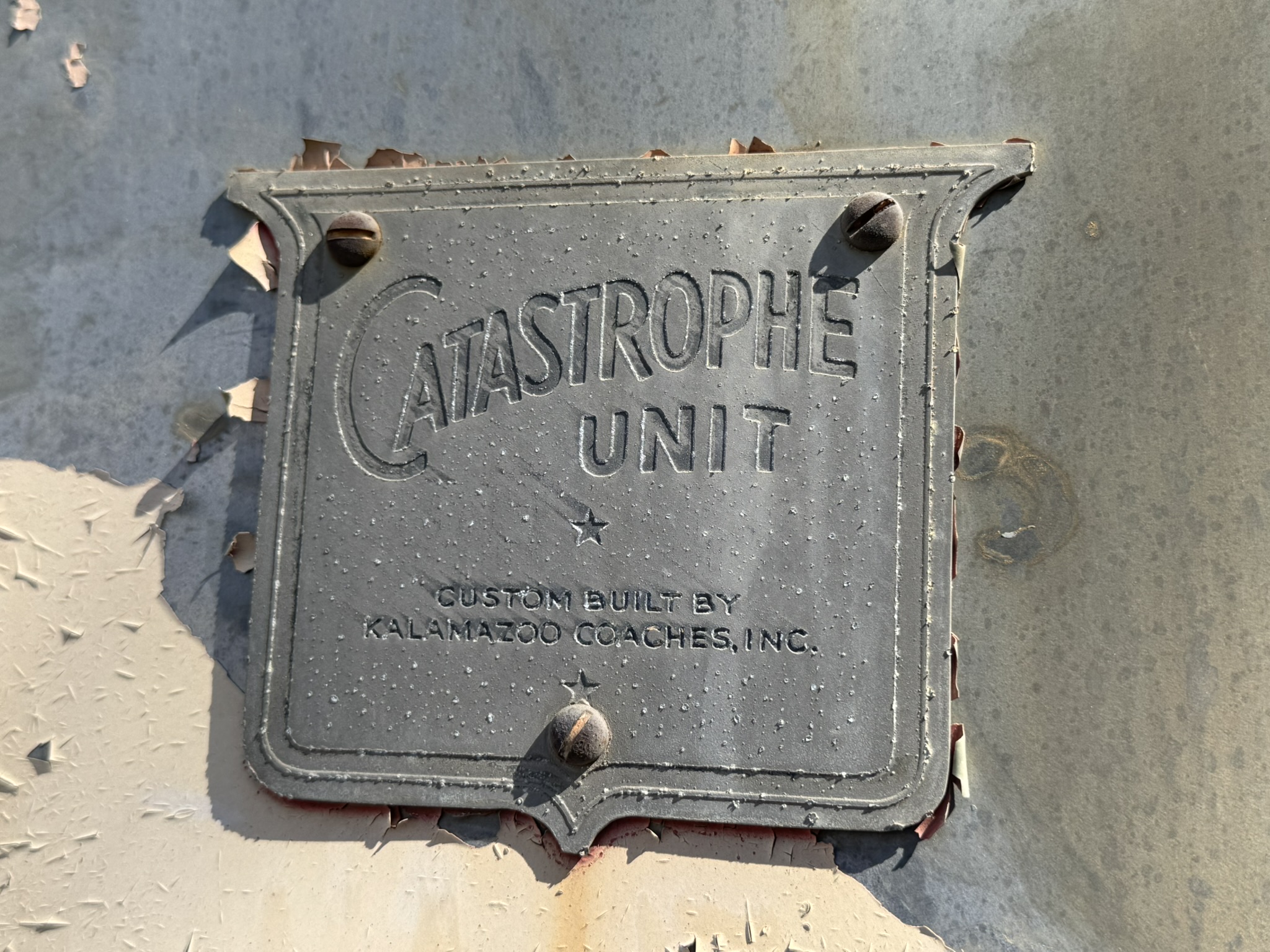
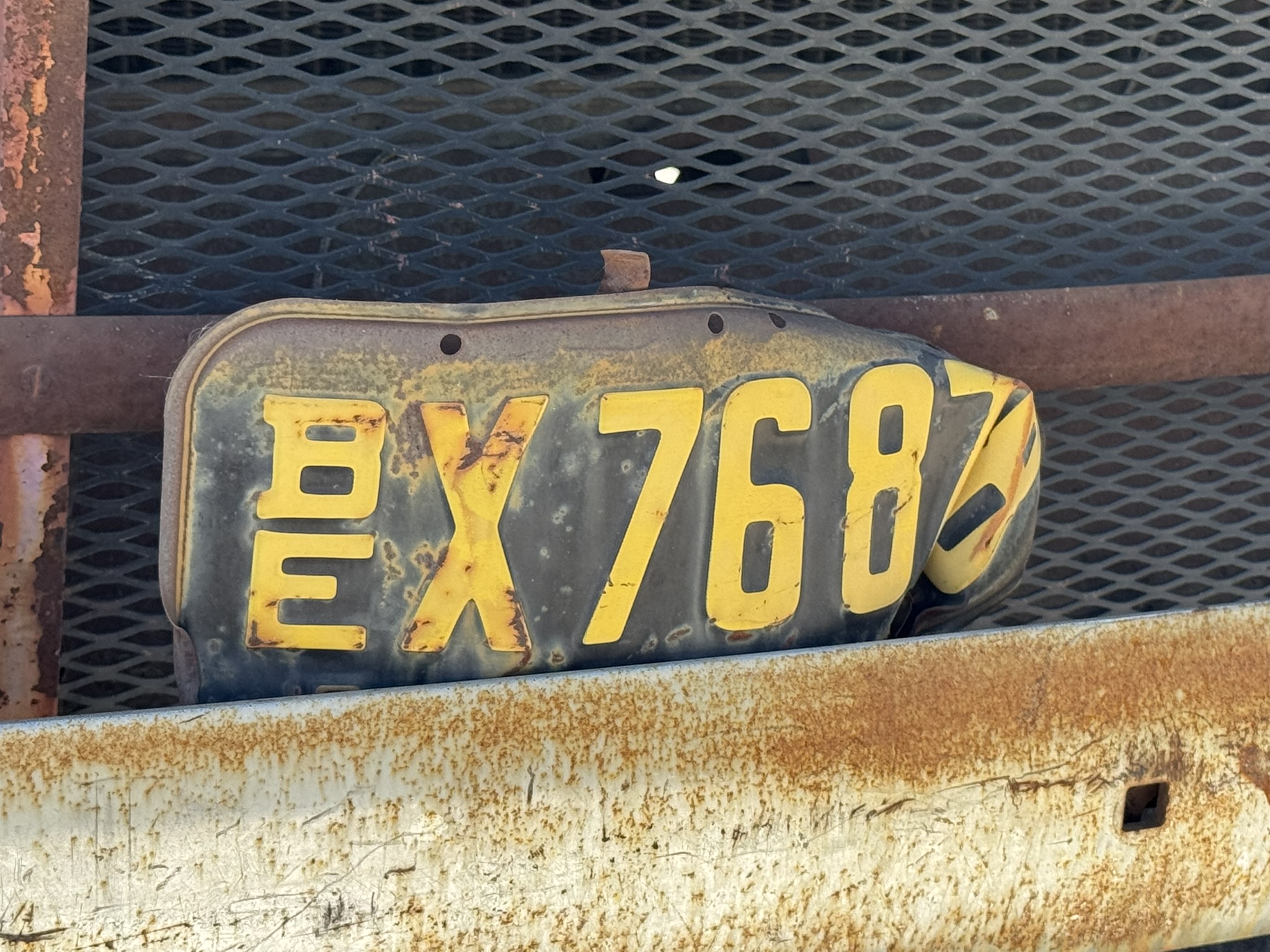
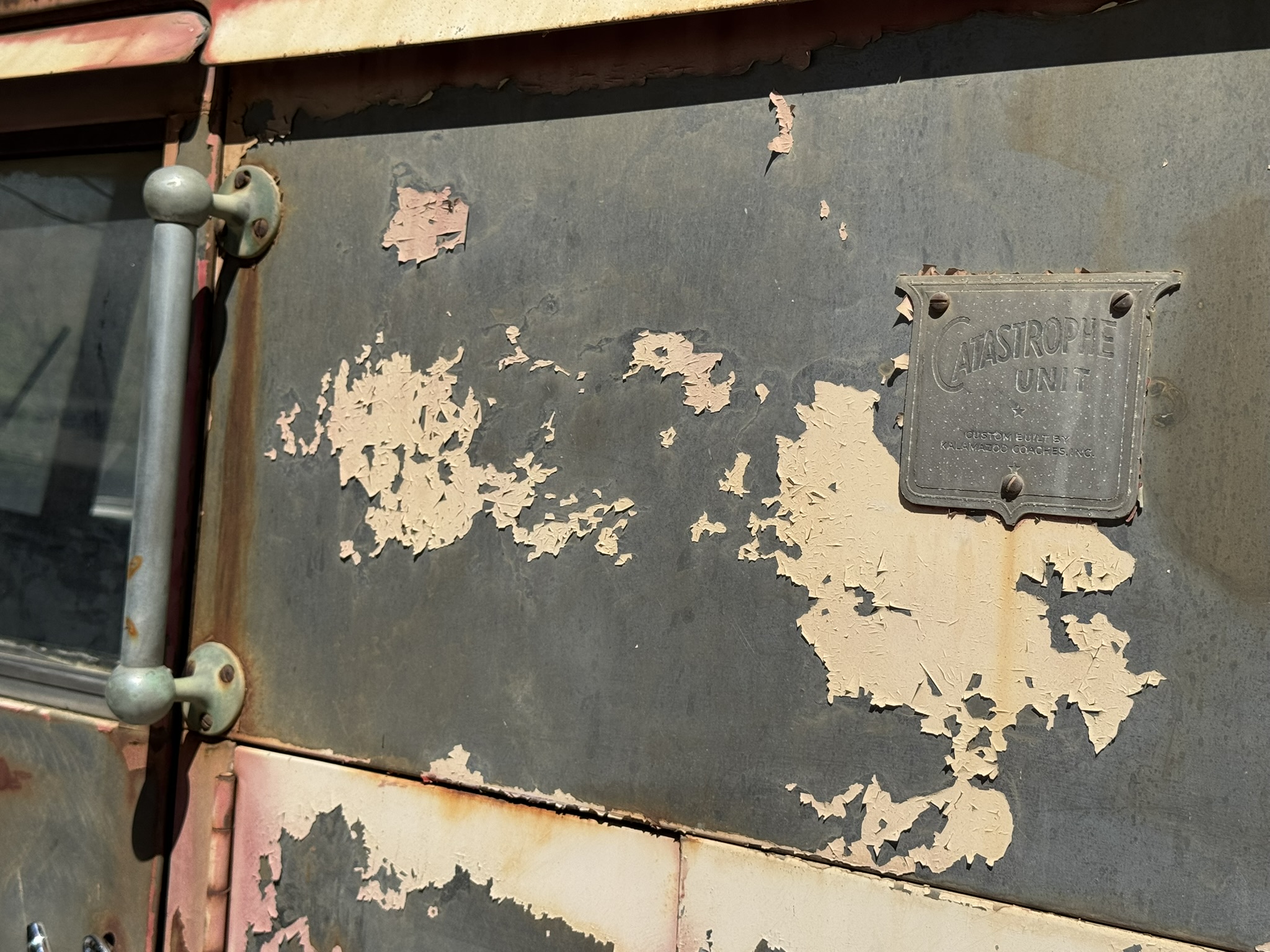
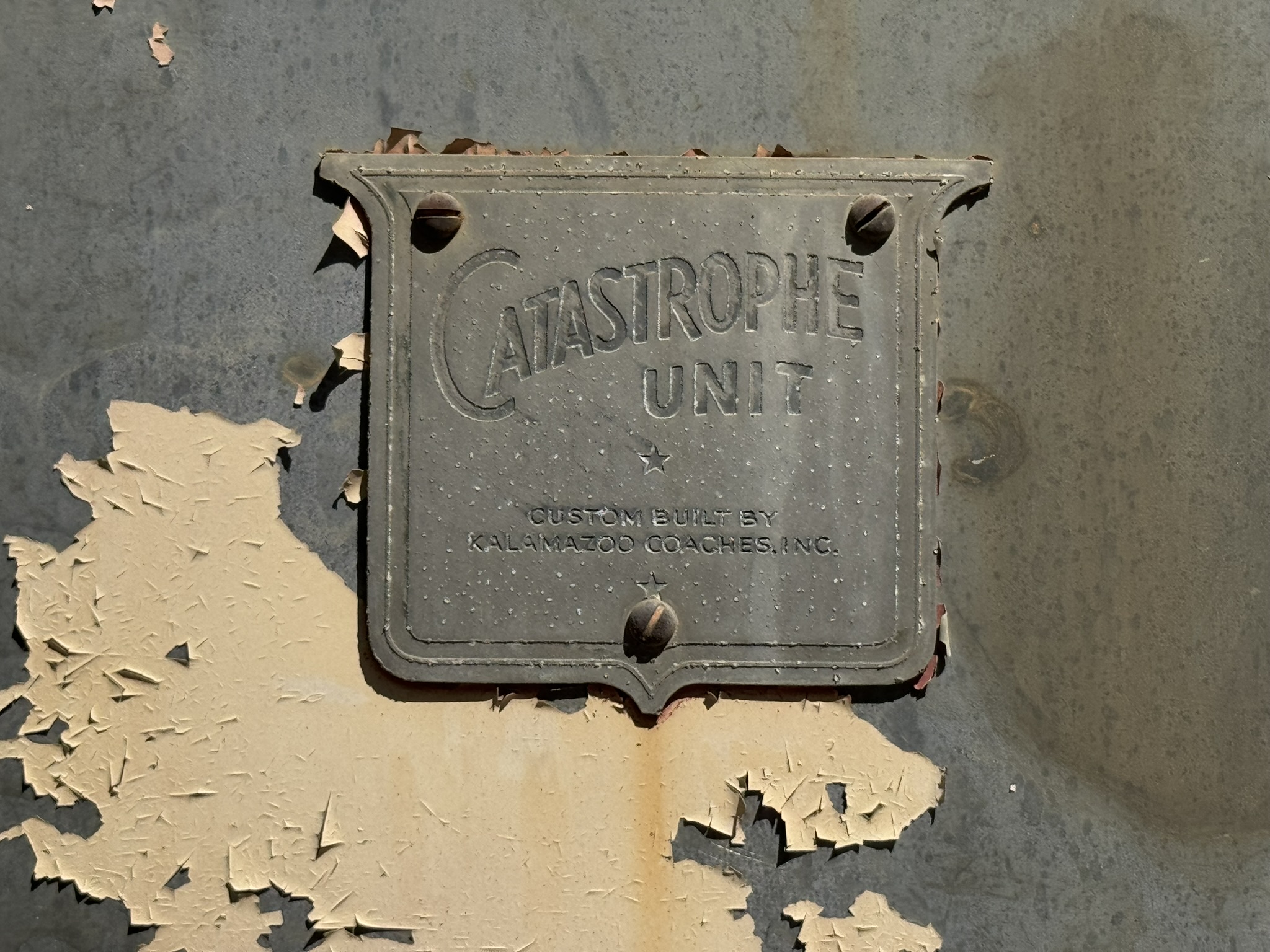
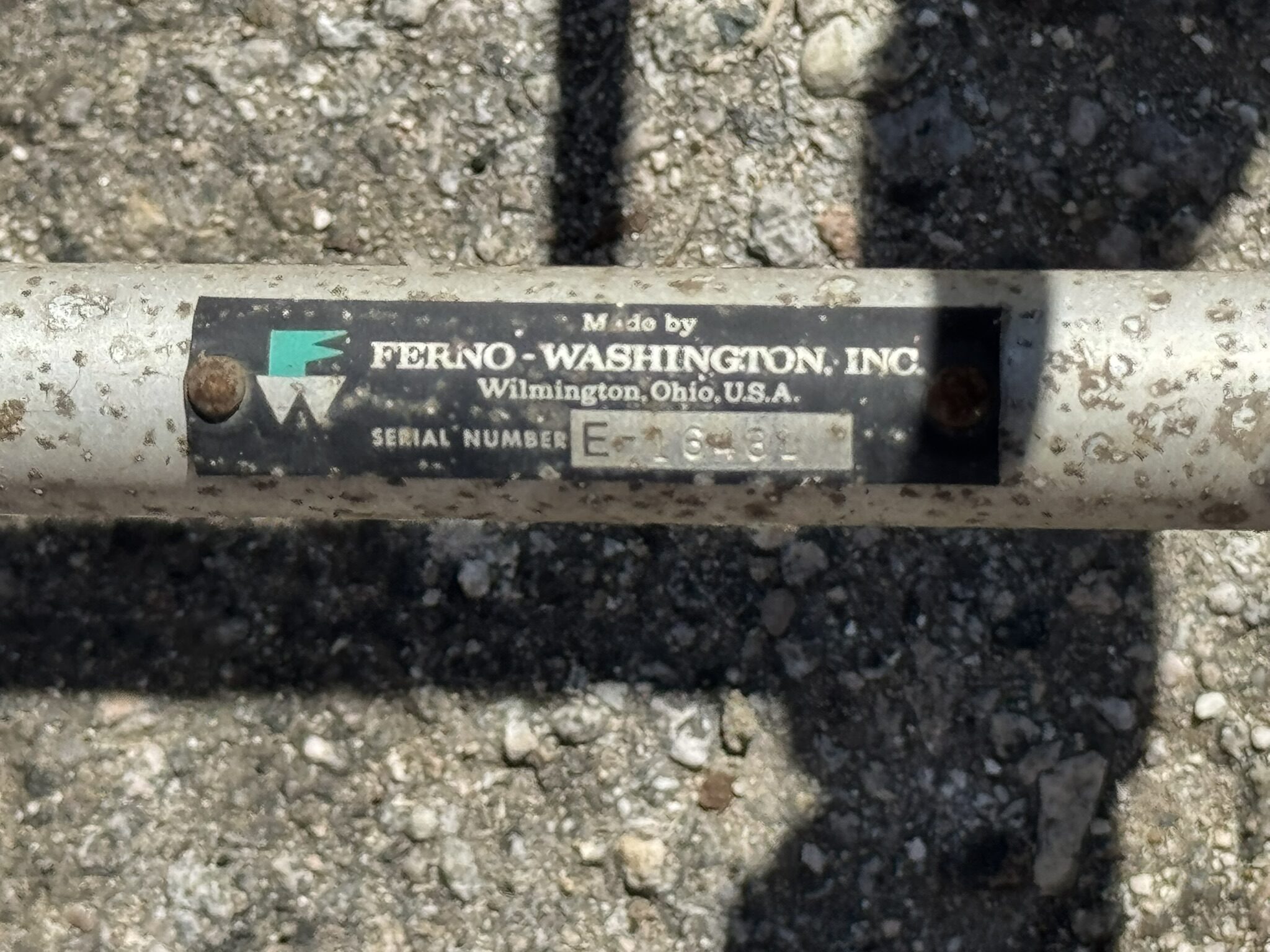
This vehicle is offered by the Bigelow Foundation, a 501(c)(3) nonprofit dedicated to preserving classic American motor coaches and supporting veterans. It is sold on a bill of sale, as no builder's plate has been located after a thorough search of the entire vehicle. Title can possibly be registered to the engine number. The Foundation's strong preference is that the next owner pursue a proper restoration, not a restomod. That is not a condition of the sale, but it is a request from people who understand what is at stake. When you are the last one, you carry that.
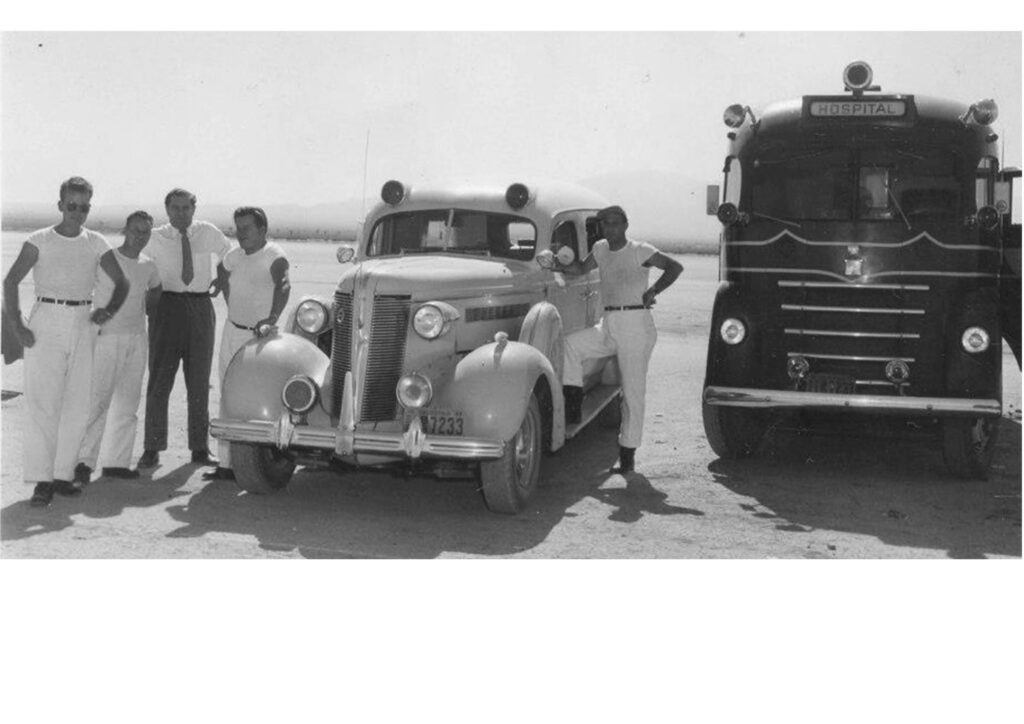
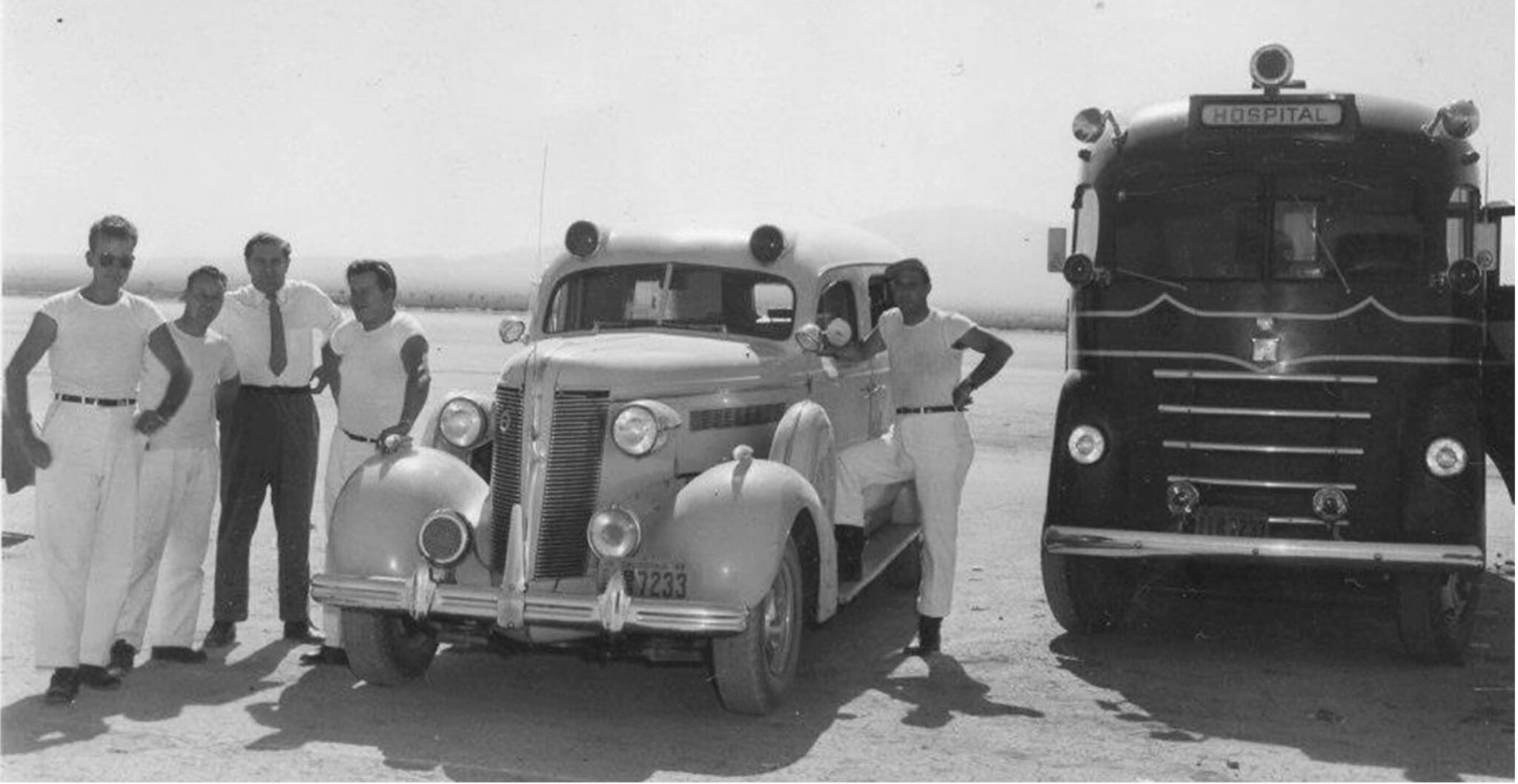
Private viewings are available by appointment by using the "Ask the Seller" button. Buyer is responsible for transport within 30 days of sale. Delivery may be possible depending on location. Historical photo of this Catastrophe Unit on location on Santa Monica beach in the late 1940's with Harry Snyder (courtesy of Lou Farah) .
What You Get
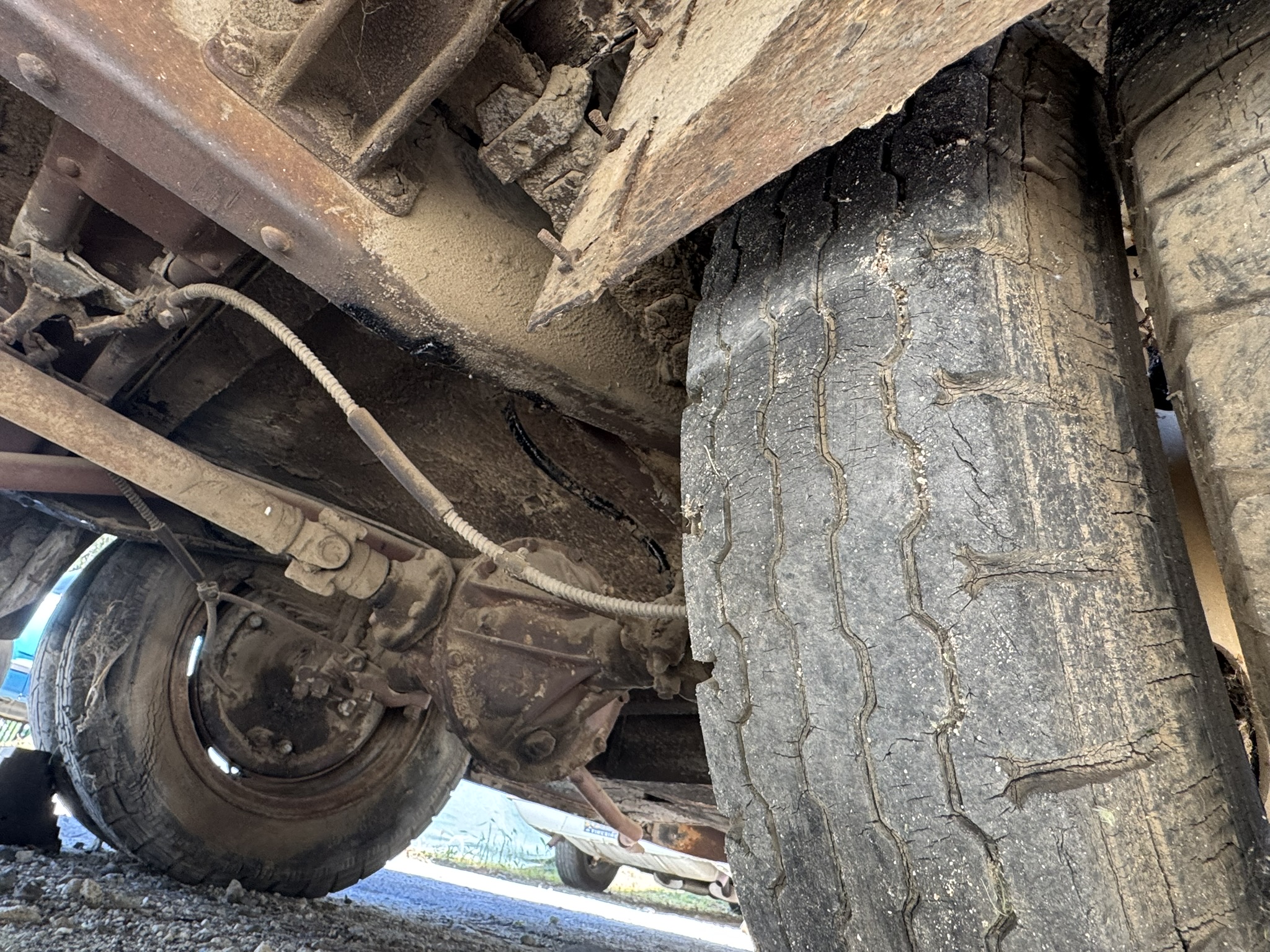
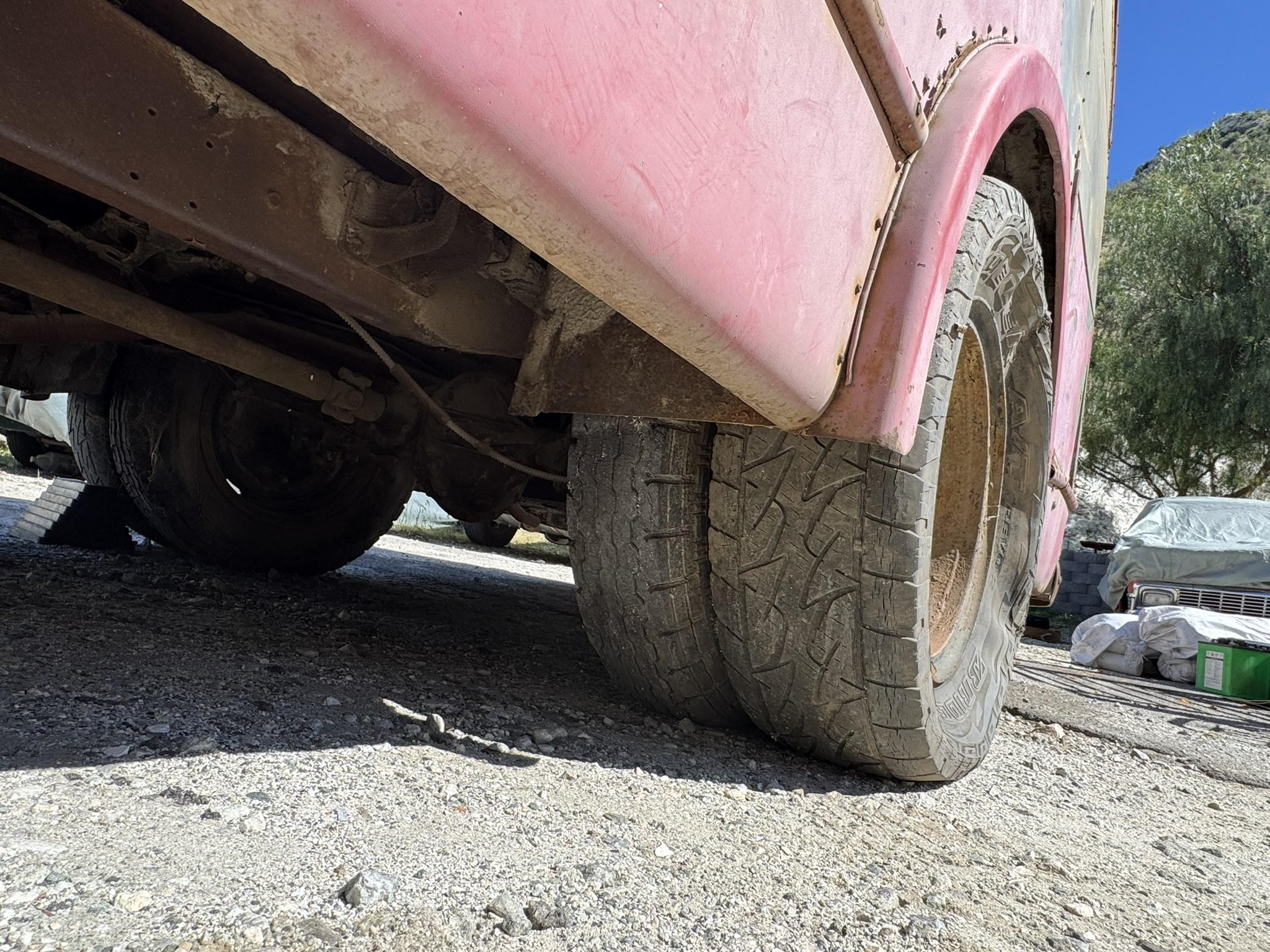
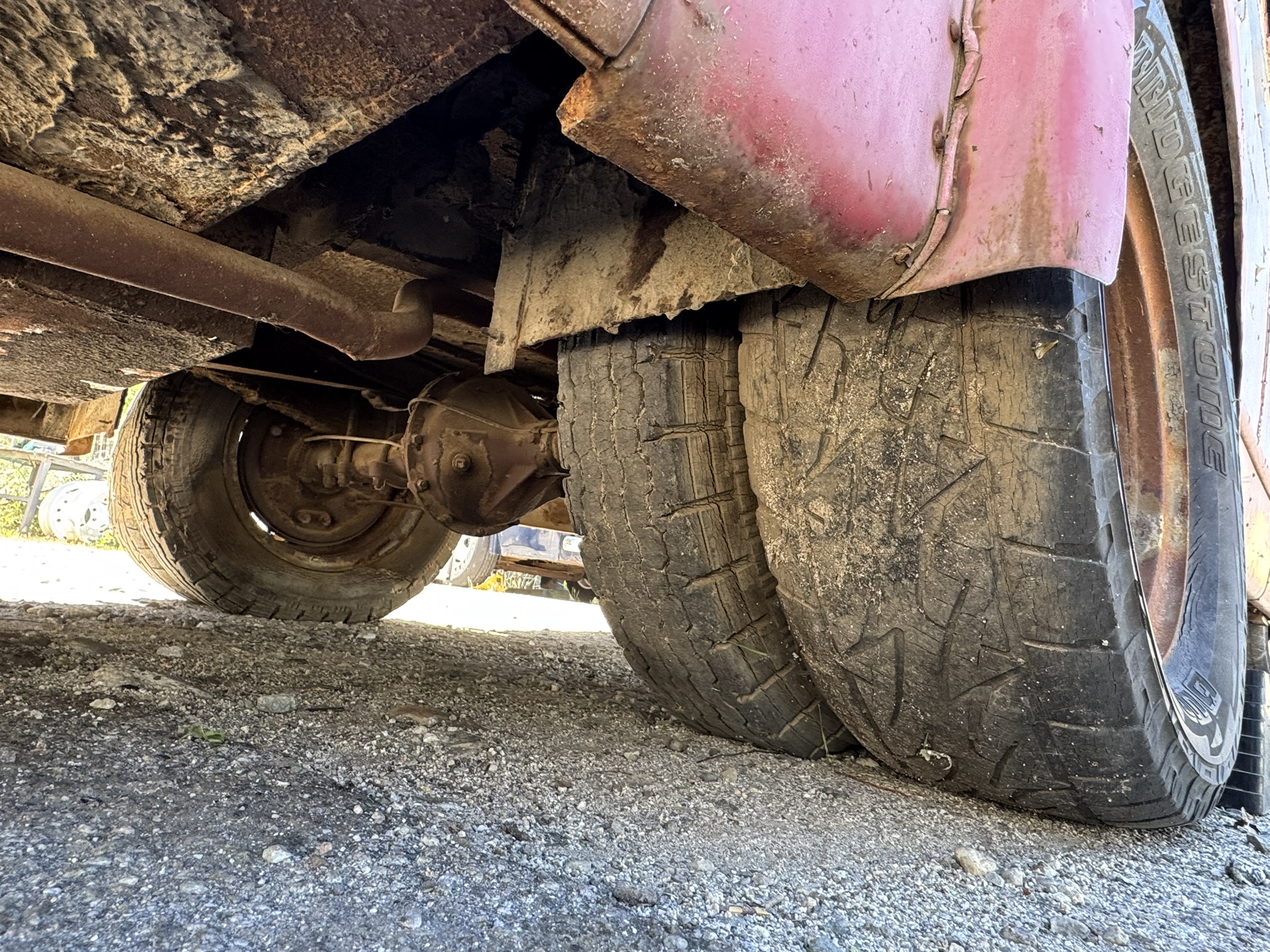
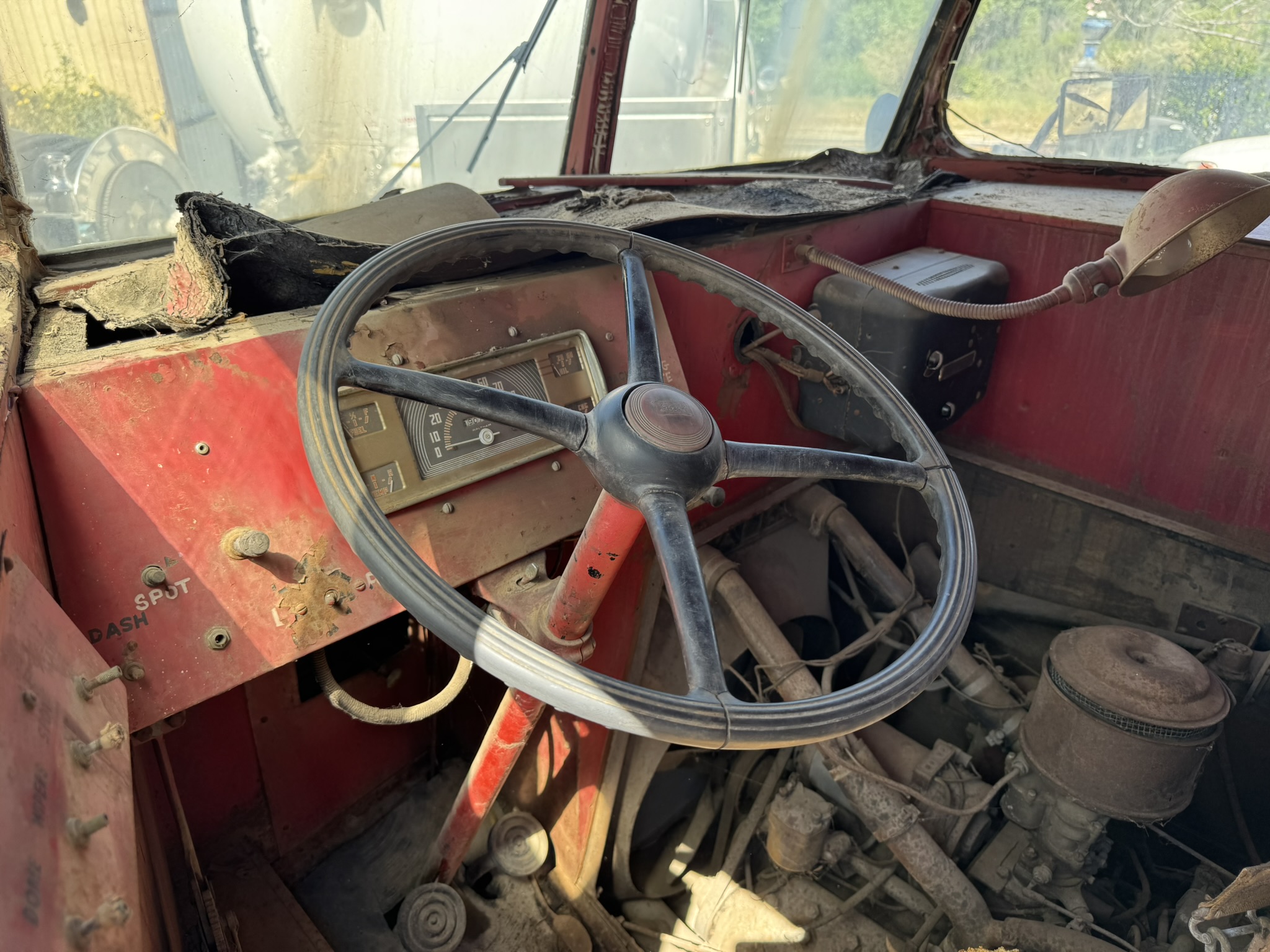
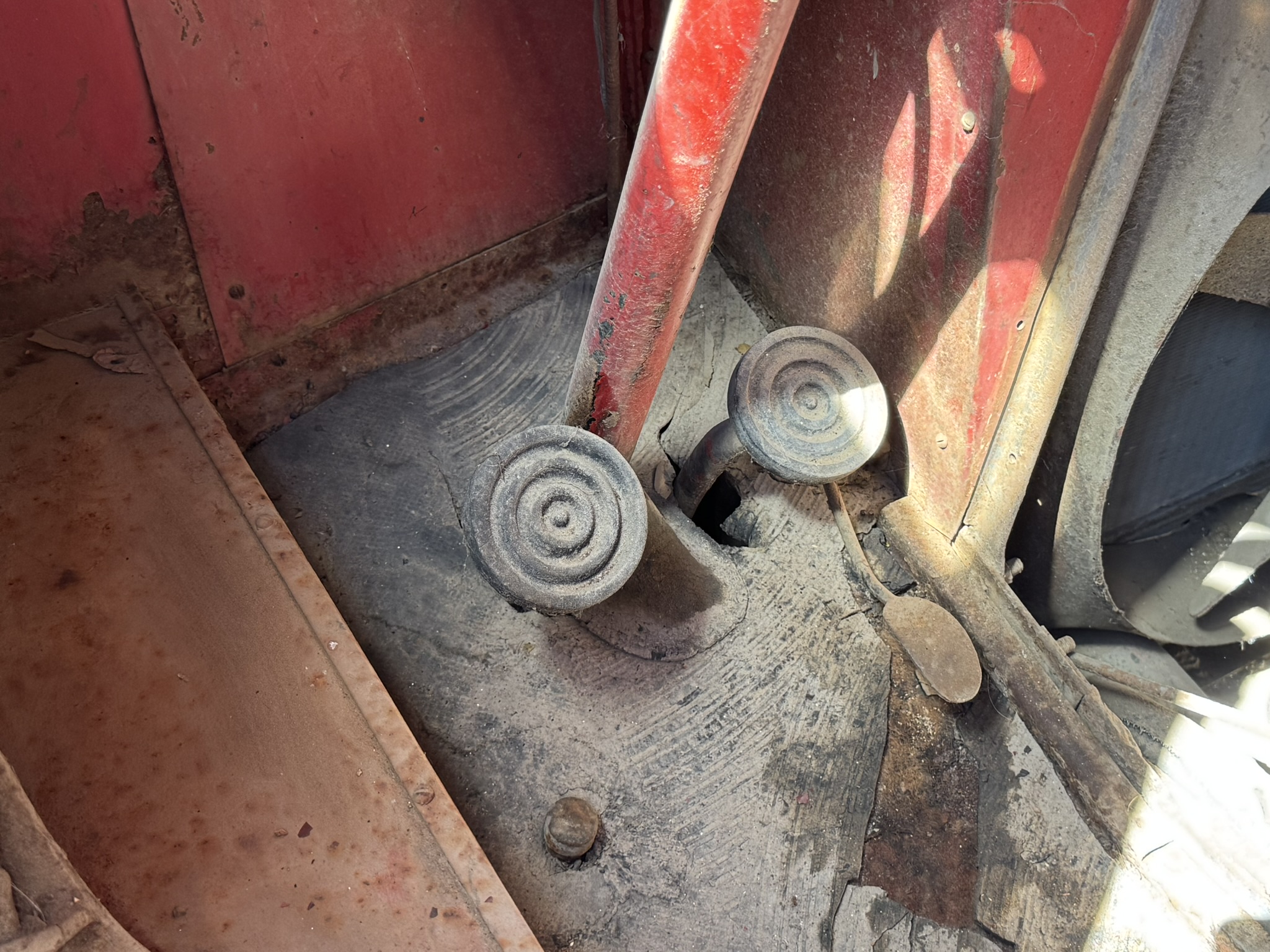
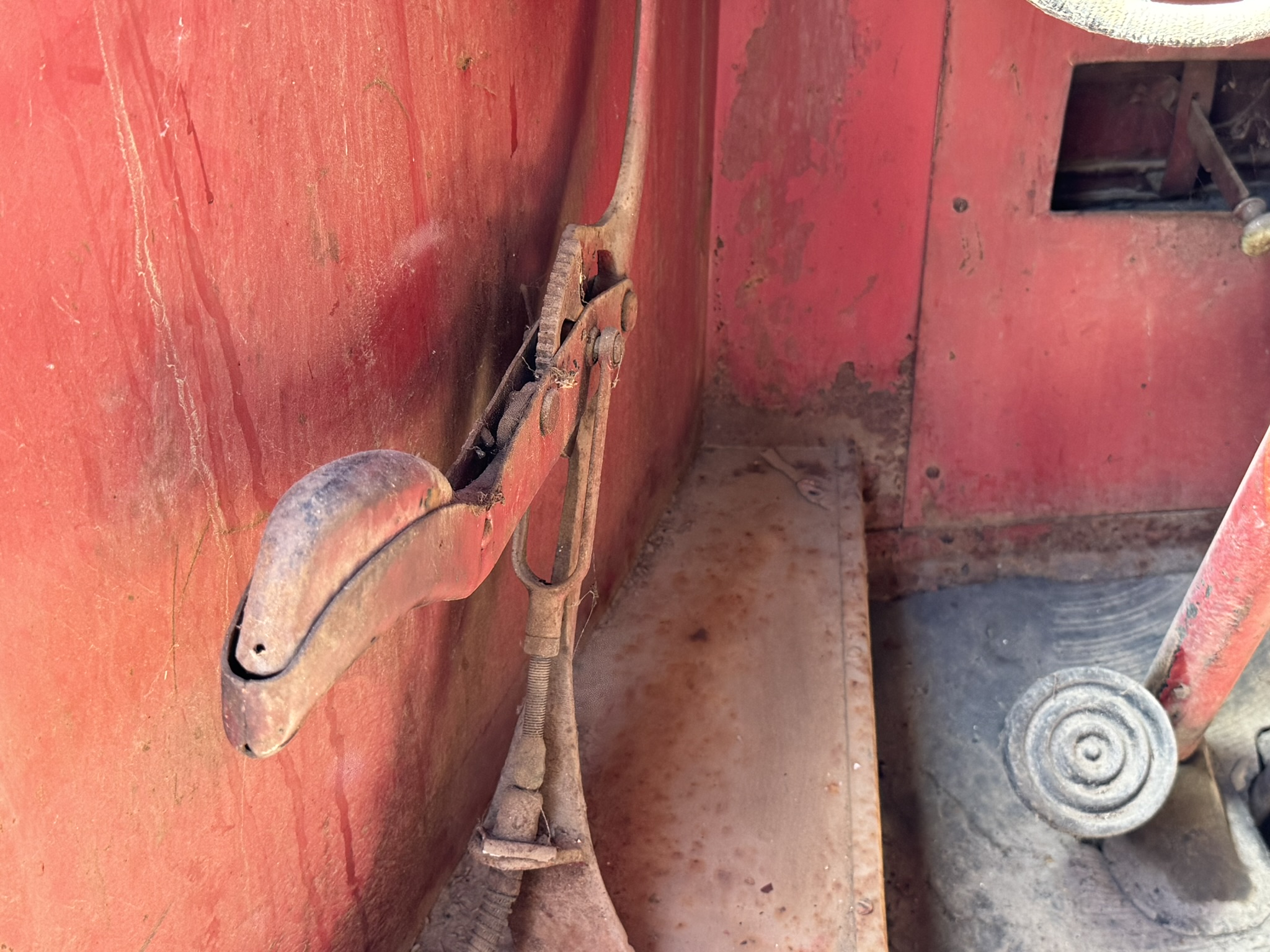
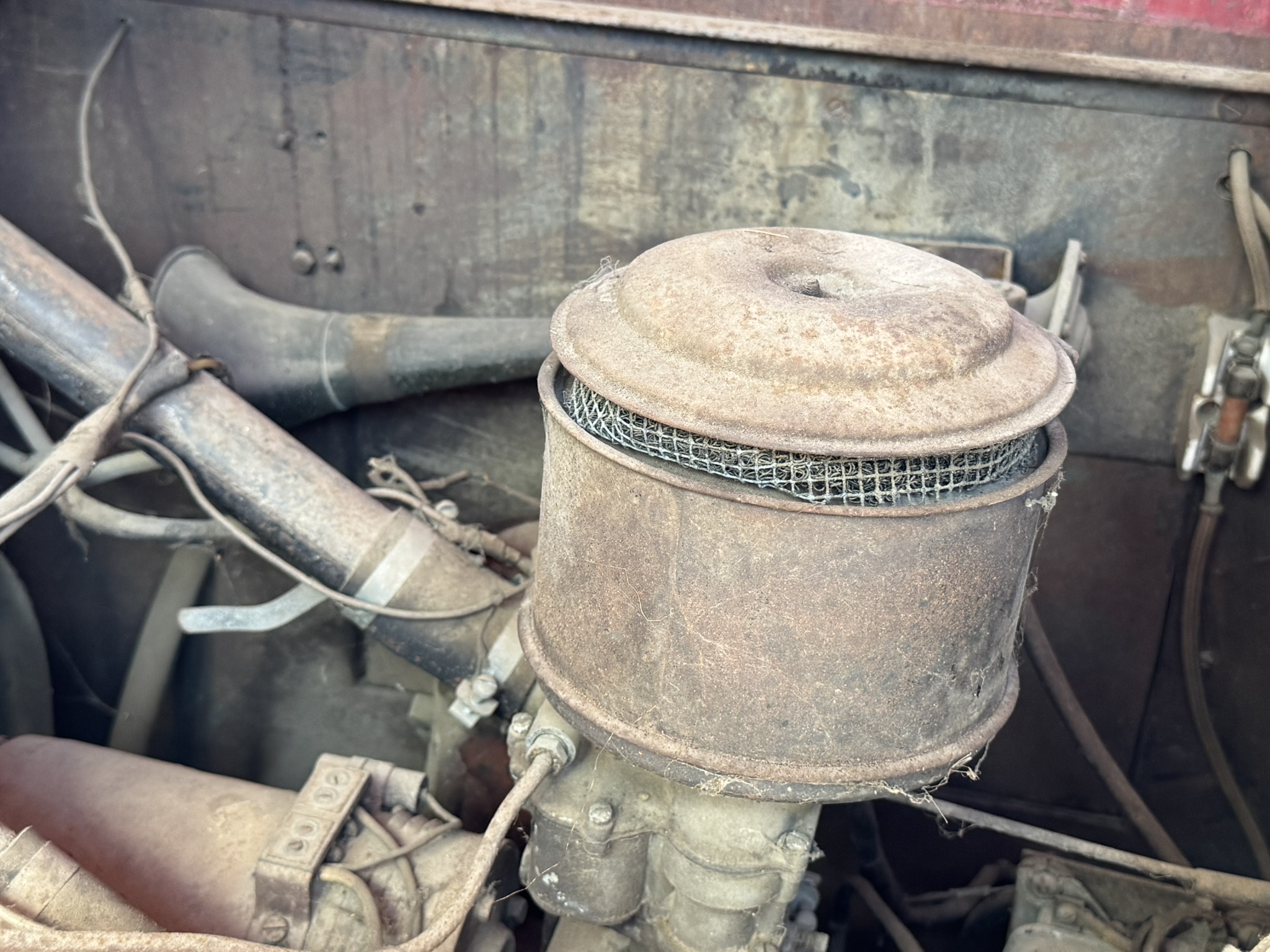
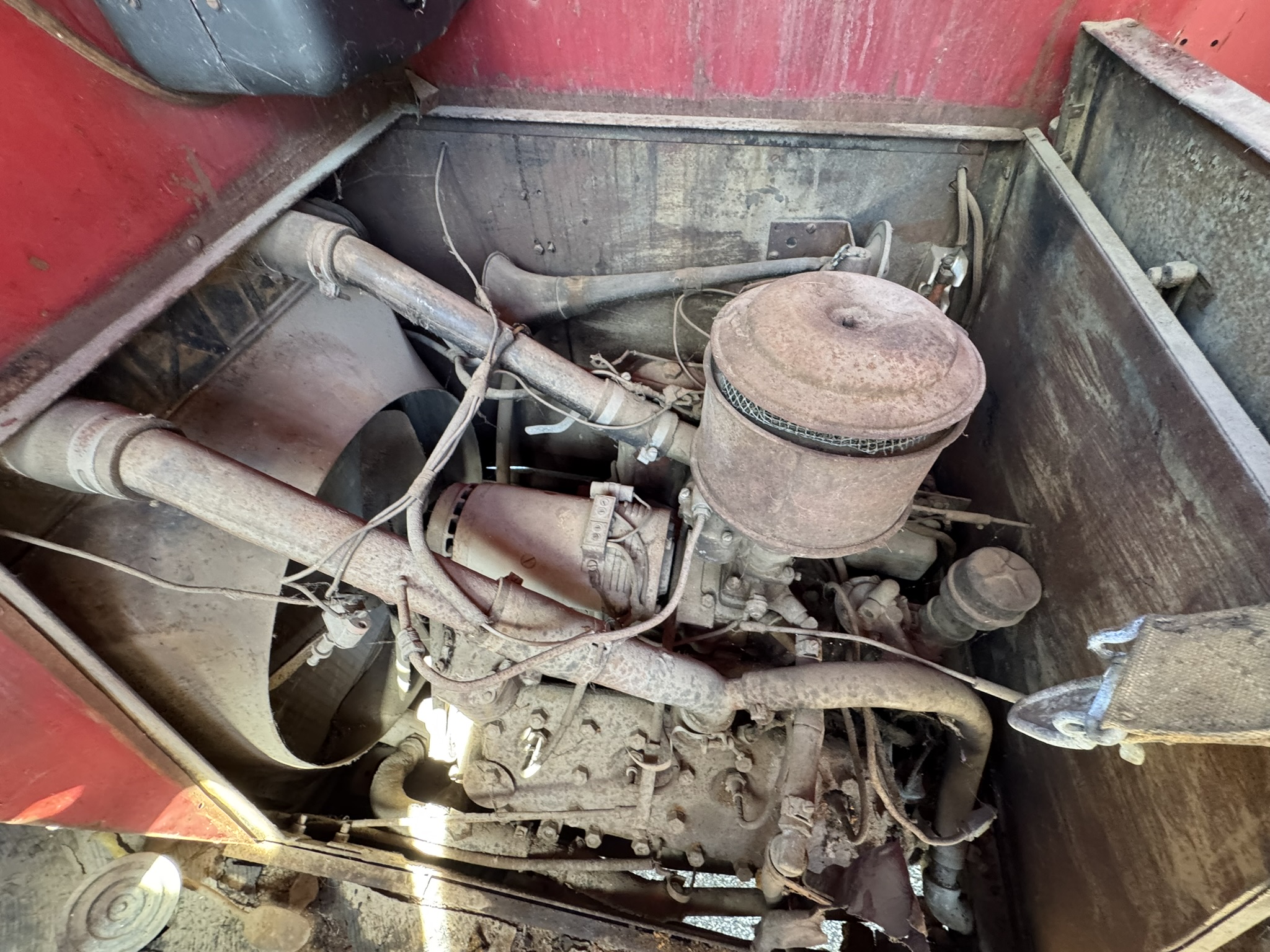
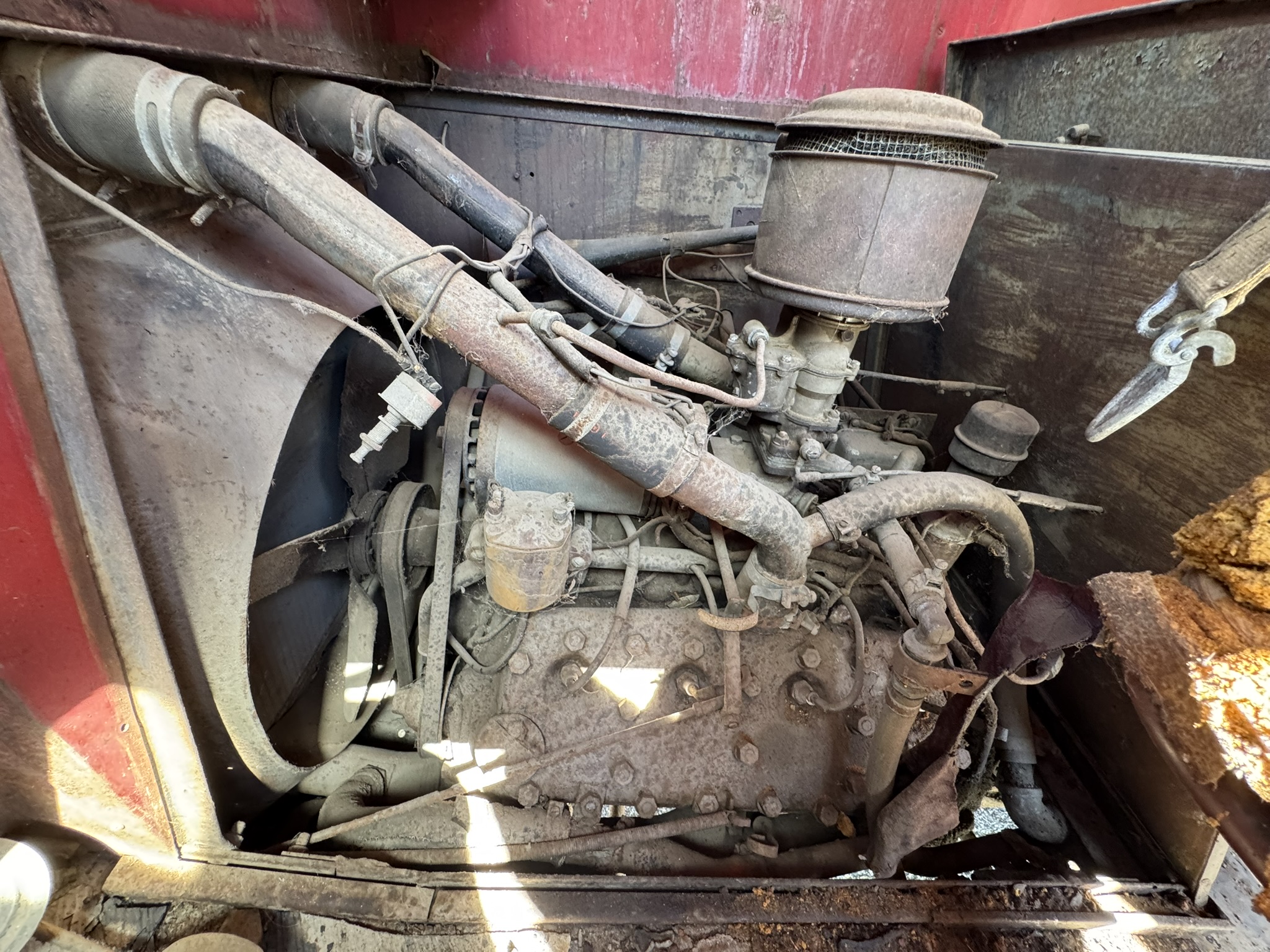
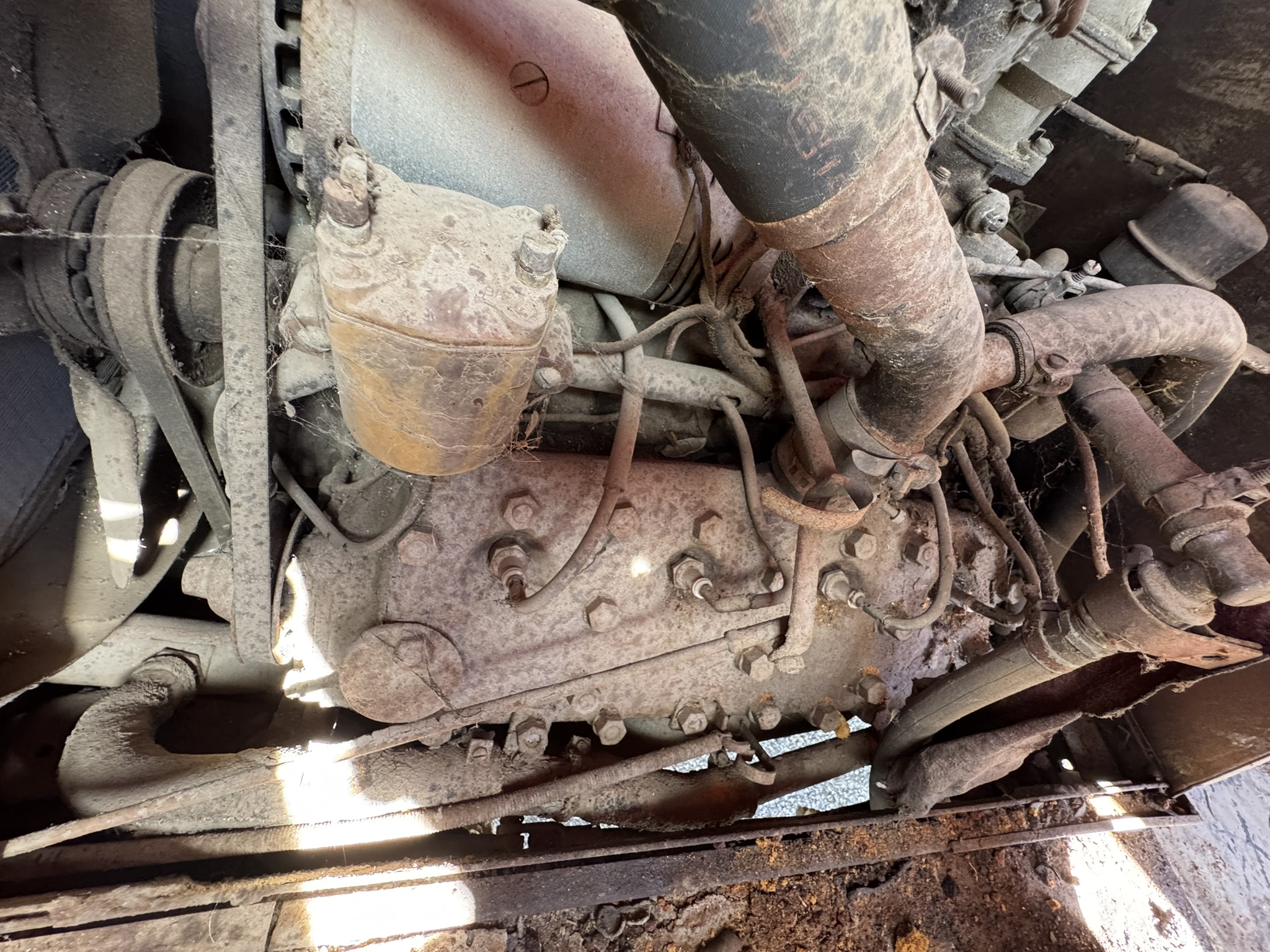
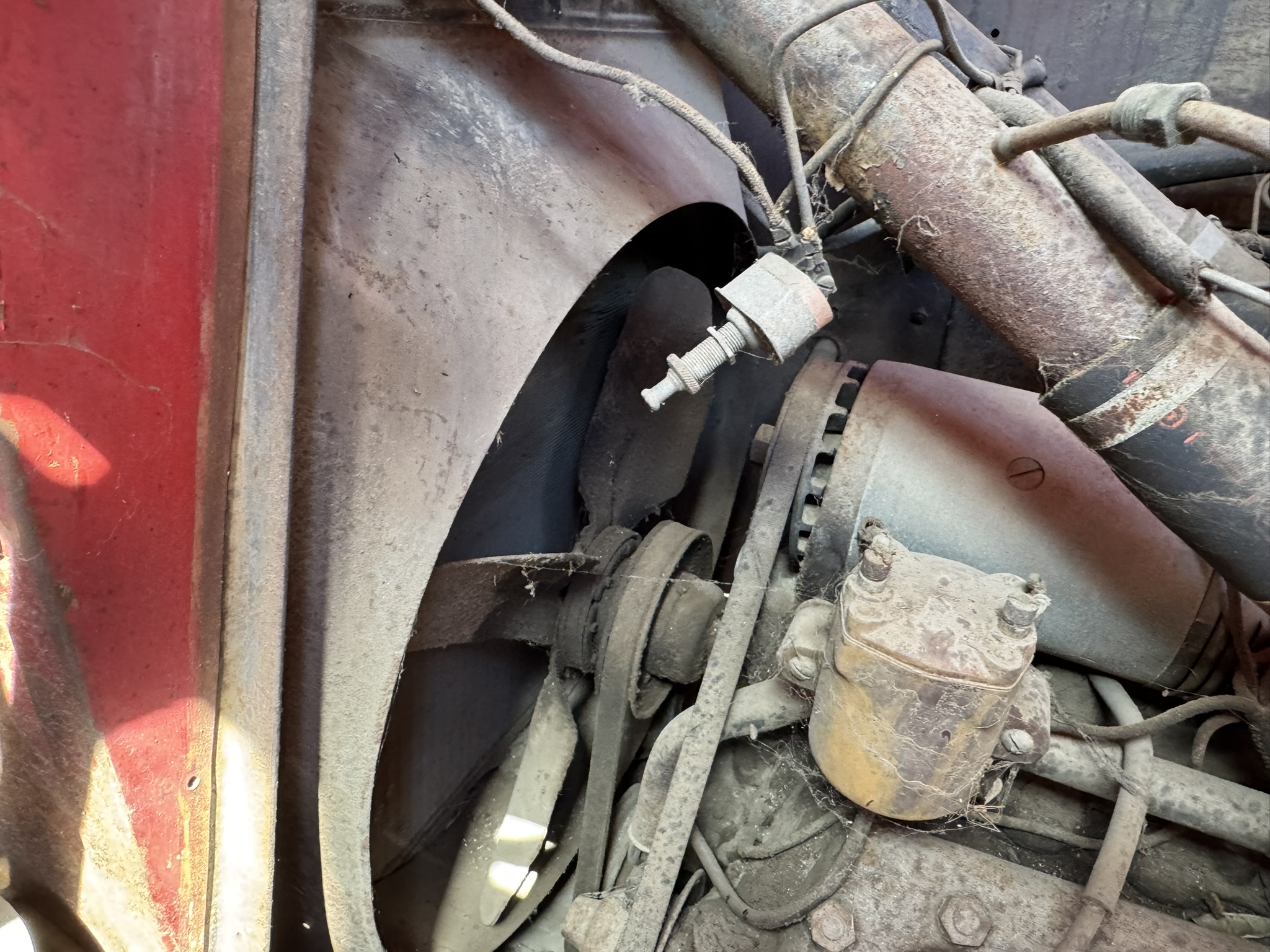
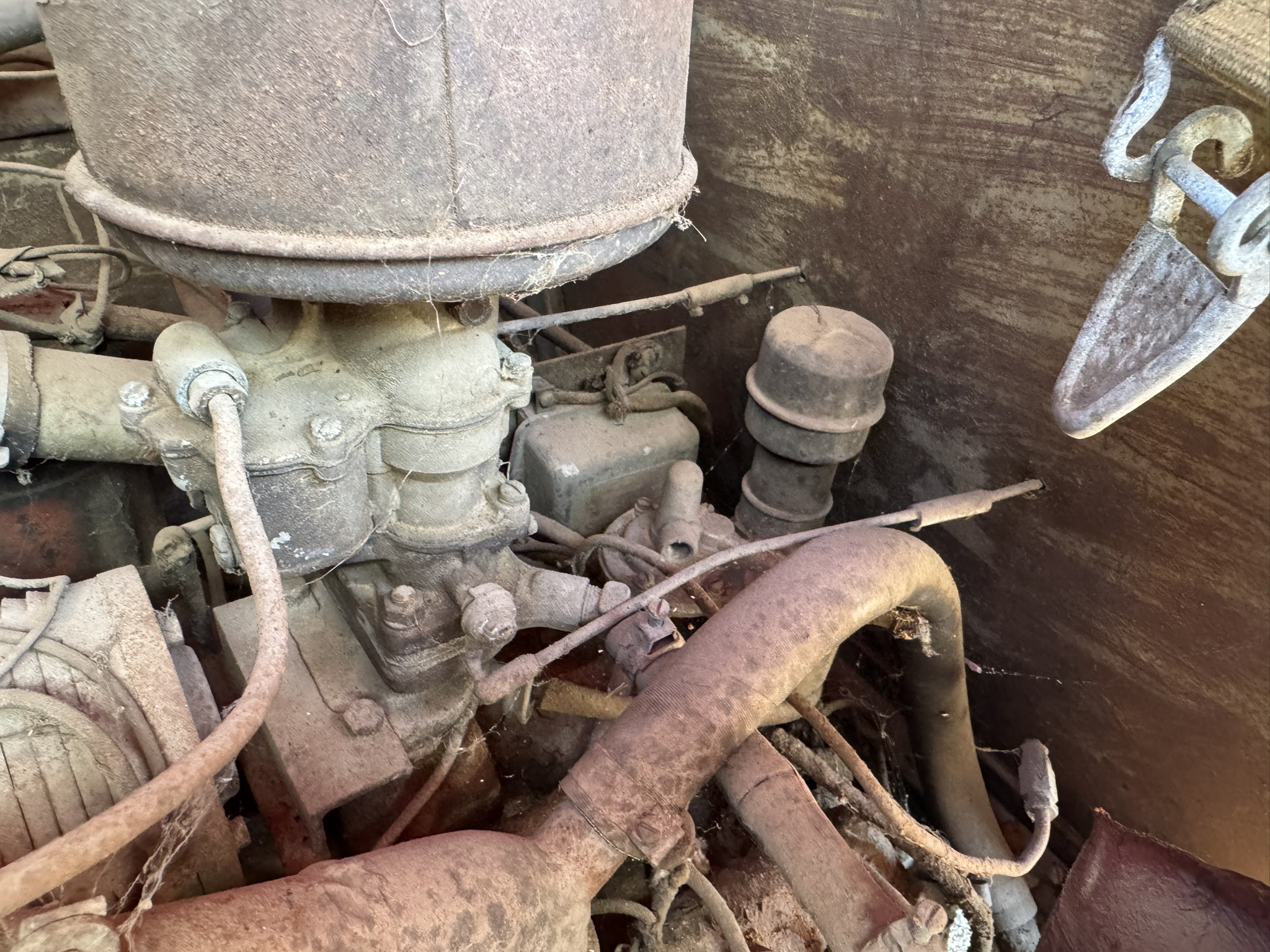
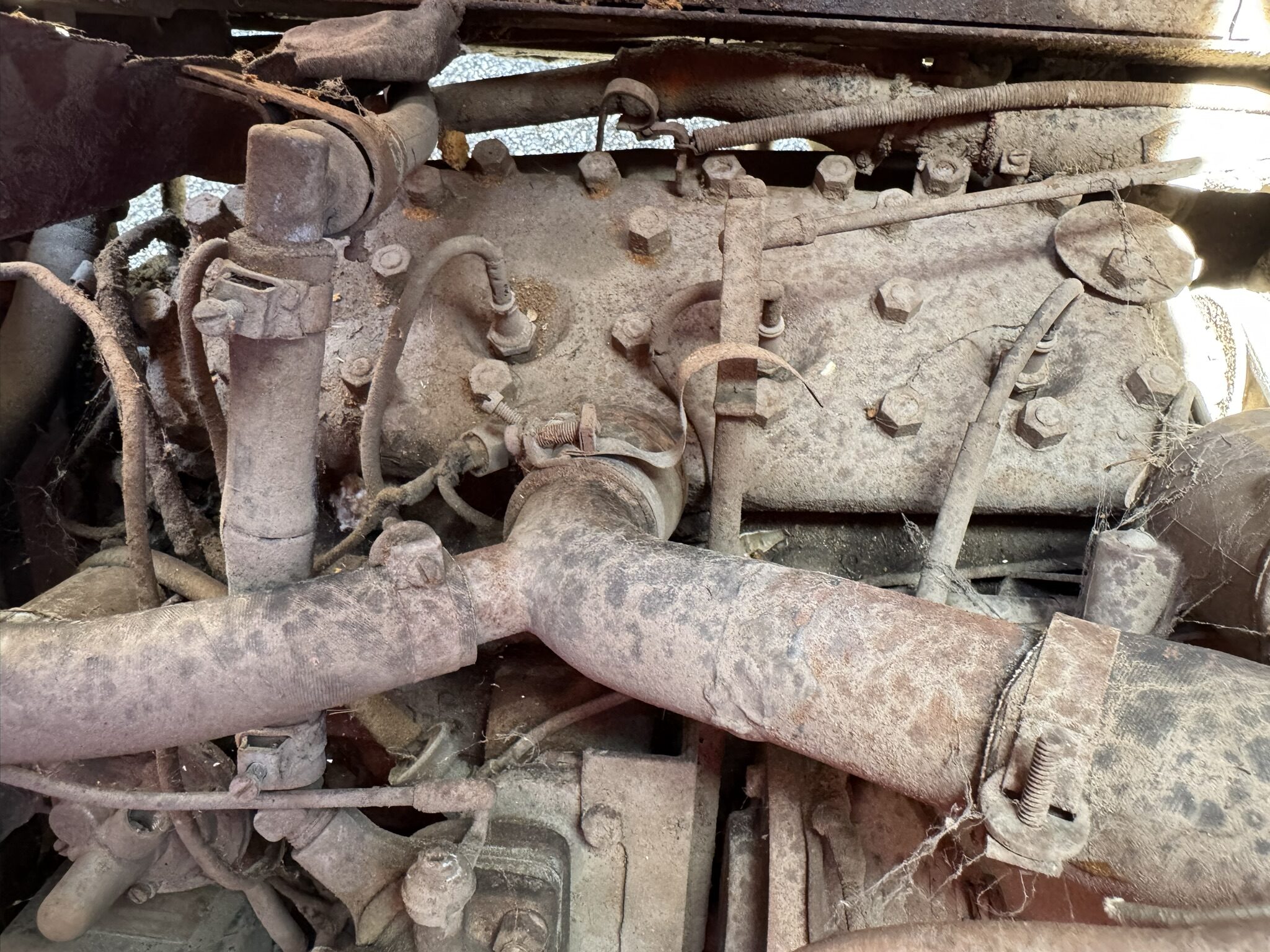
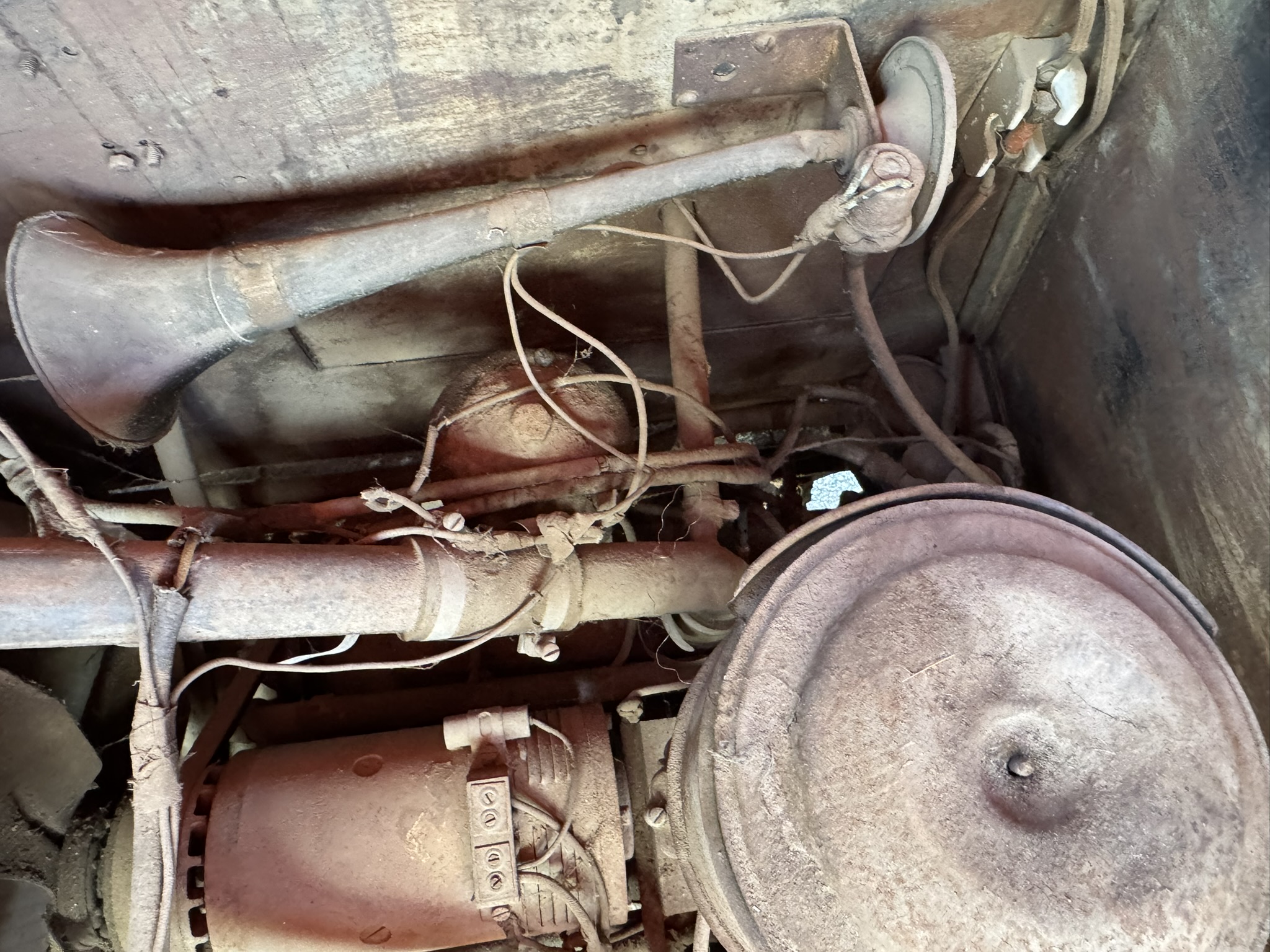
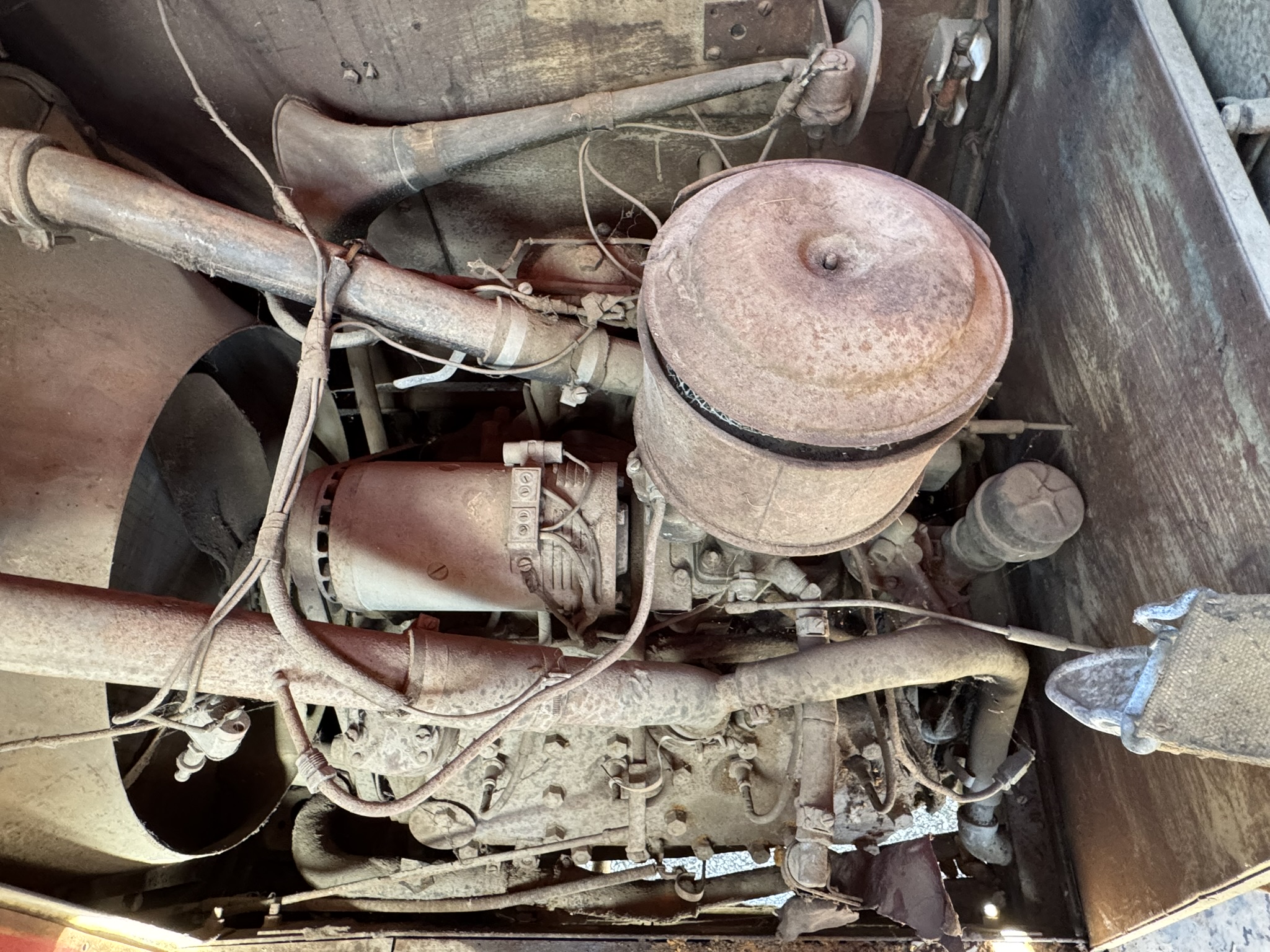
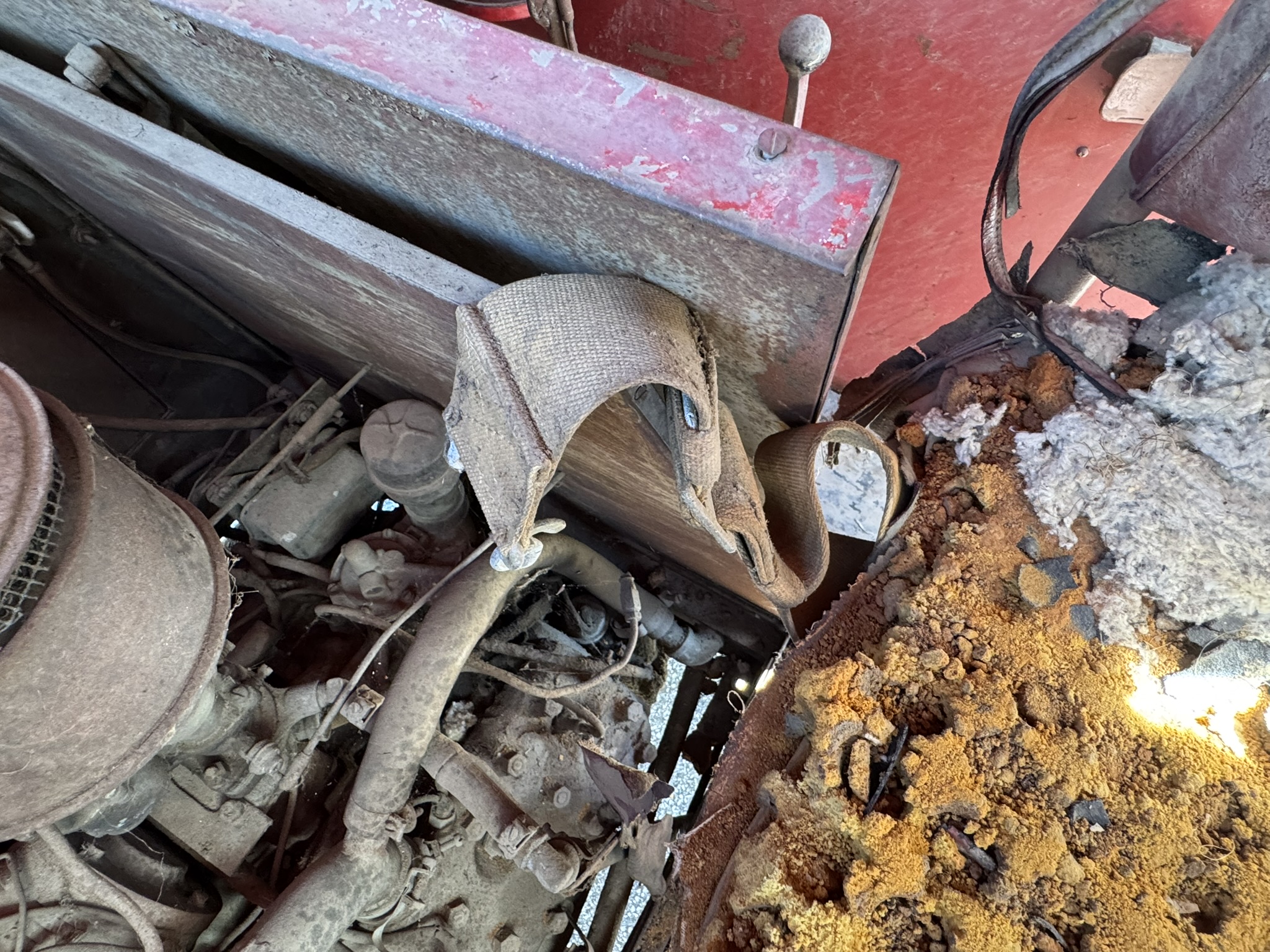
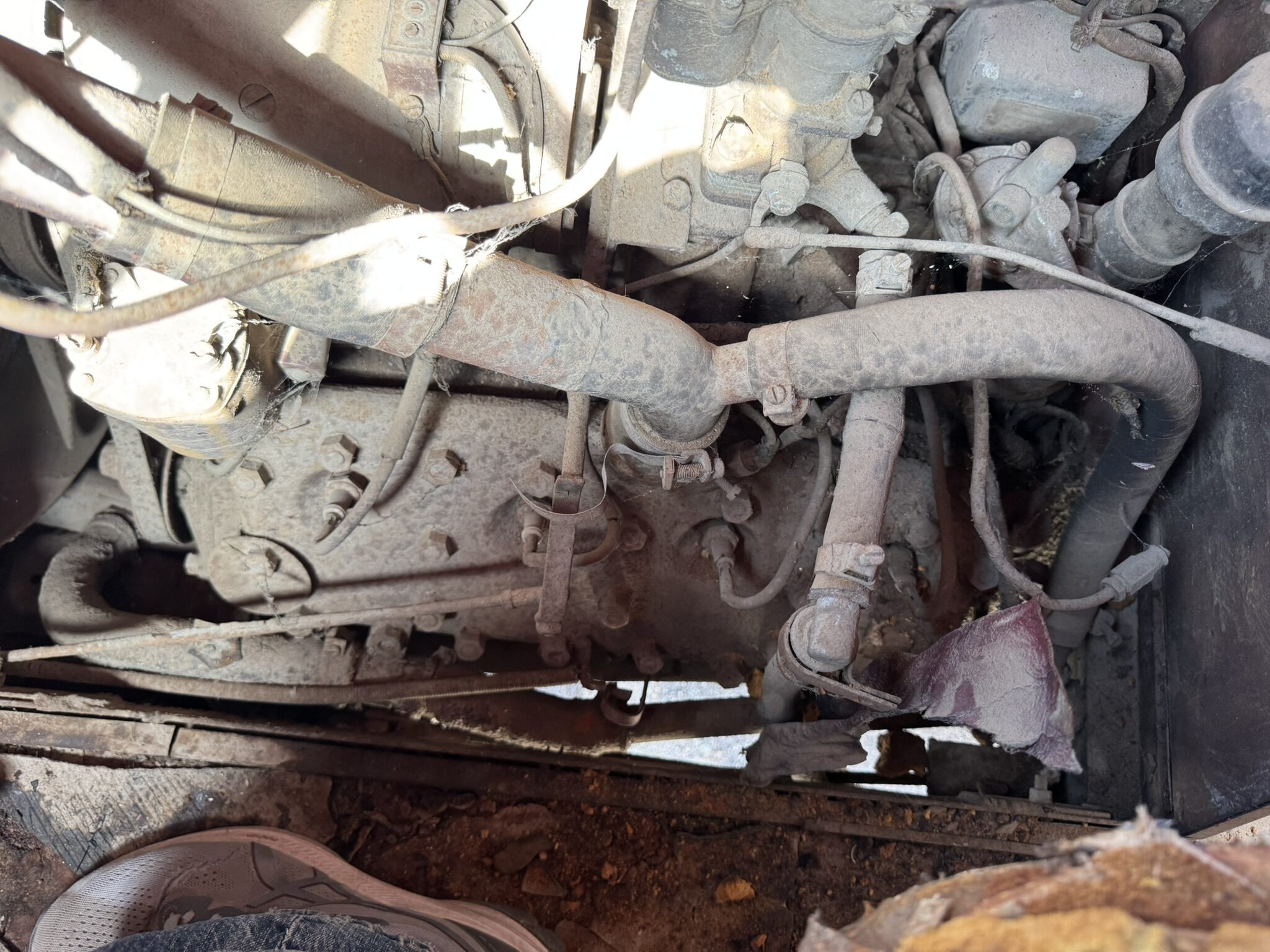
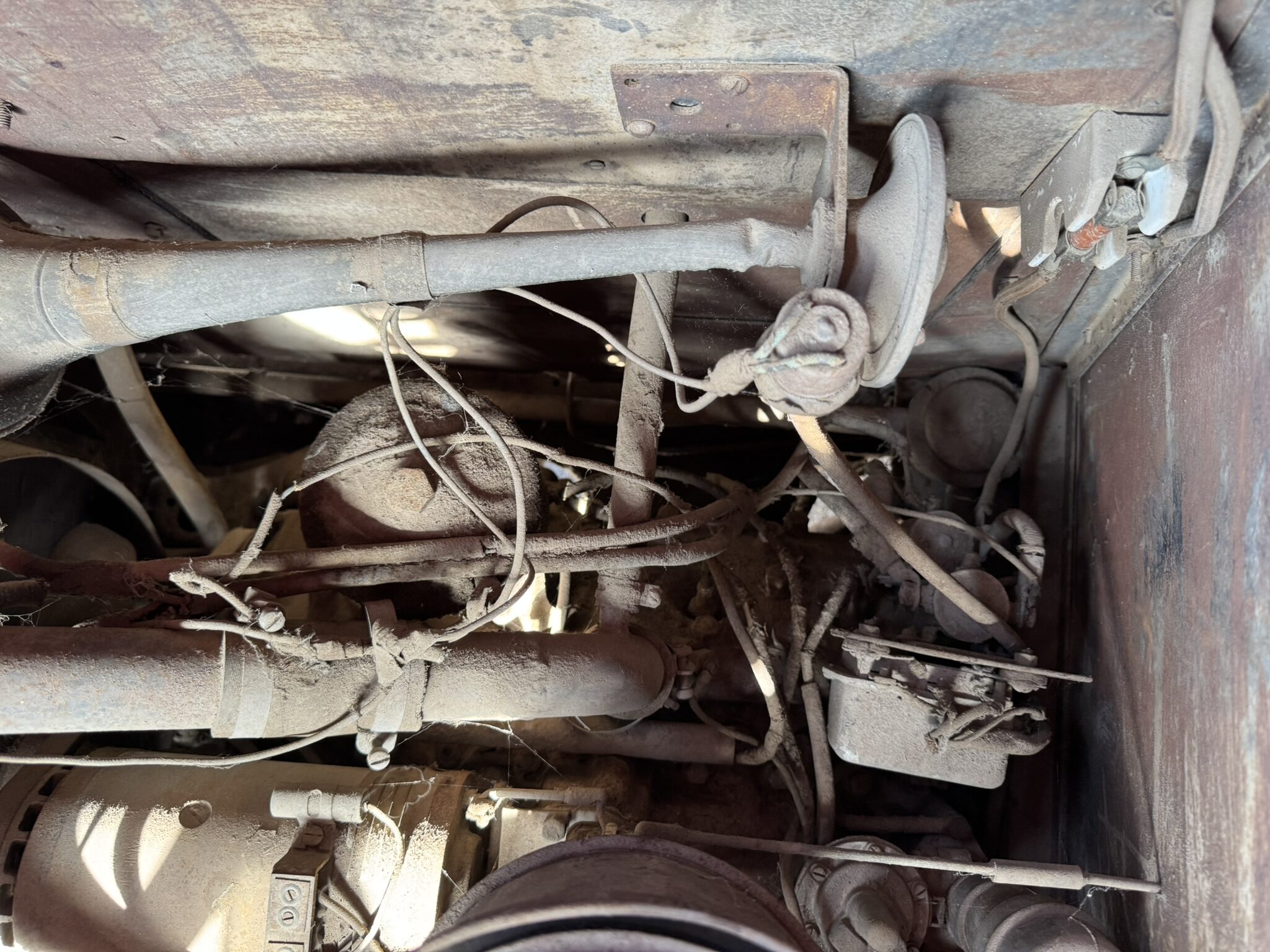
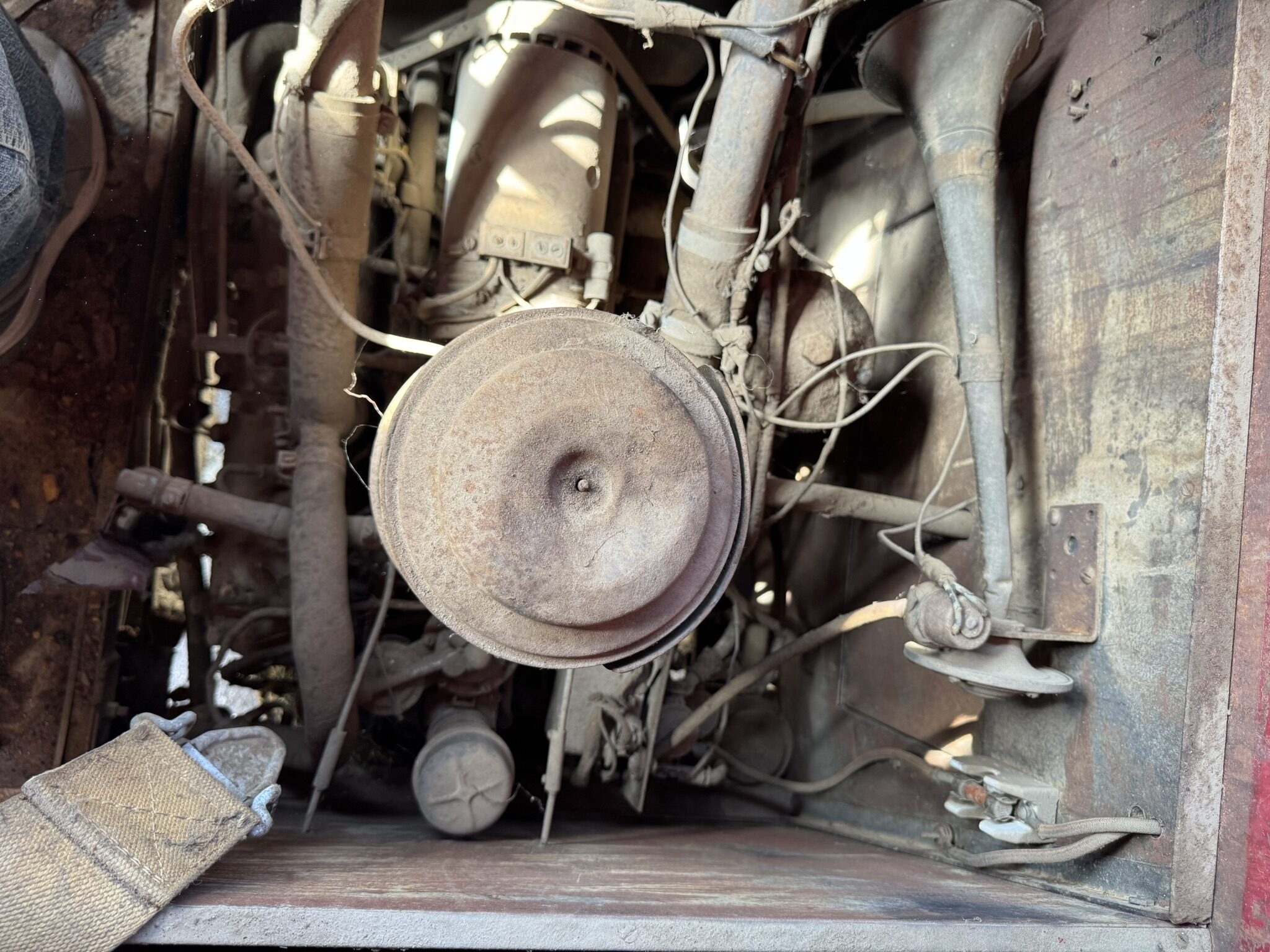
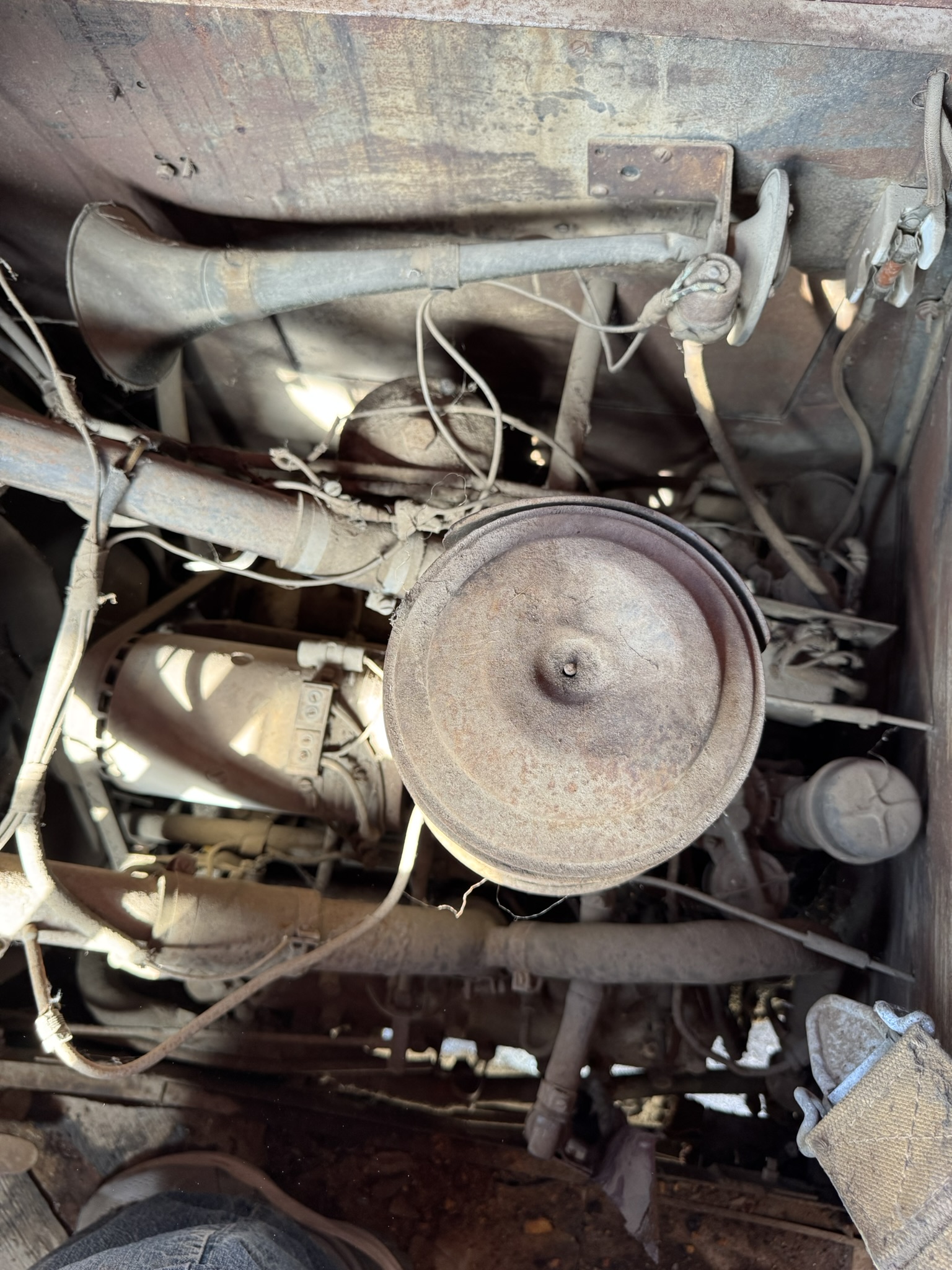
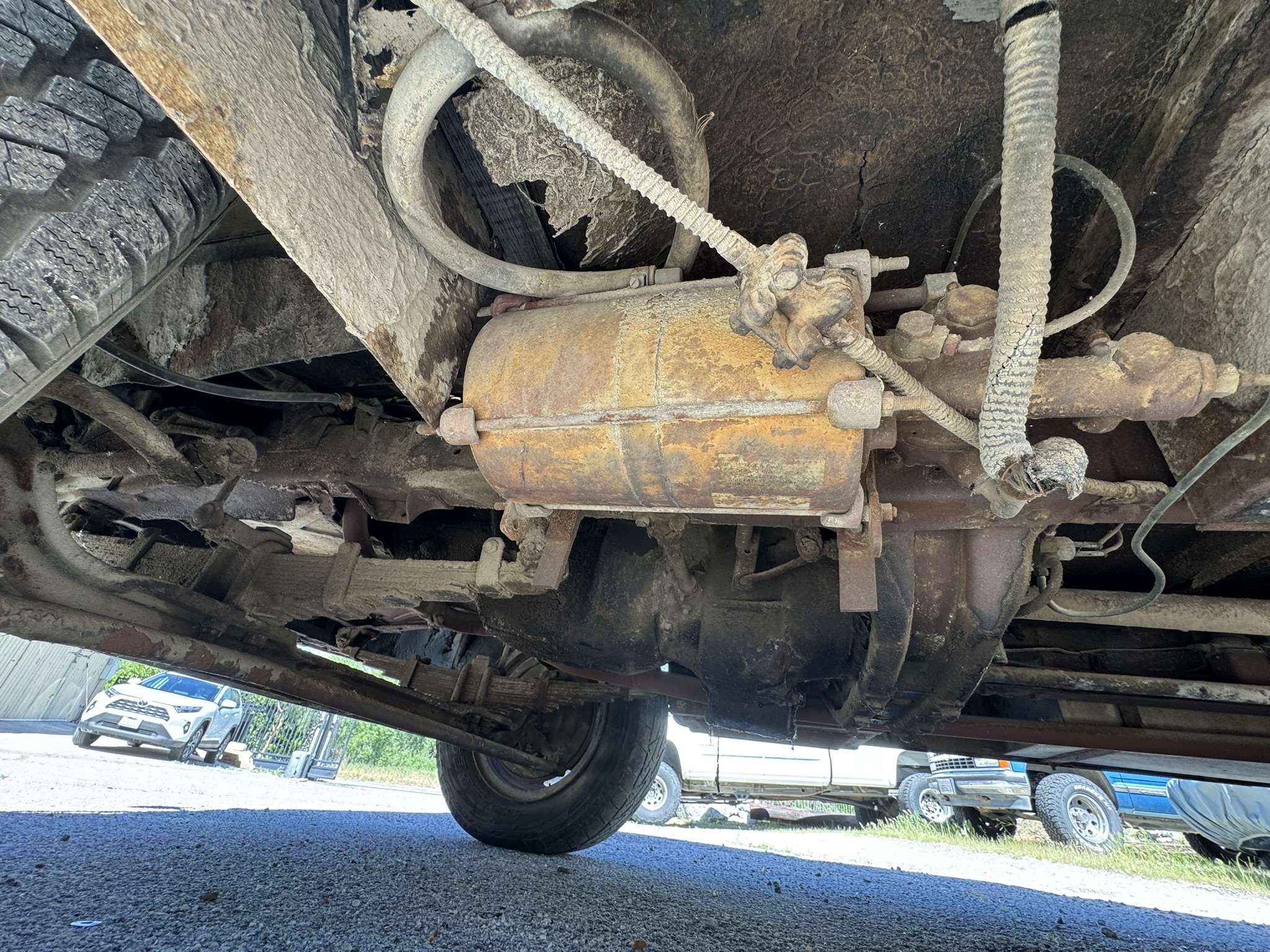
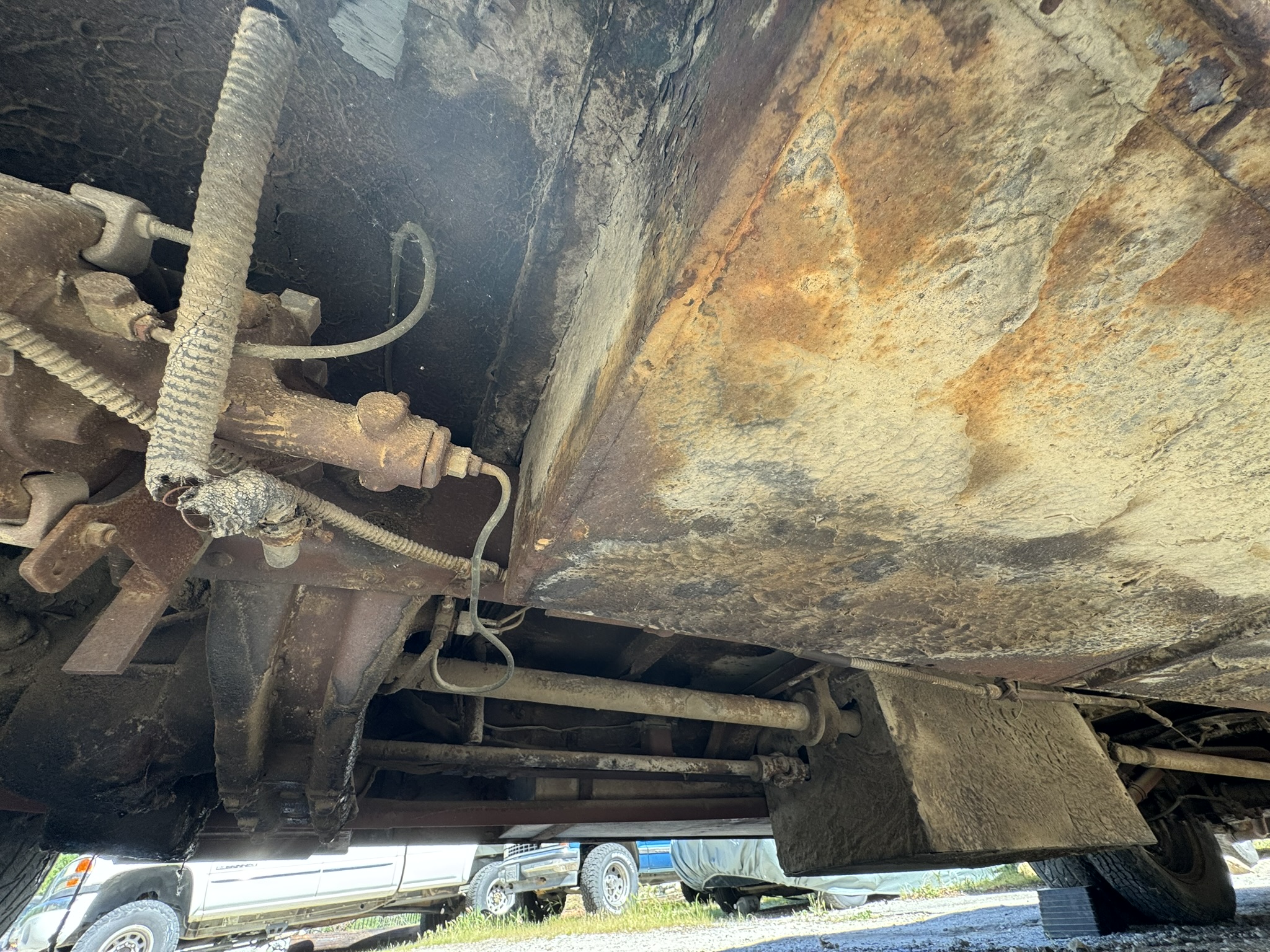
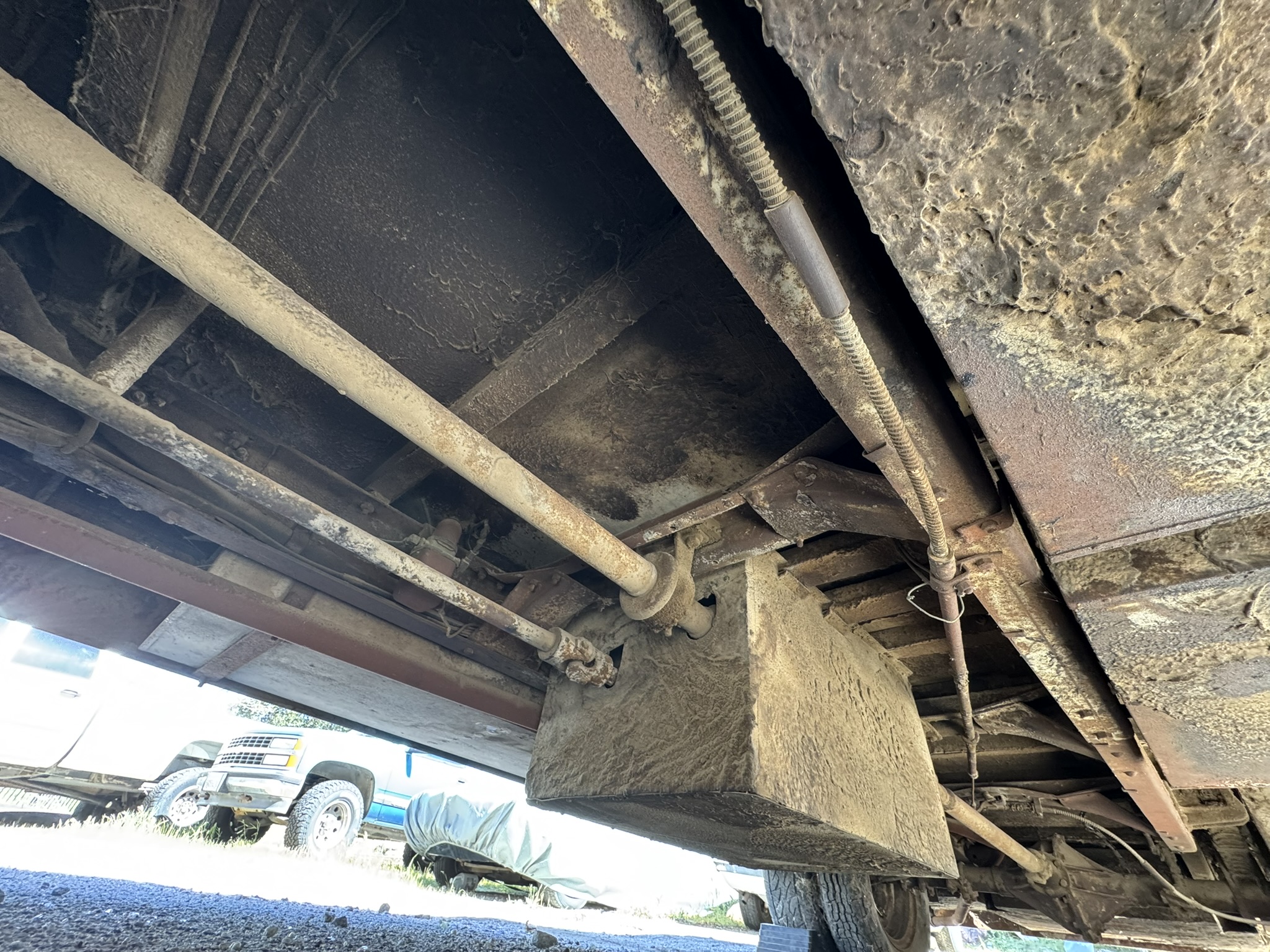
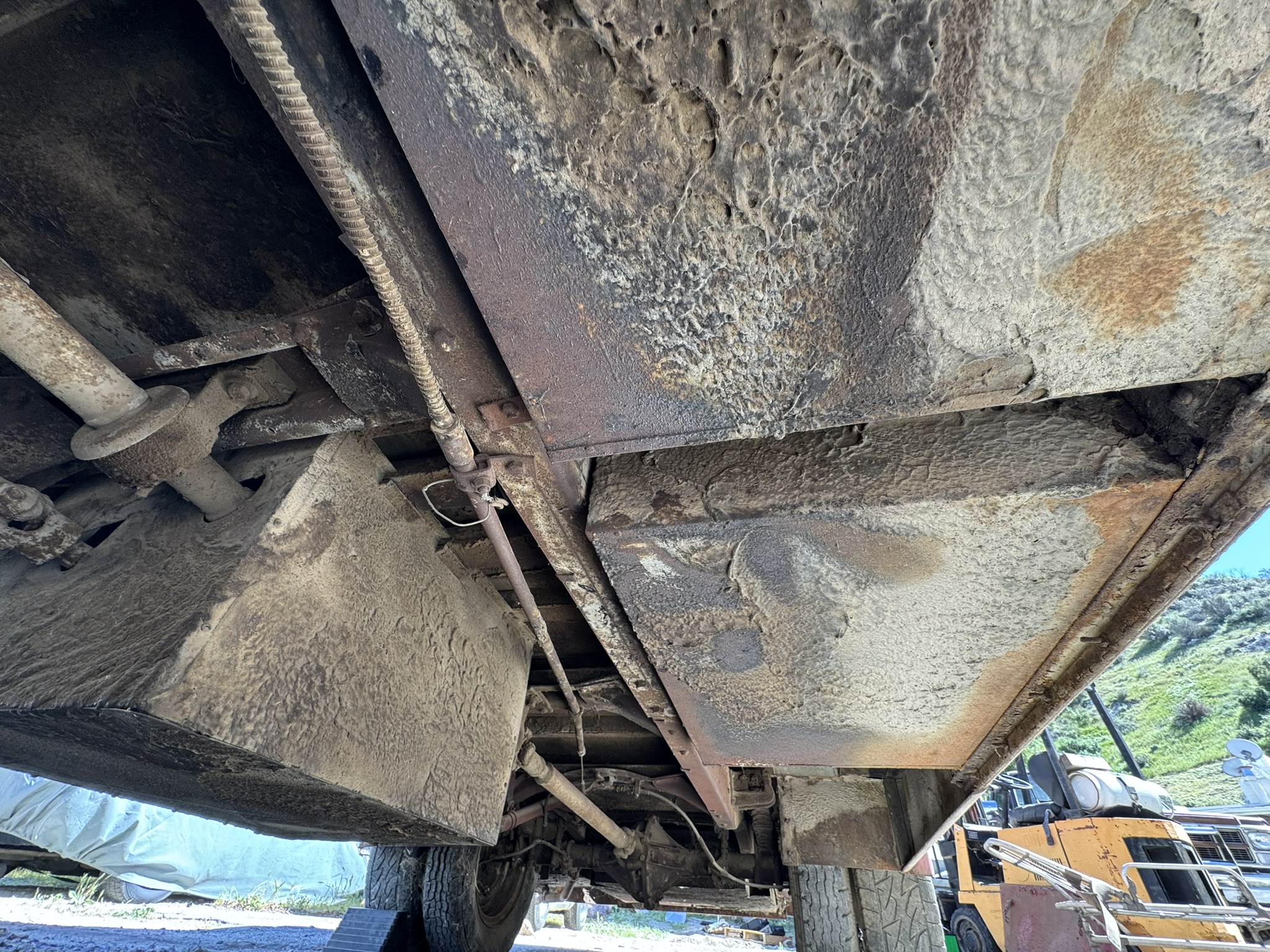
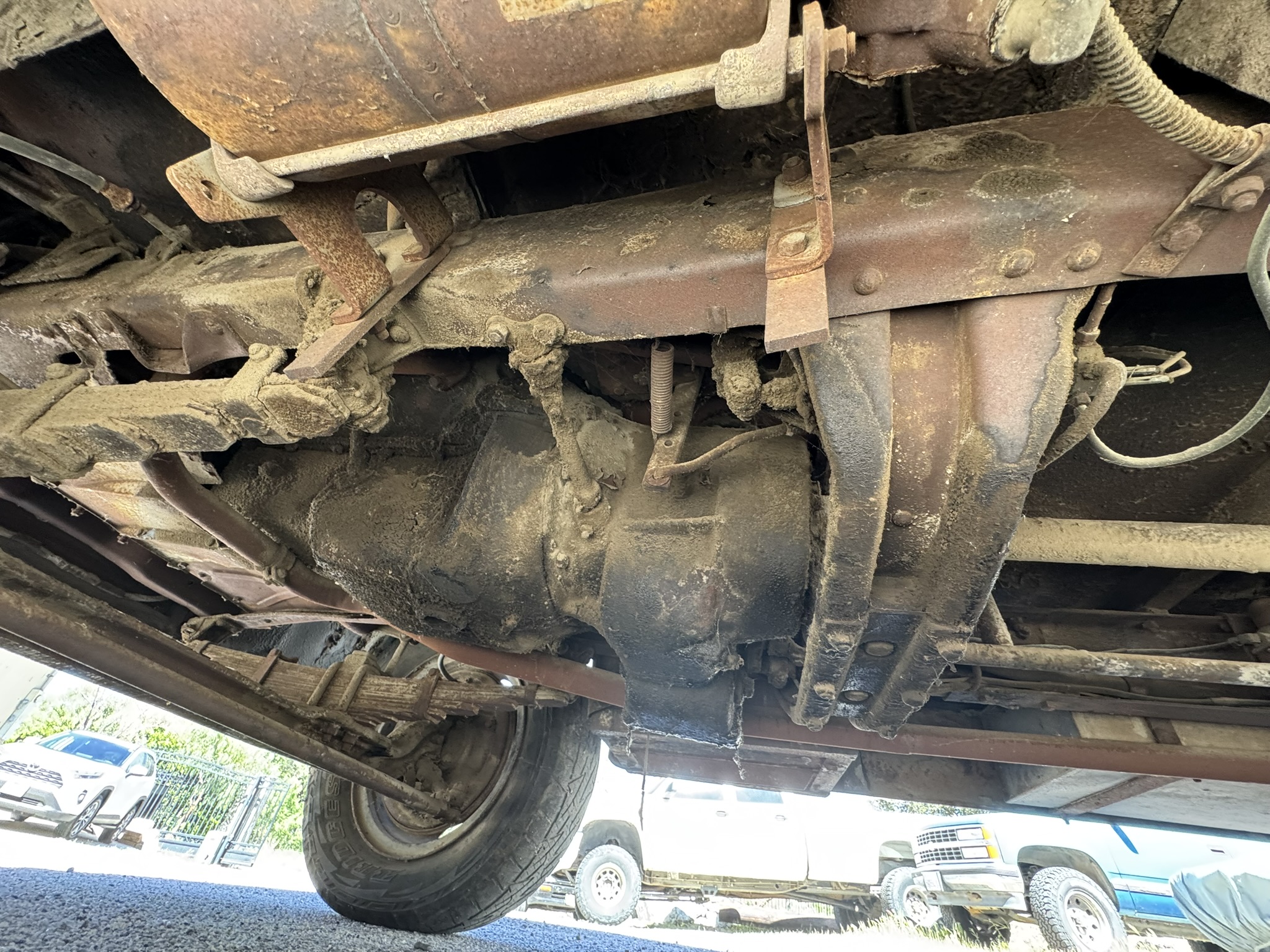
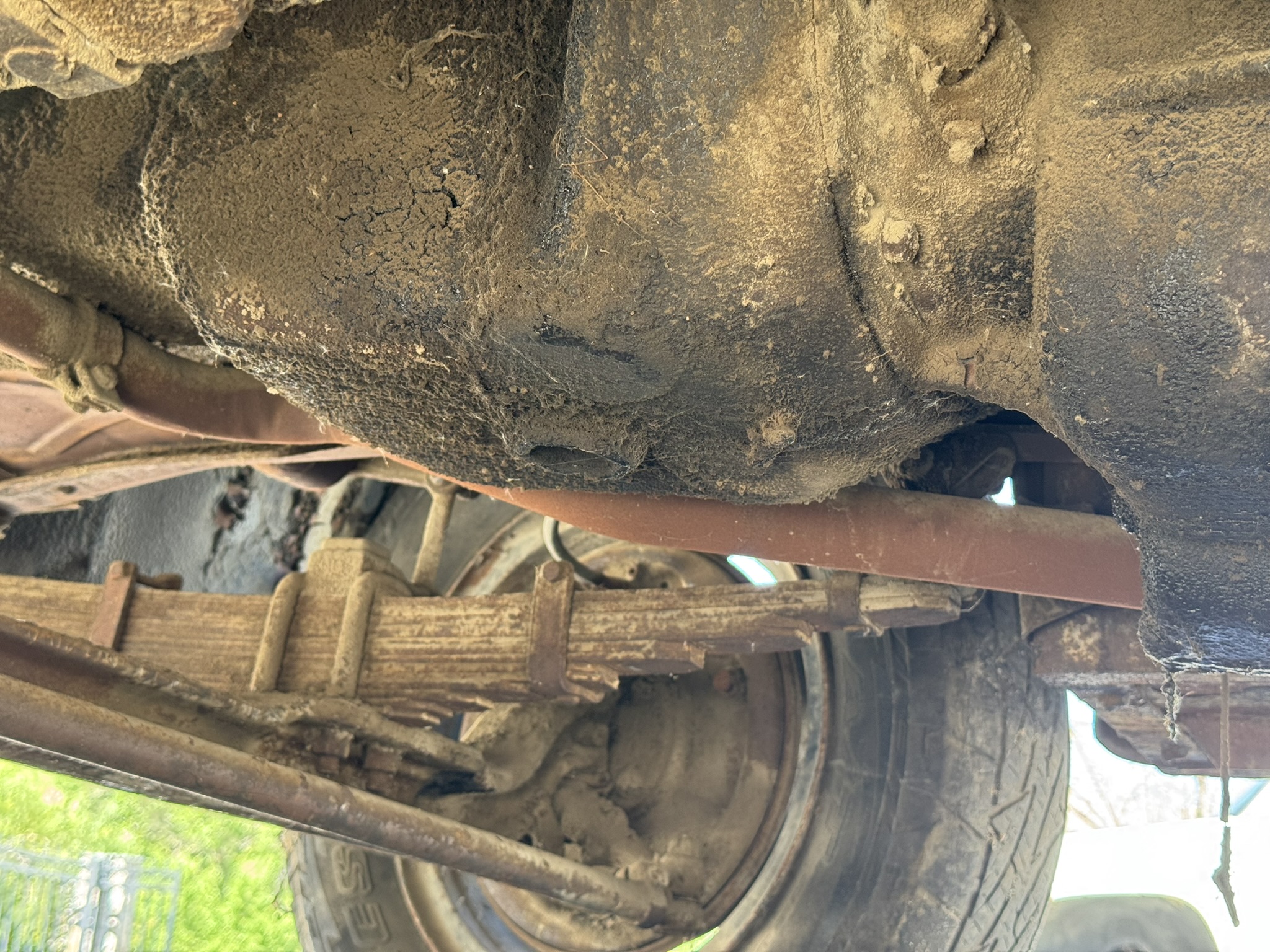
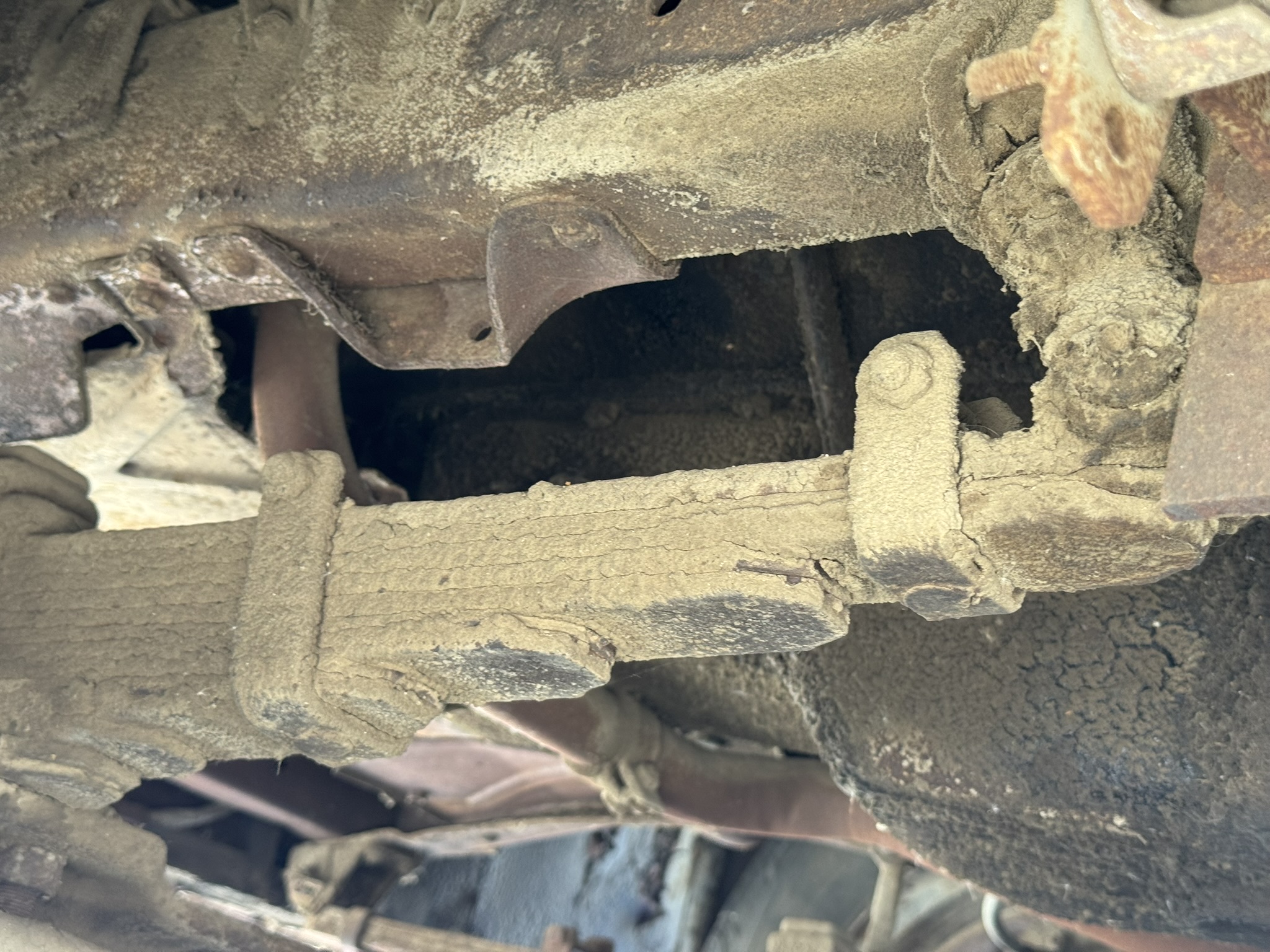
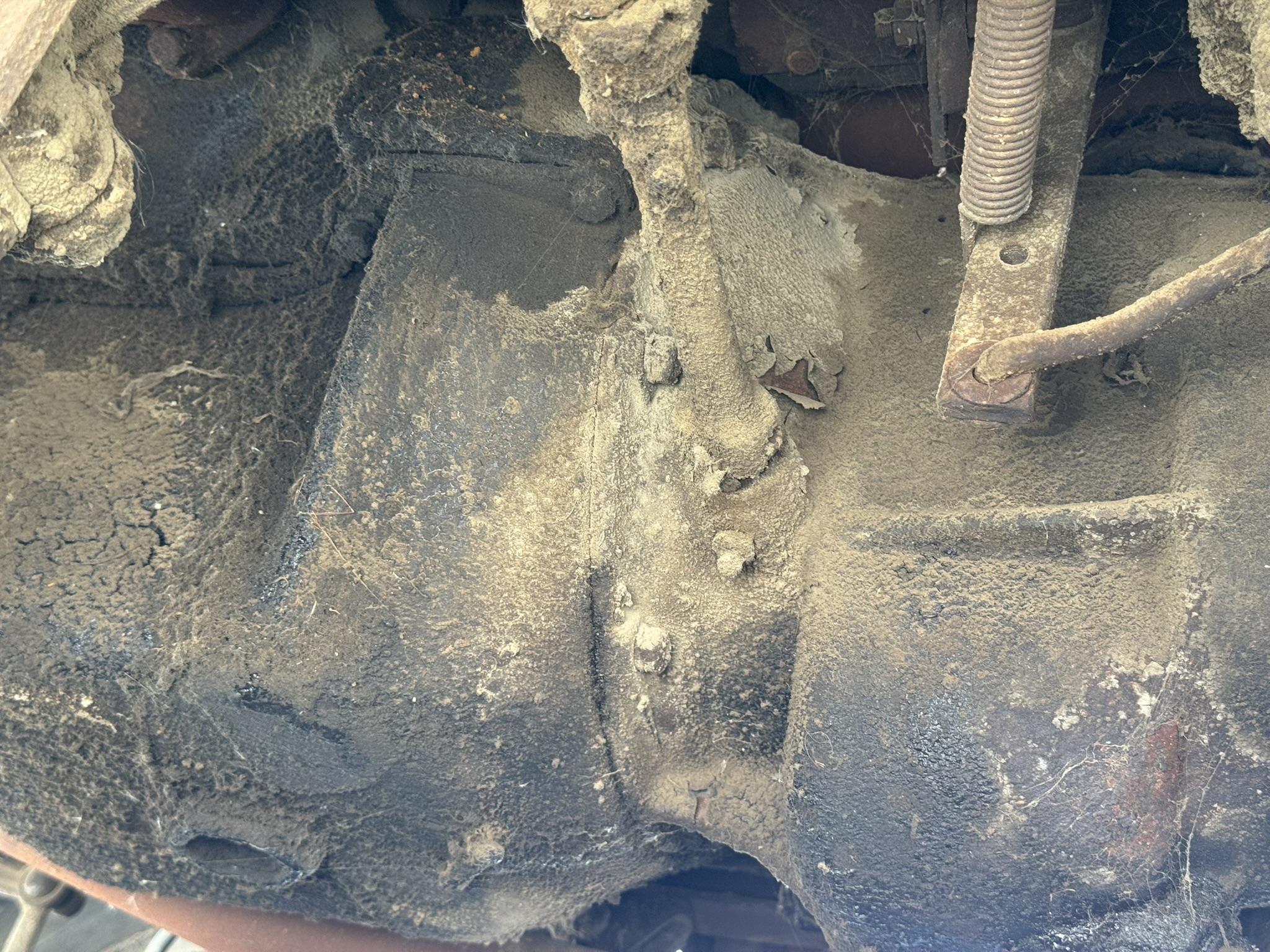
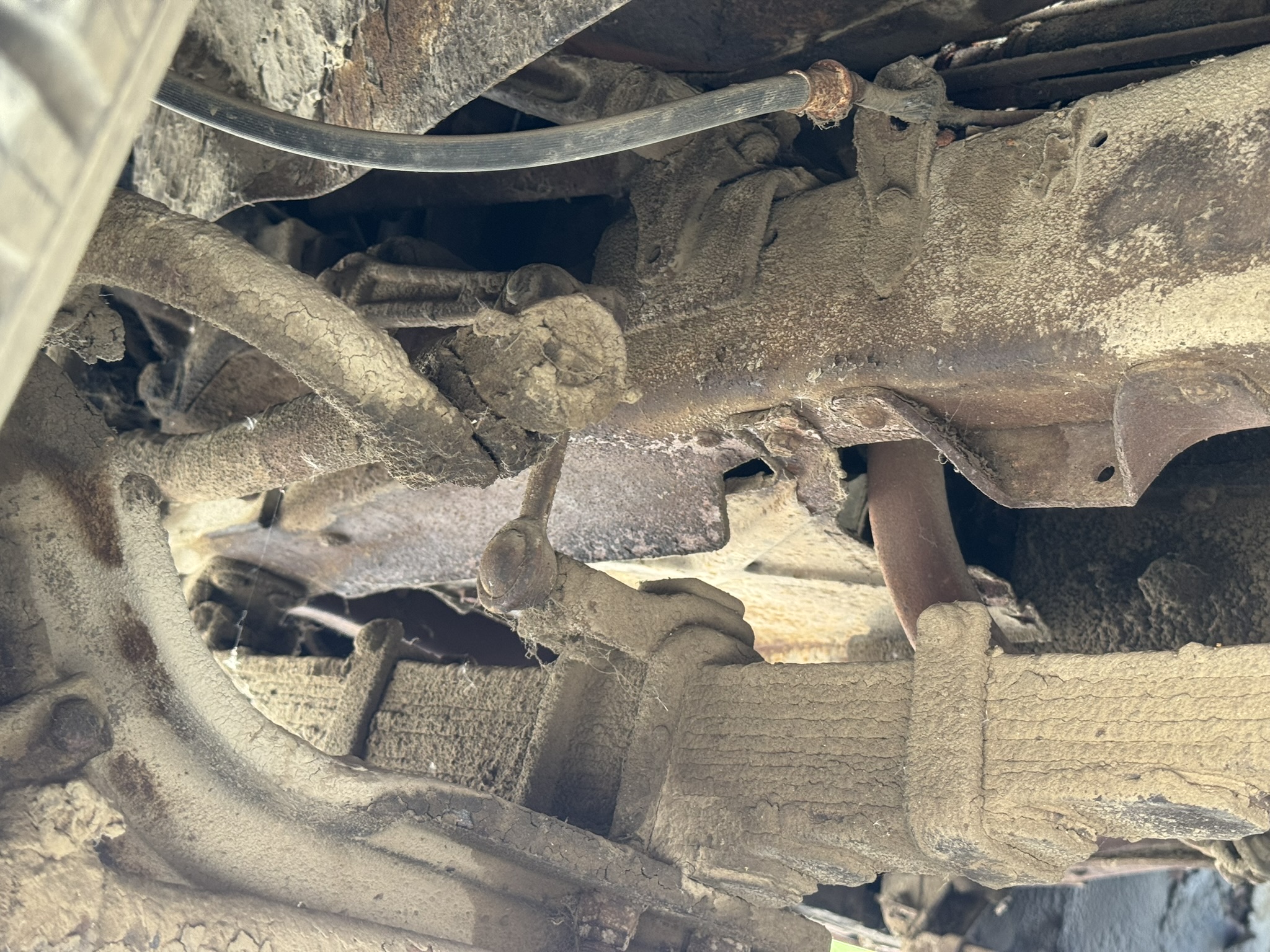
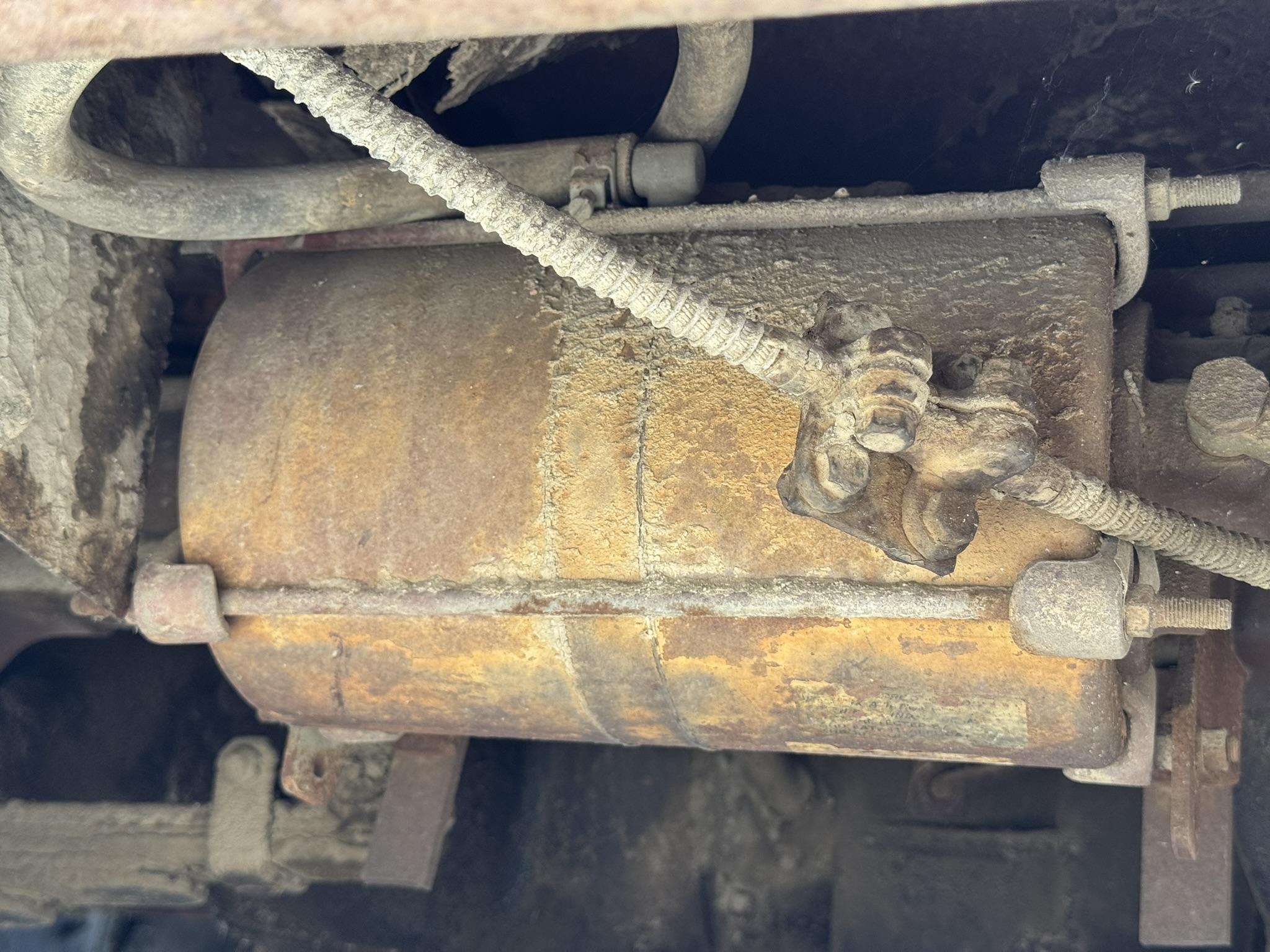
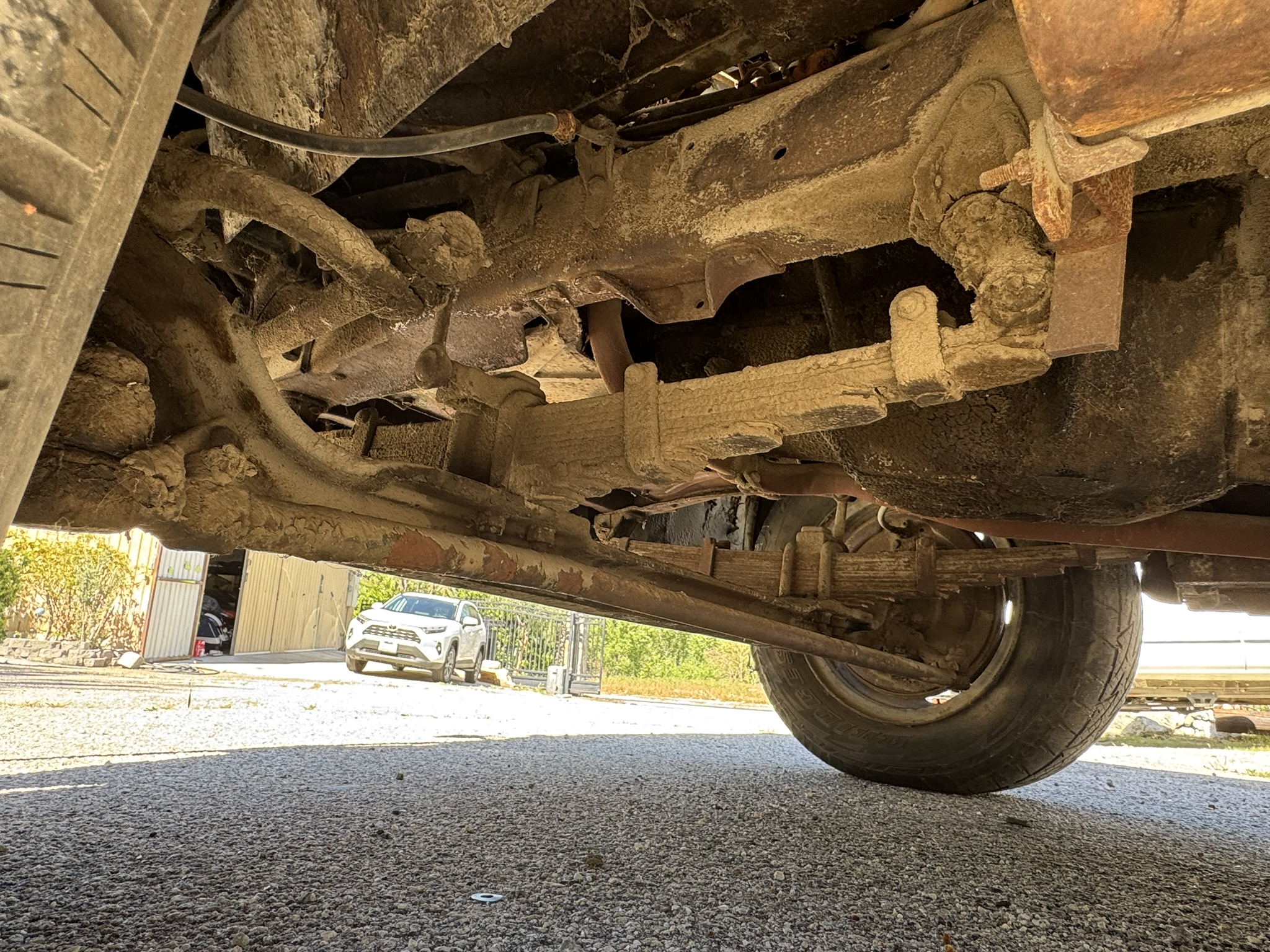
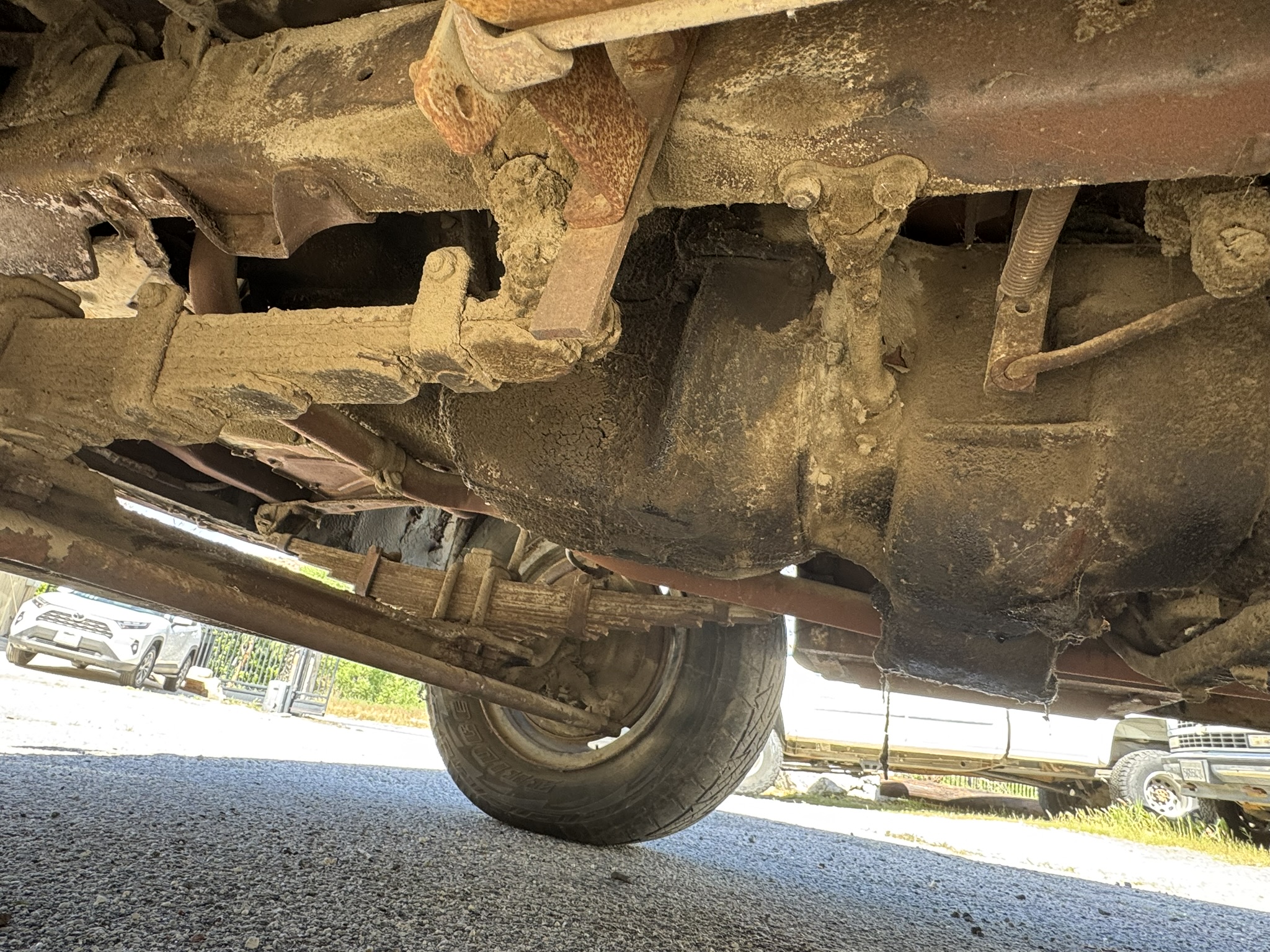
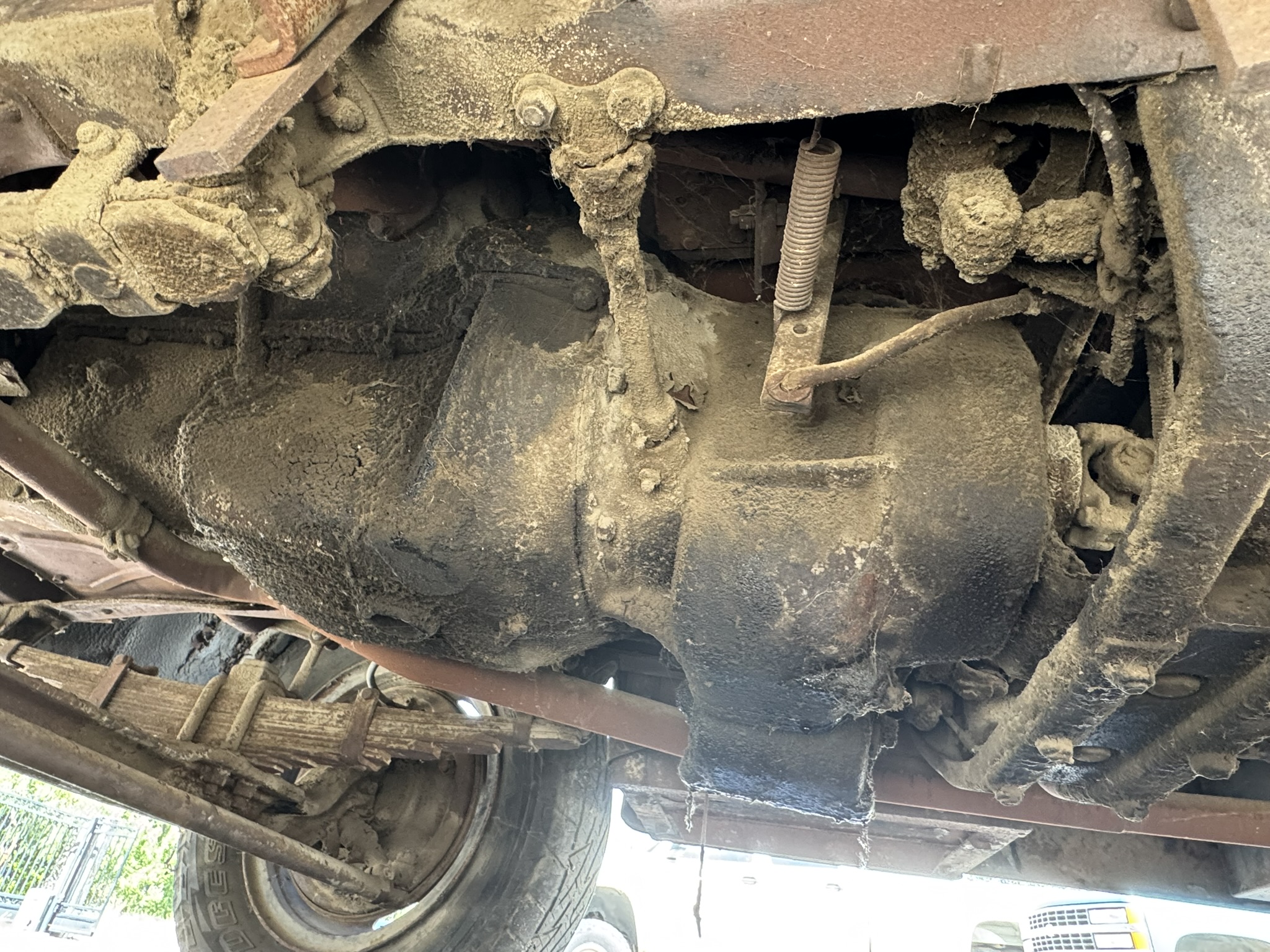
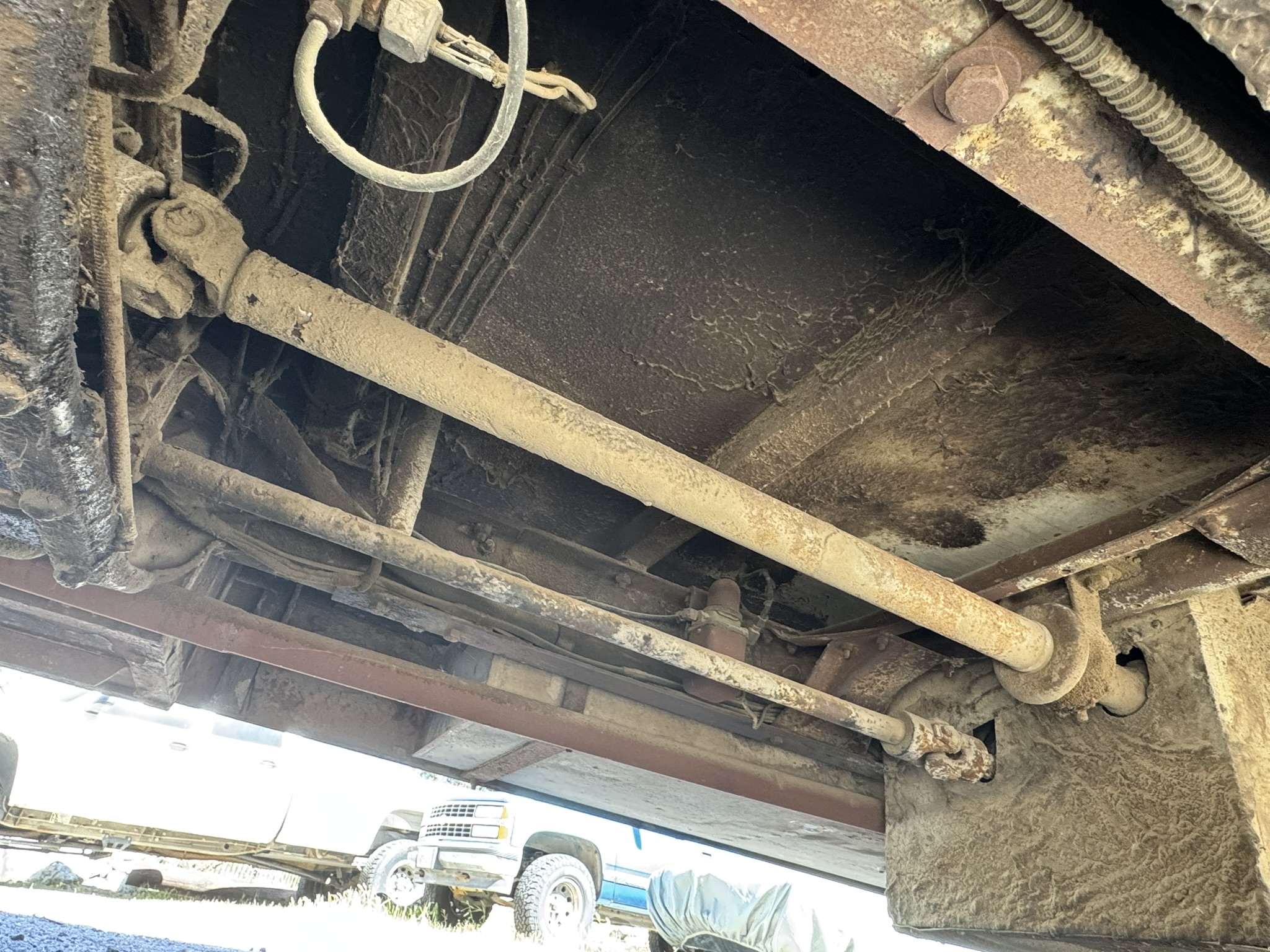
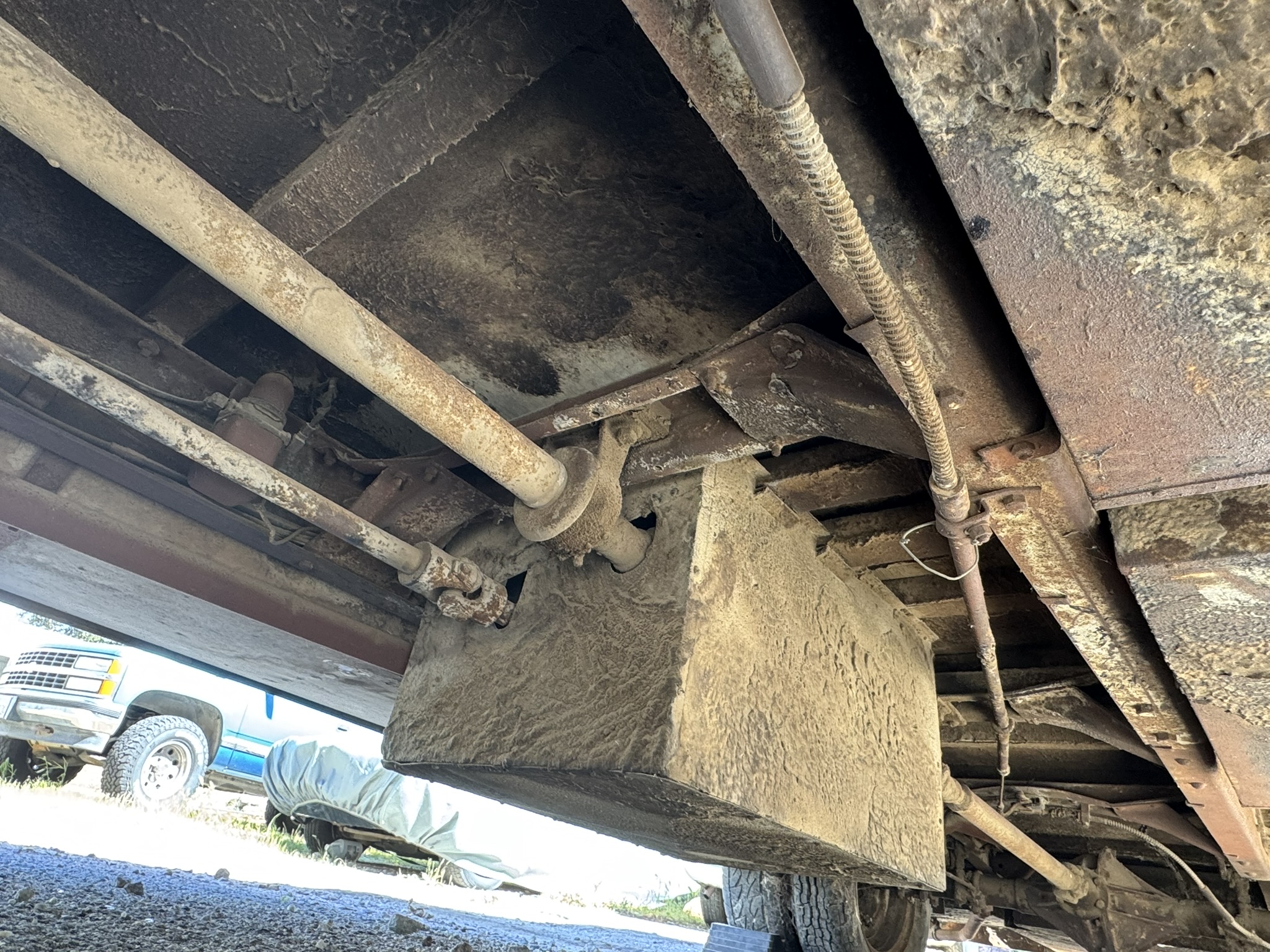
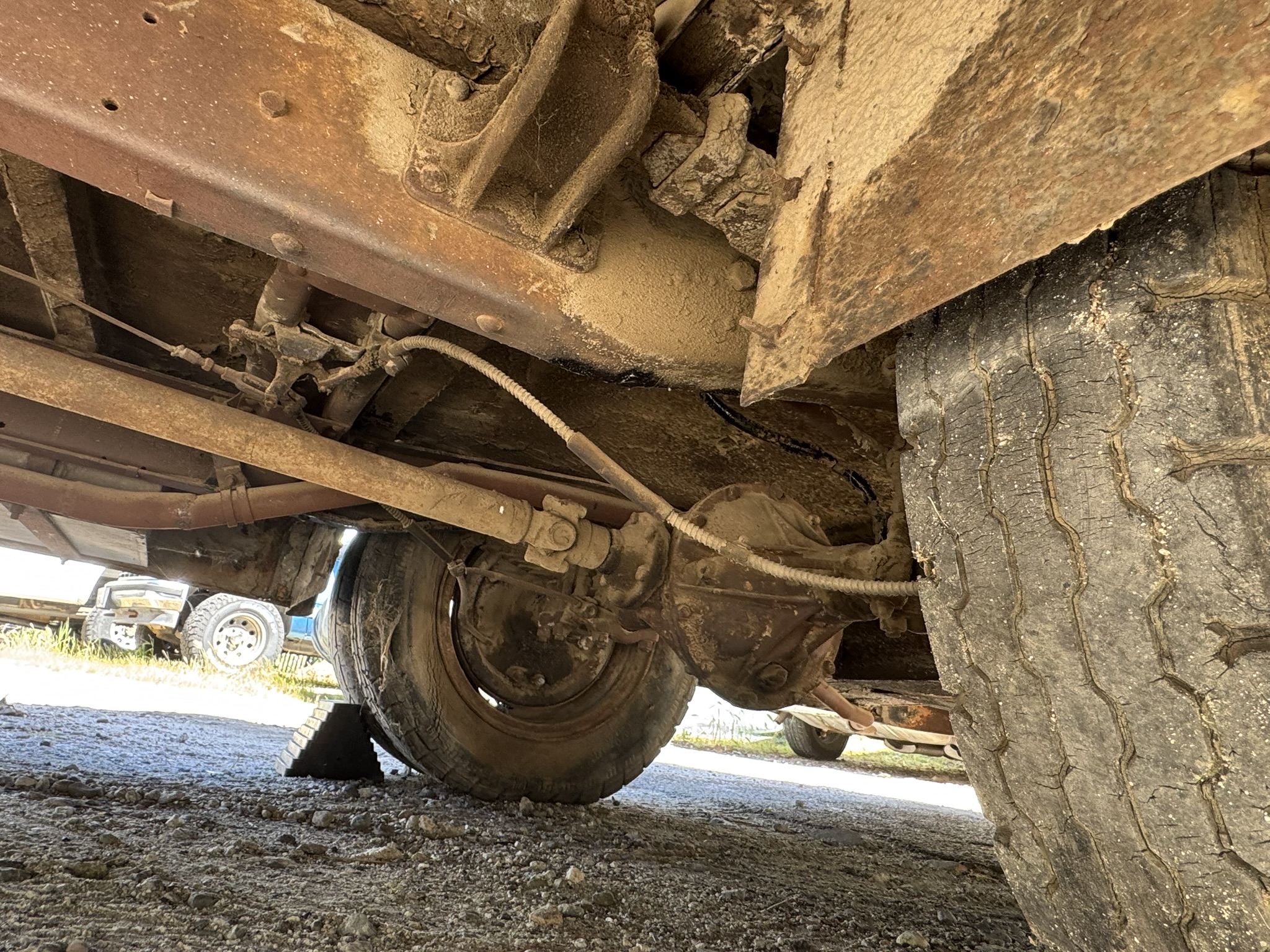
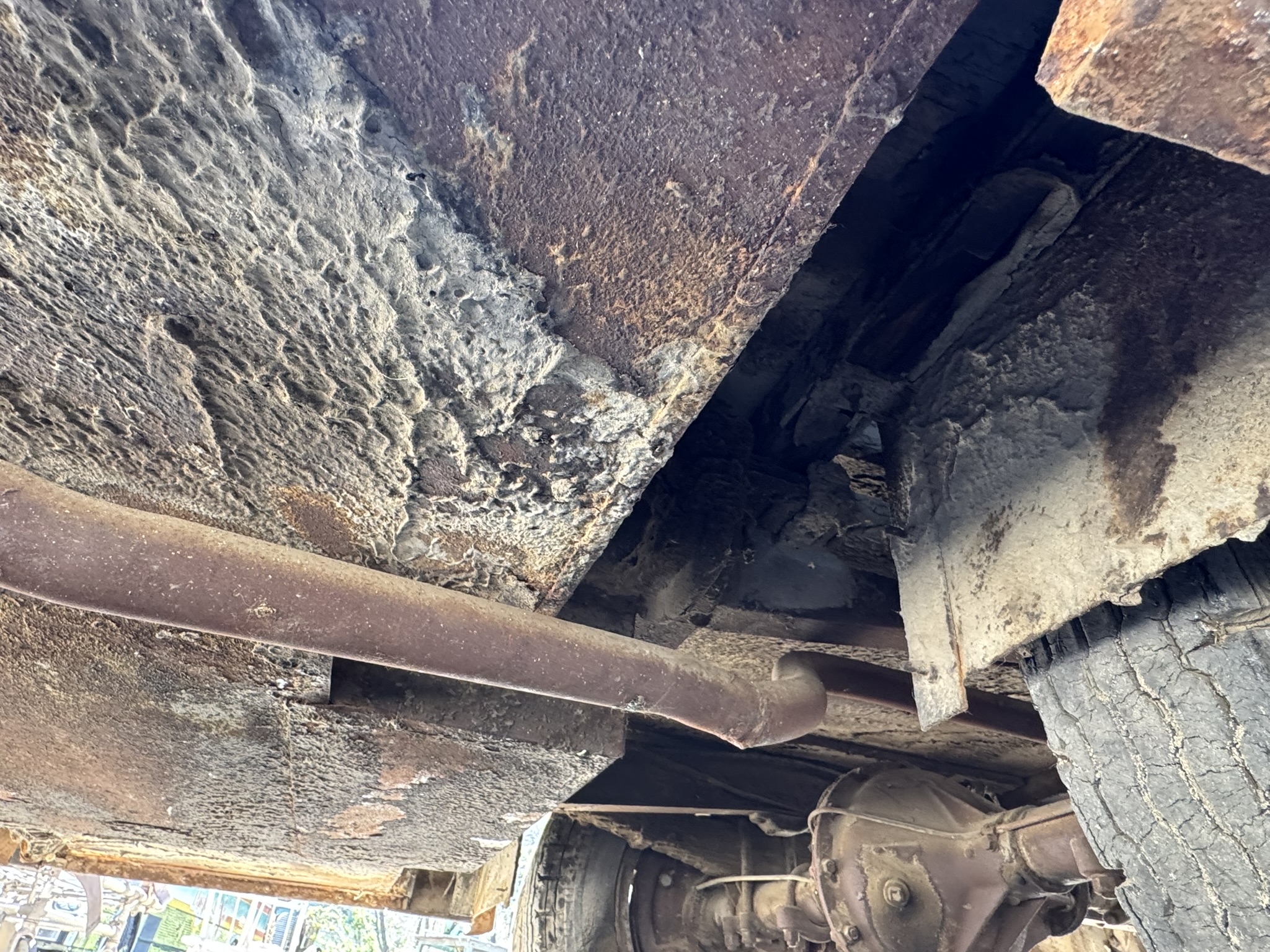
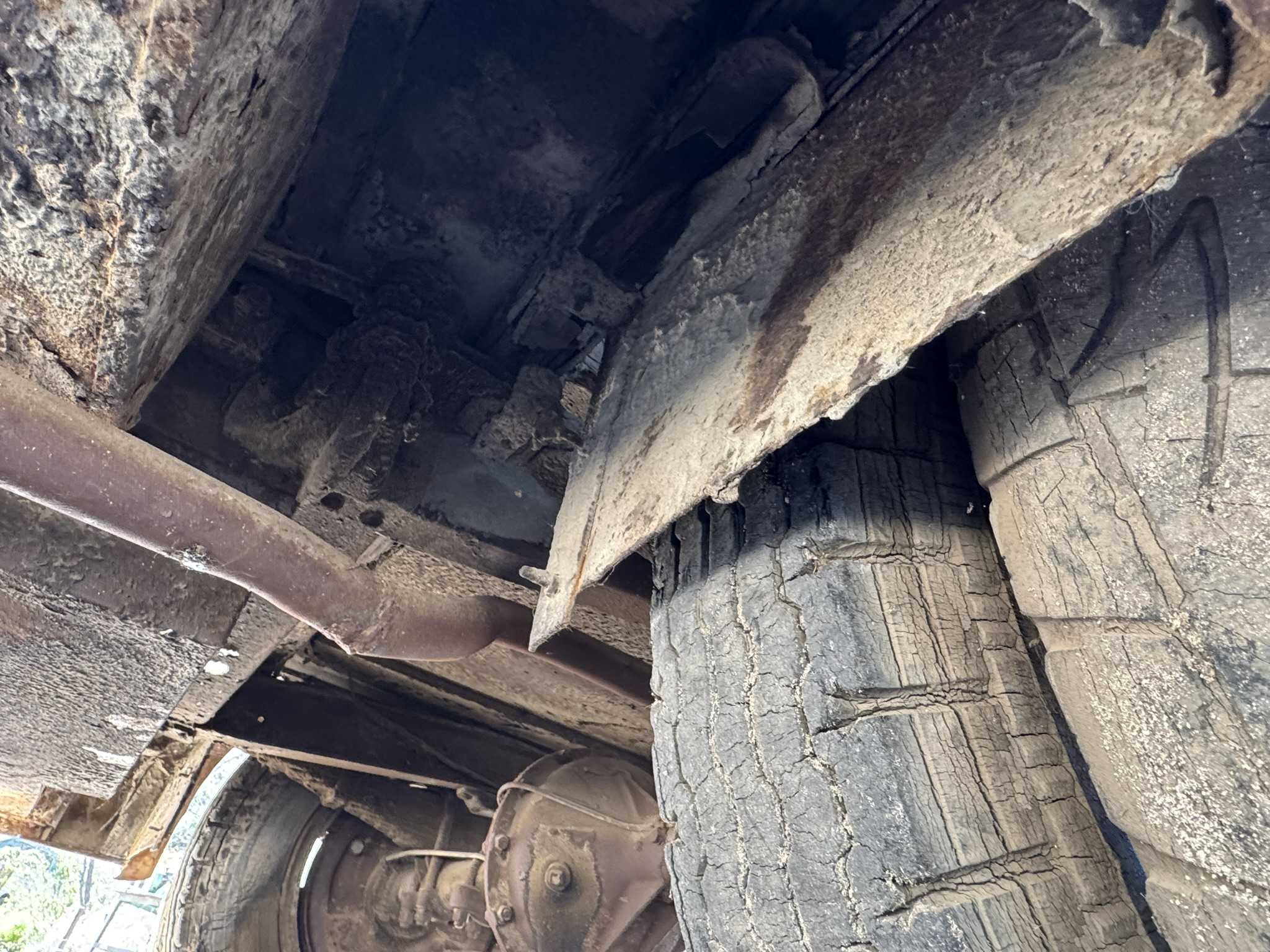
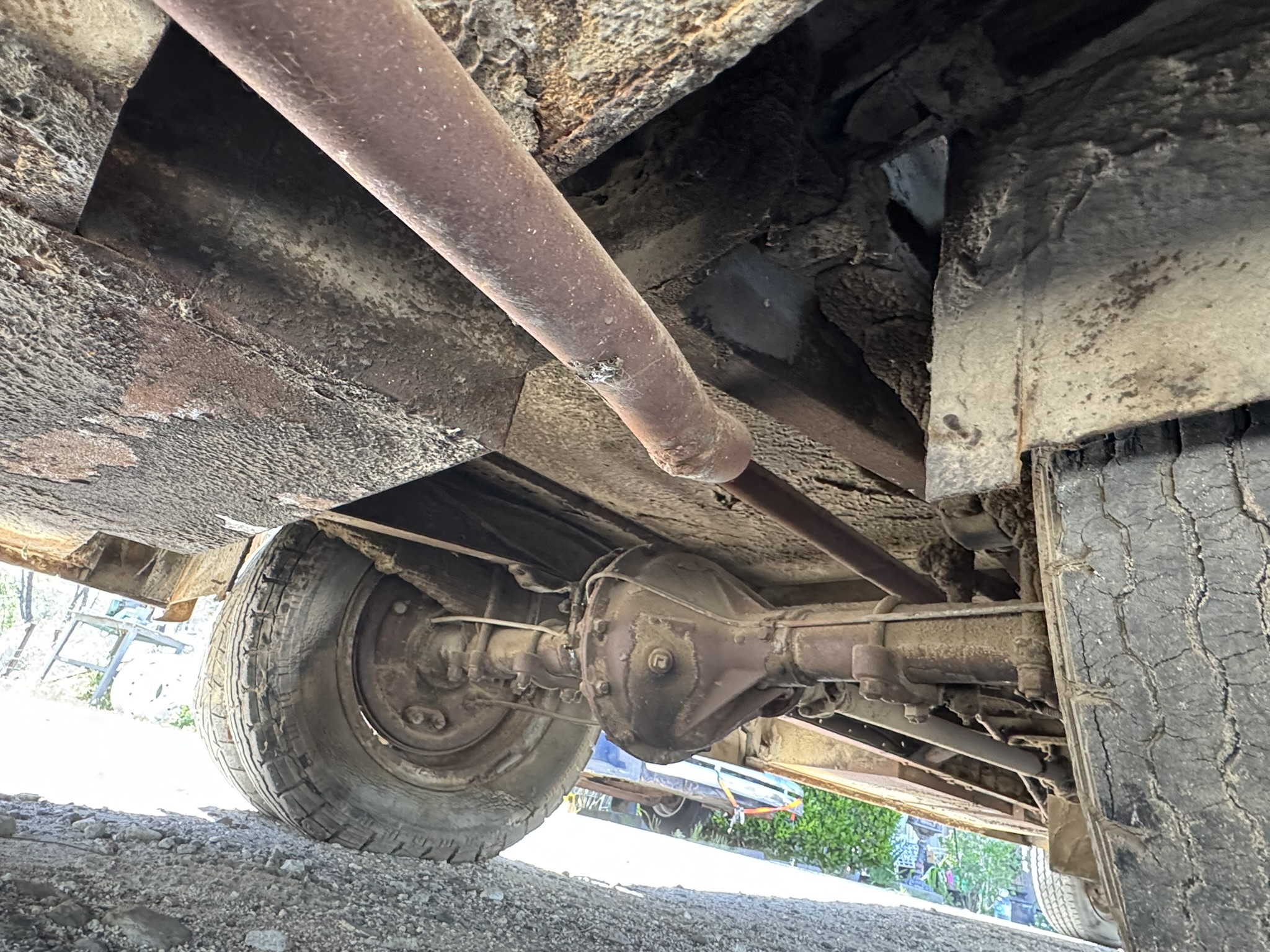
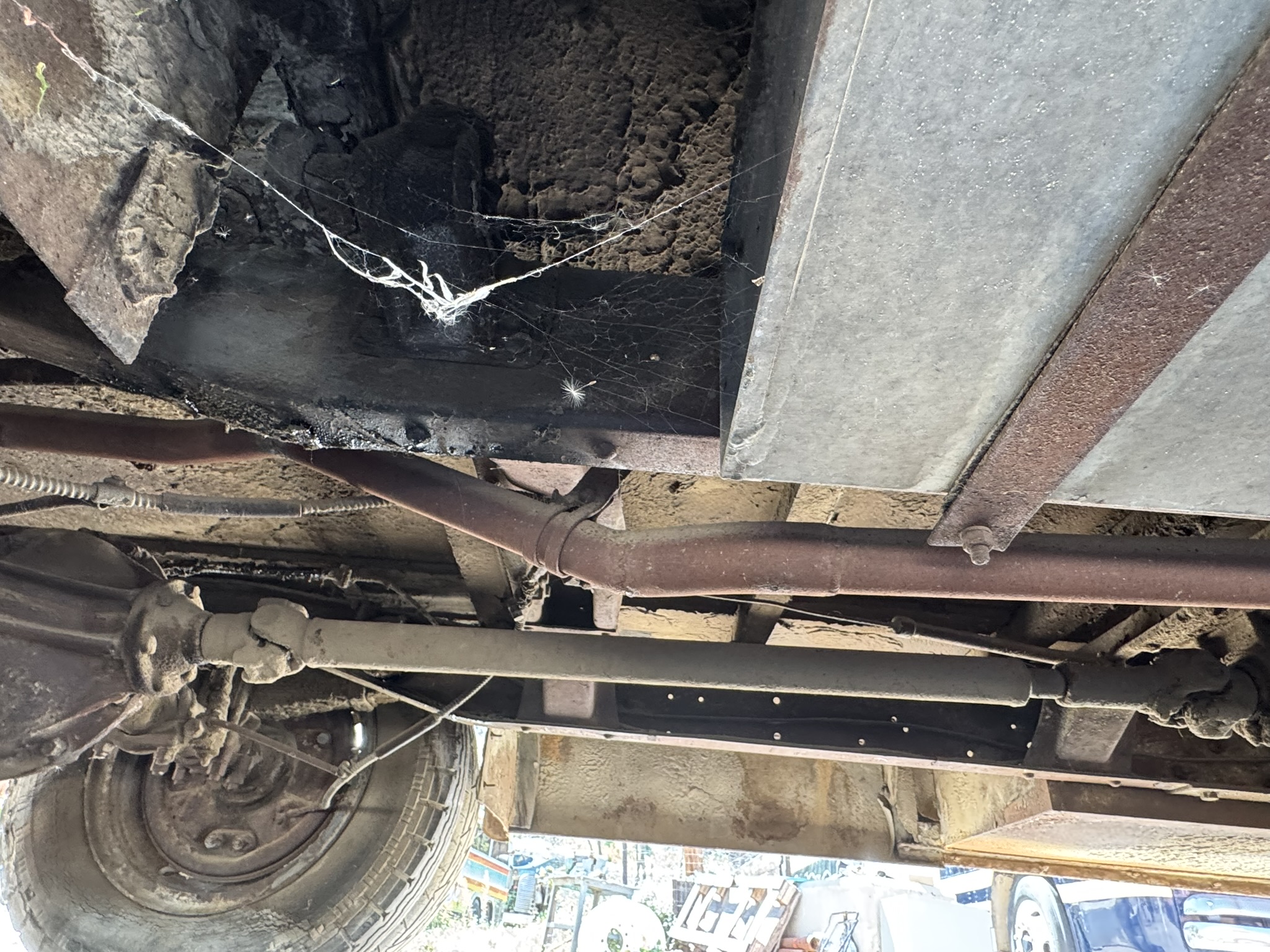
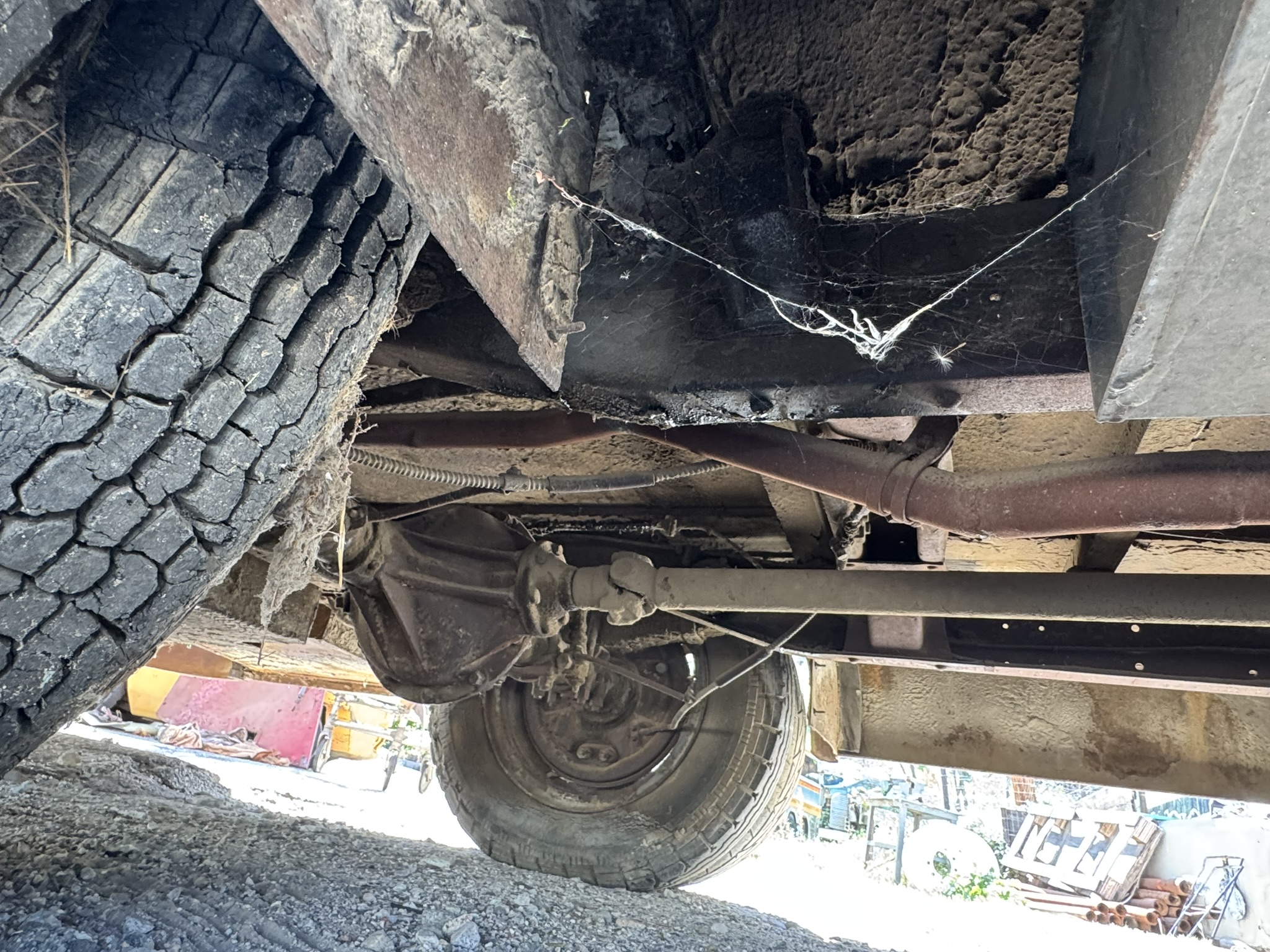
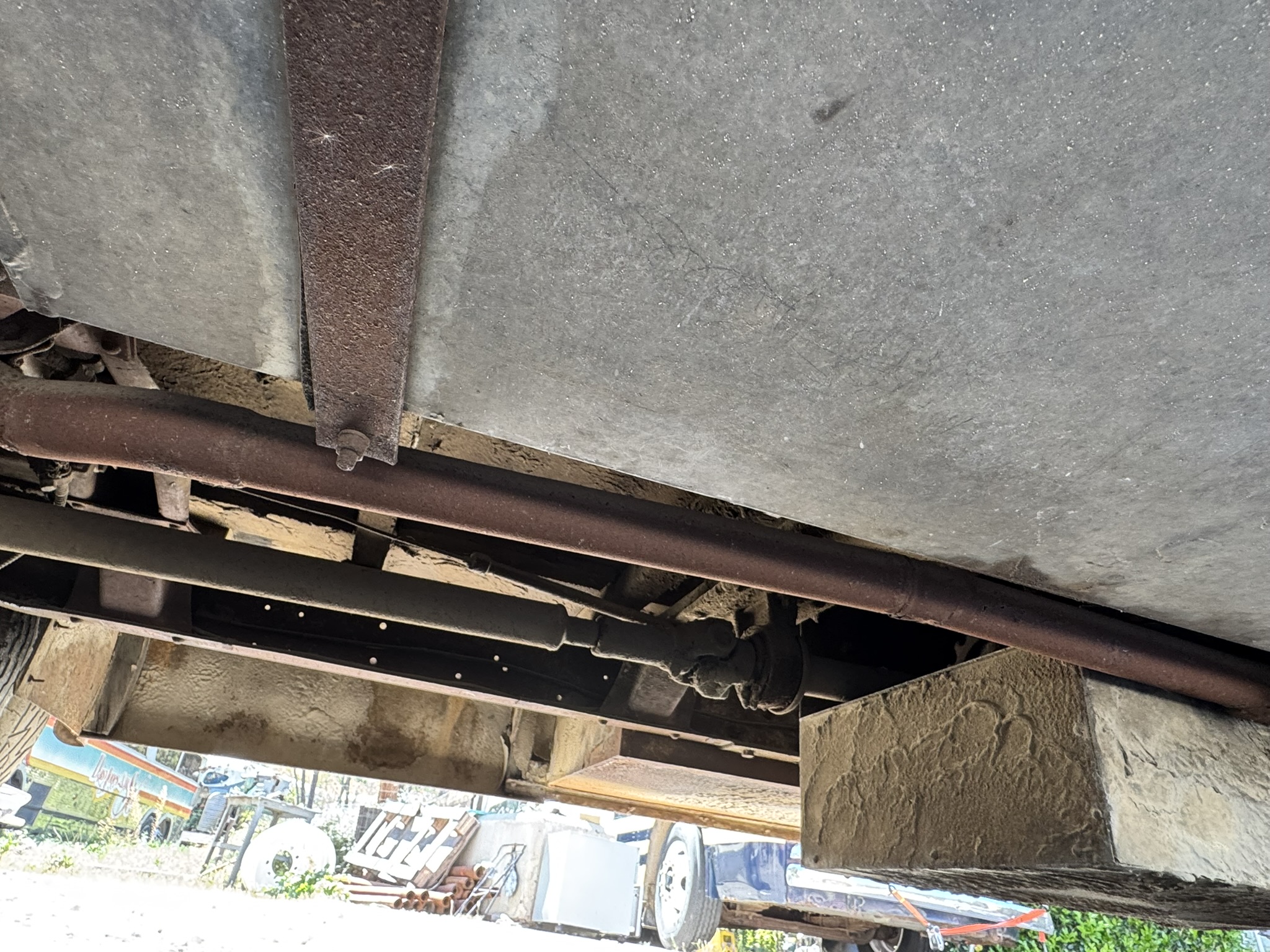
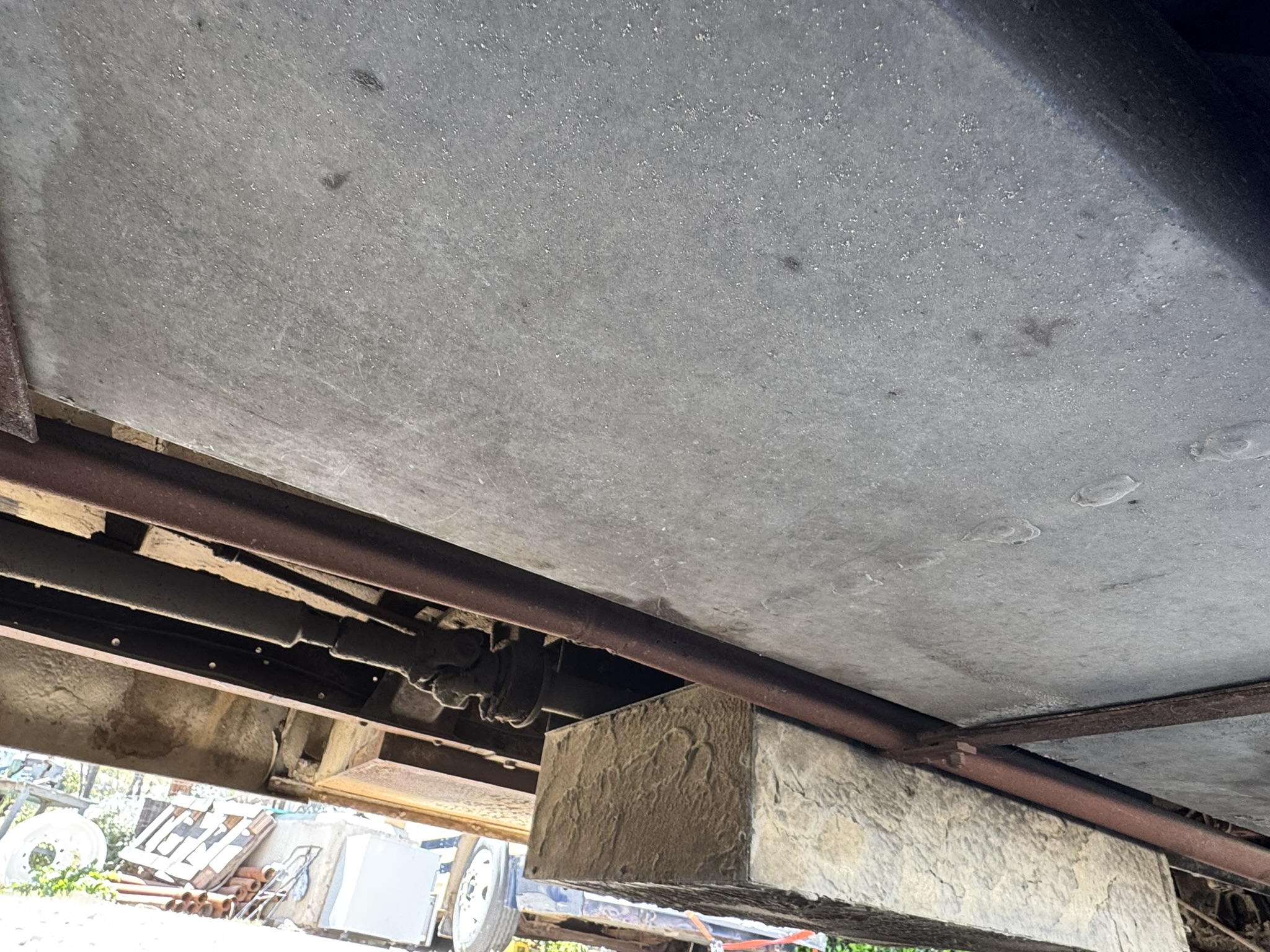
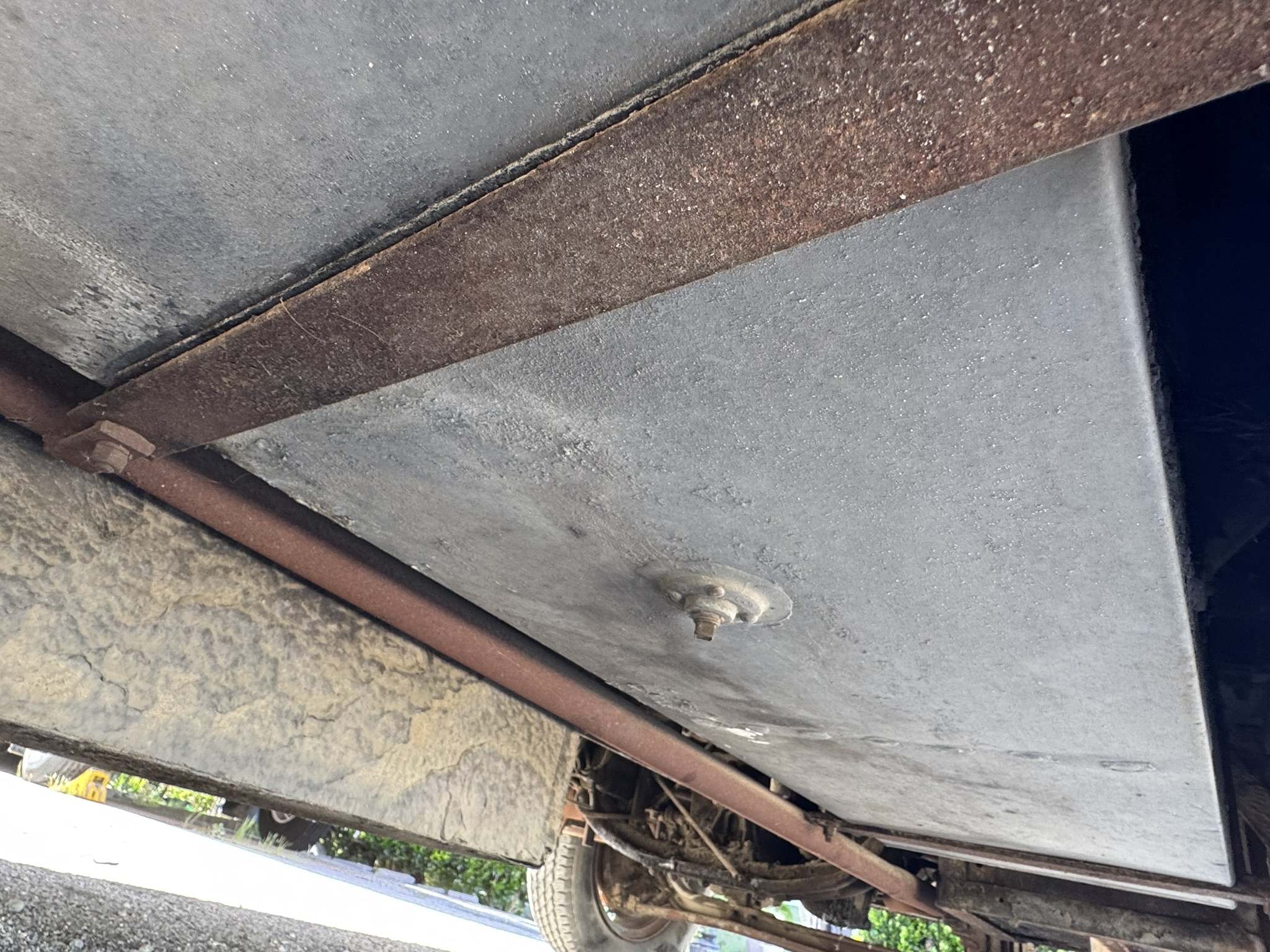
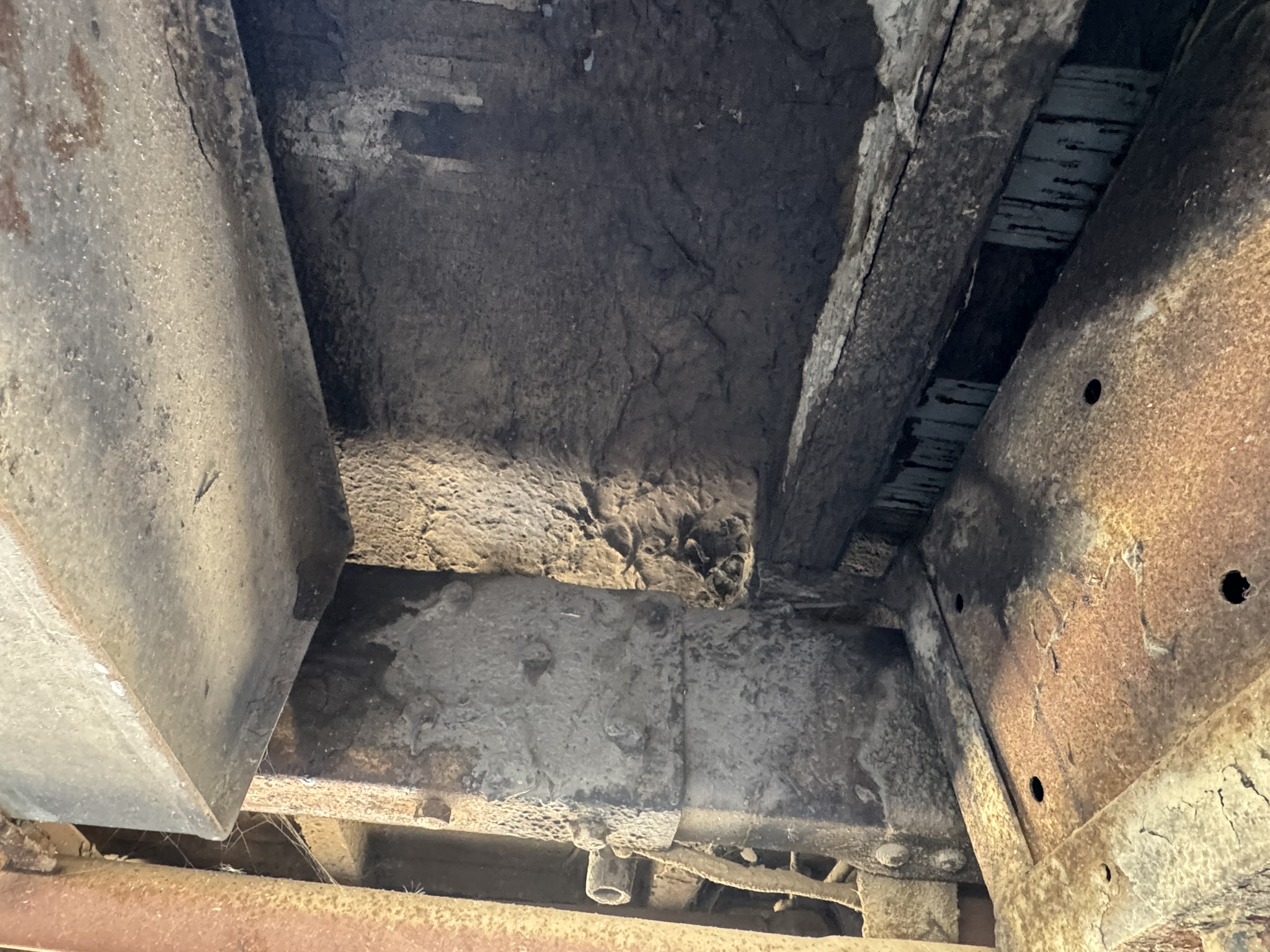
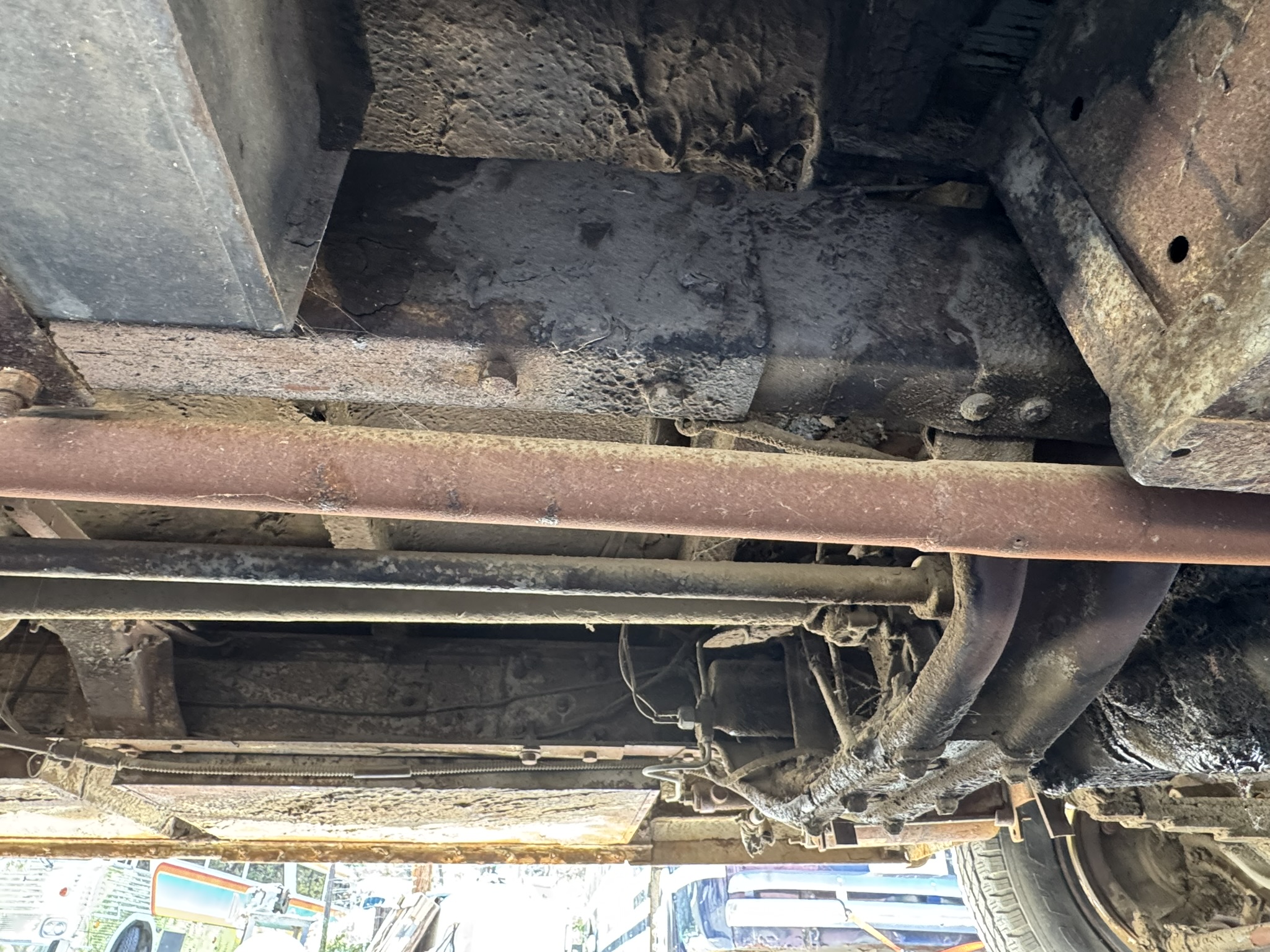
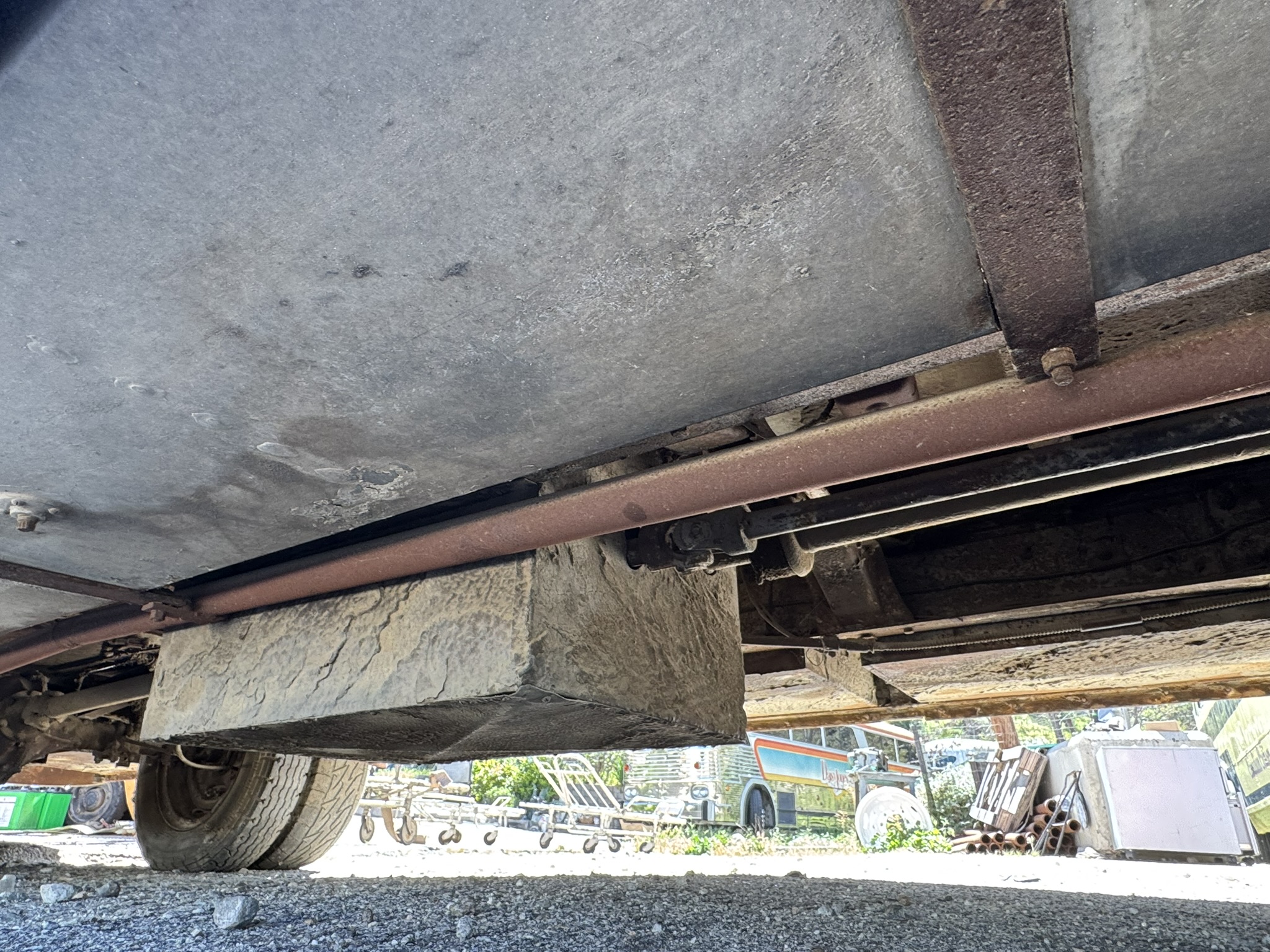
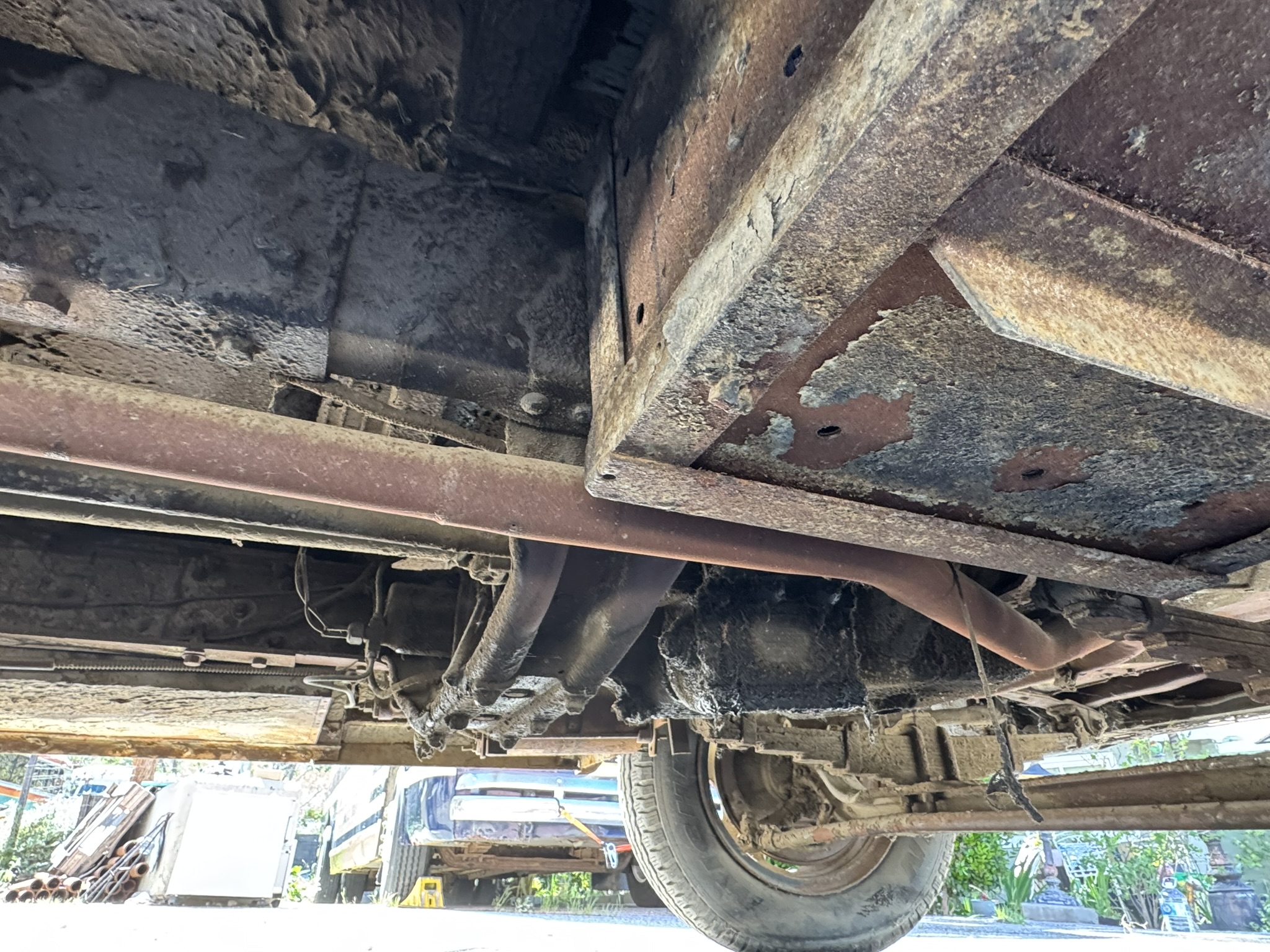
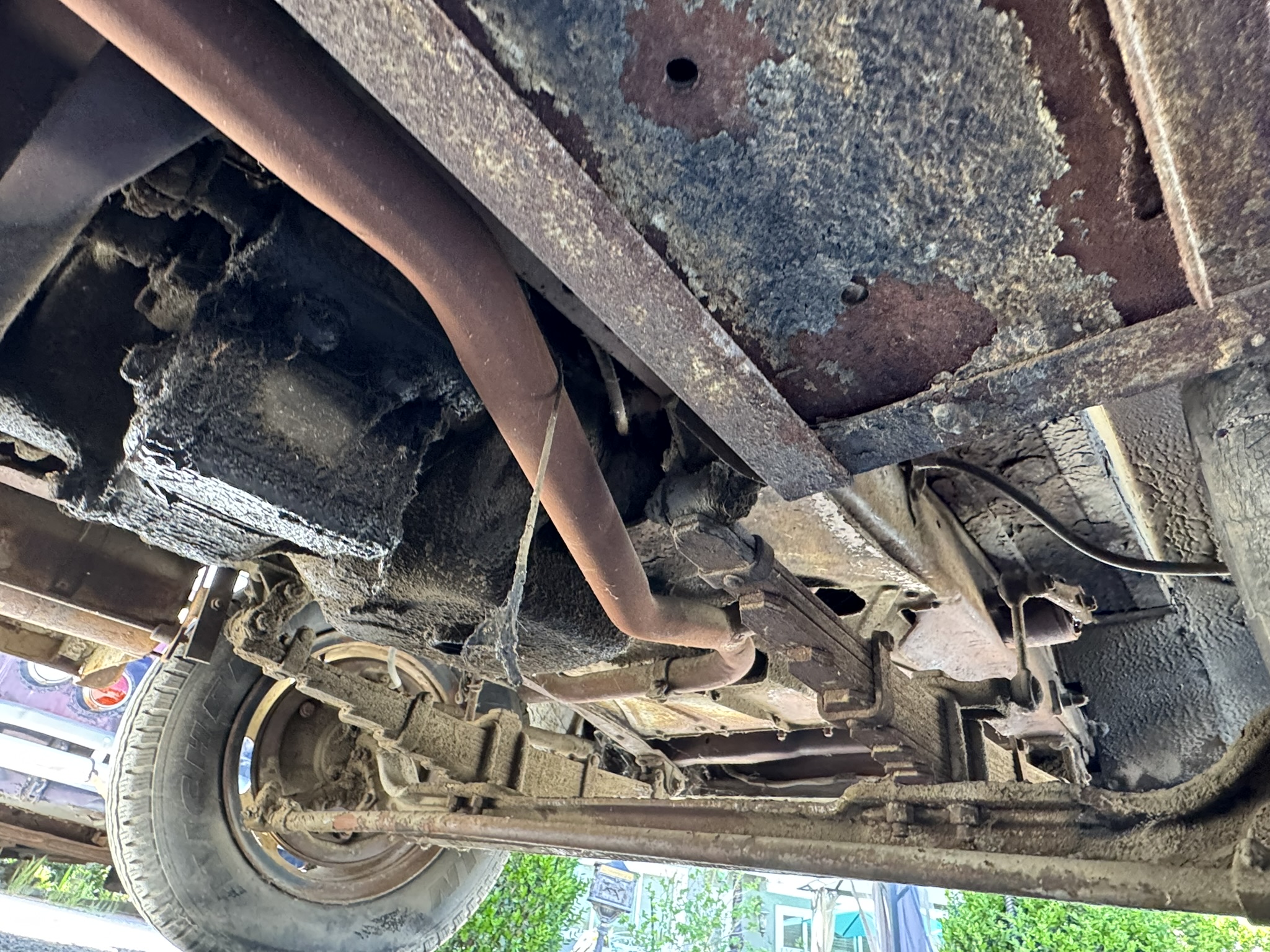
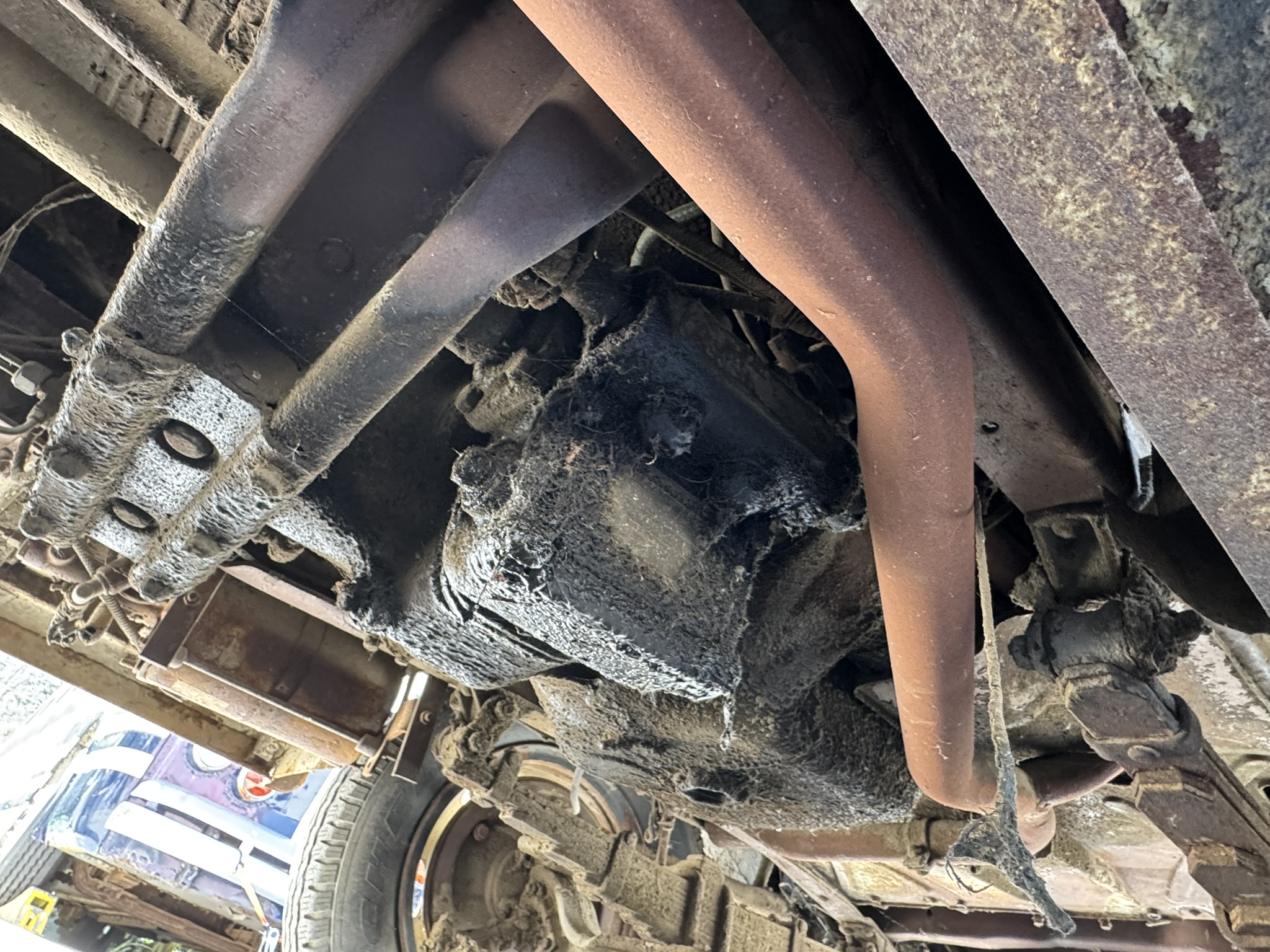
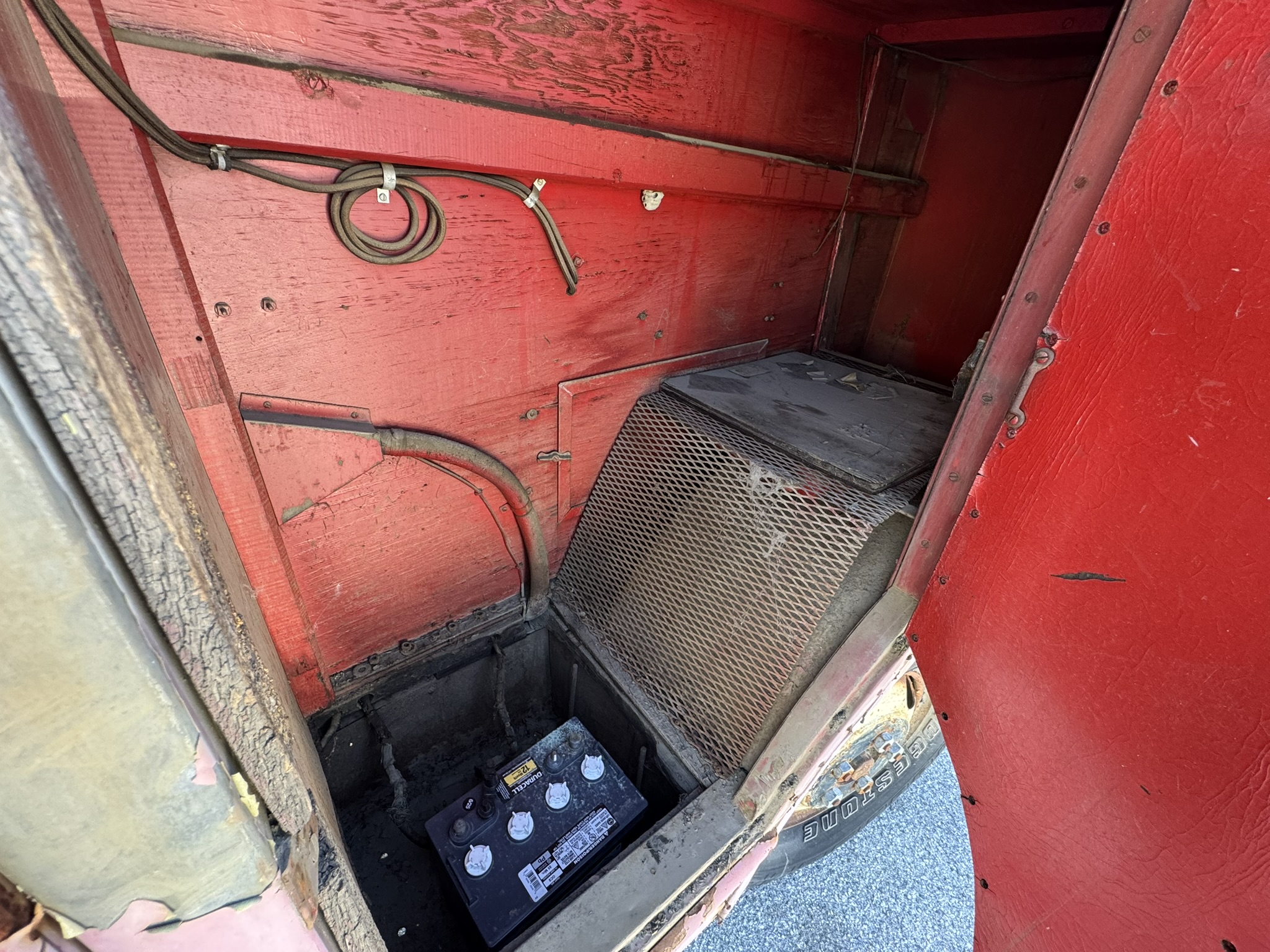
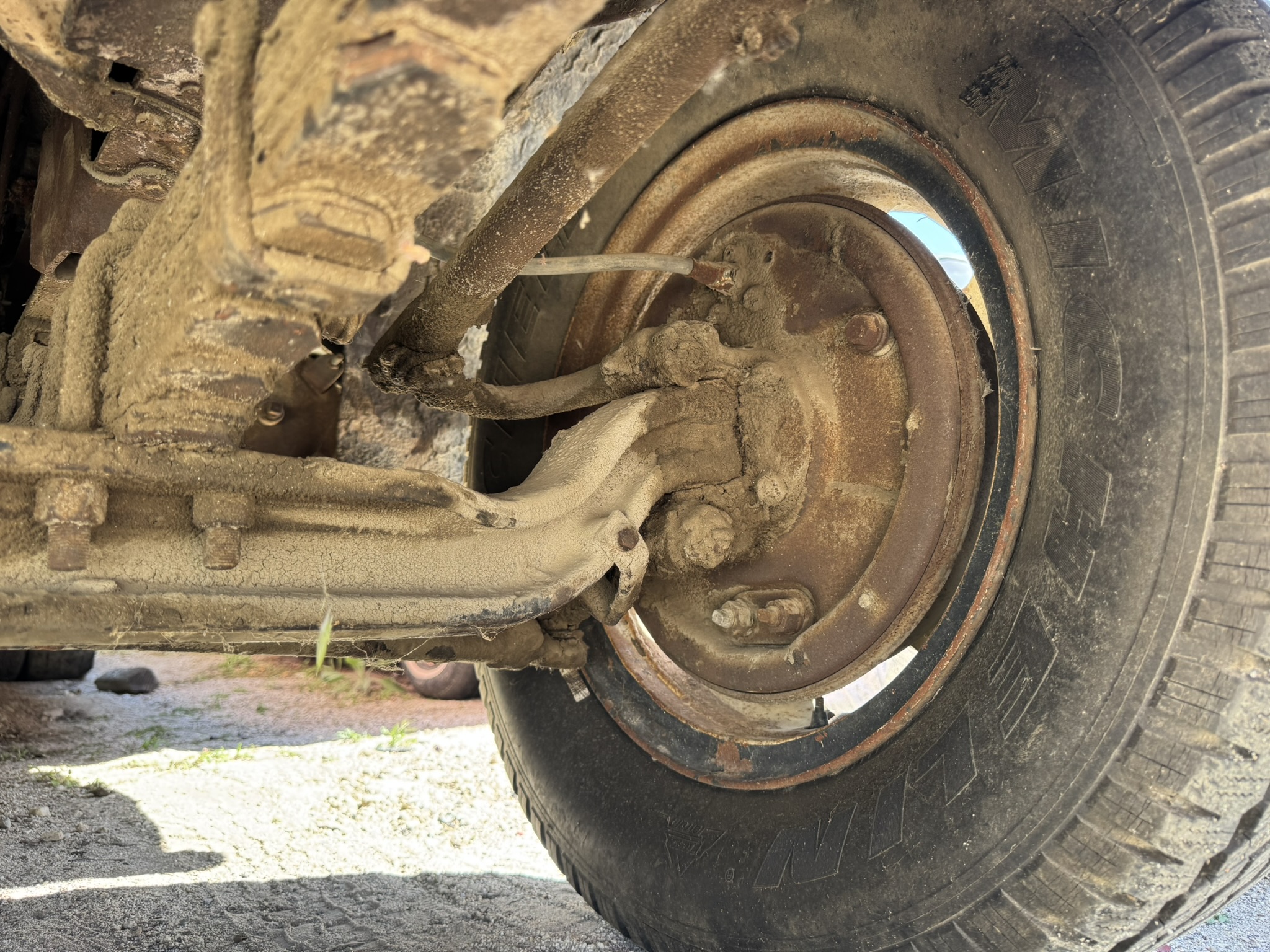
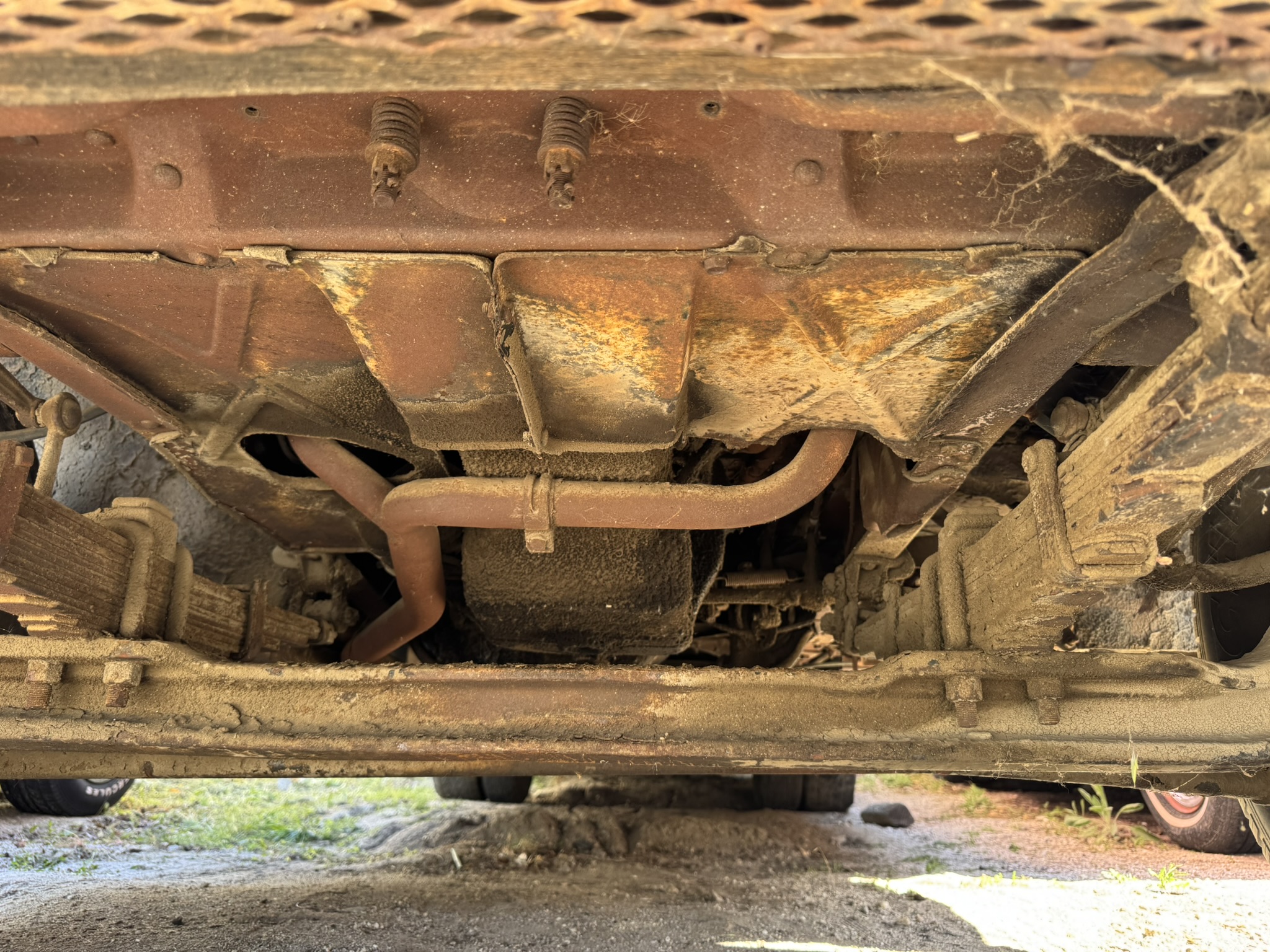
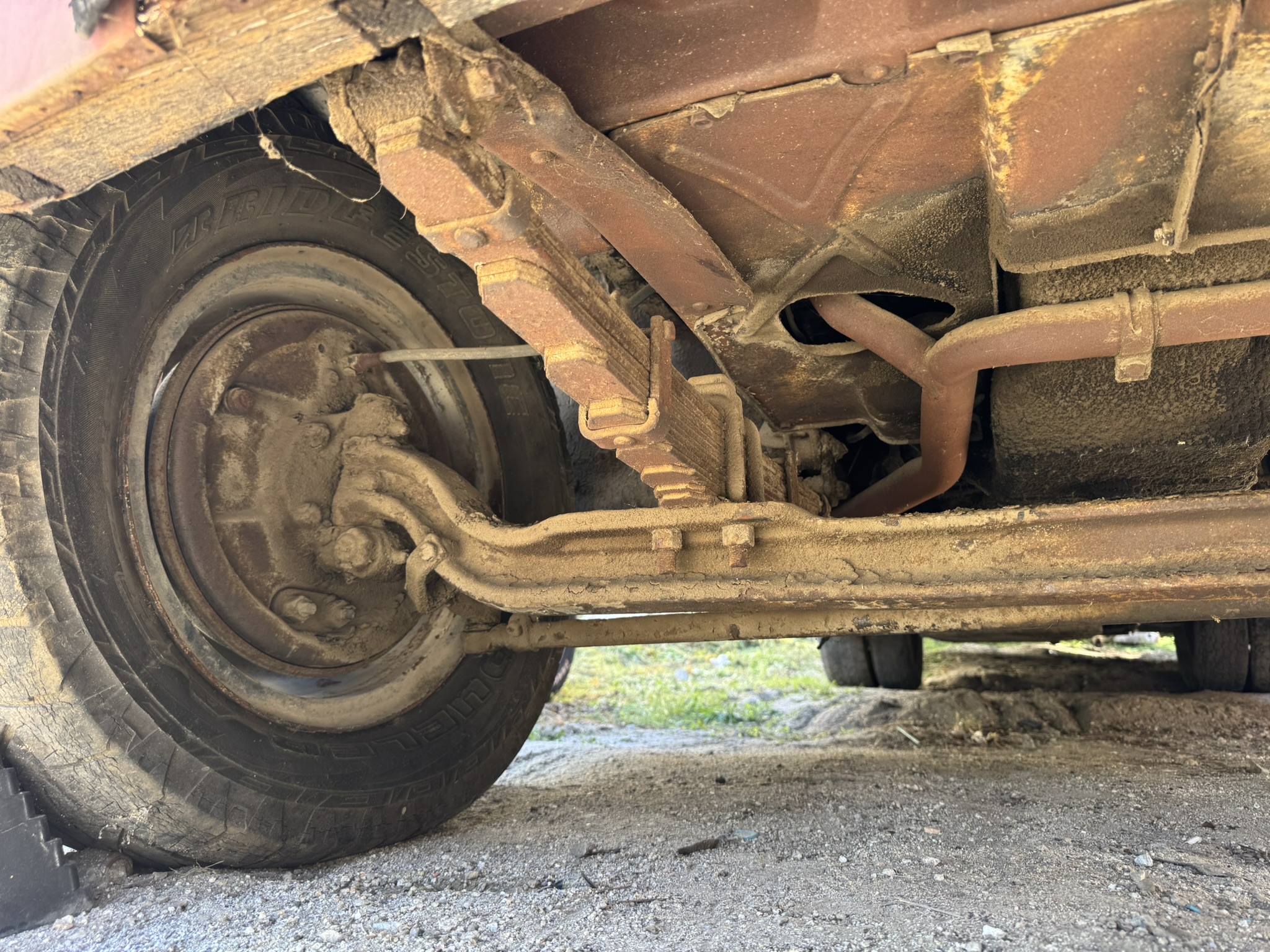
Drivetrain & Chassis: Everything underneath this body is Ford. The engine is the 1942 V8-29A, a 239 cubic inch flathead that in its final prewar form made 100 horsepower and 170 lb-ft of torque, the first Ford flathead to crack triple digits. It is identifiable by its distinctive Crab style distributor introduced that model year and the dual fan belt system driving accessories off the front of the block. The Ford commercial chassis rides on a ladder-type frame with semi-elliptic leaf springs at all four corners and hydraulic double-acting shock absorbers, the same proven platform that underpins millions of early Ford trucks and one of the most thoroughly documented and supported vintage drivetrains in existence. Parts, rebuild kits, and mechanical expertise for this engine are abundant. Battery power was recently applied and the fuel pump activated immediately. The PTO engagement lever behind the shifter, which drives the onboard AC generator off the transmission, is present and intact. The drivetrain has not been started and will need a standard freshening to attempt a restart, but the initial signs are encouraging. The overall length is approximately 20 feet.
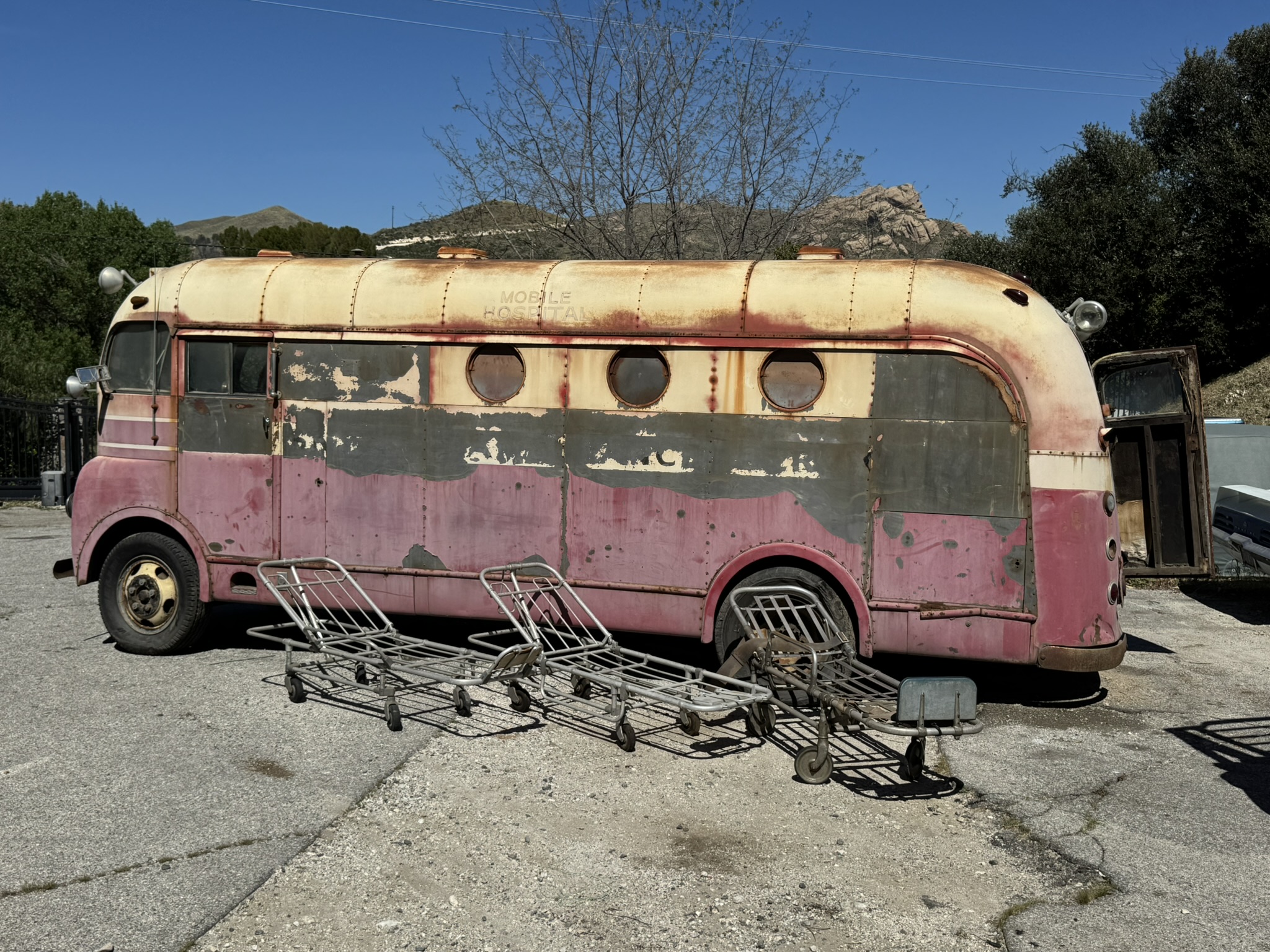
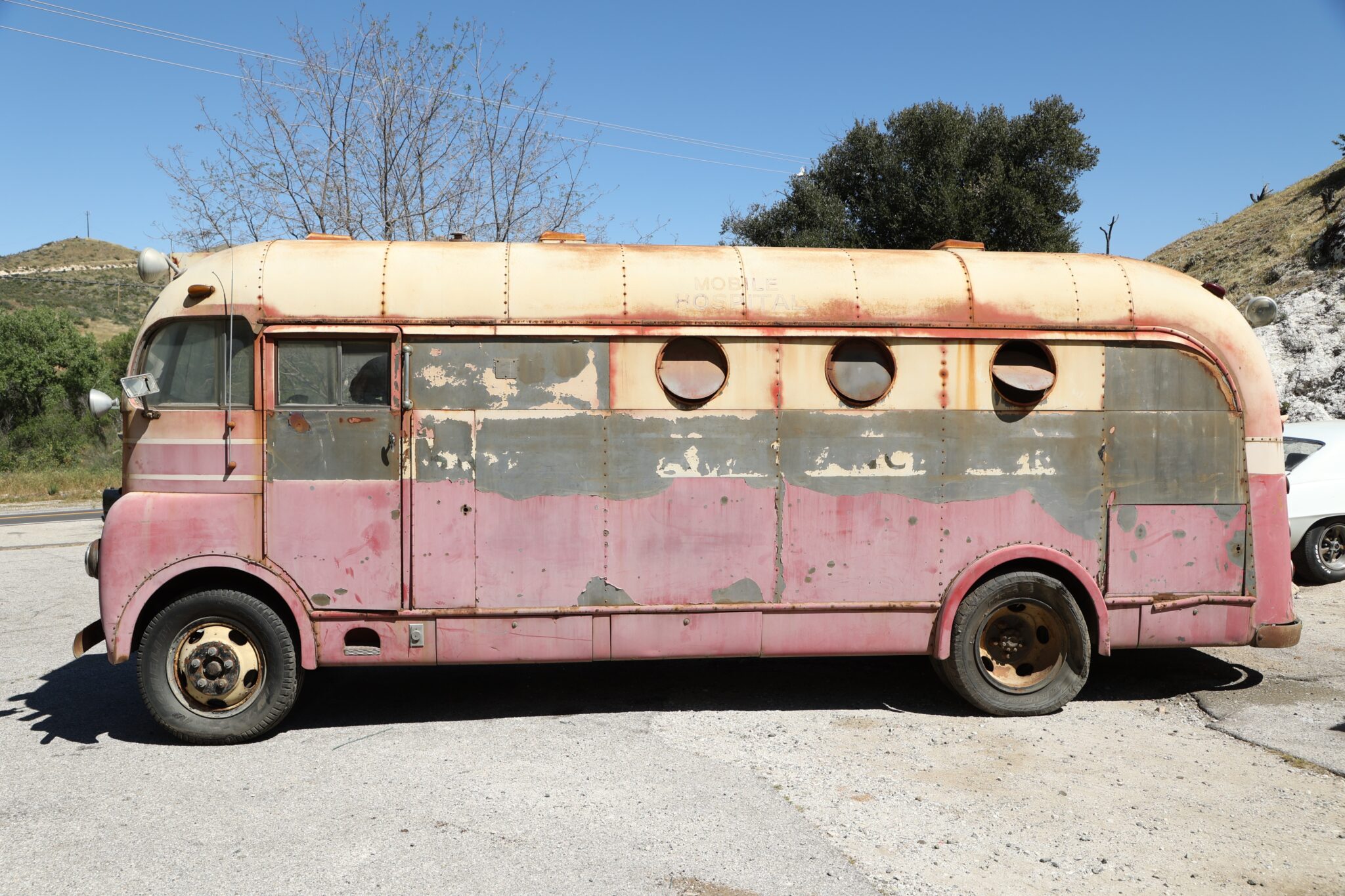
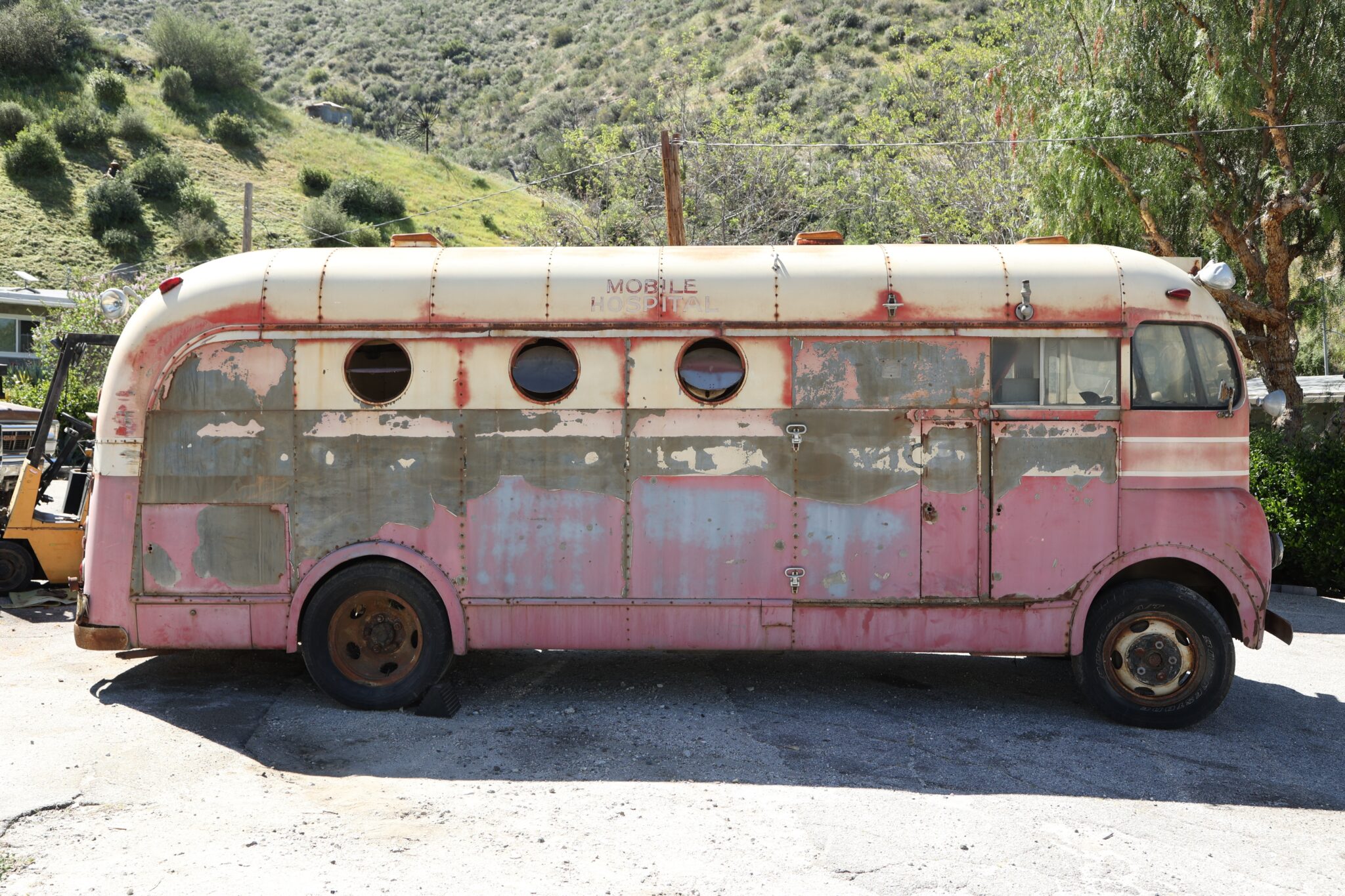
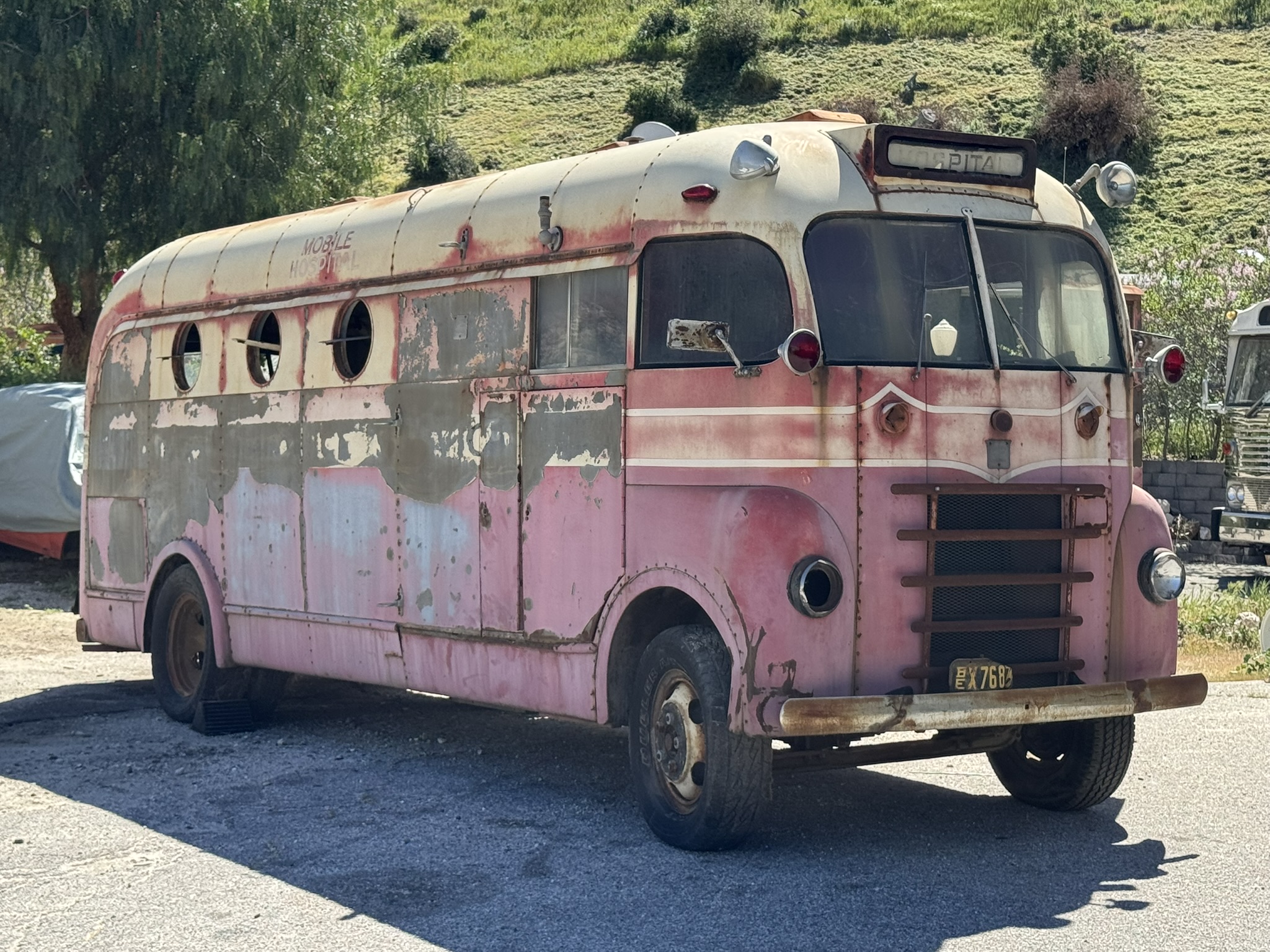
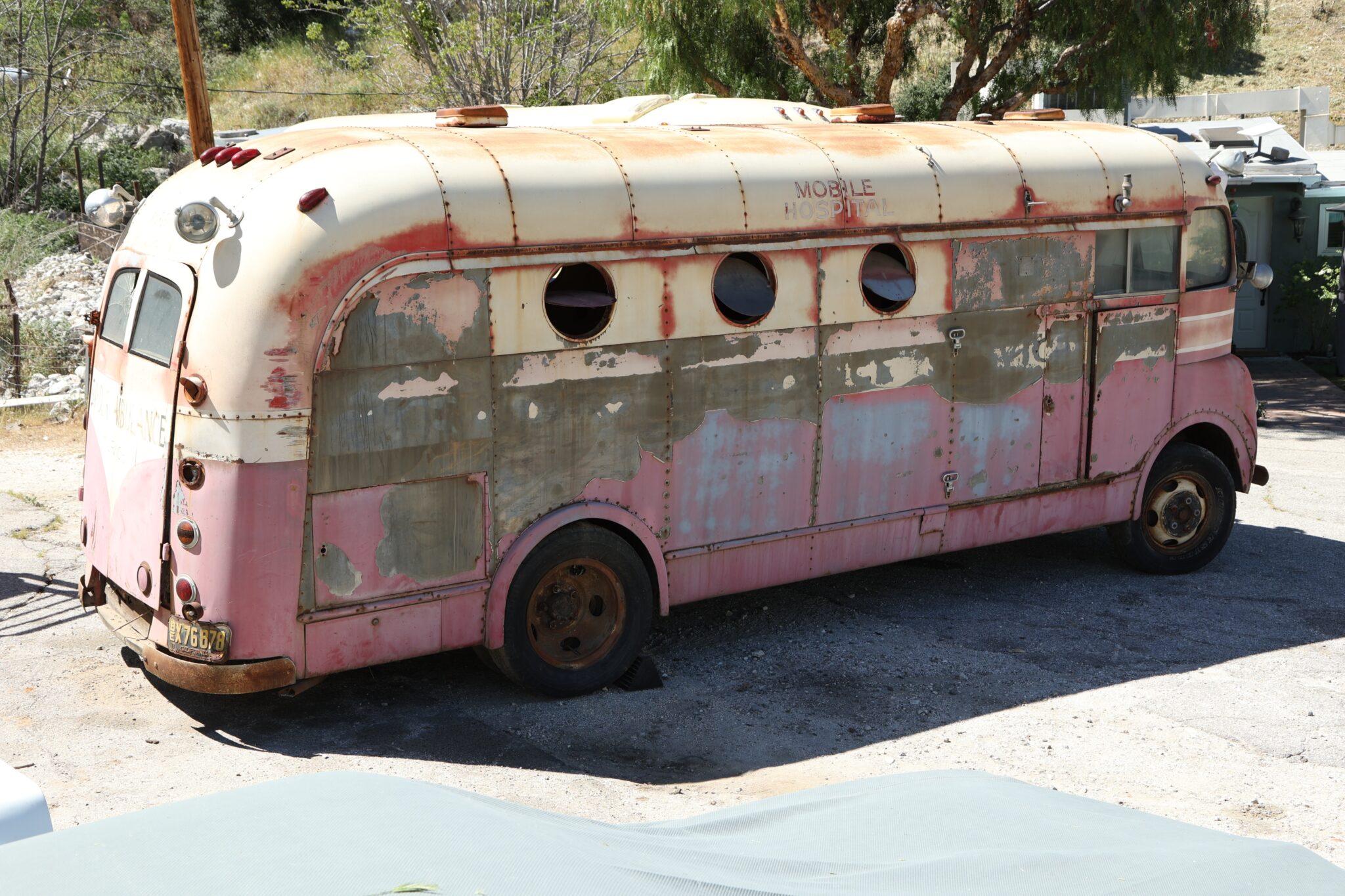
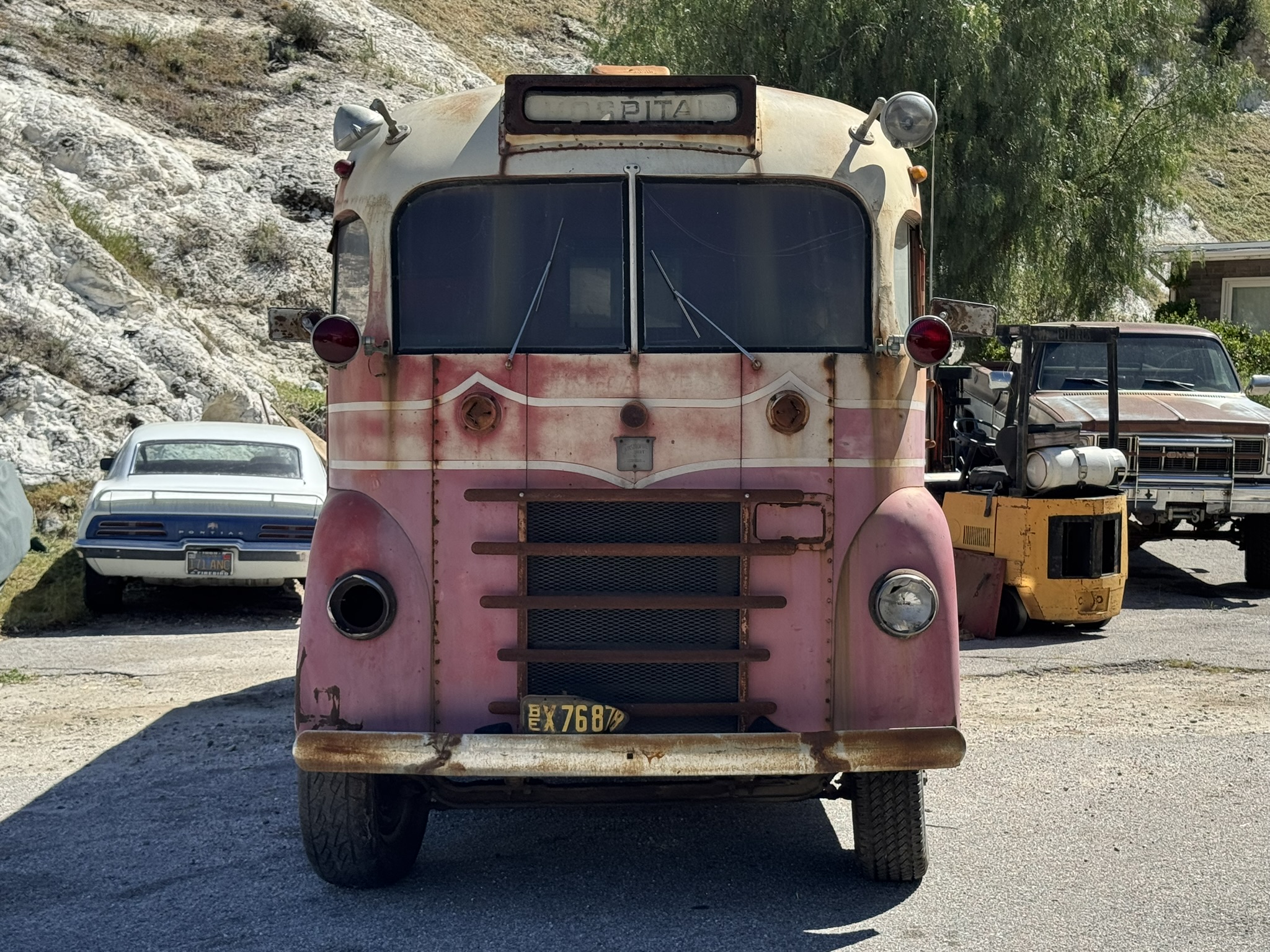
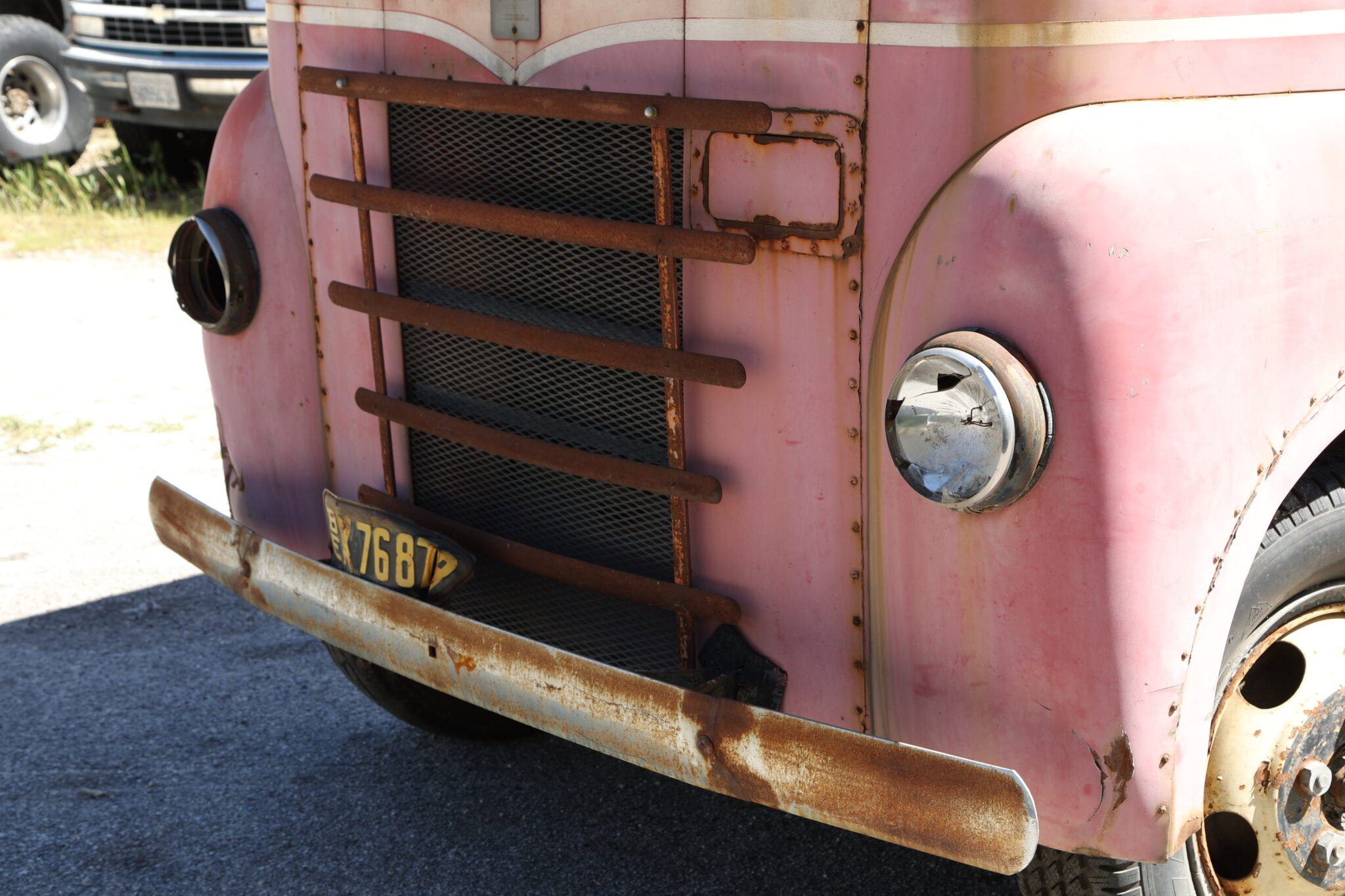
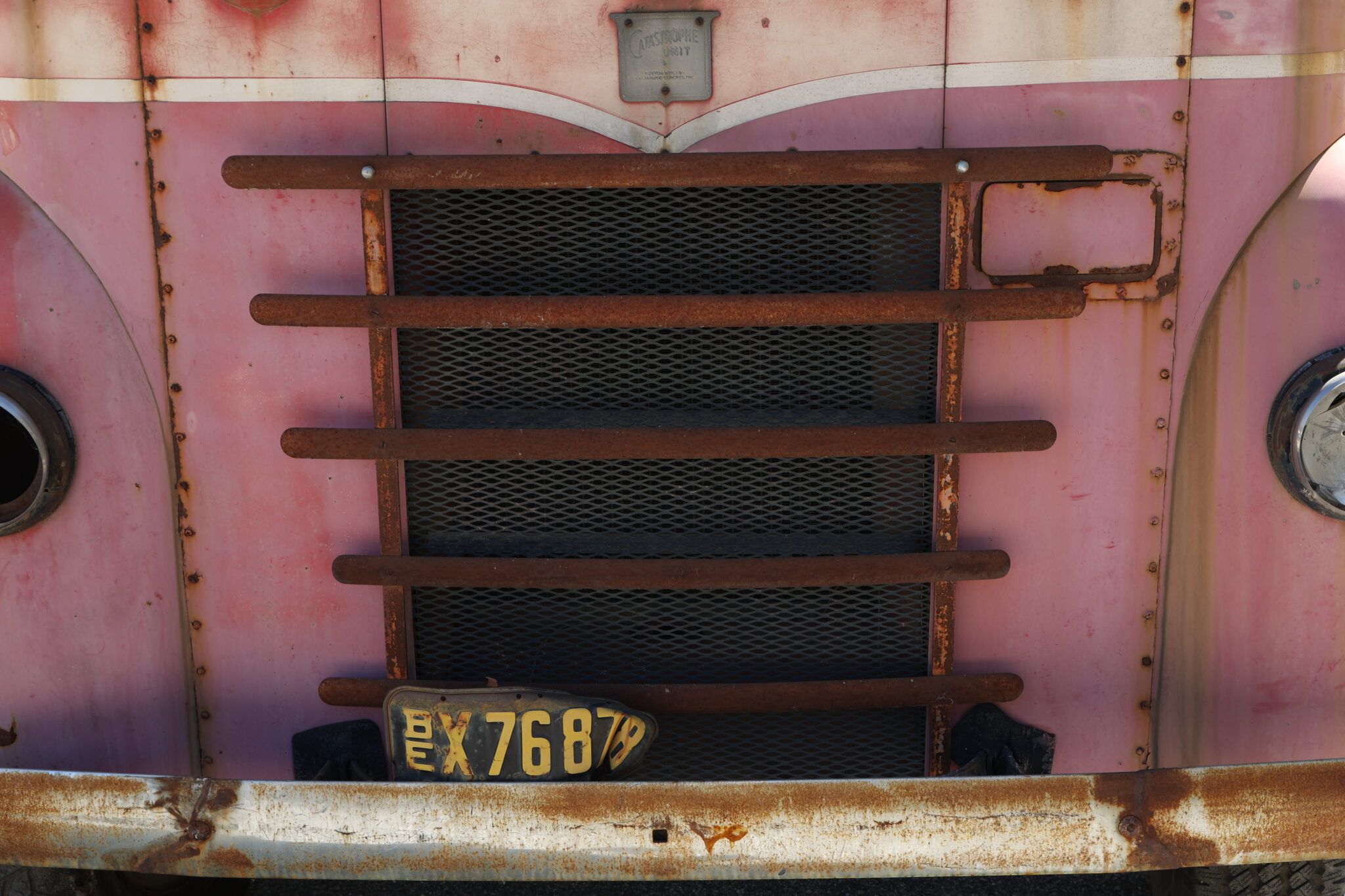
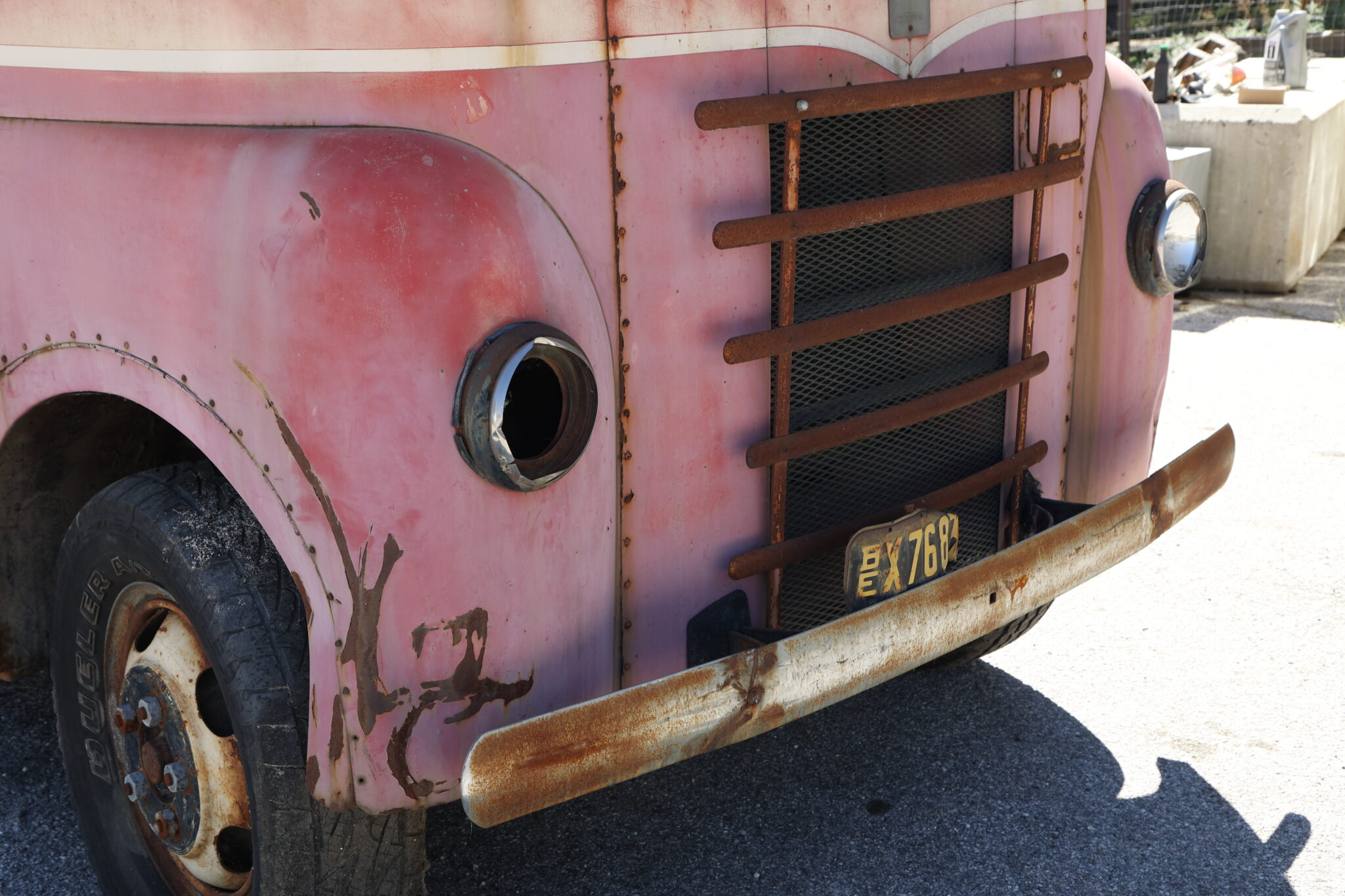
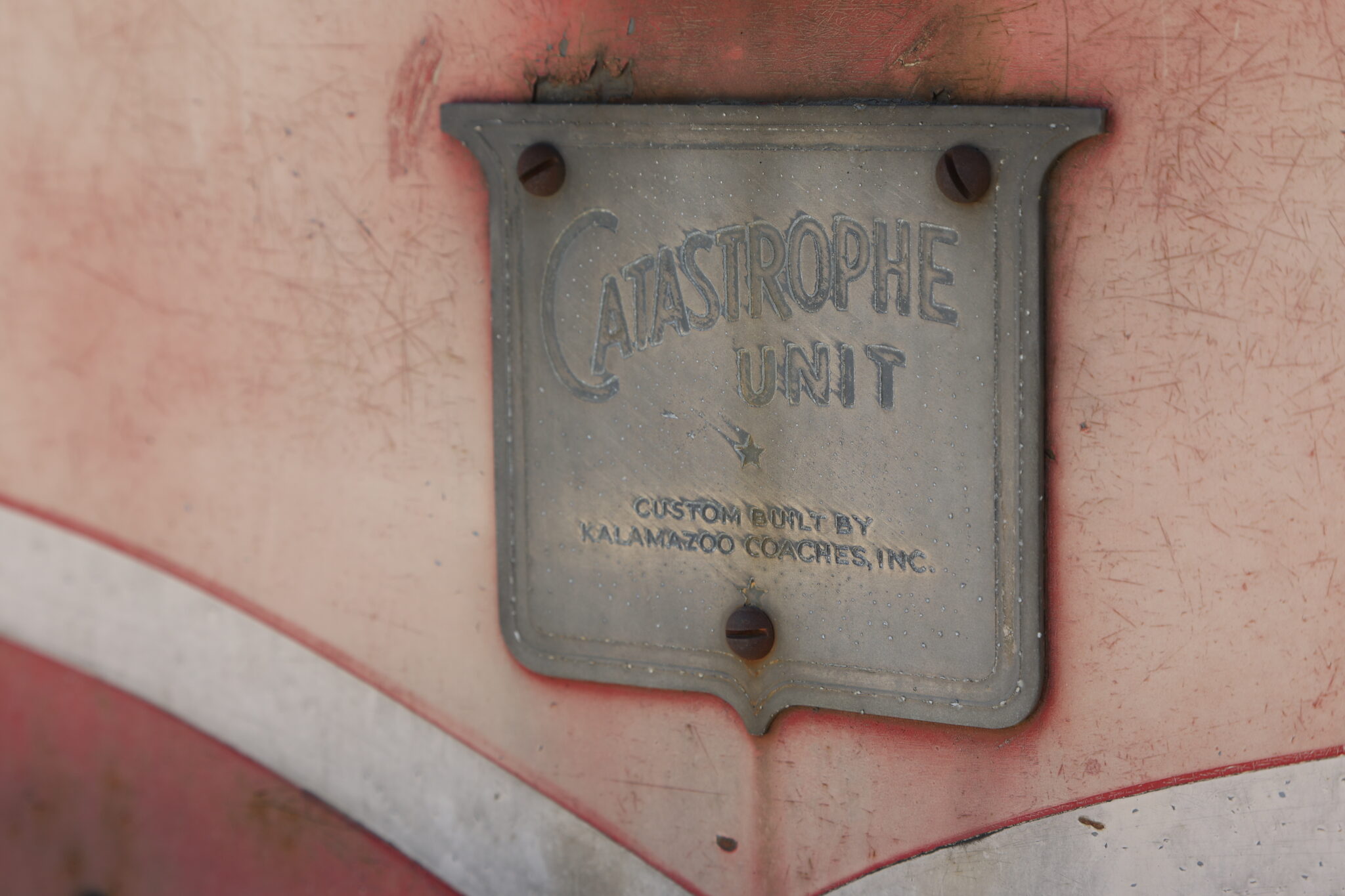
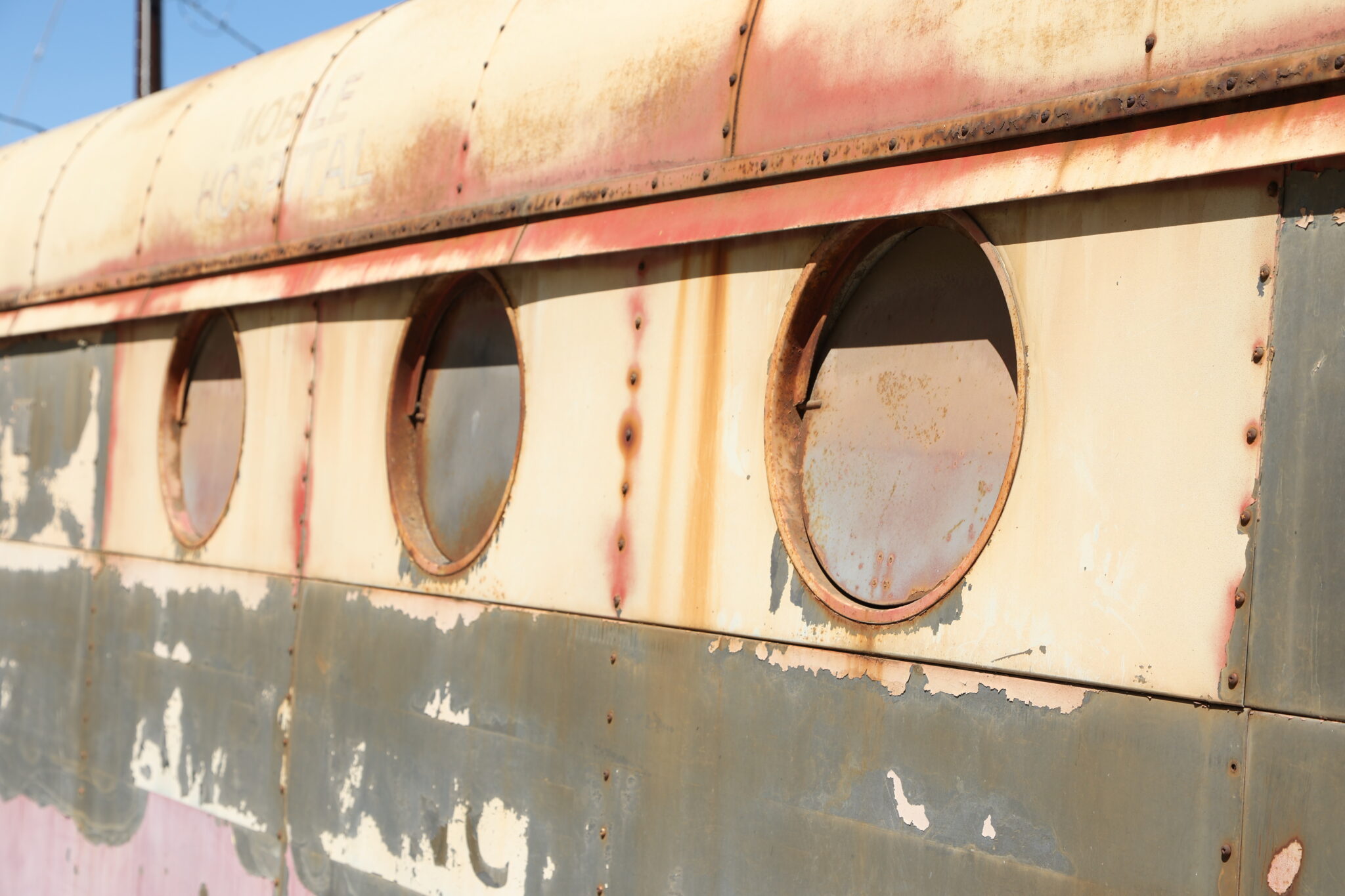
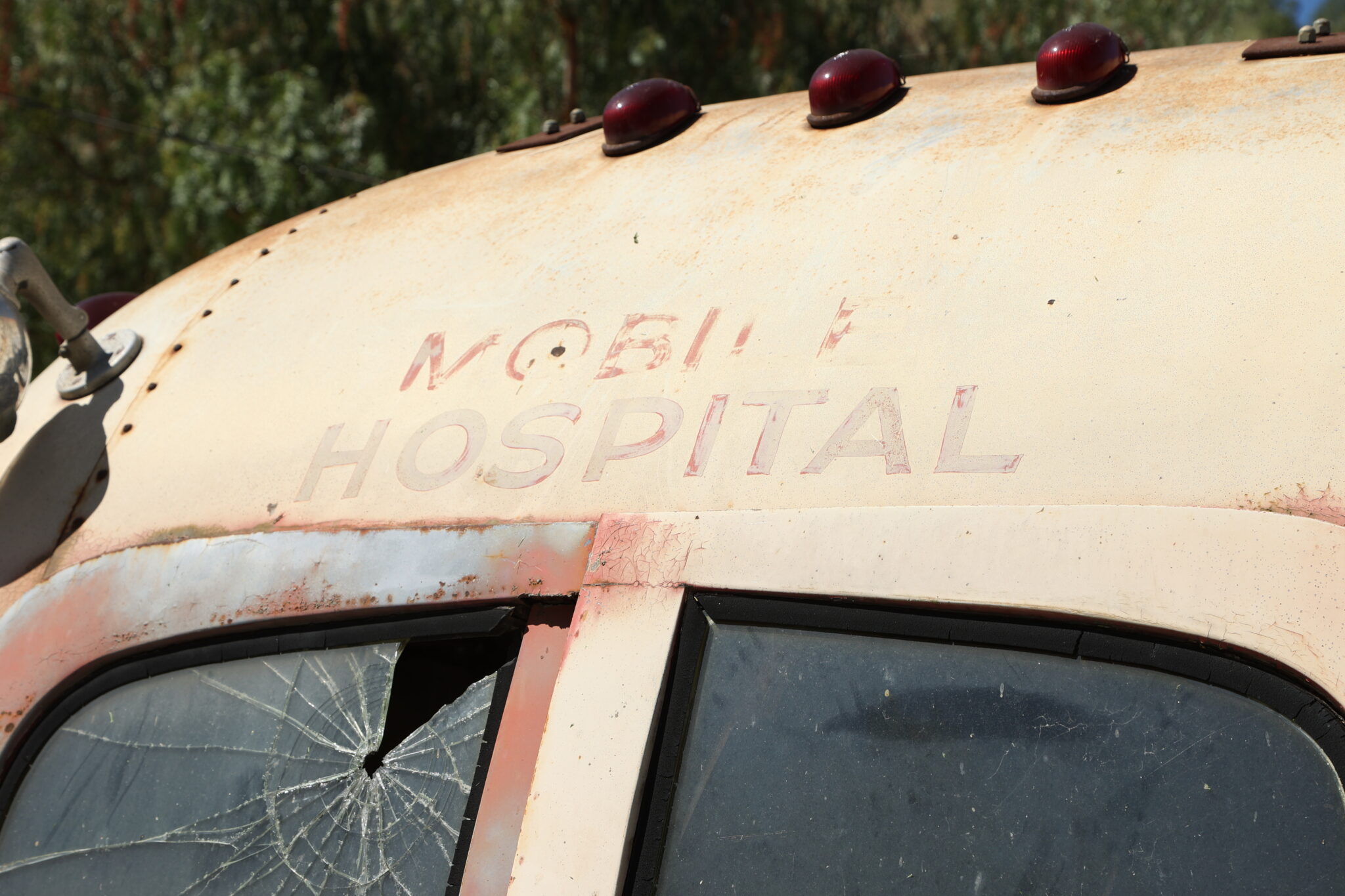
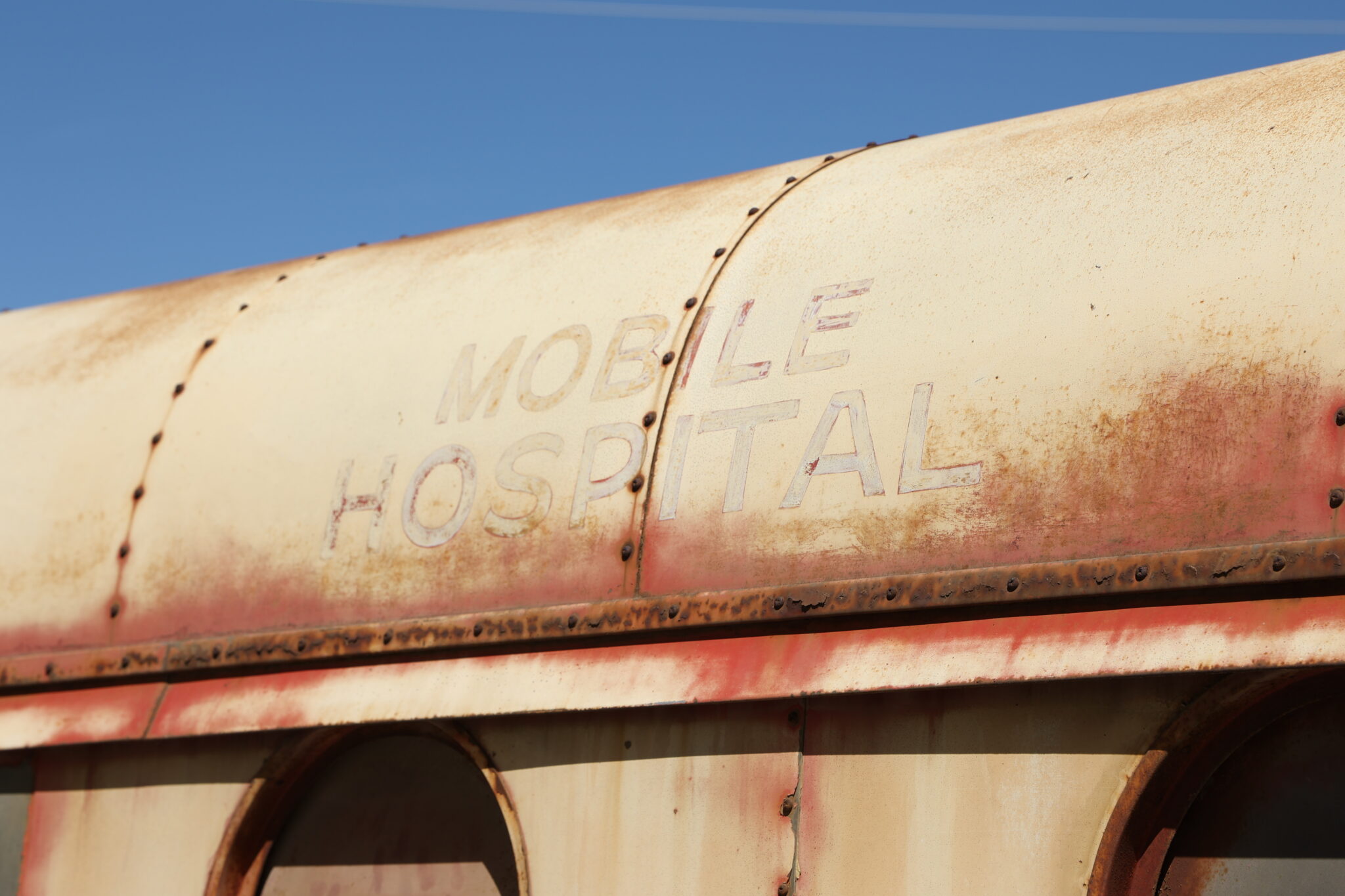
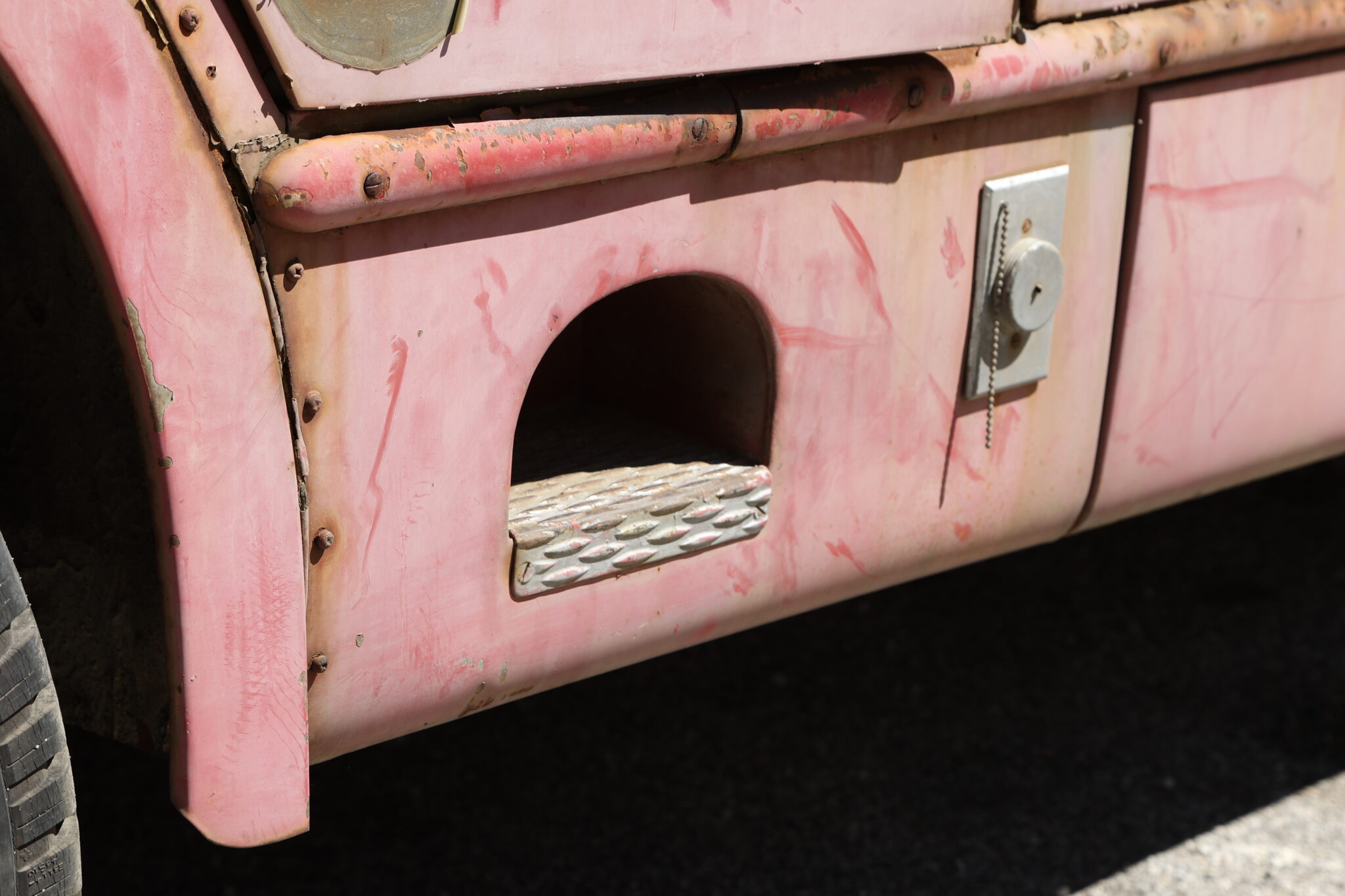
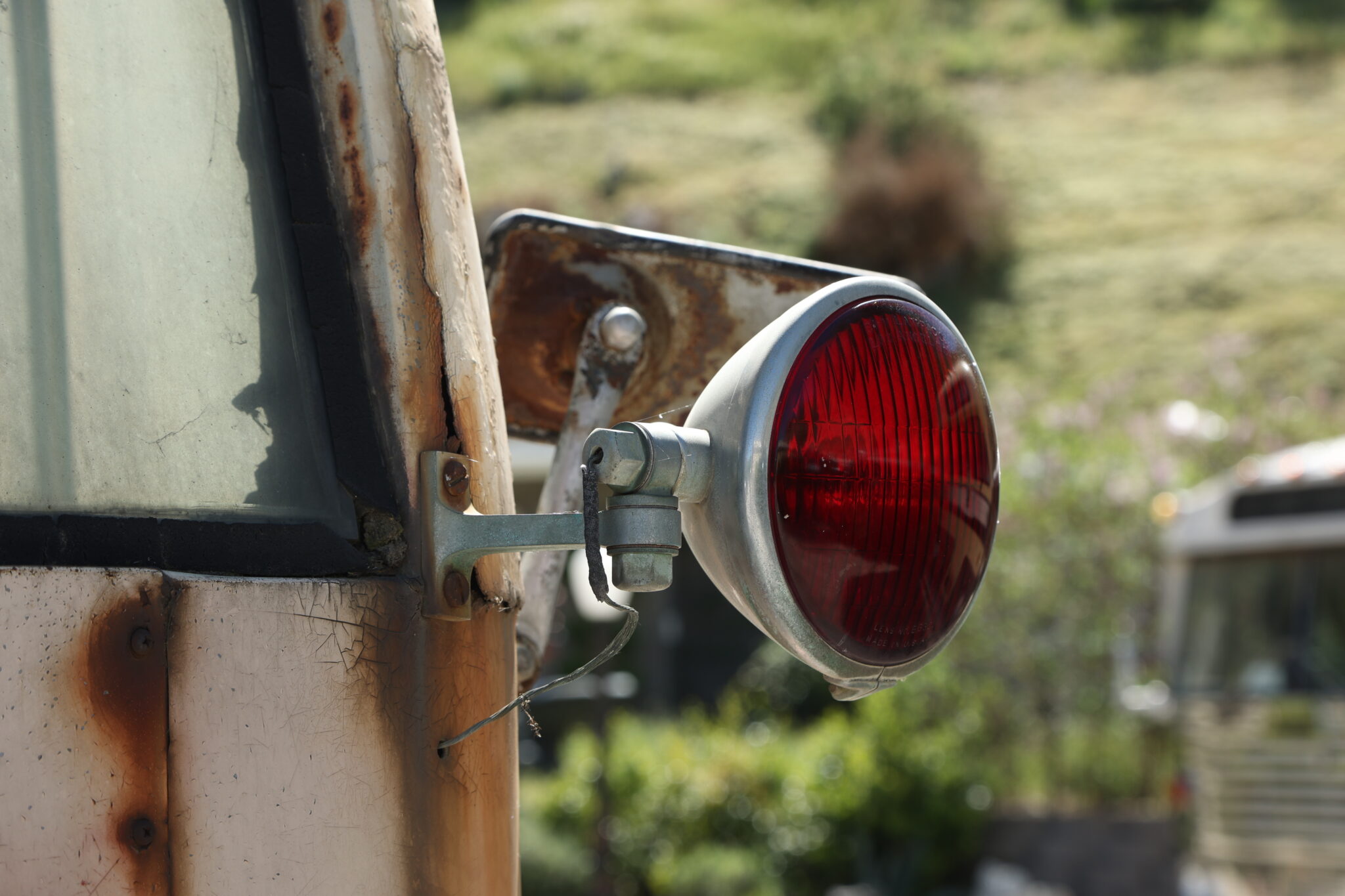
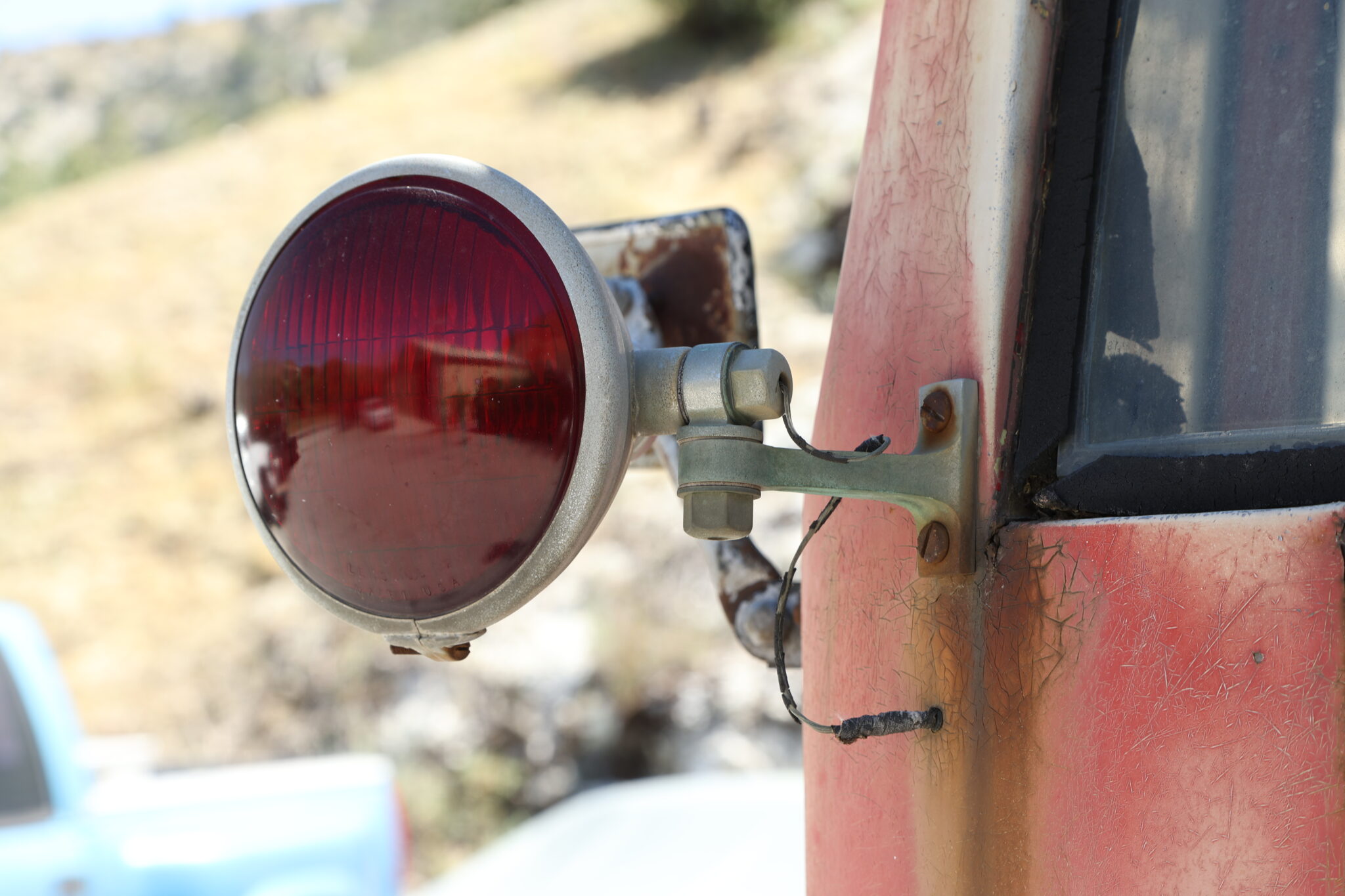
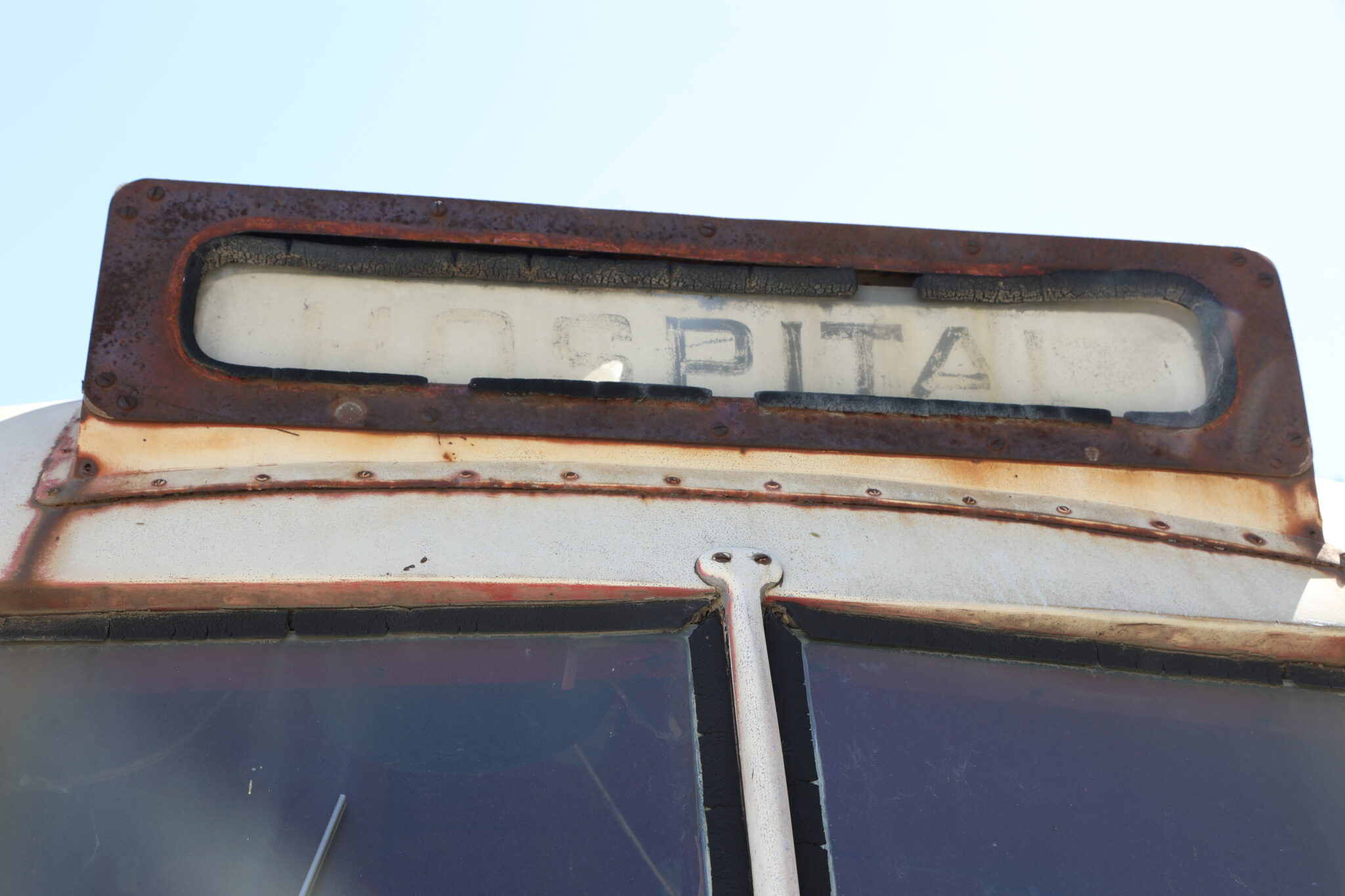
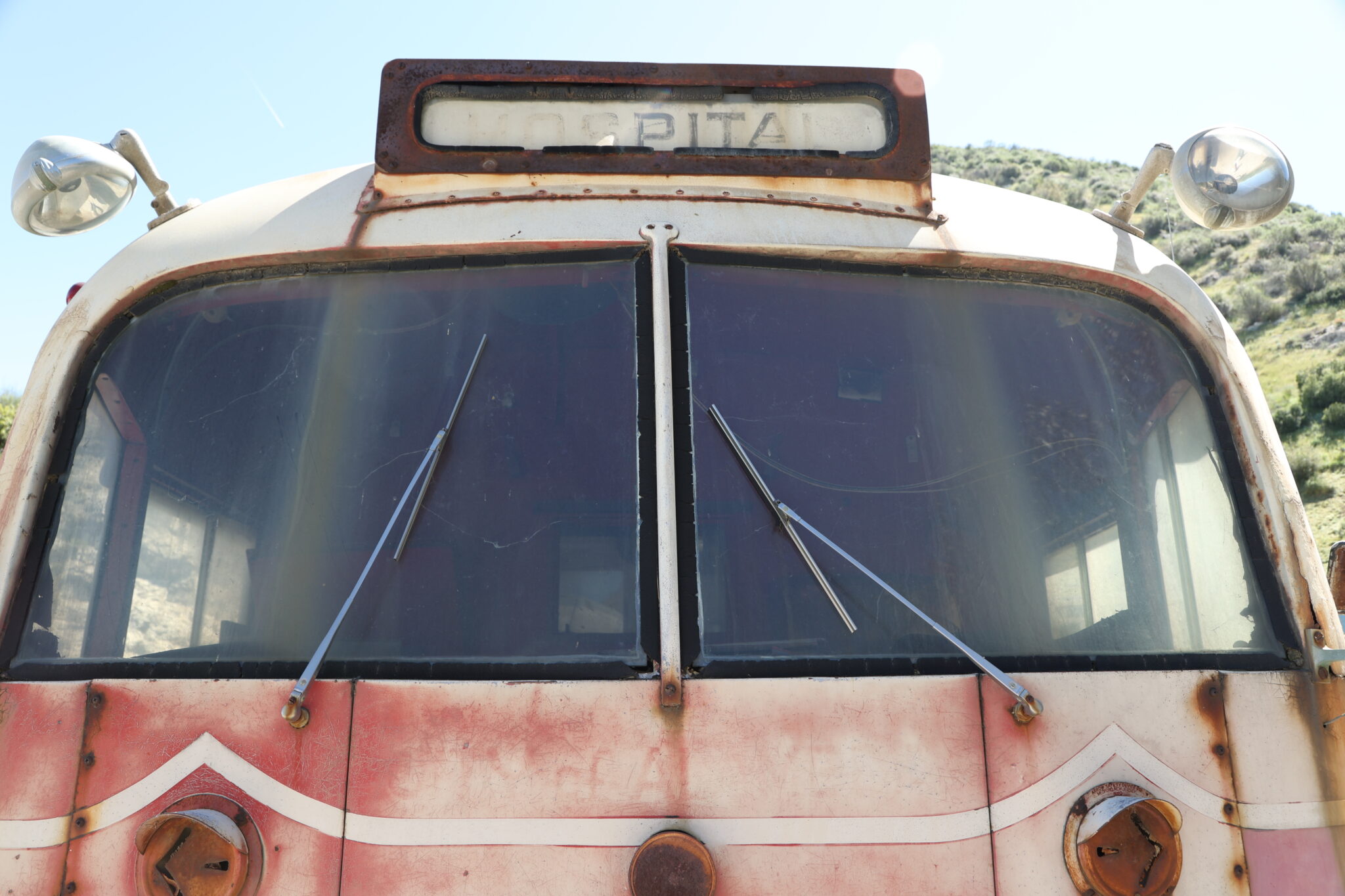
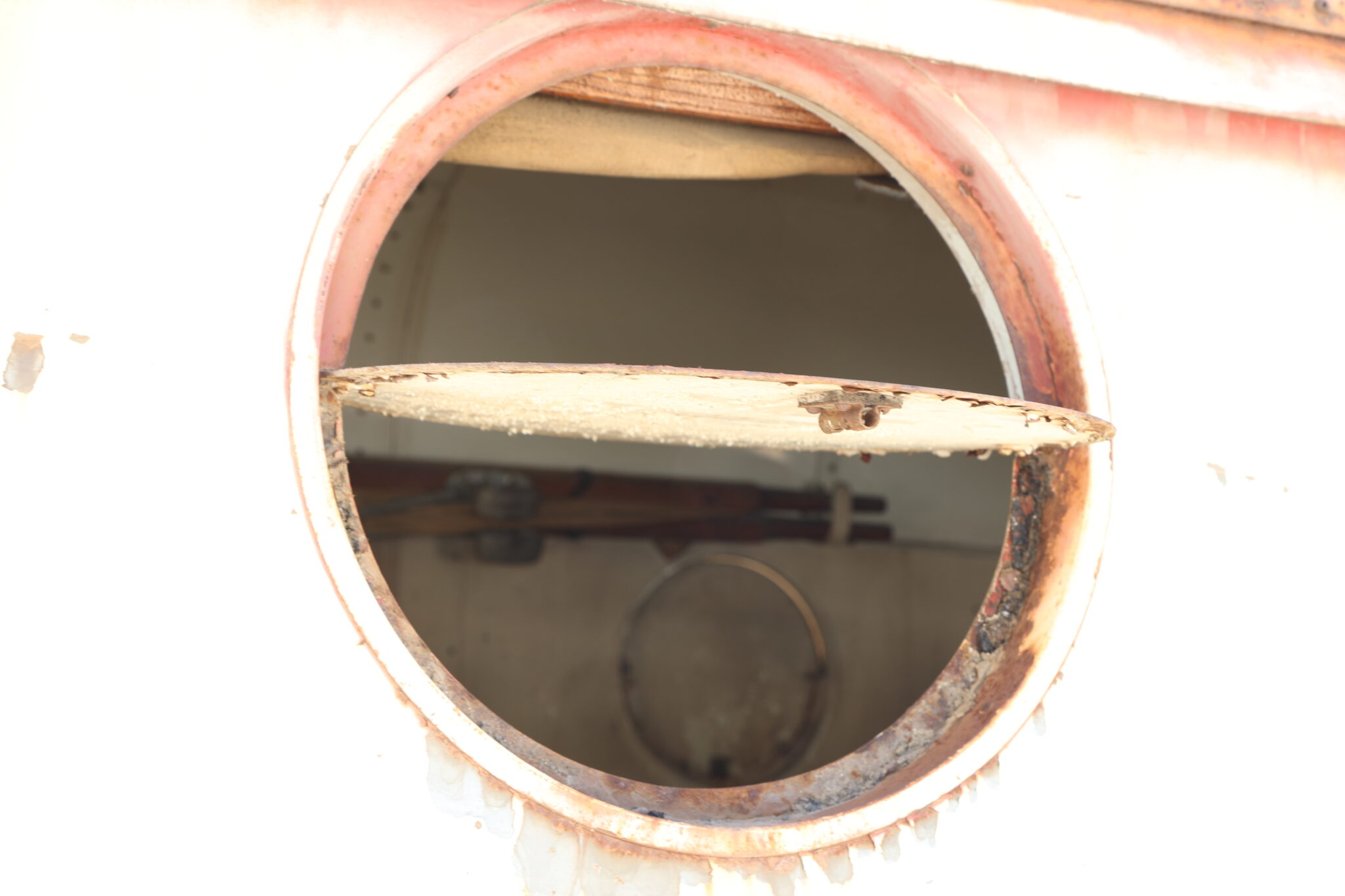
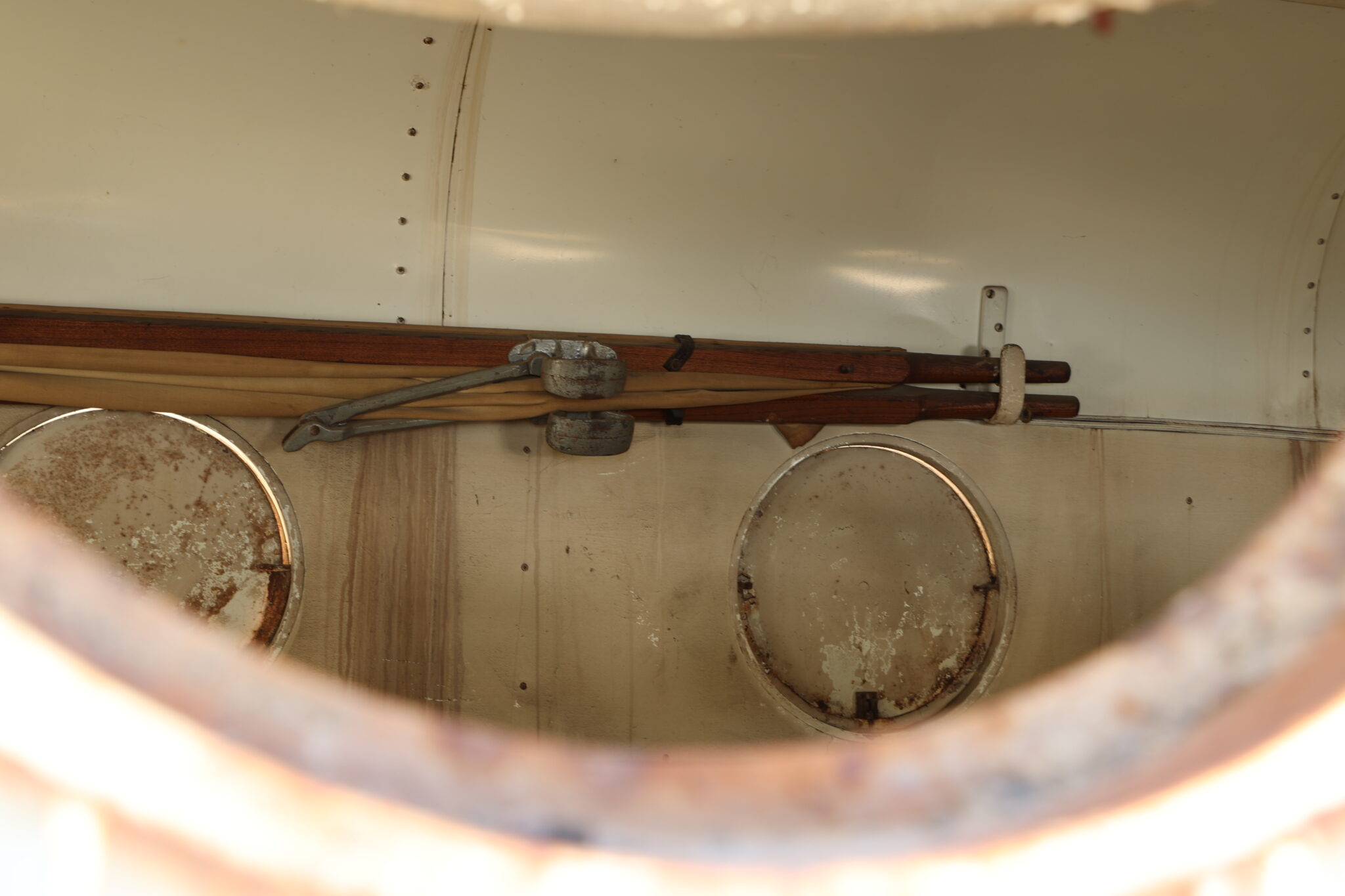
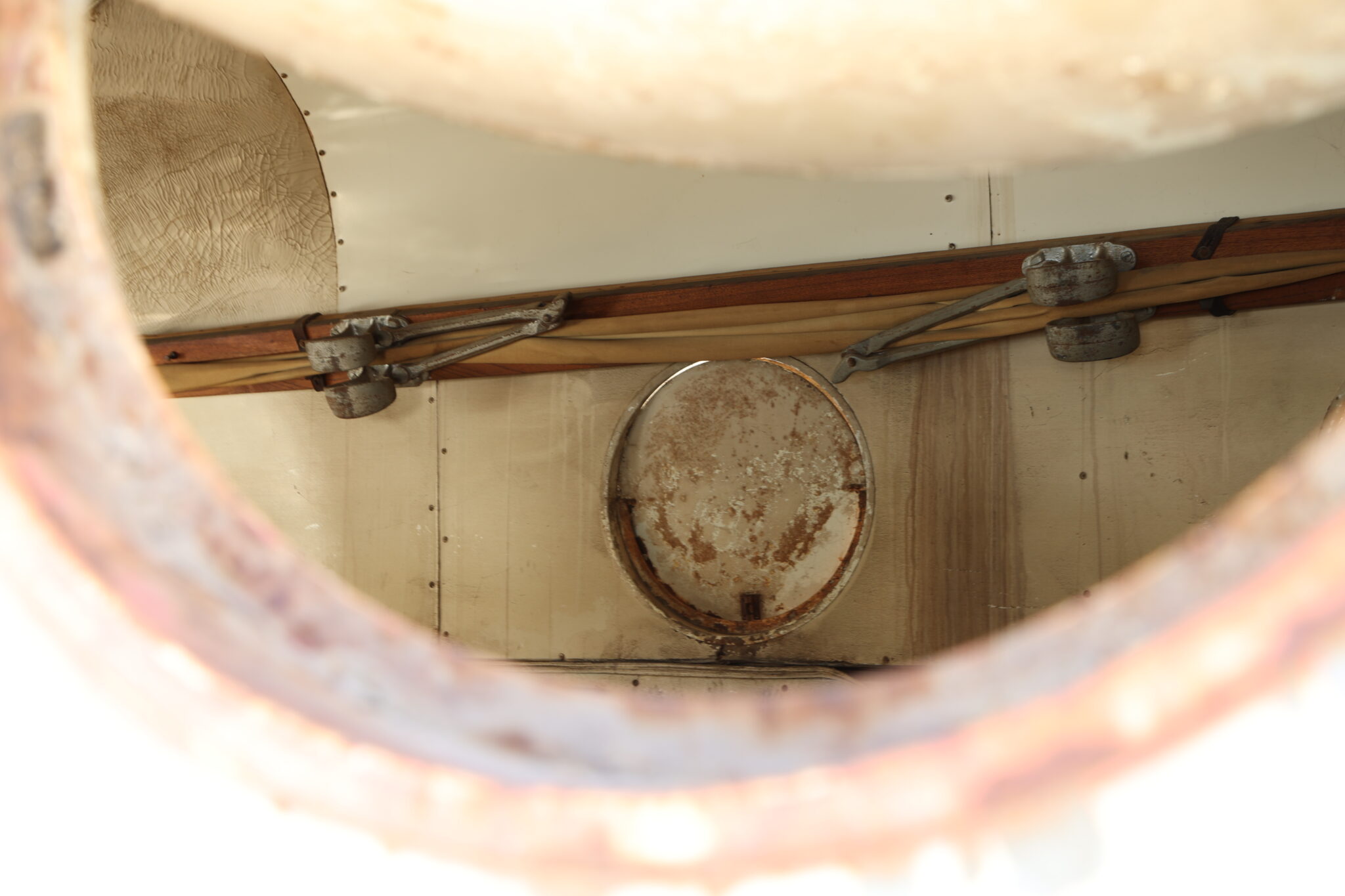
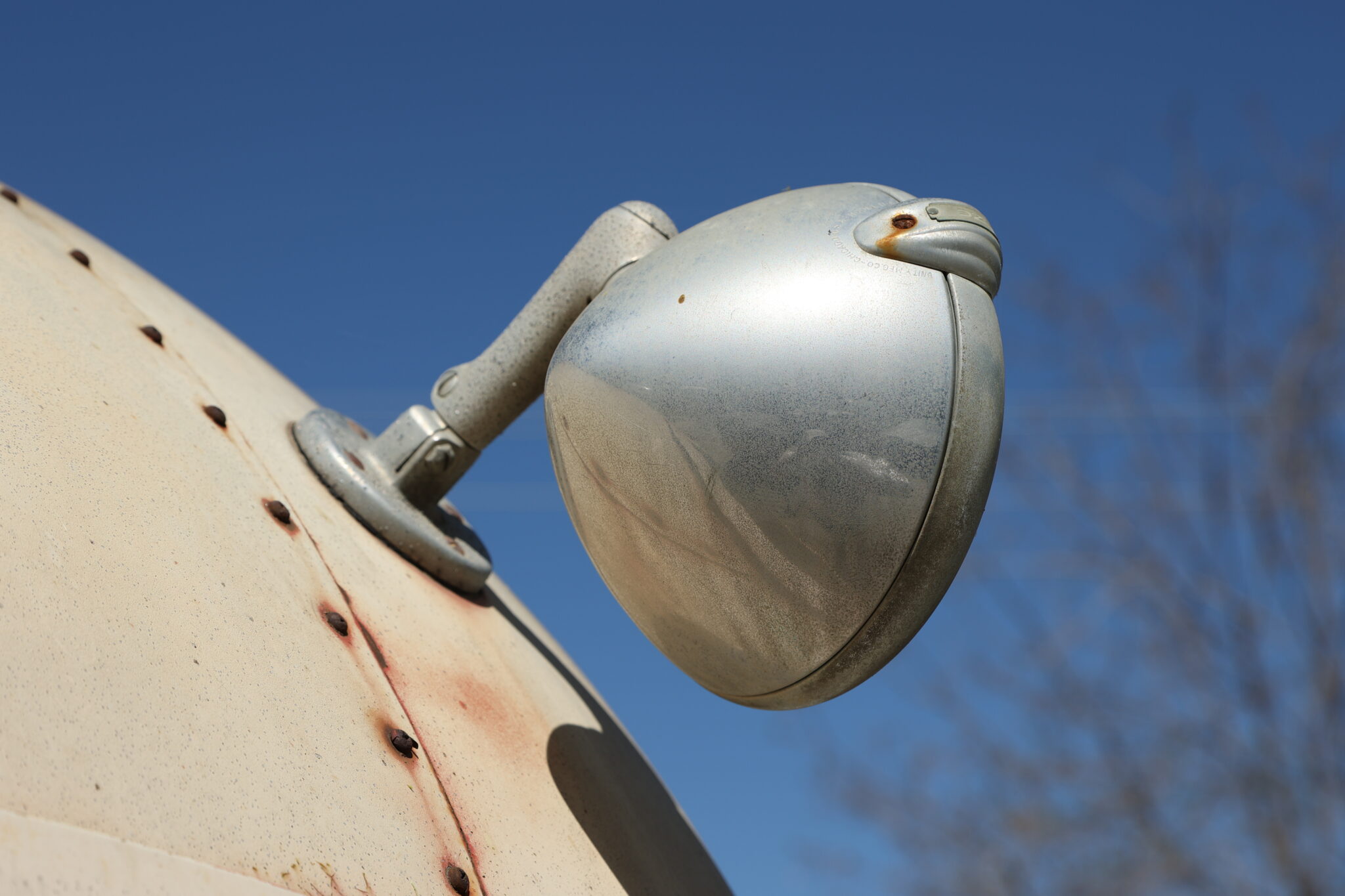
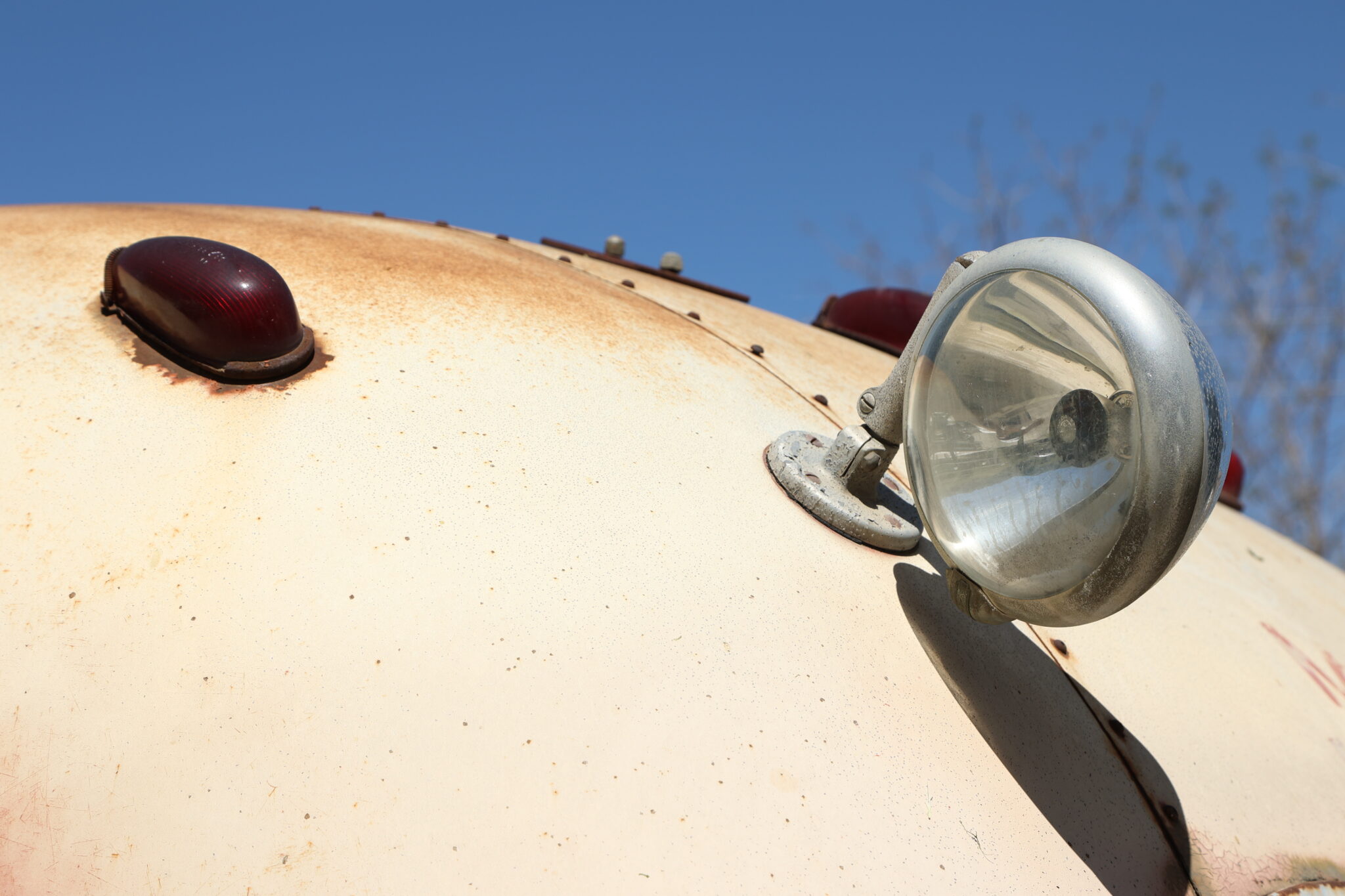
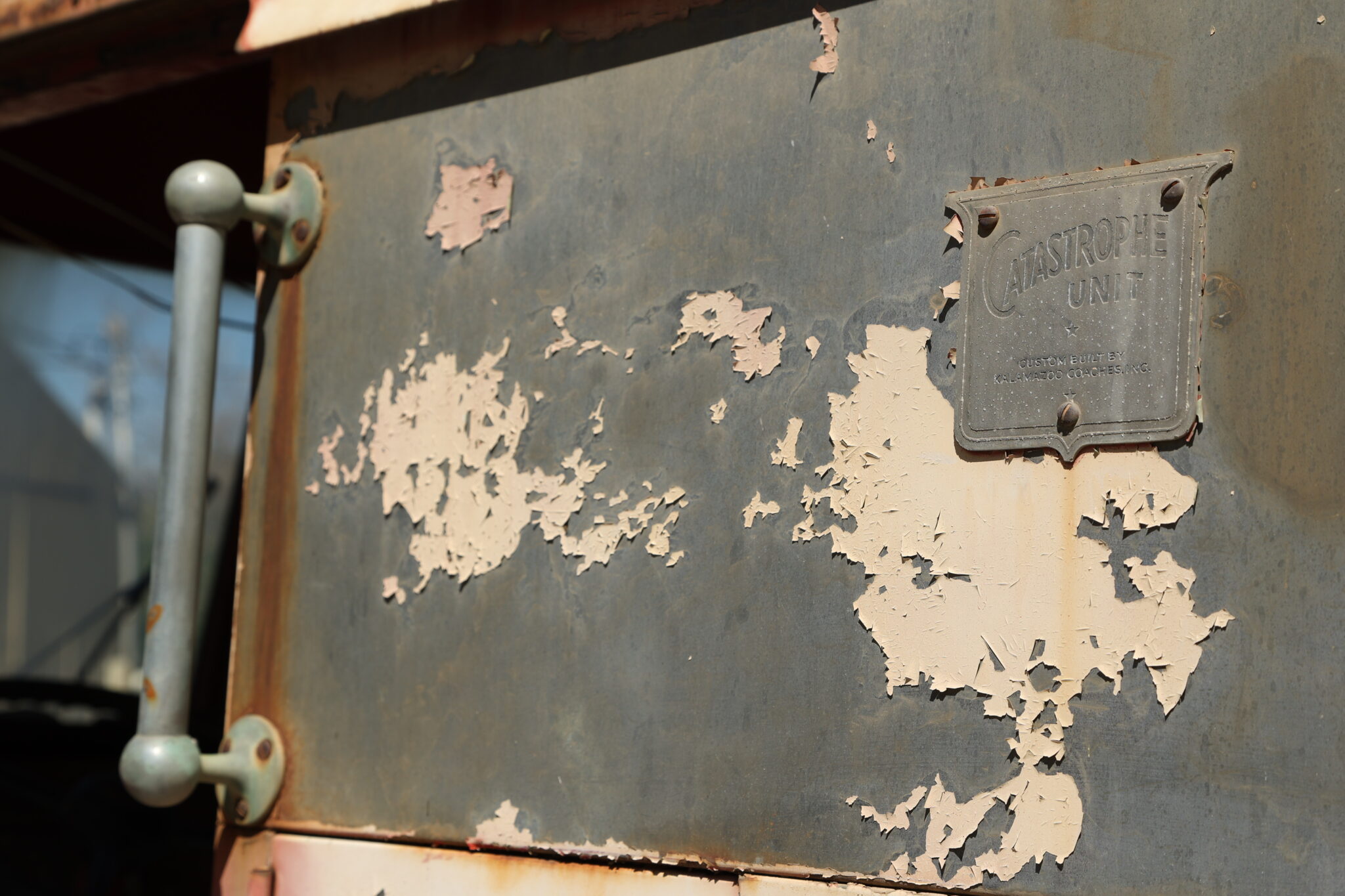
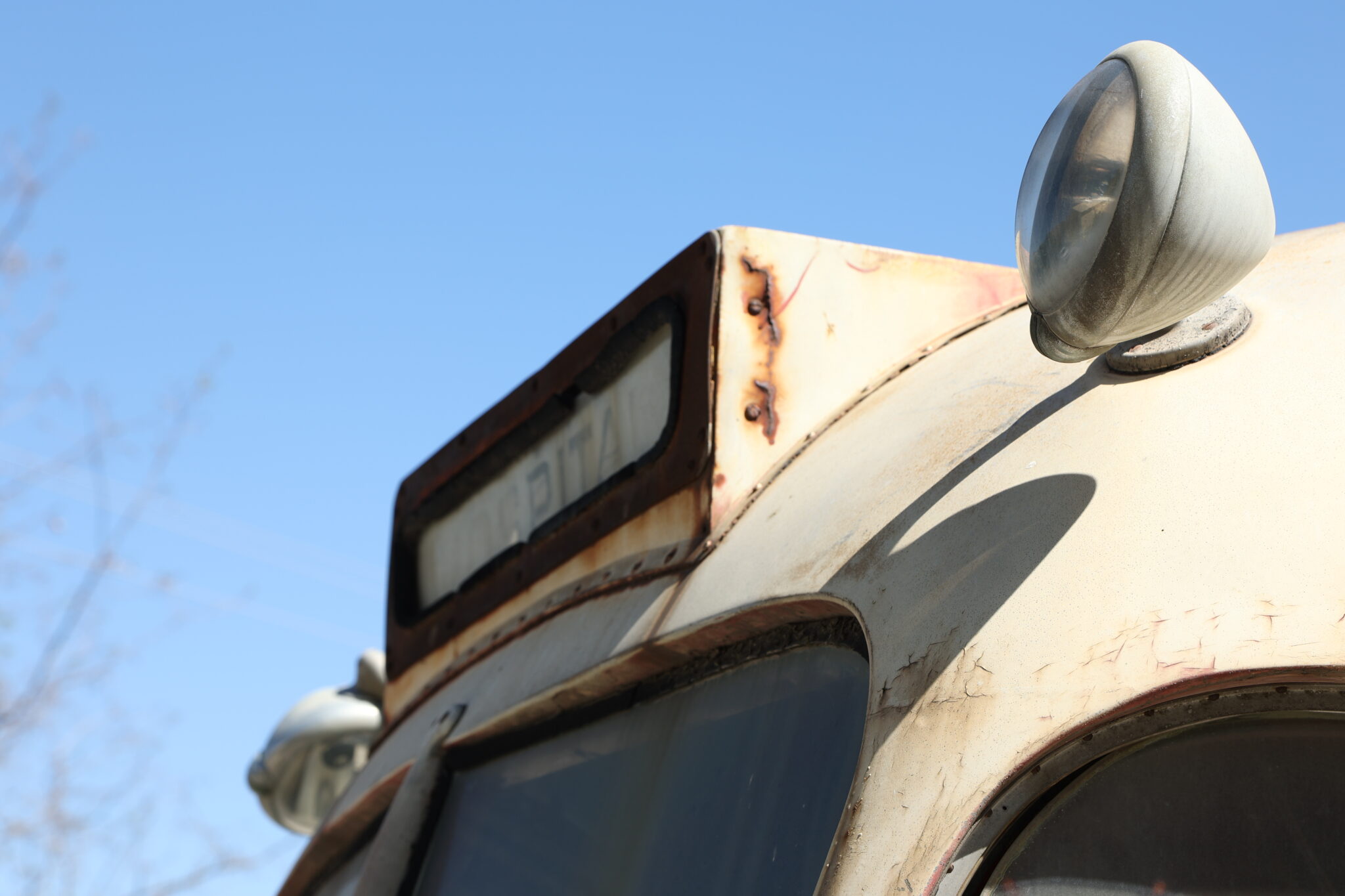
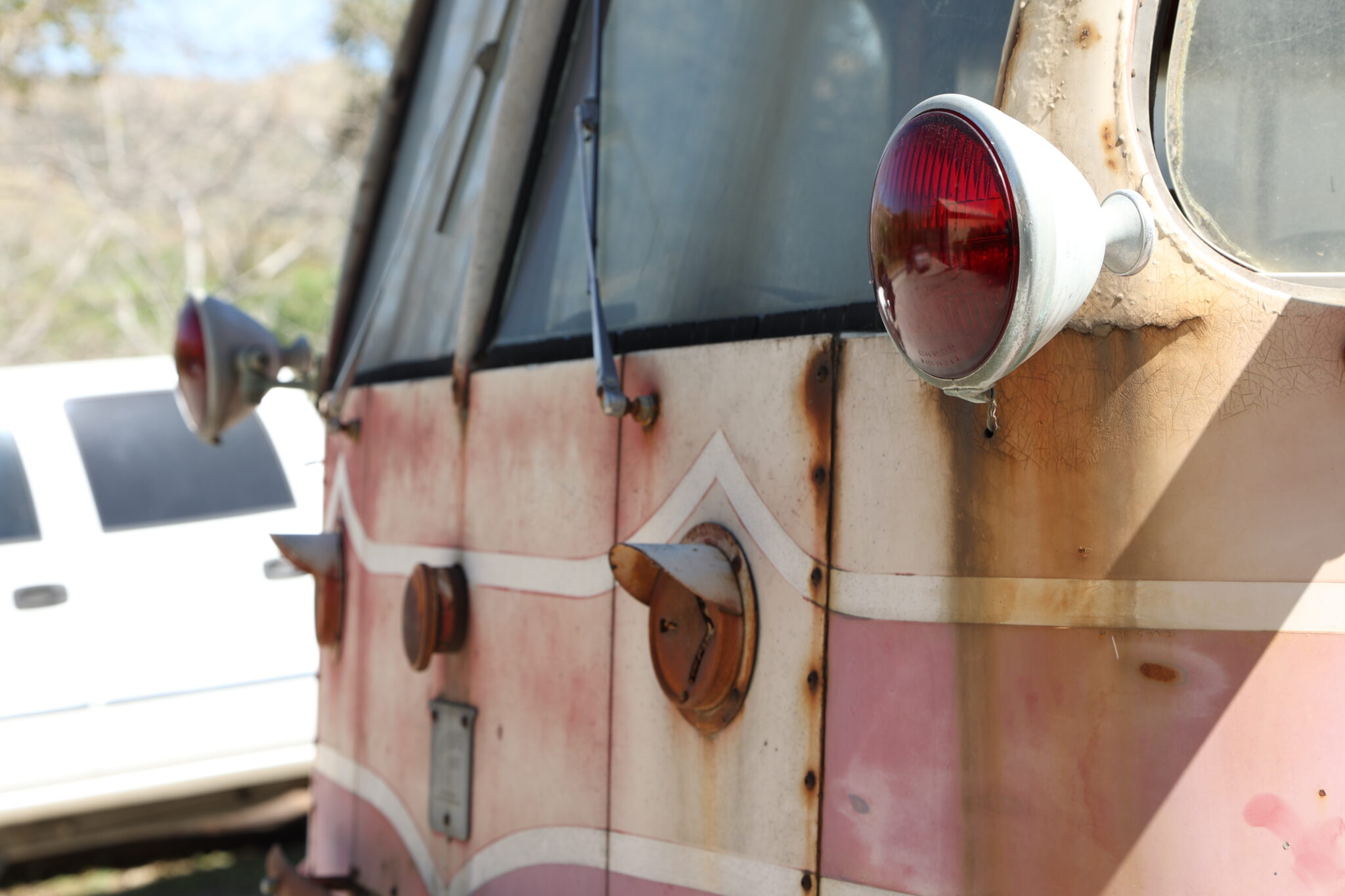
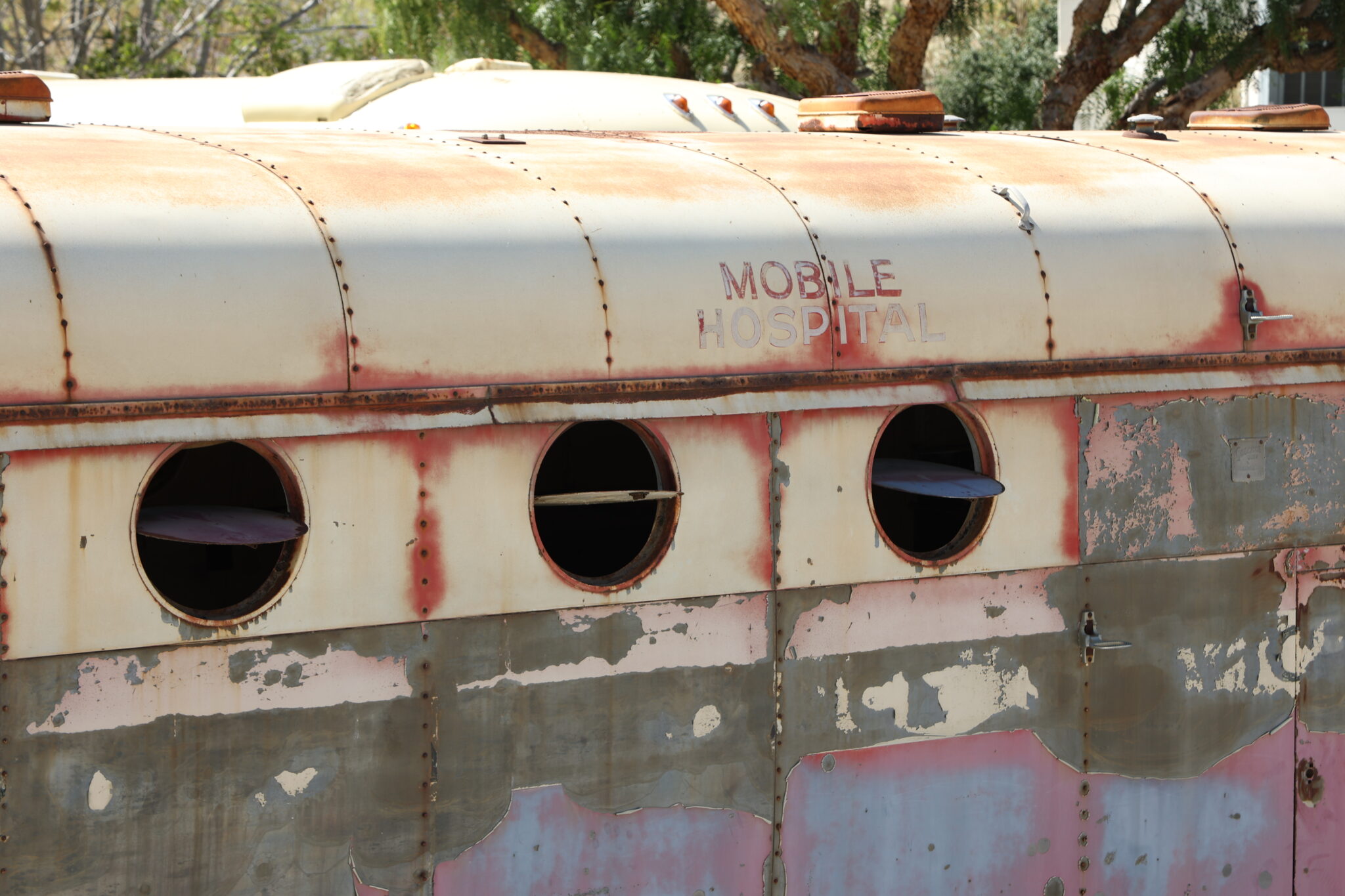
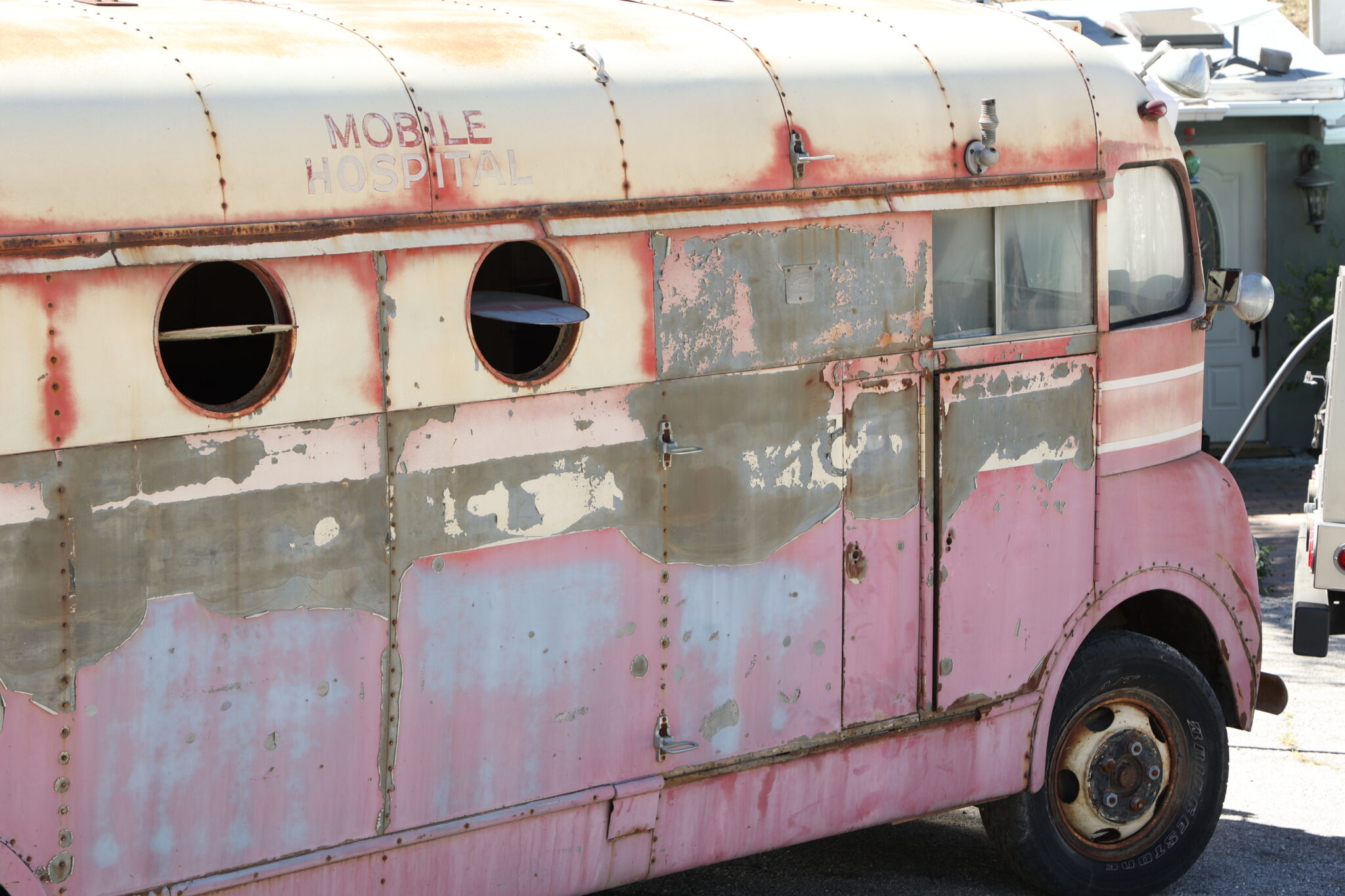
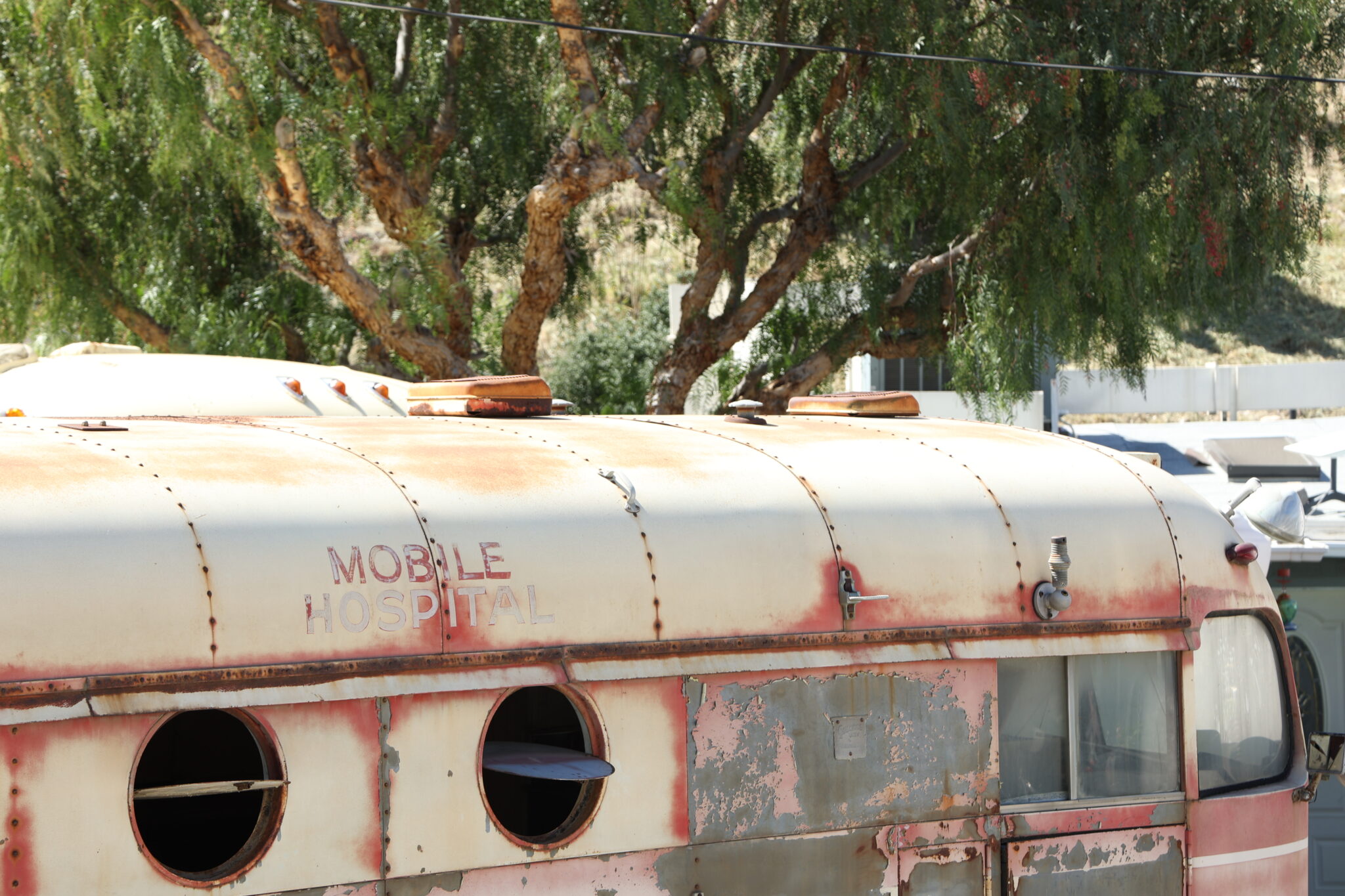
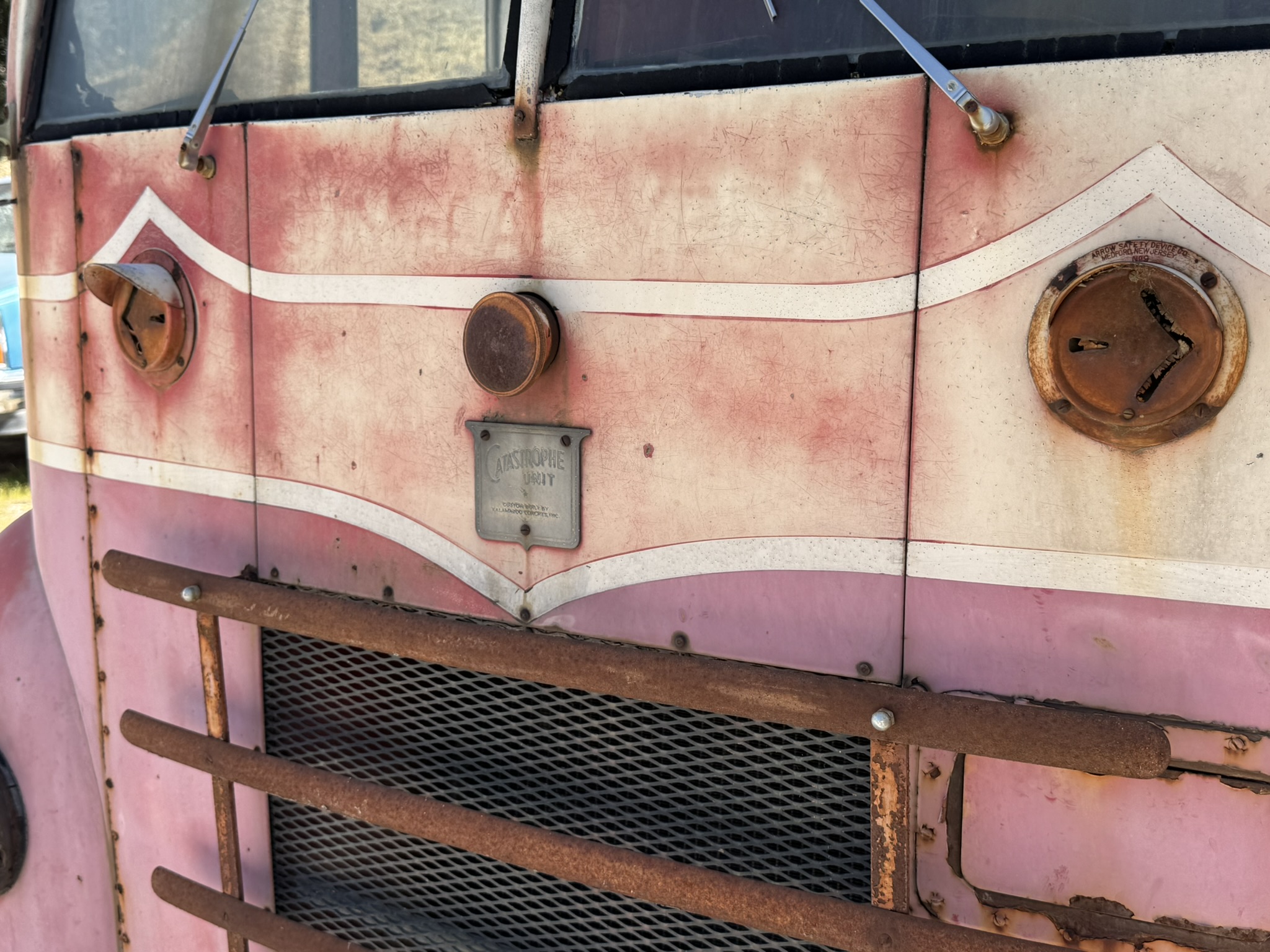
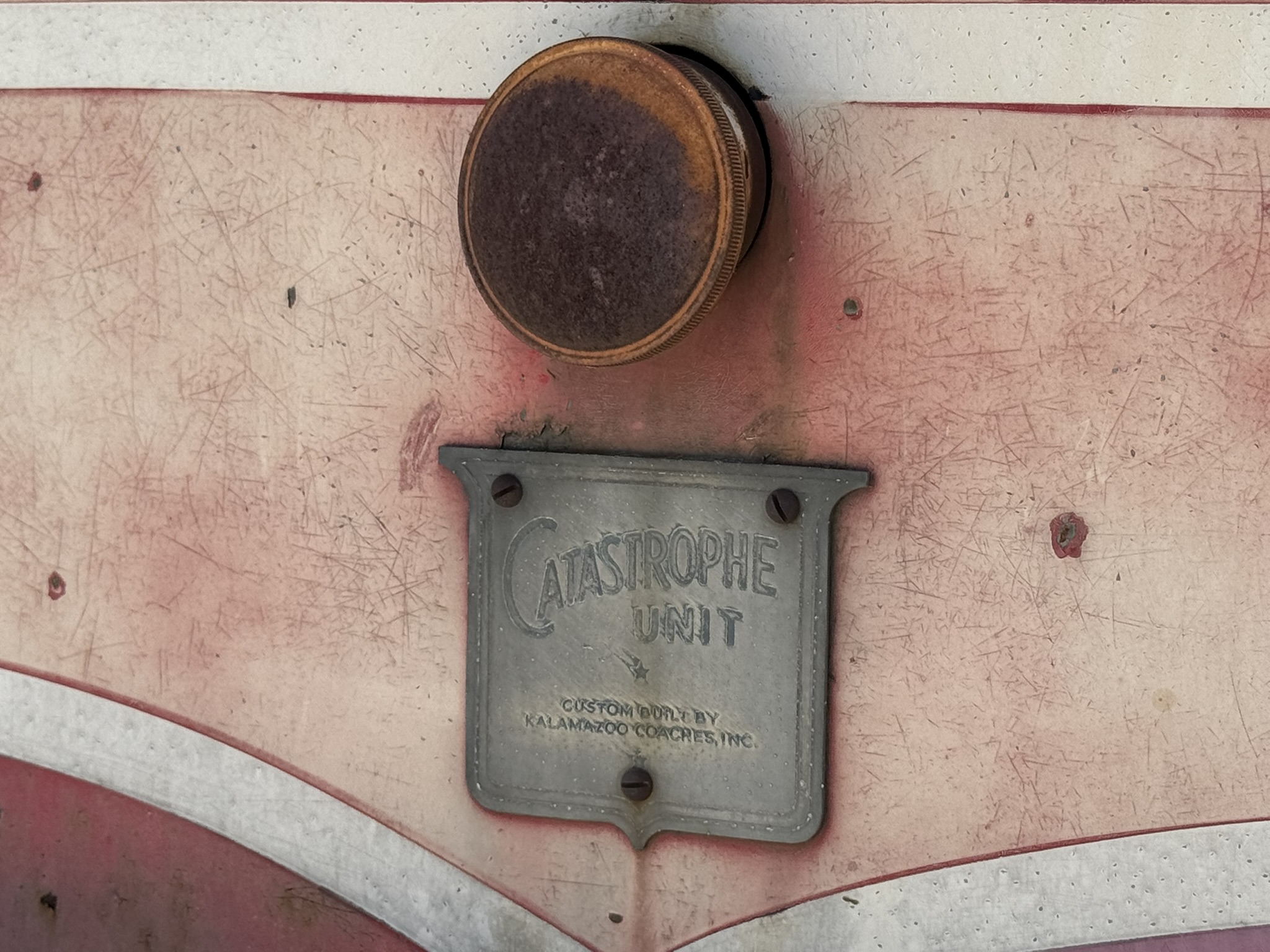
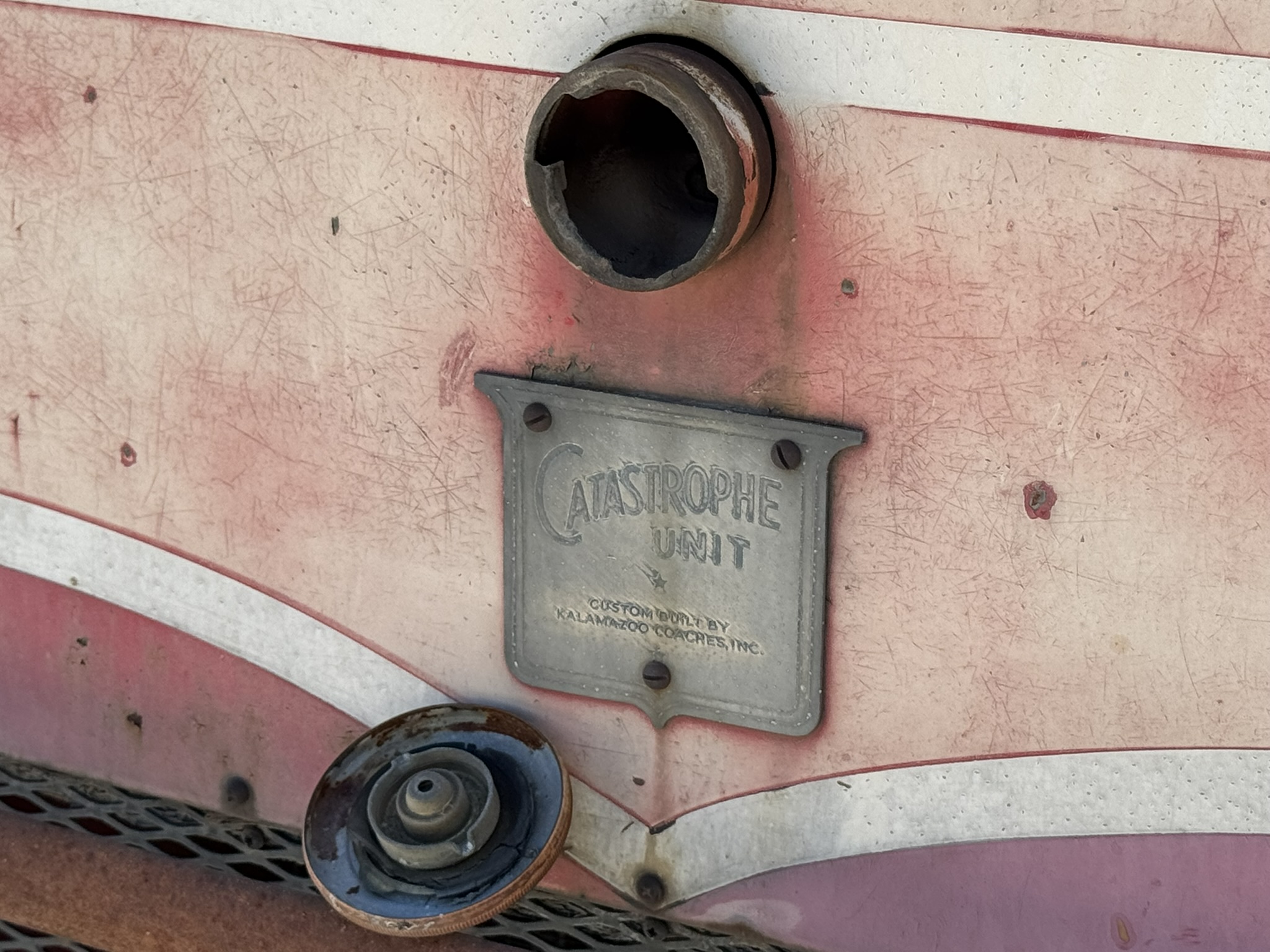
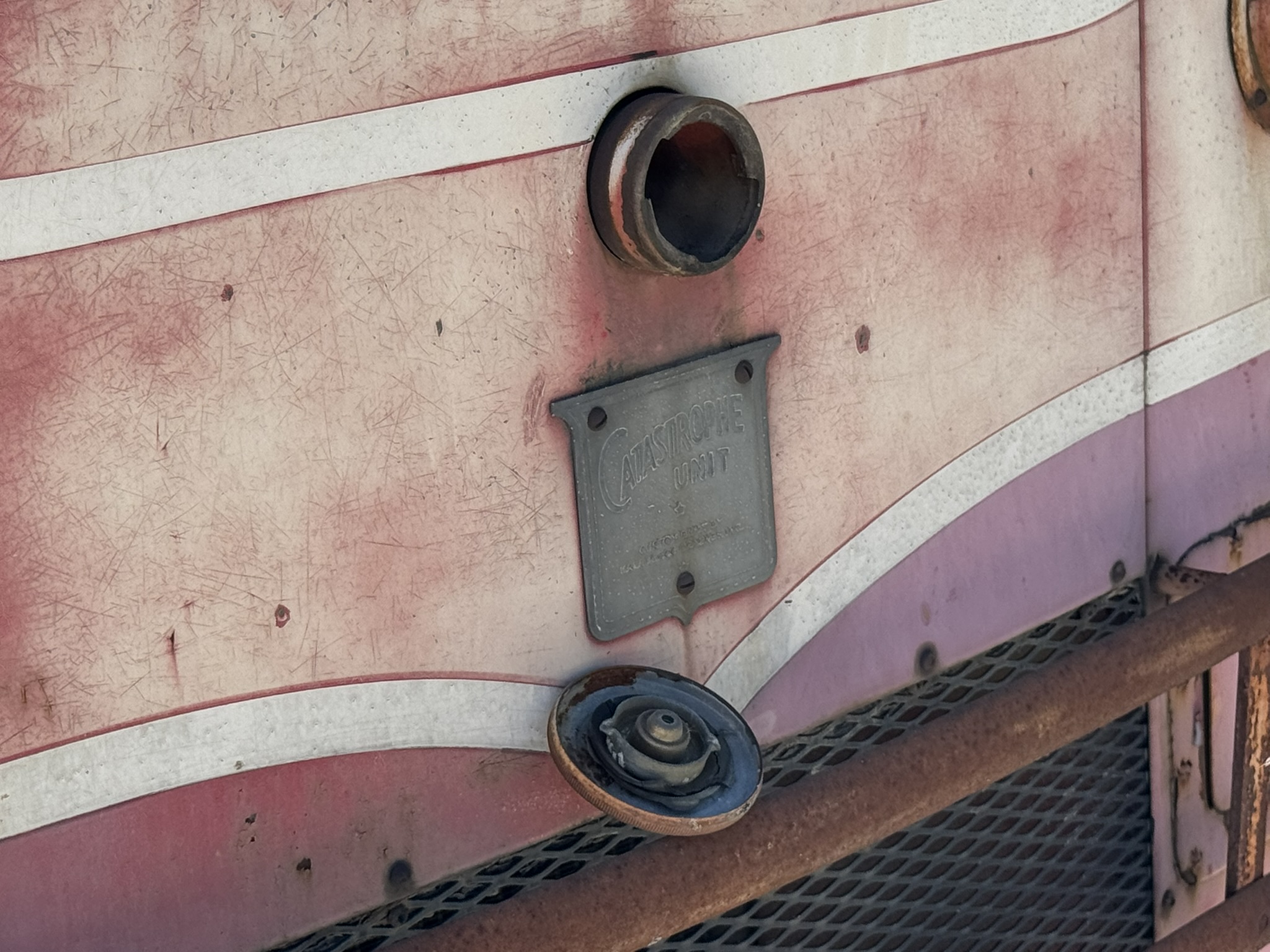
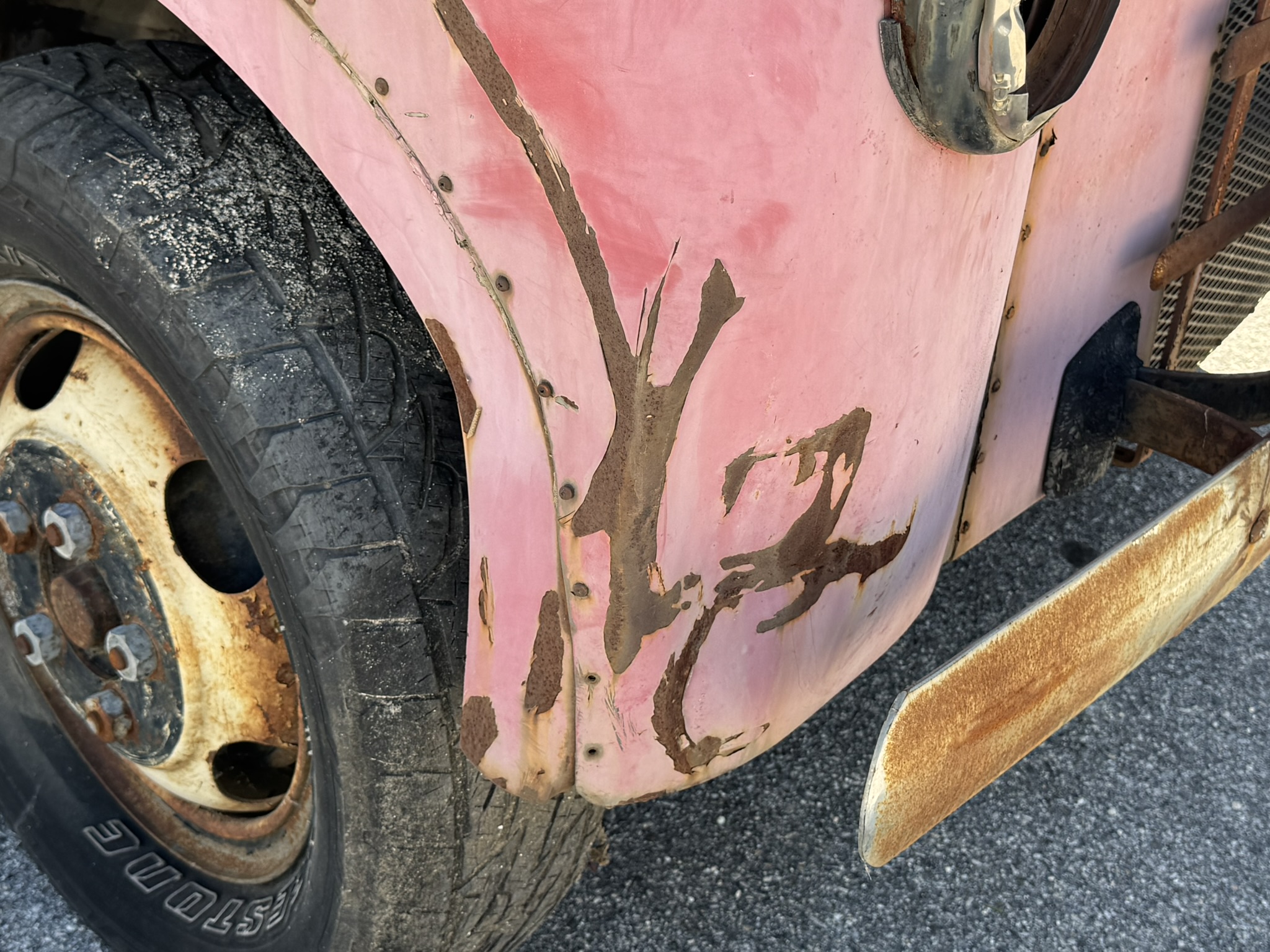
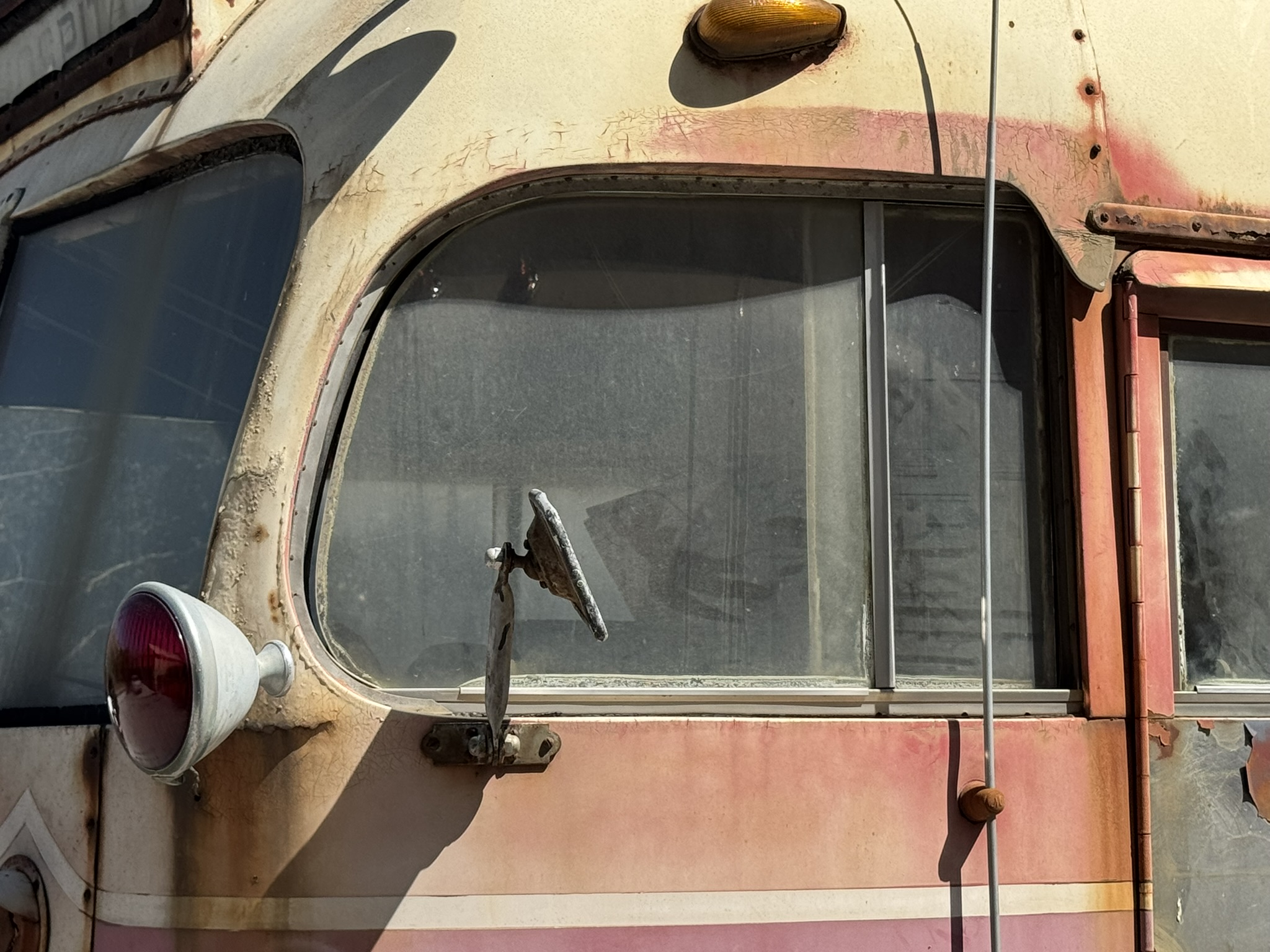
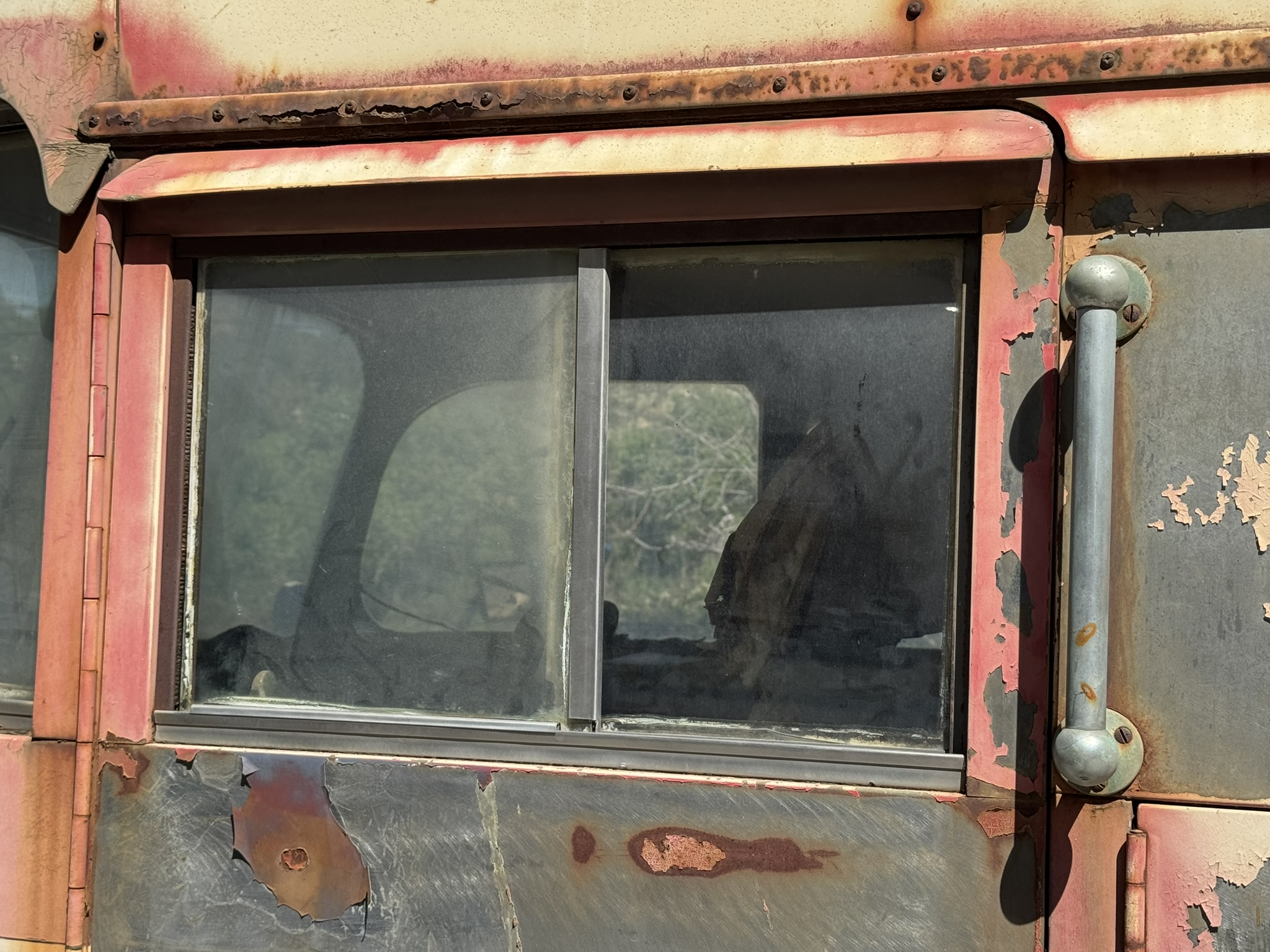
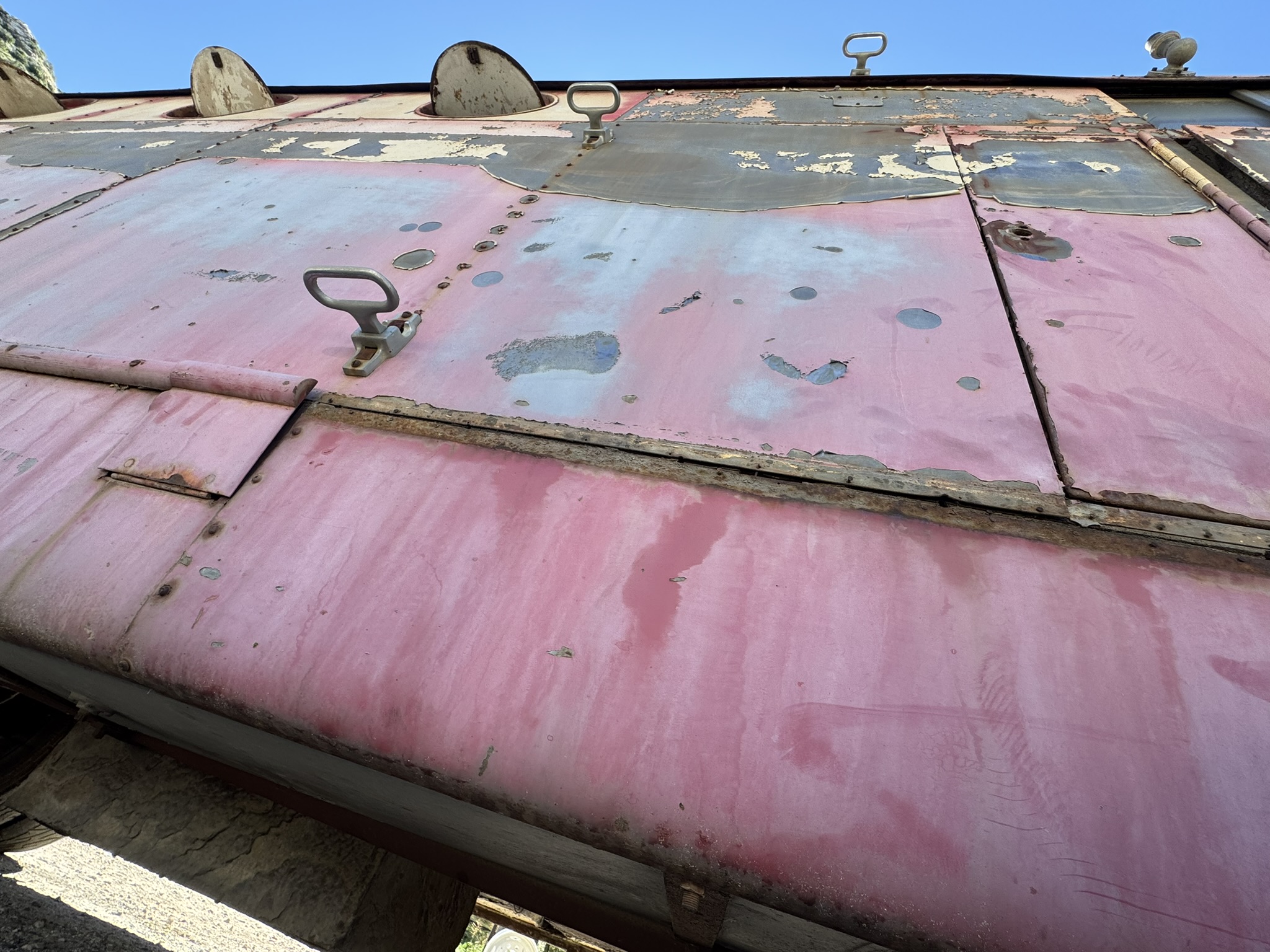
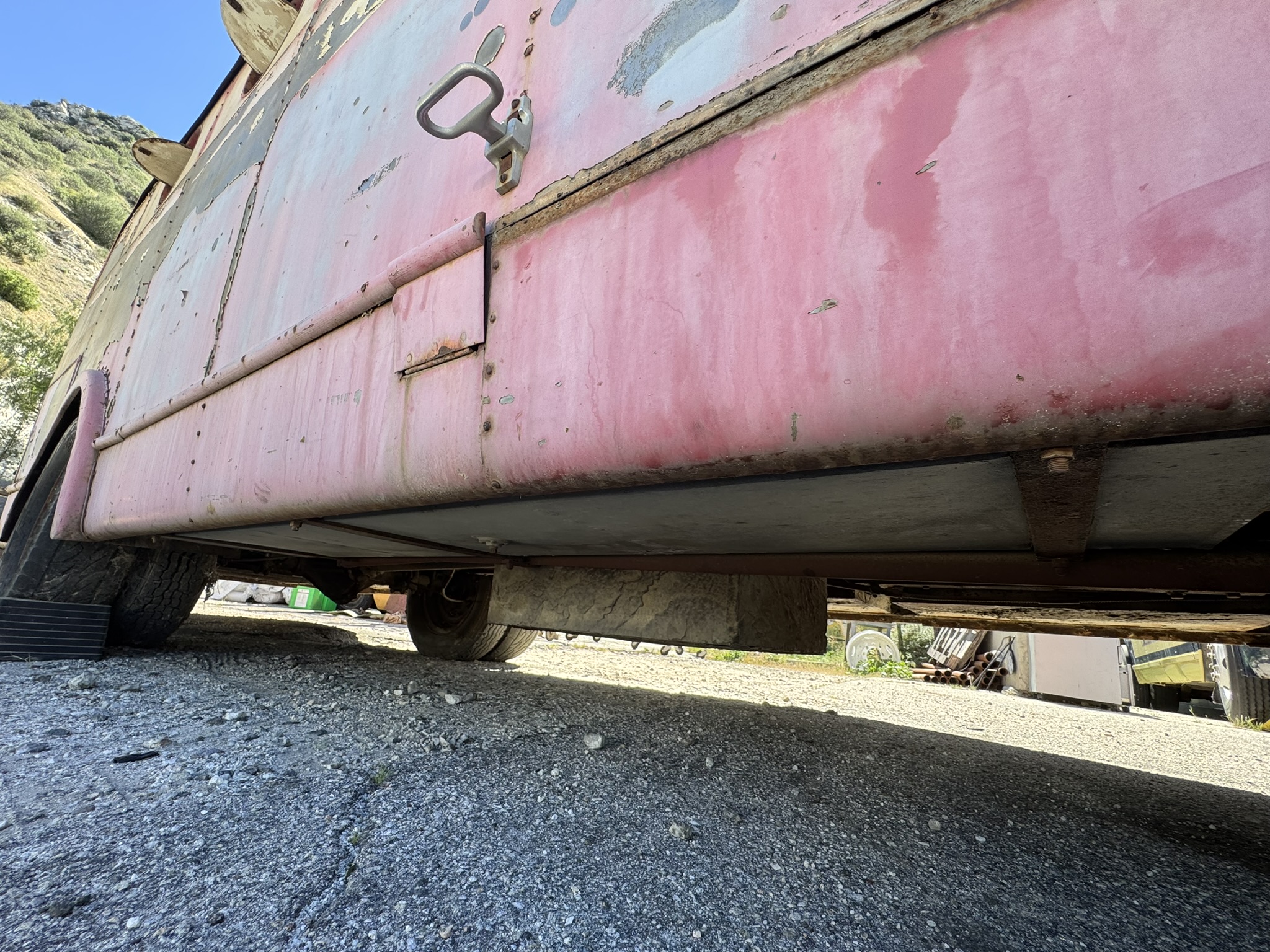
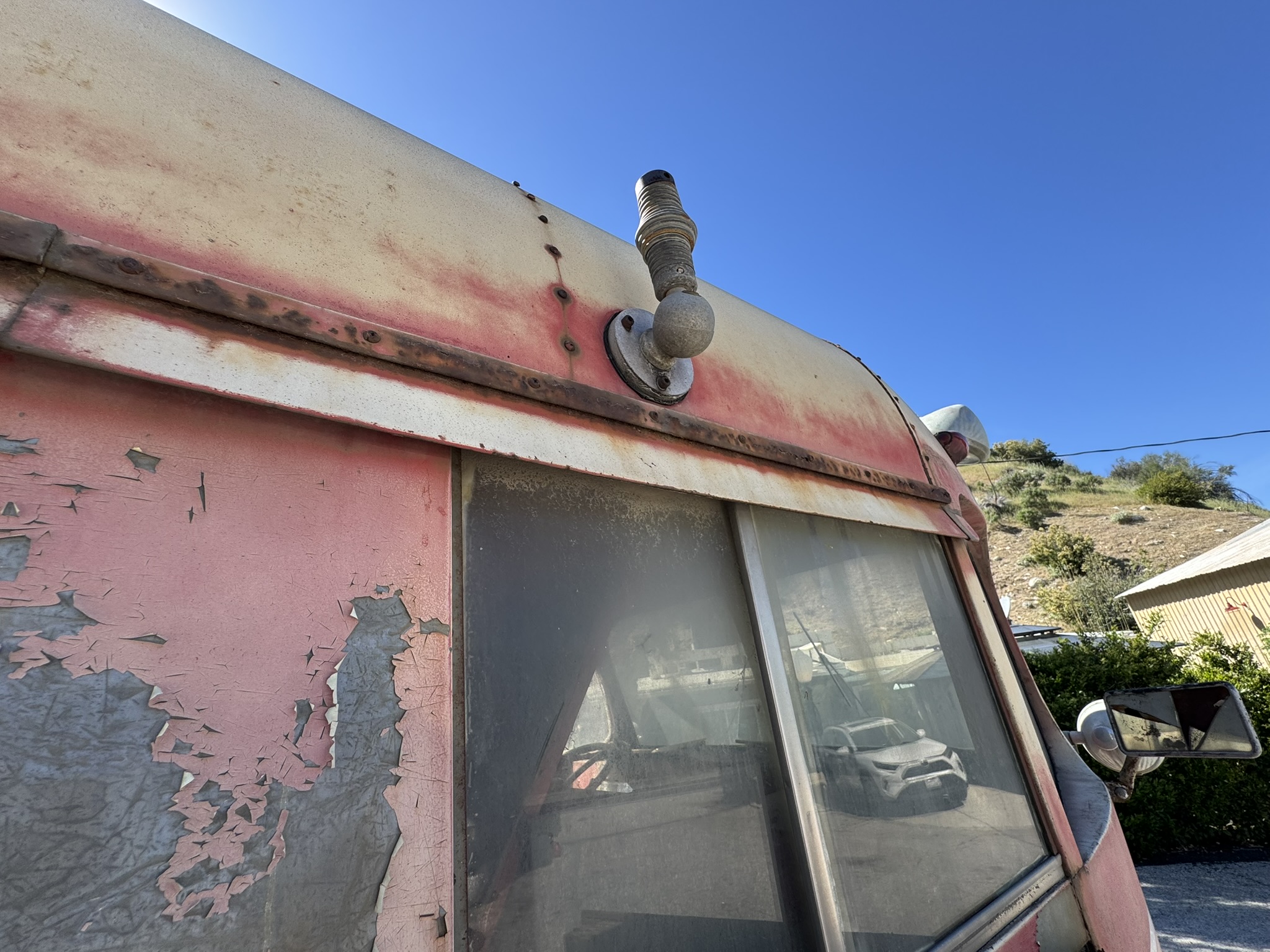
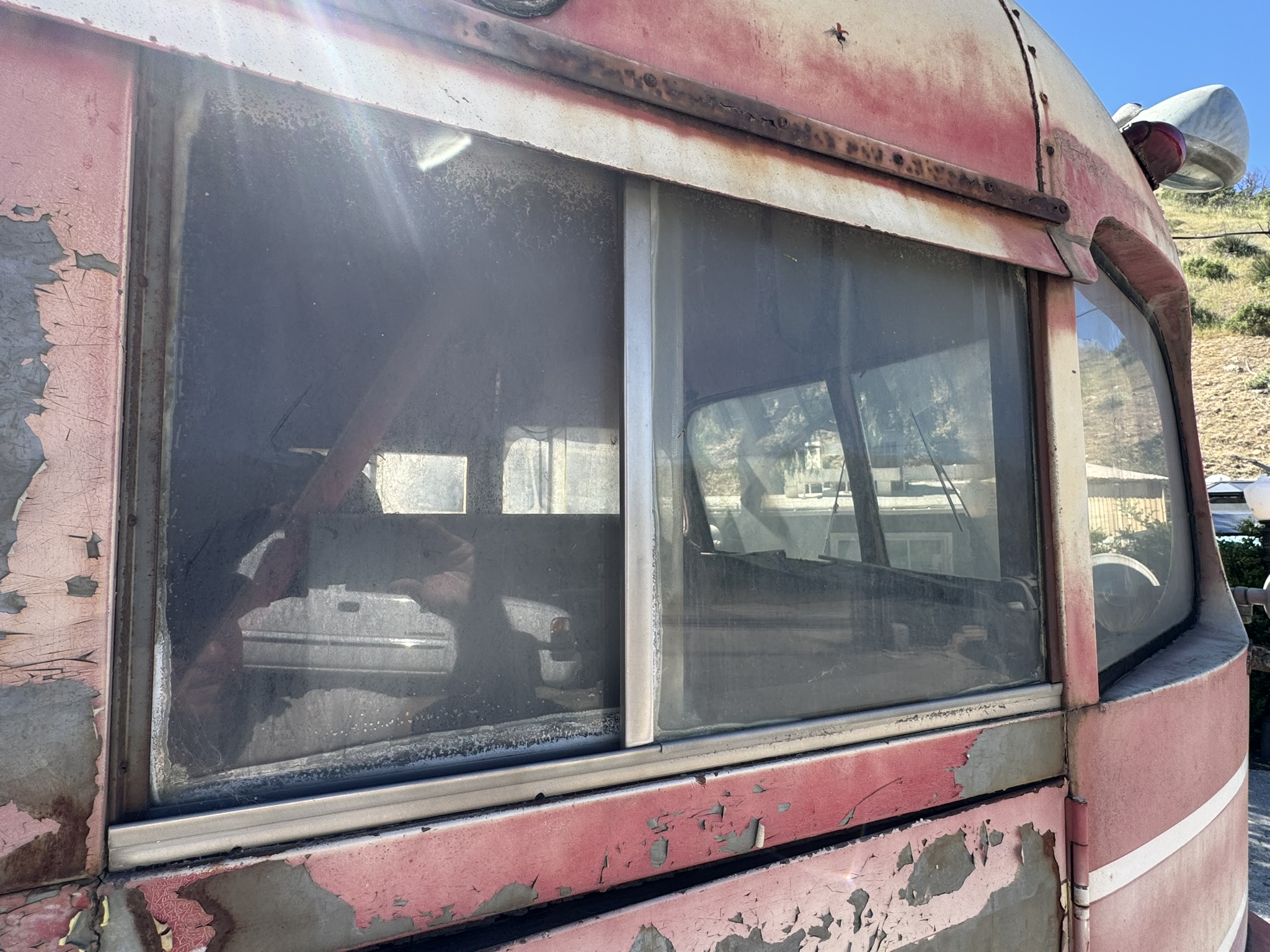
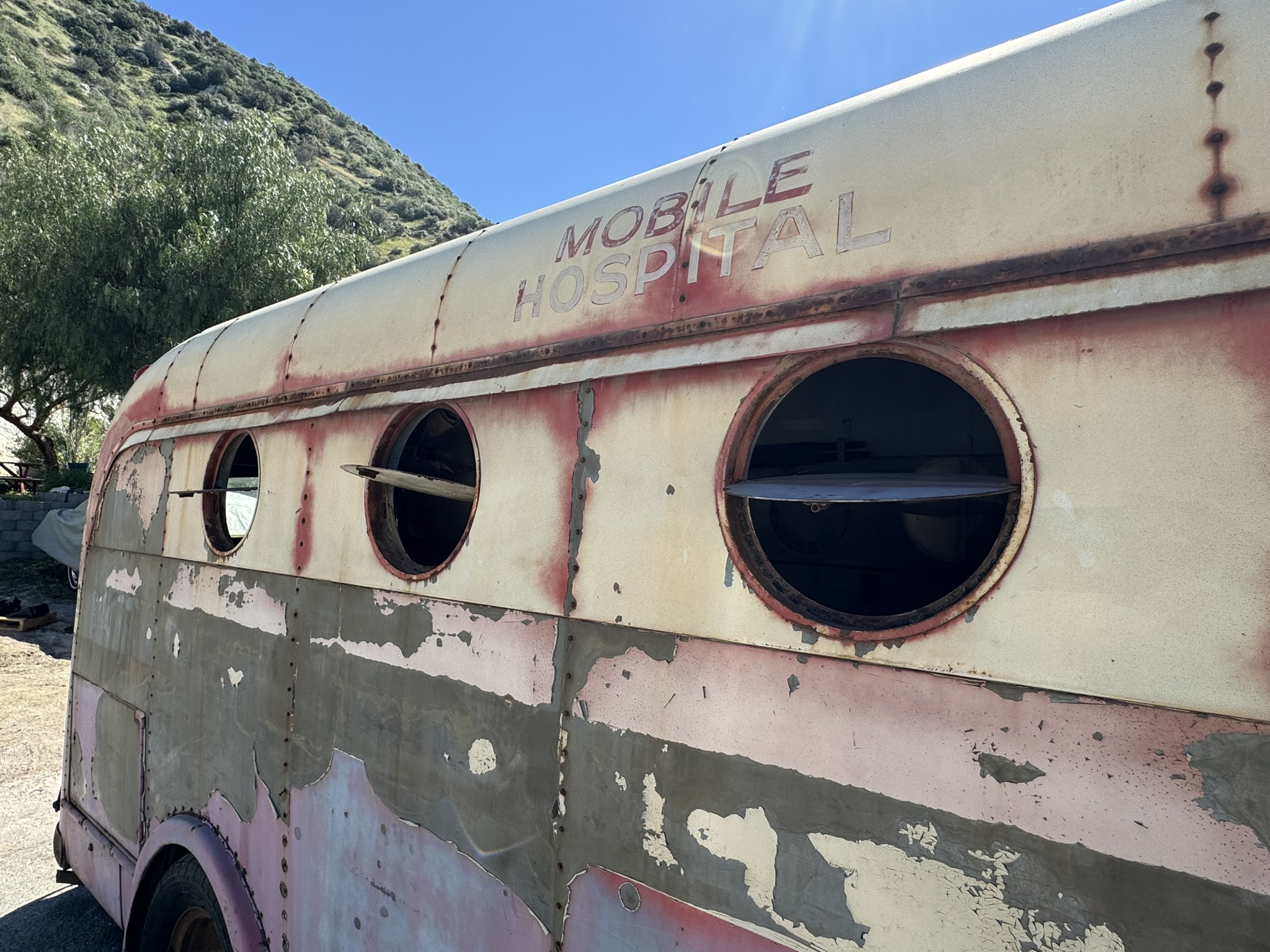
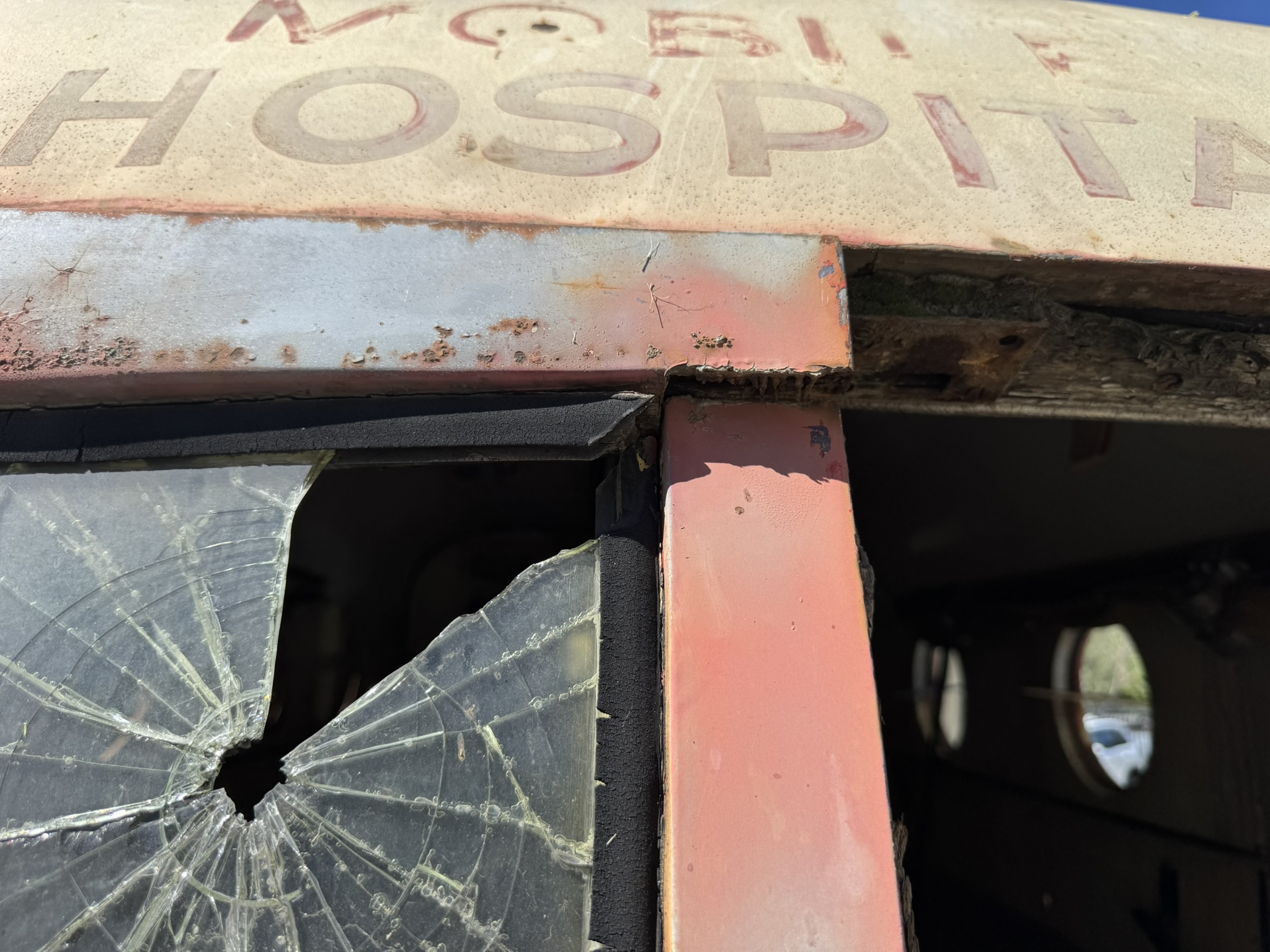
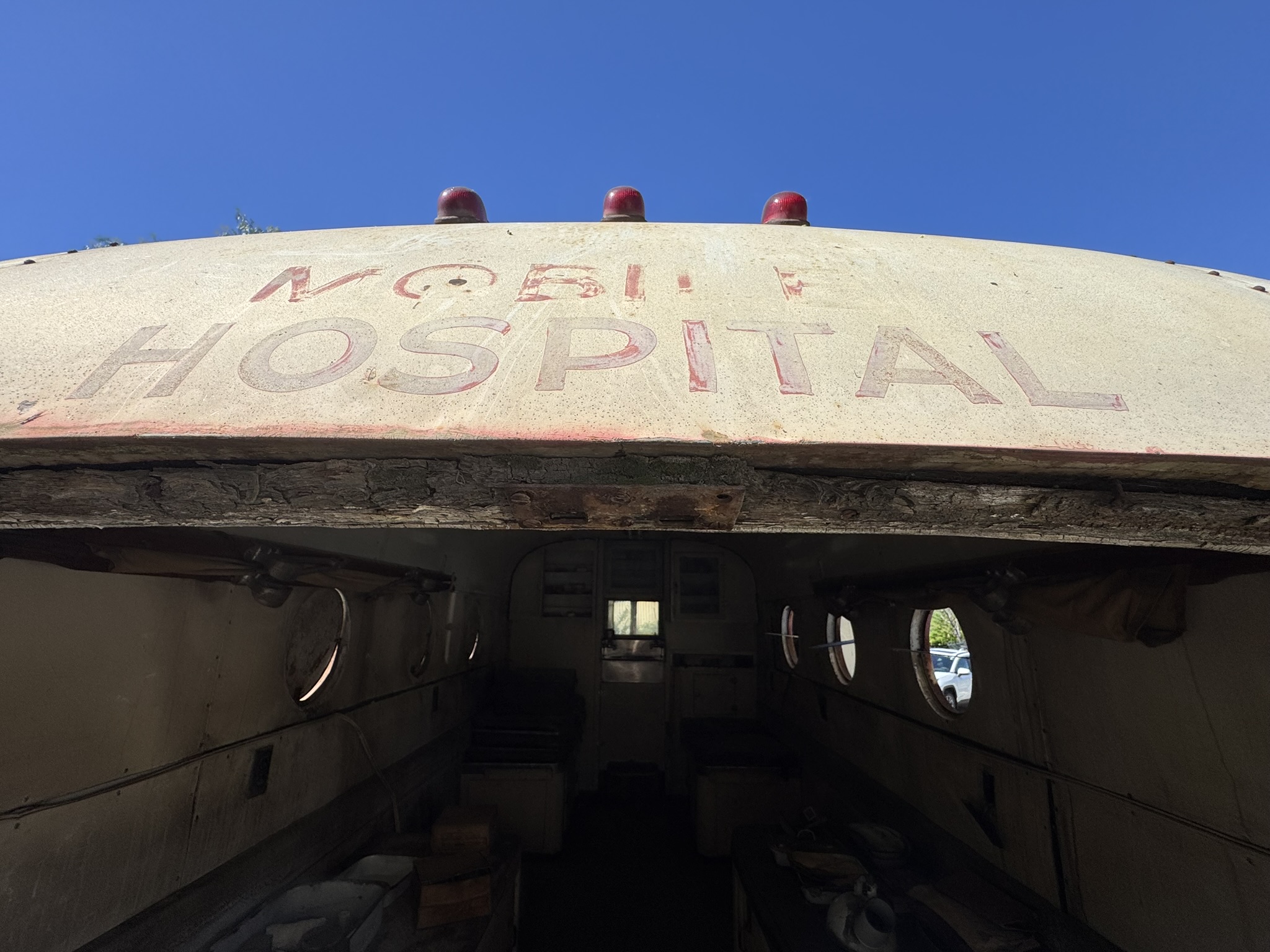
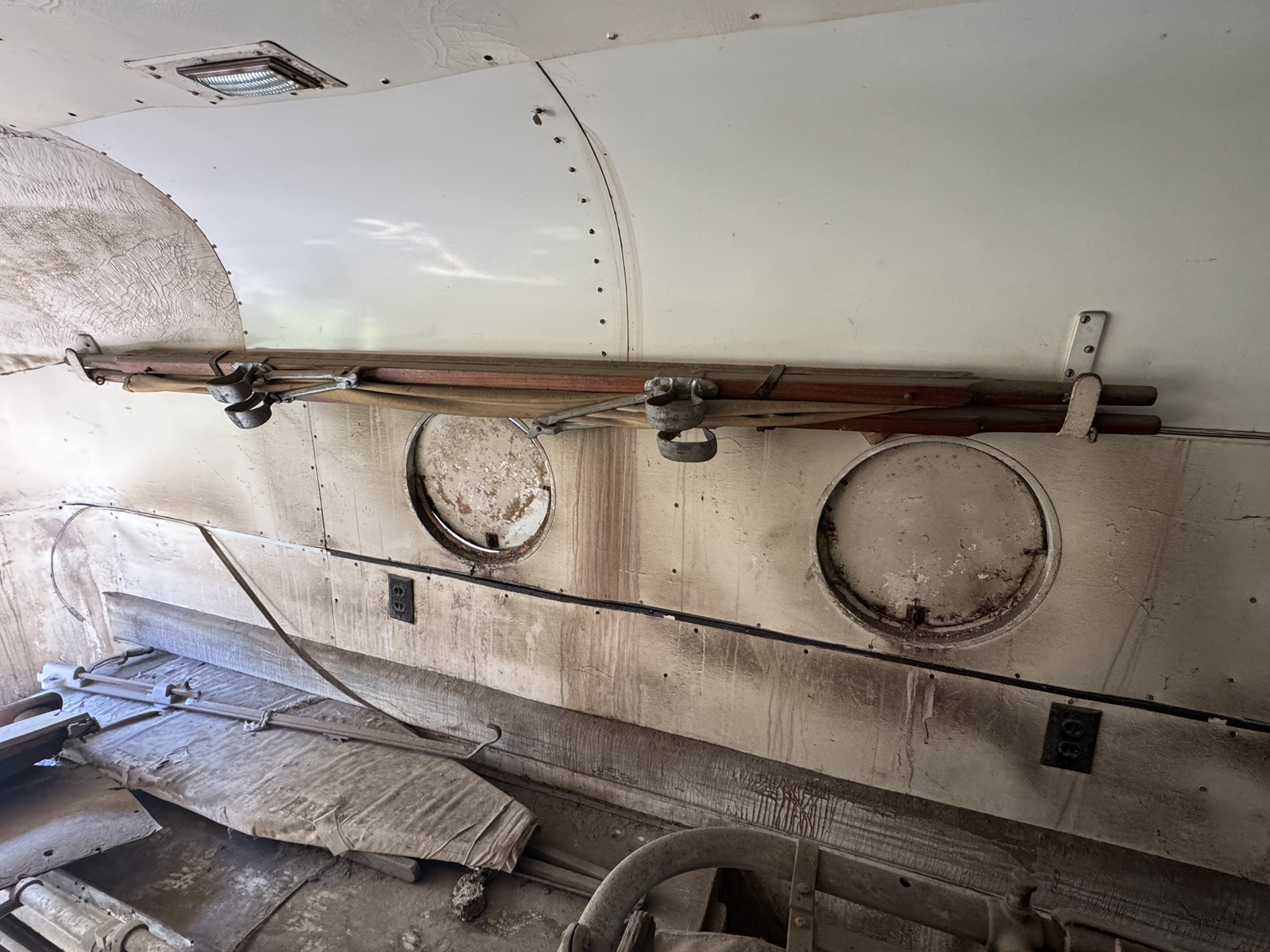
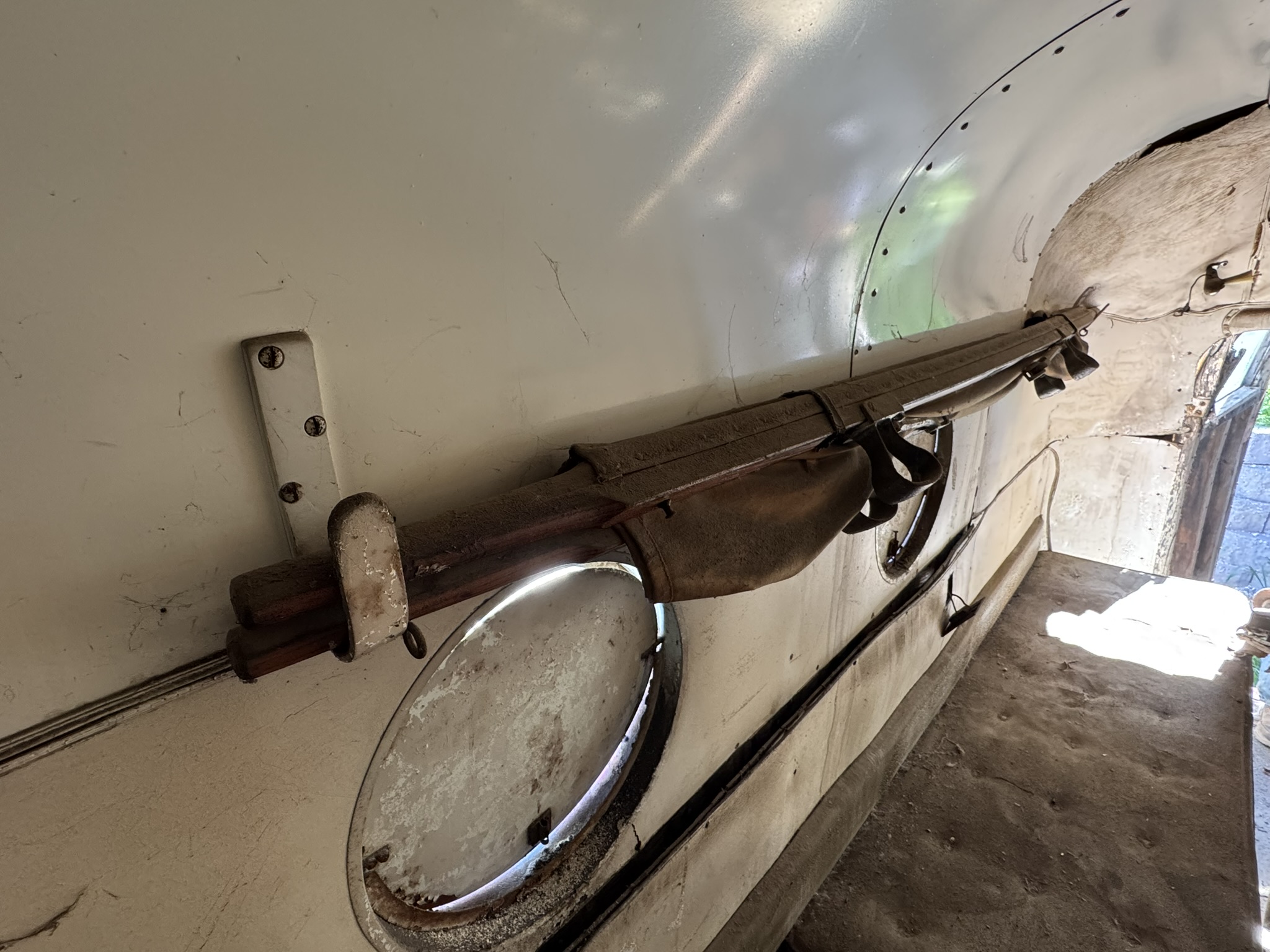
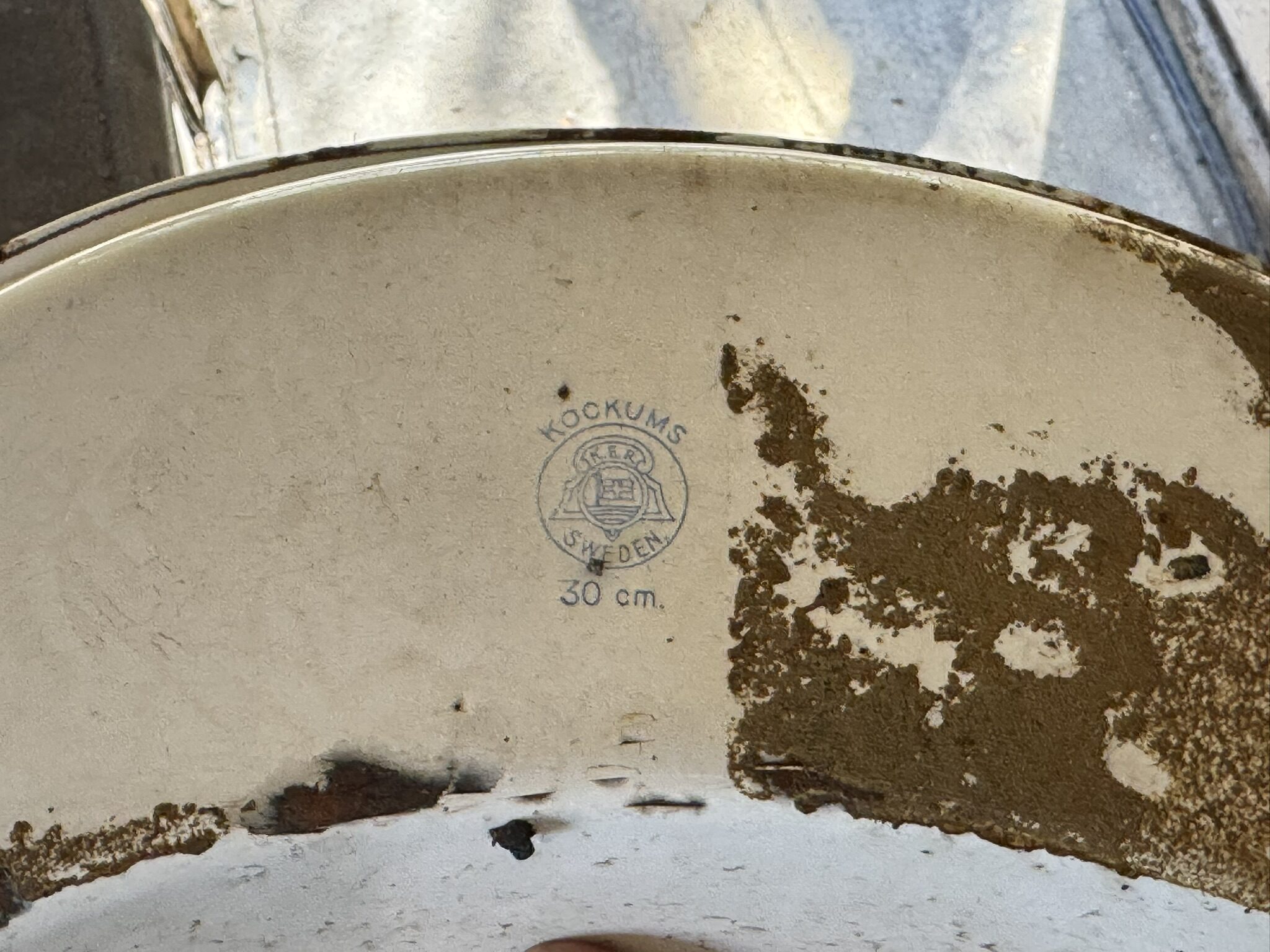
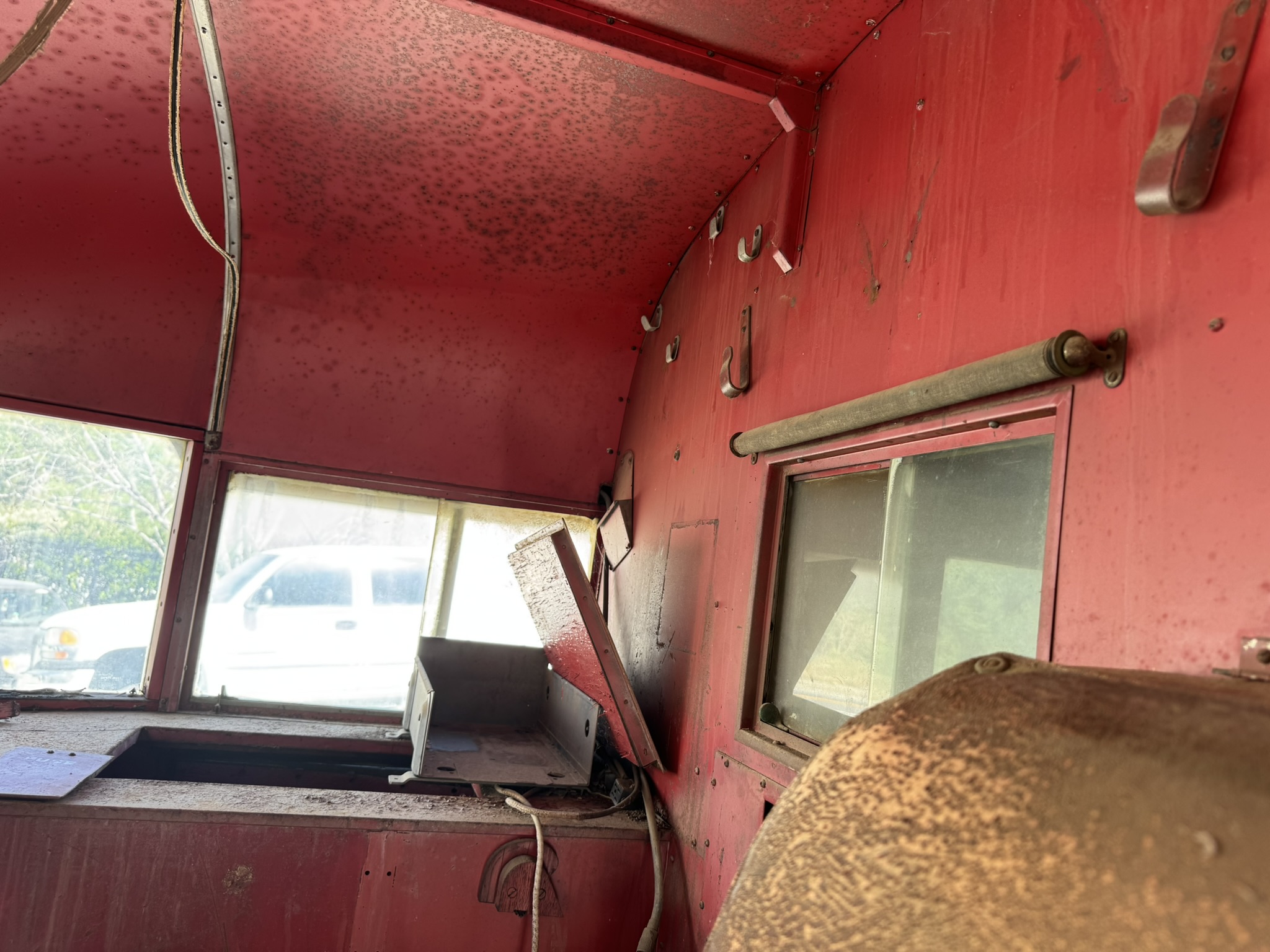
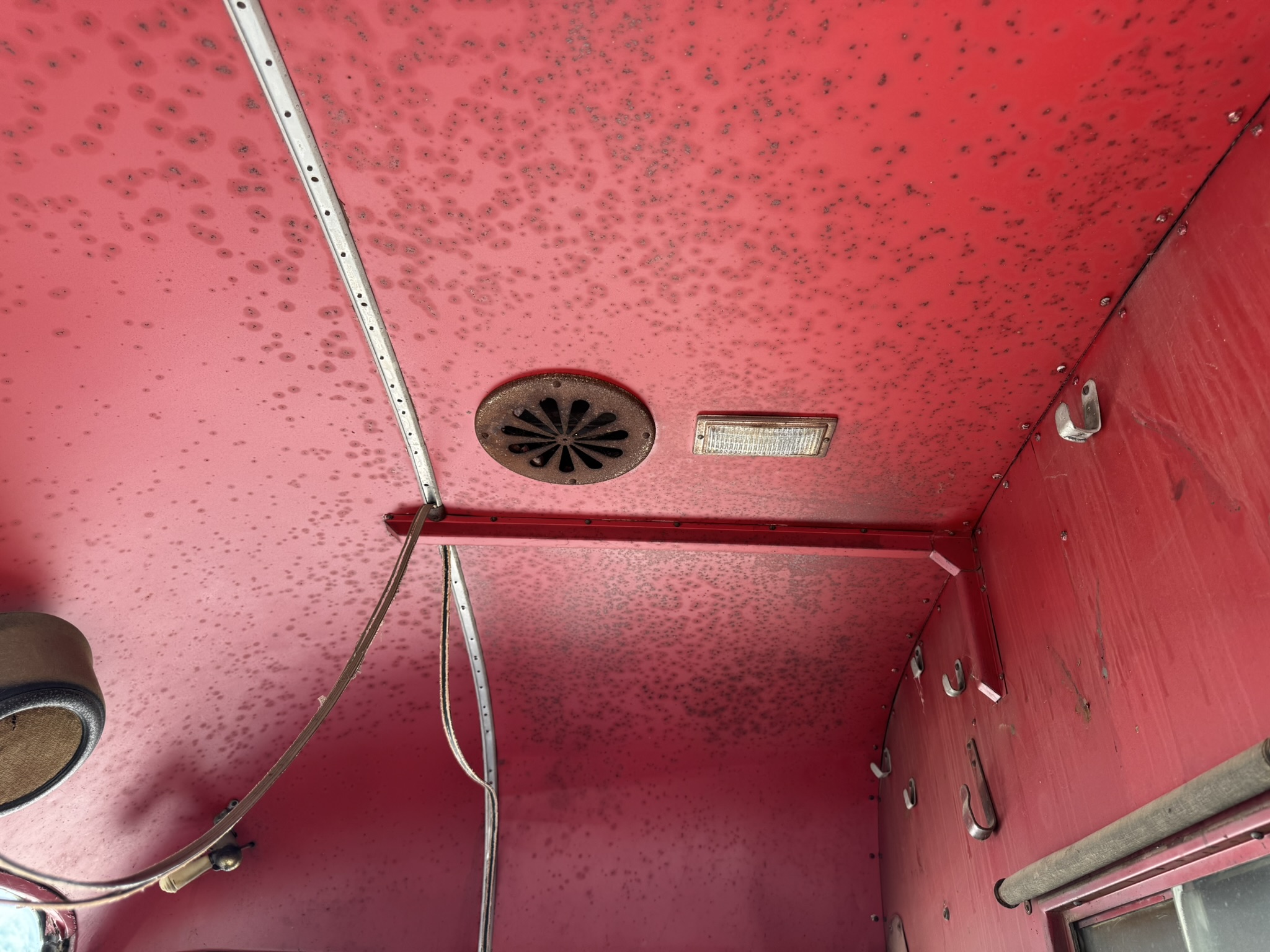
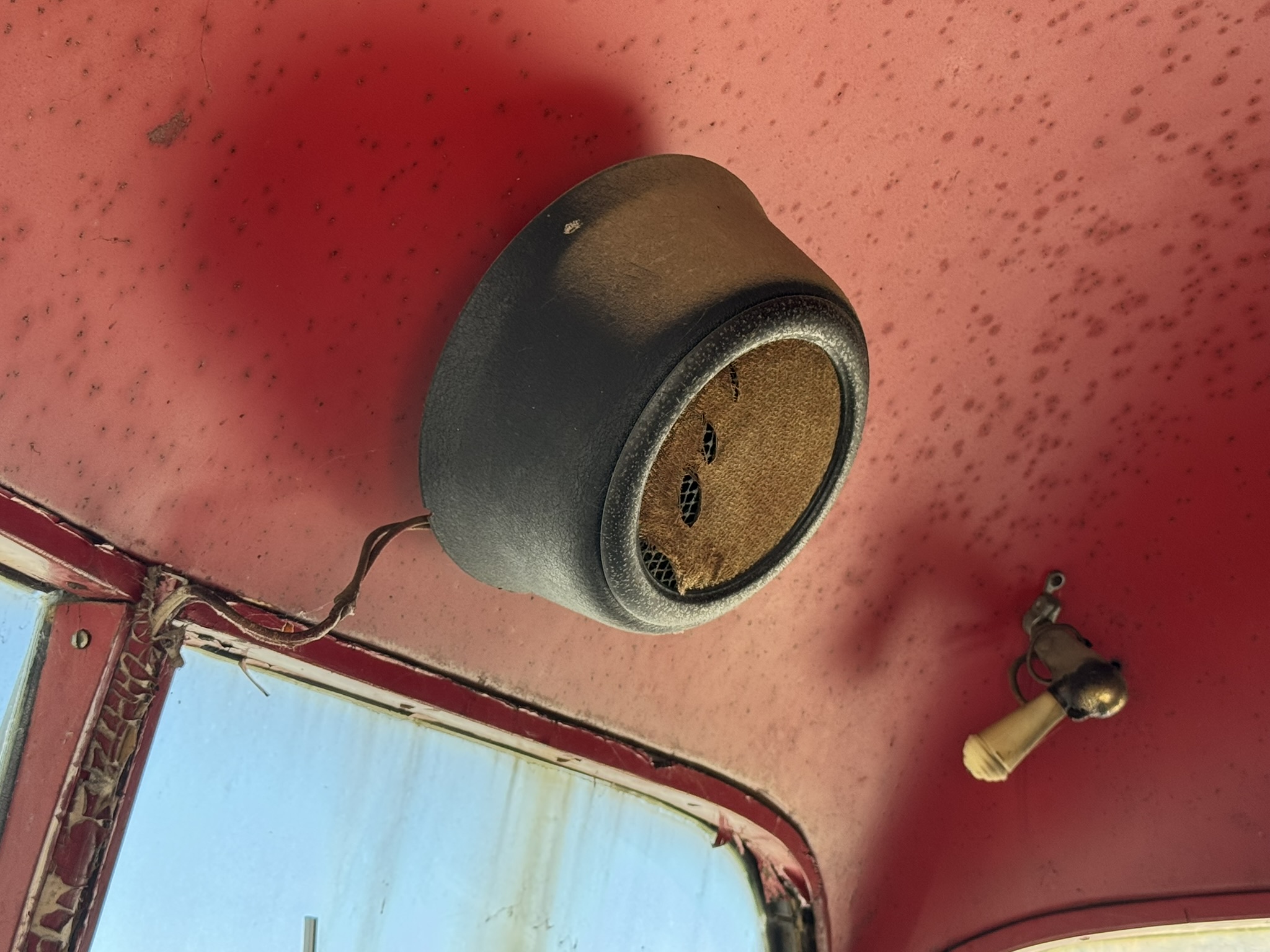
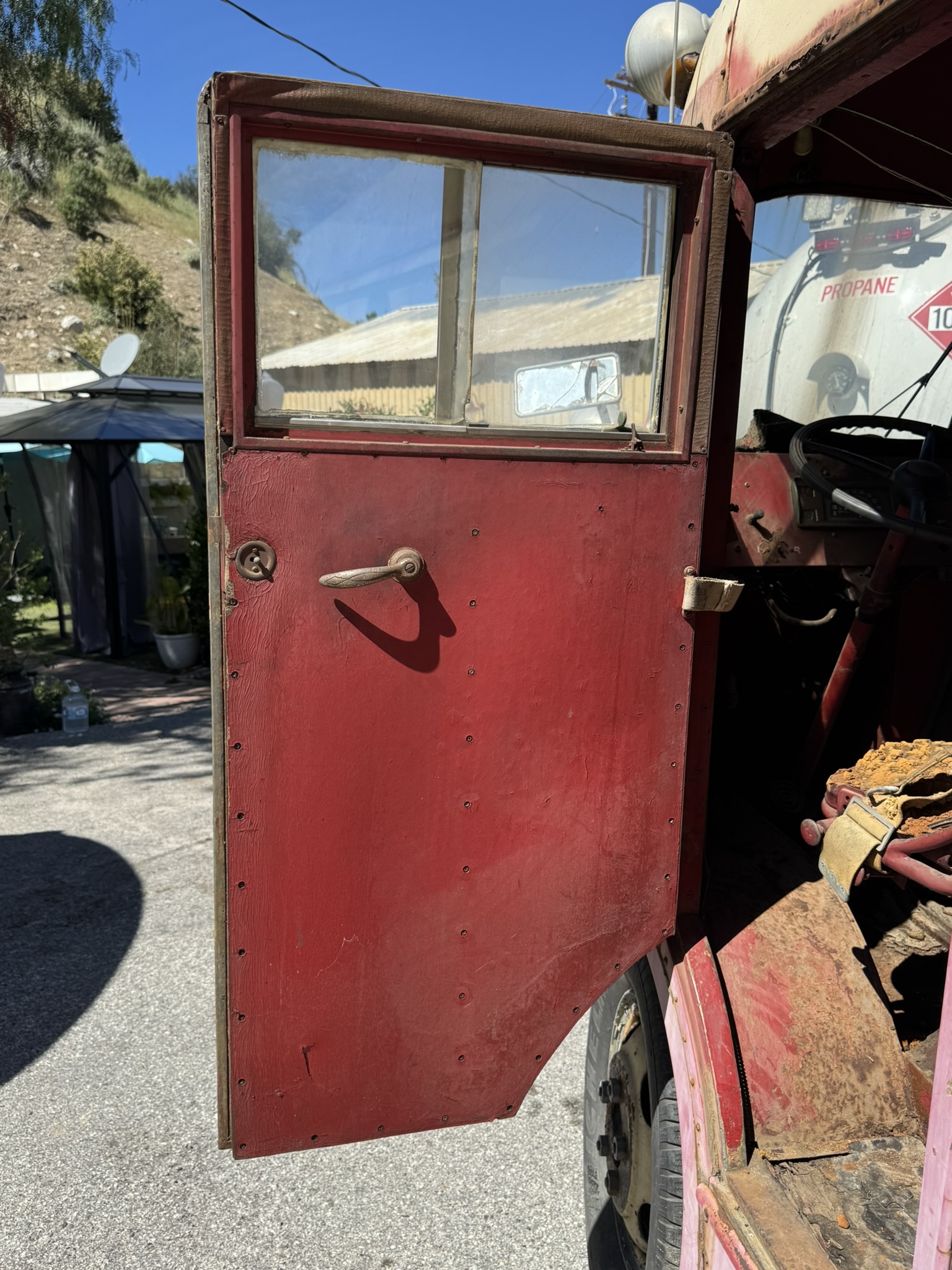
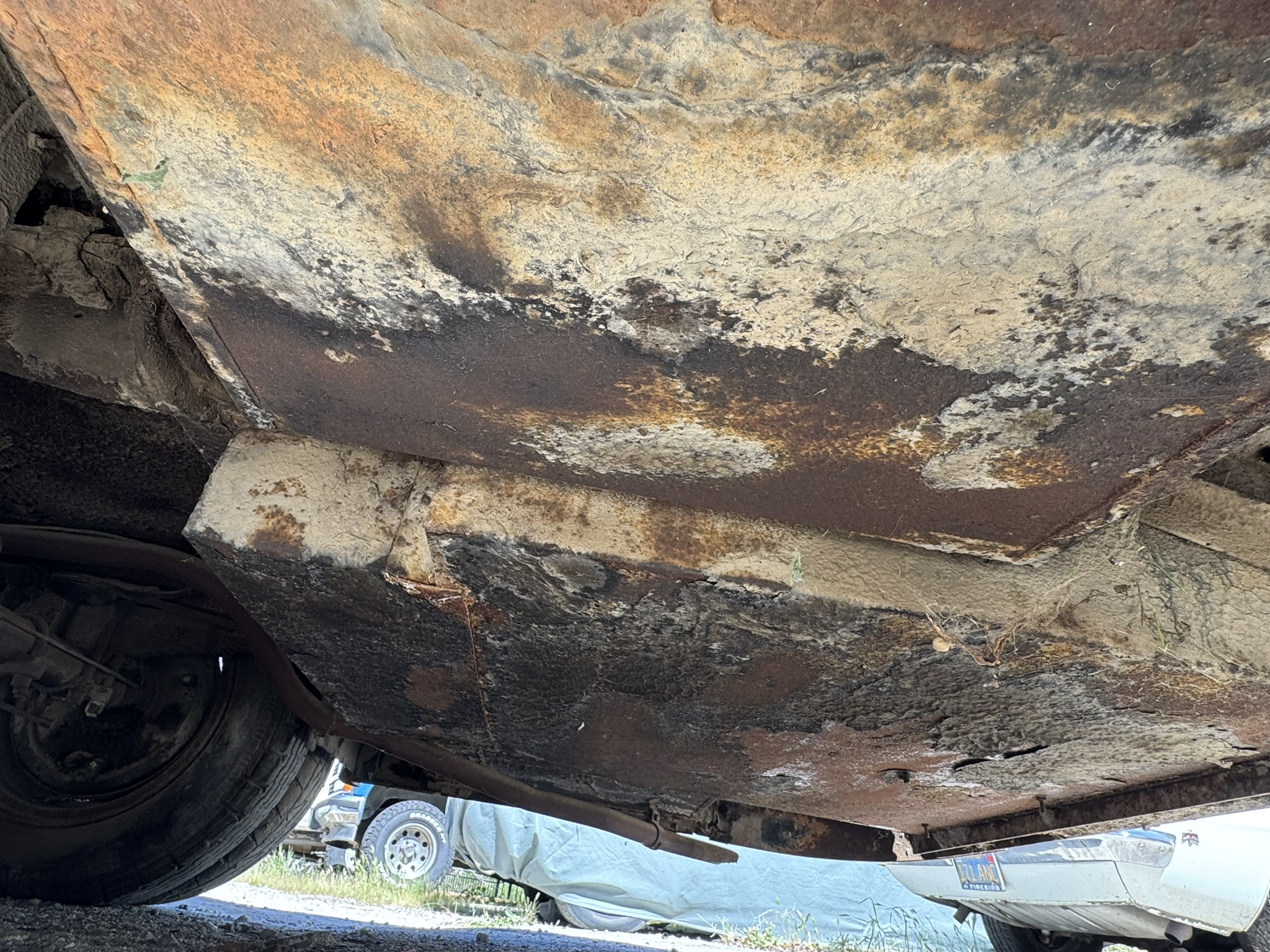
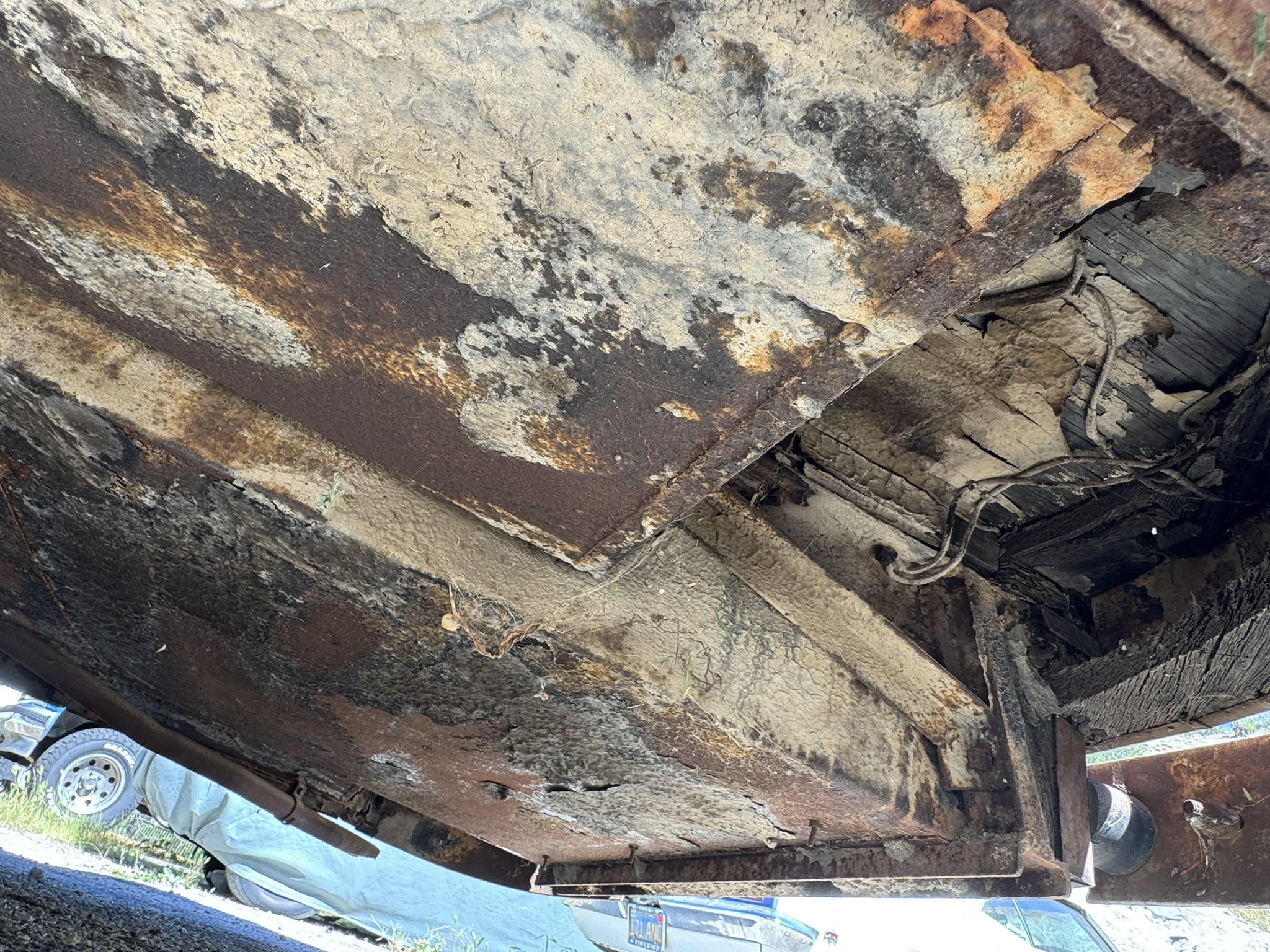
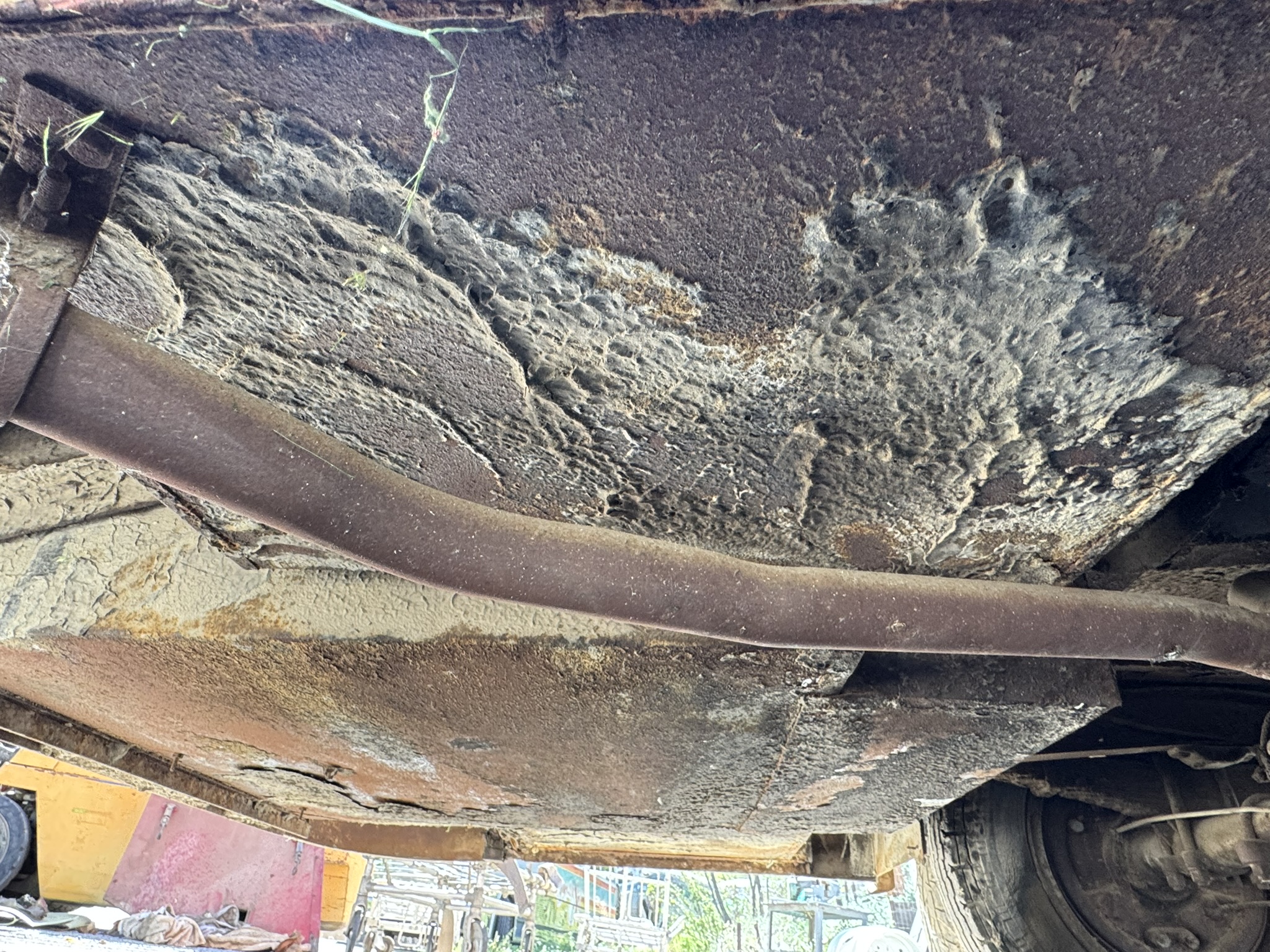
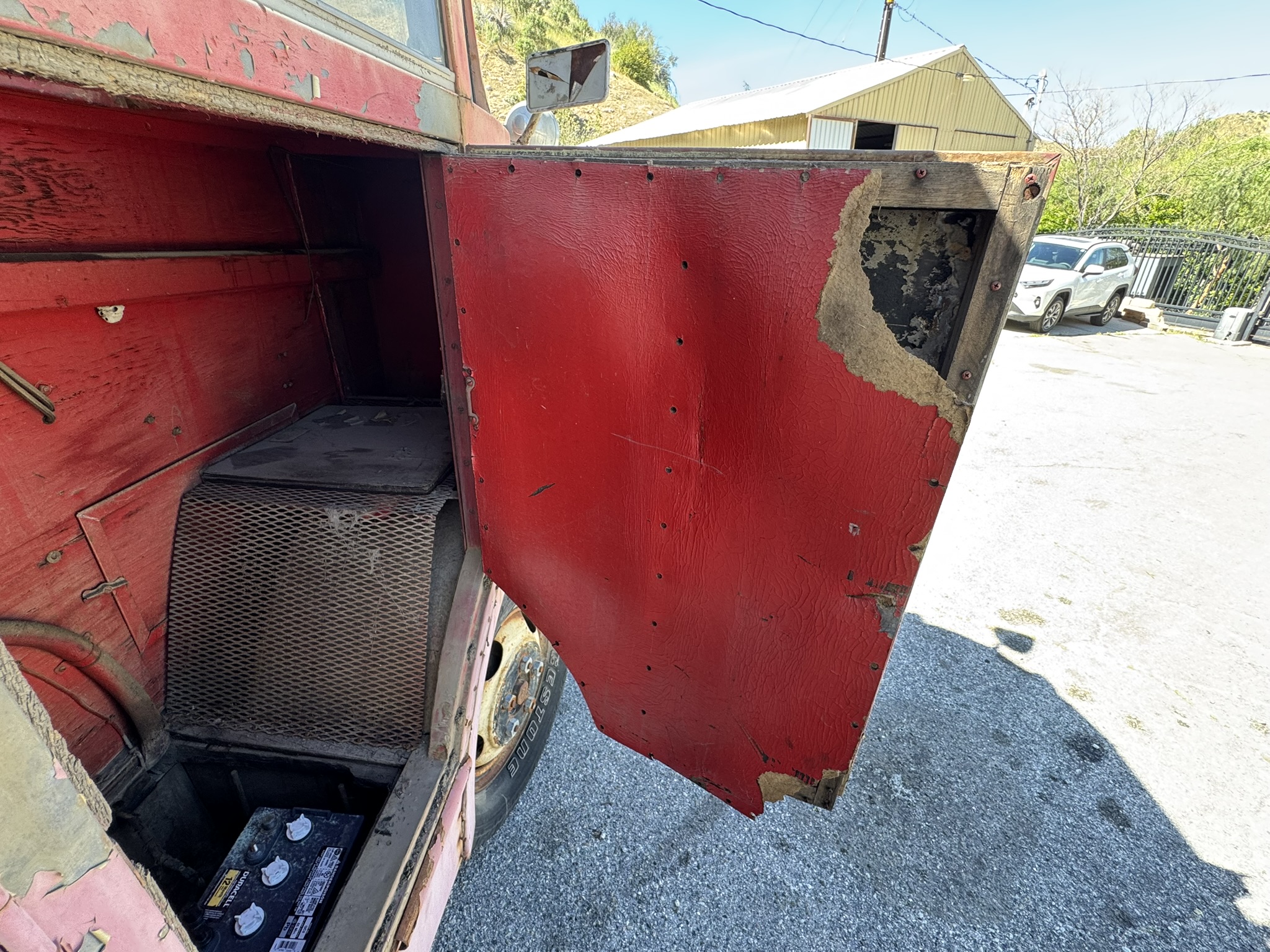
Body & Exterior: The body panels have survived very well with minimal rust. Six porthole windows and vents with interior latches, designed to seal the bay against airborne contaminants or provide ventilation. The illuminated HOSPITAL sign is intact. Four moveable spotlights at all corners are in good condition. The original Kalamazoo Coaches Catastrophe Unit badges are in place. There are two exhaust fans mounted to the roof with the original inside grates. The Motorola radio antenna is wired and mounted on the passenger side roof. Fold down foothold steps are located on the passenger side to access the roof. The radiator fill is located on the front nose.
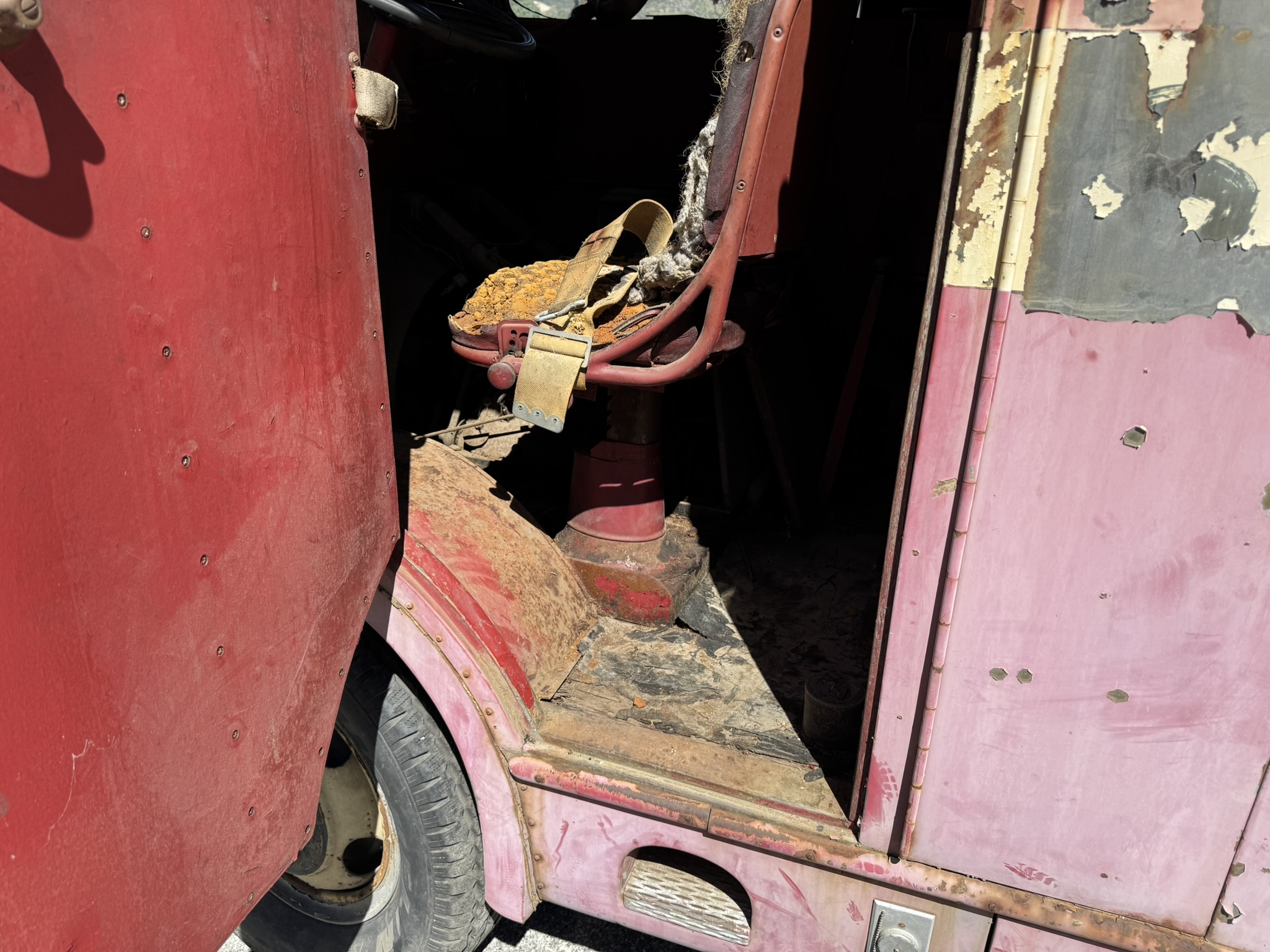
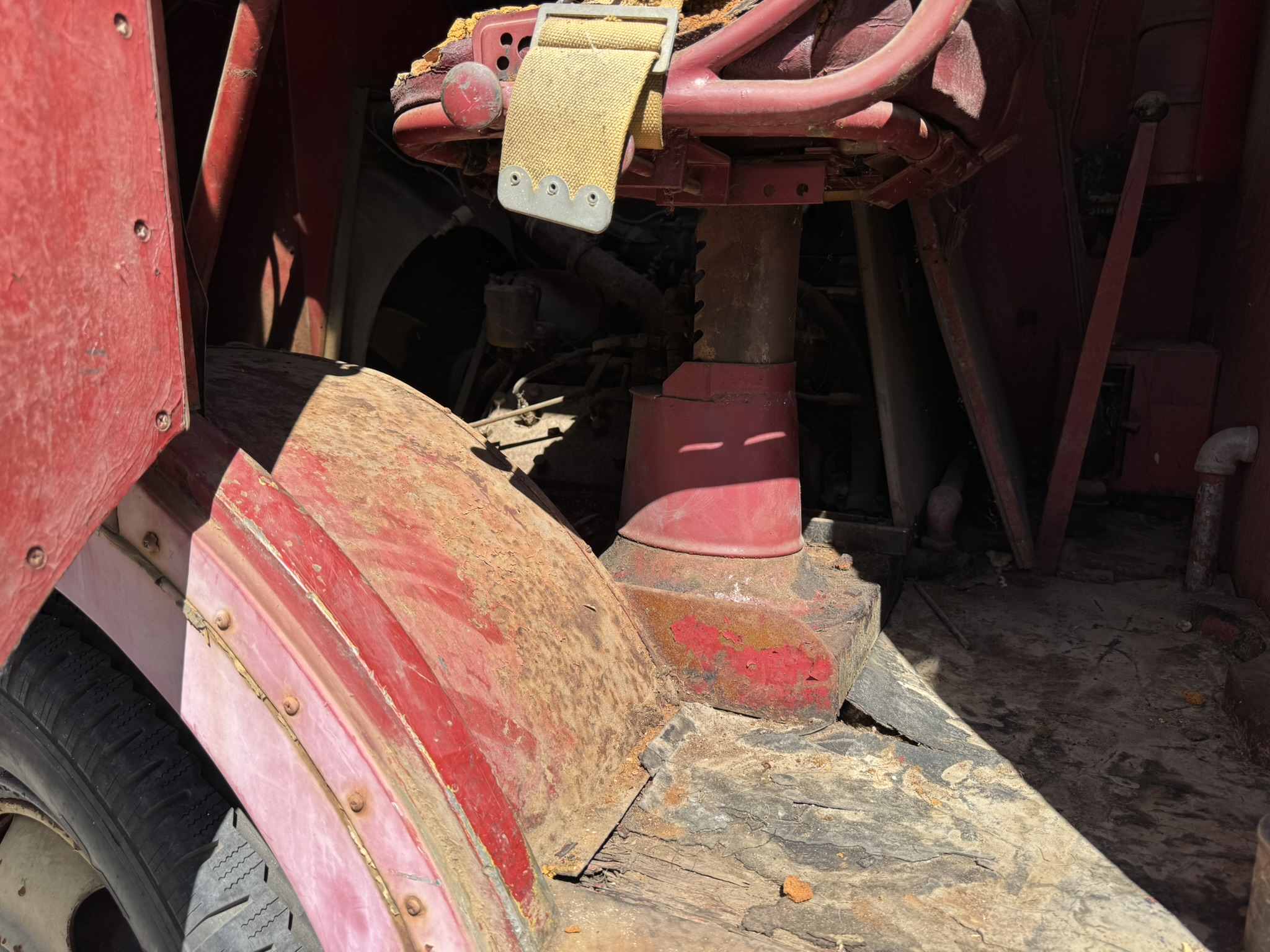
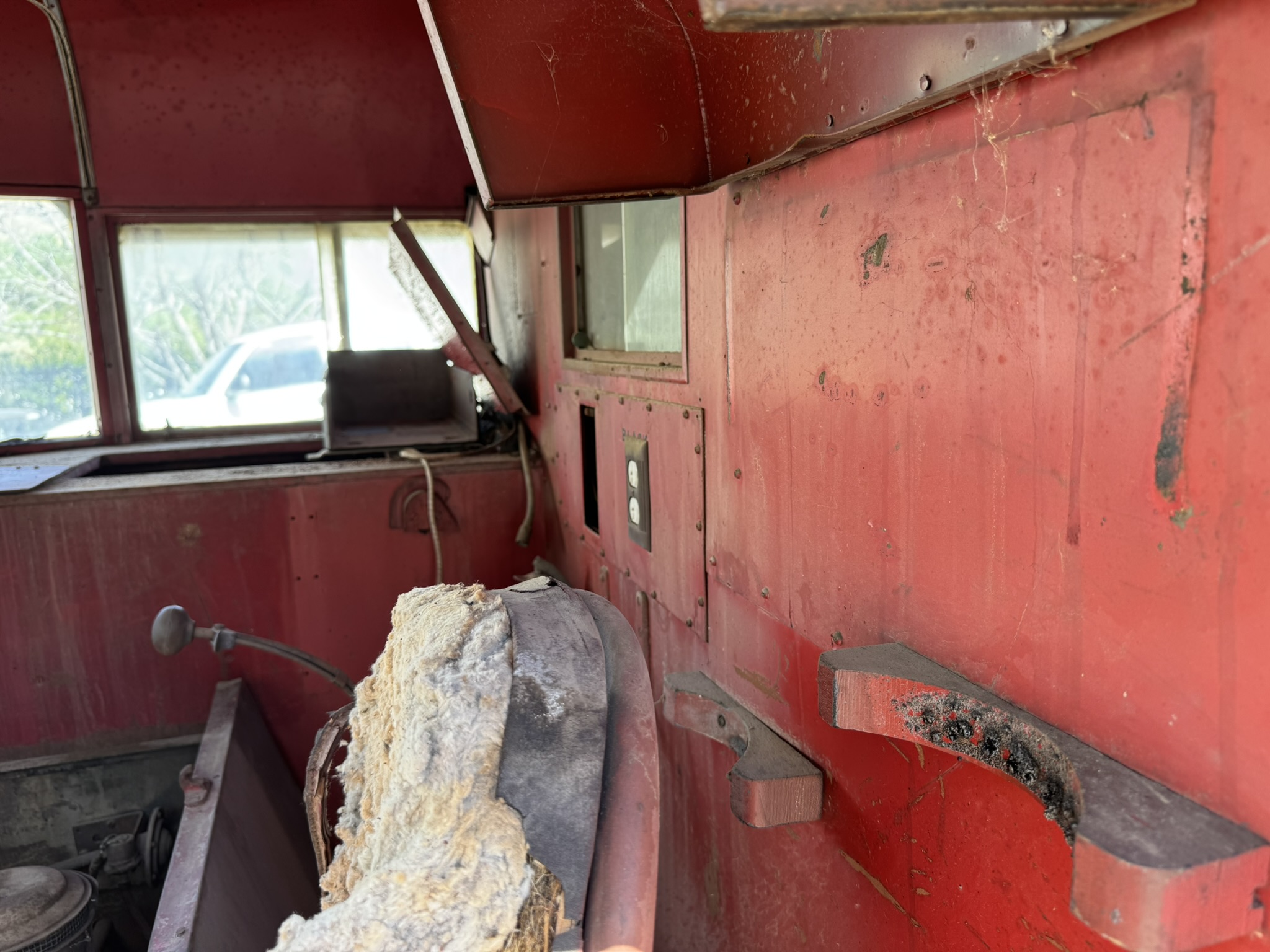
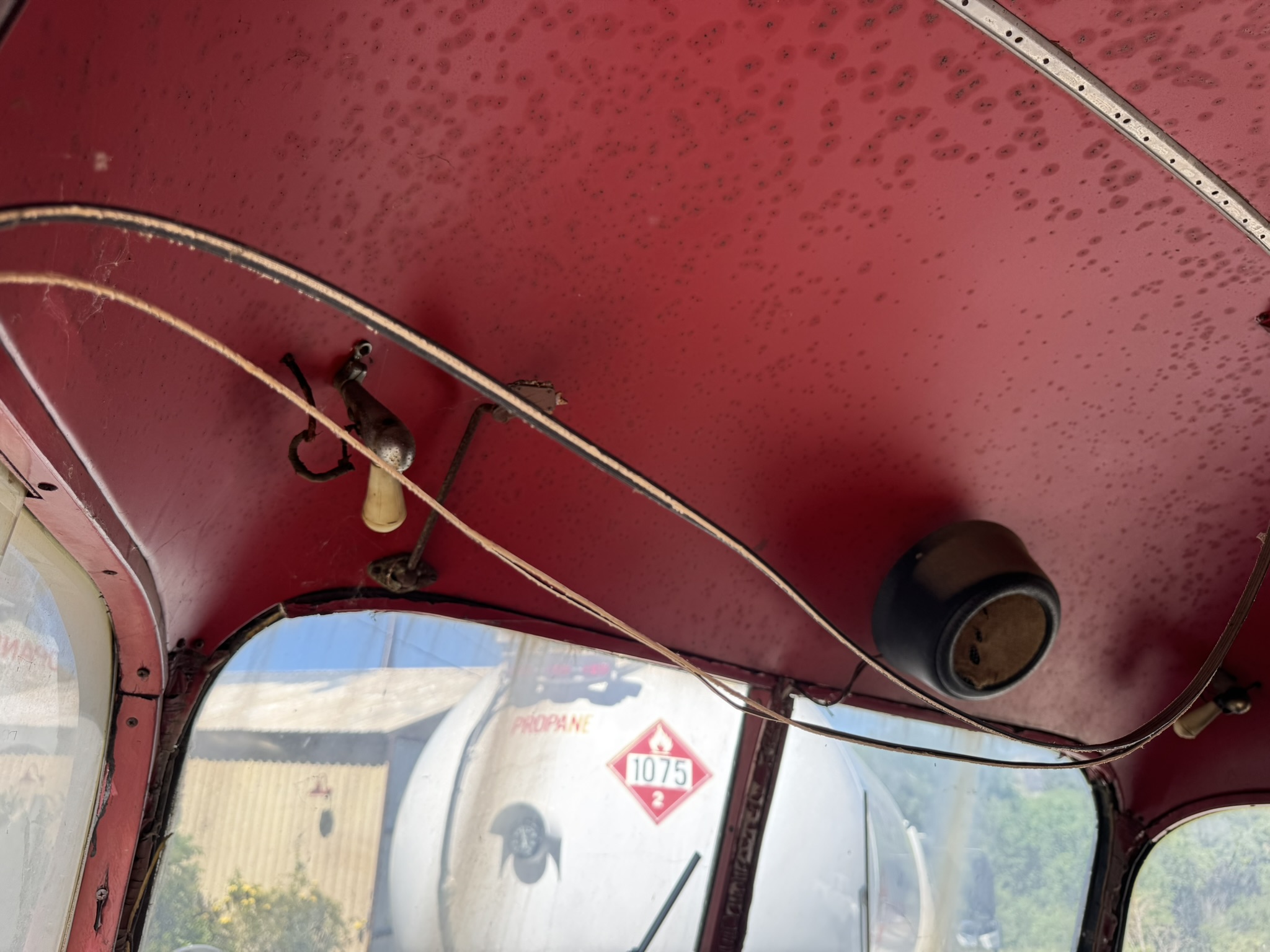
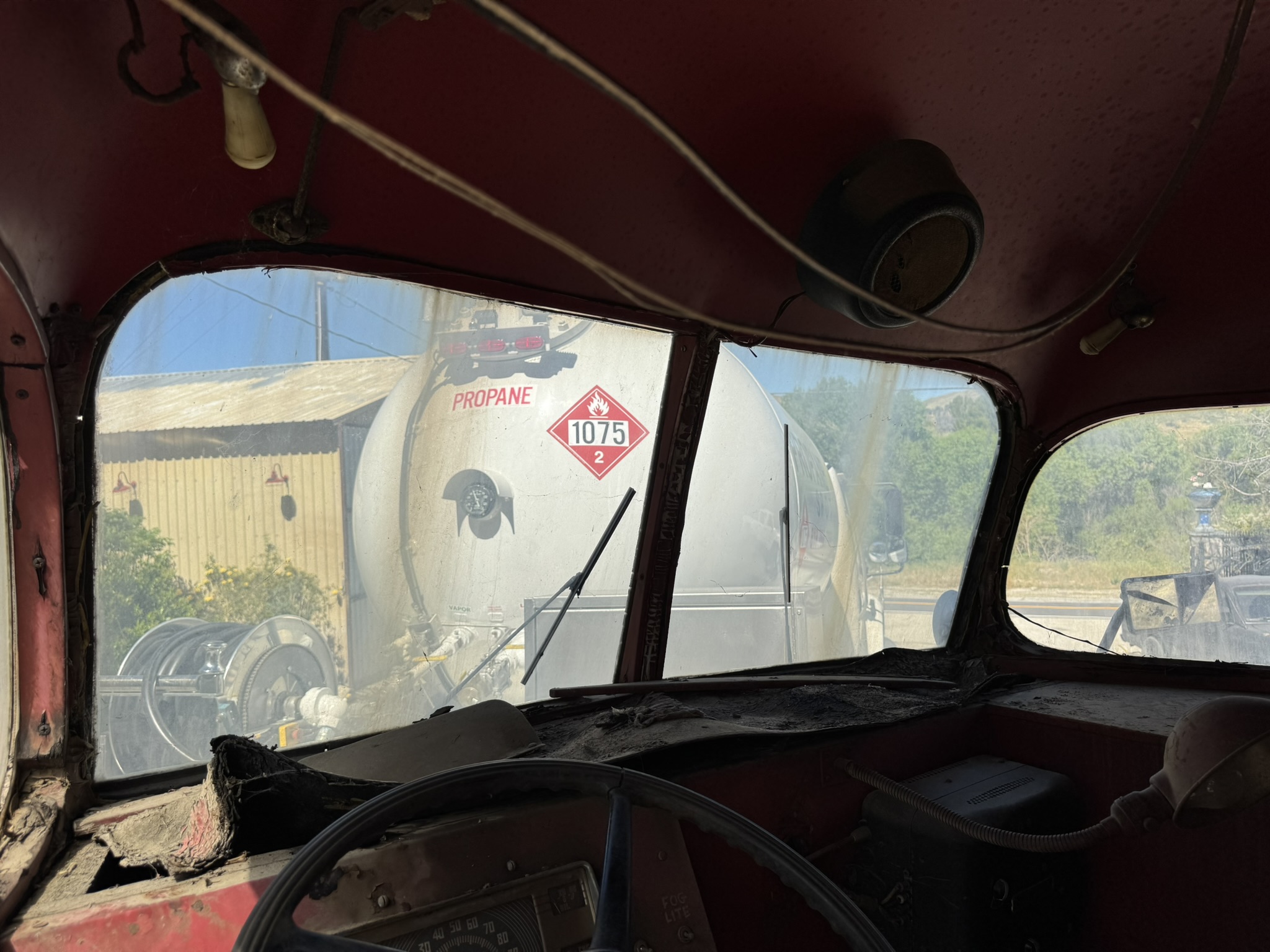
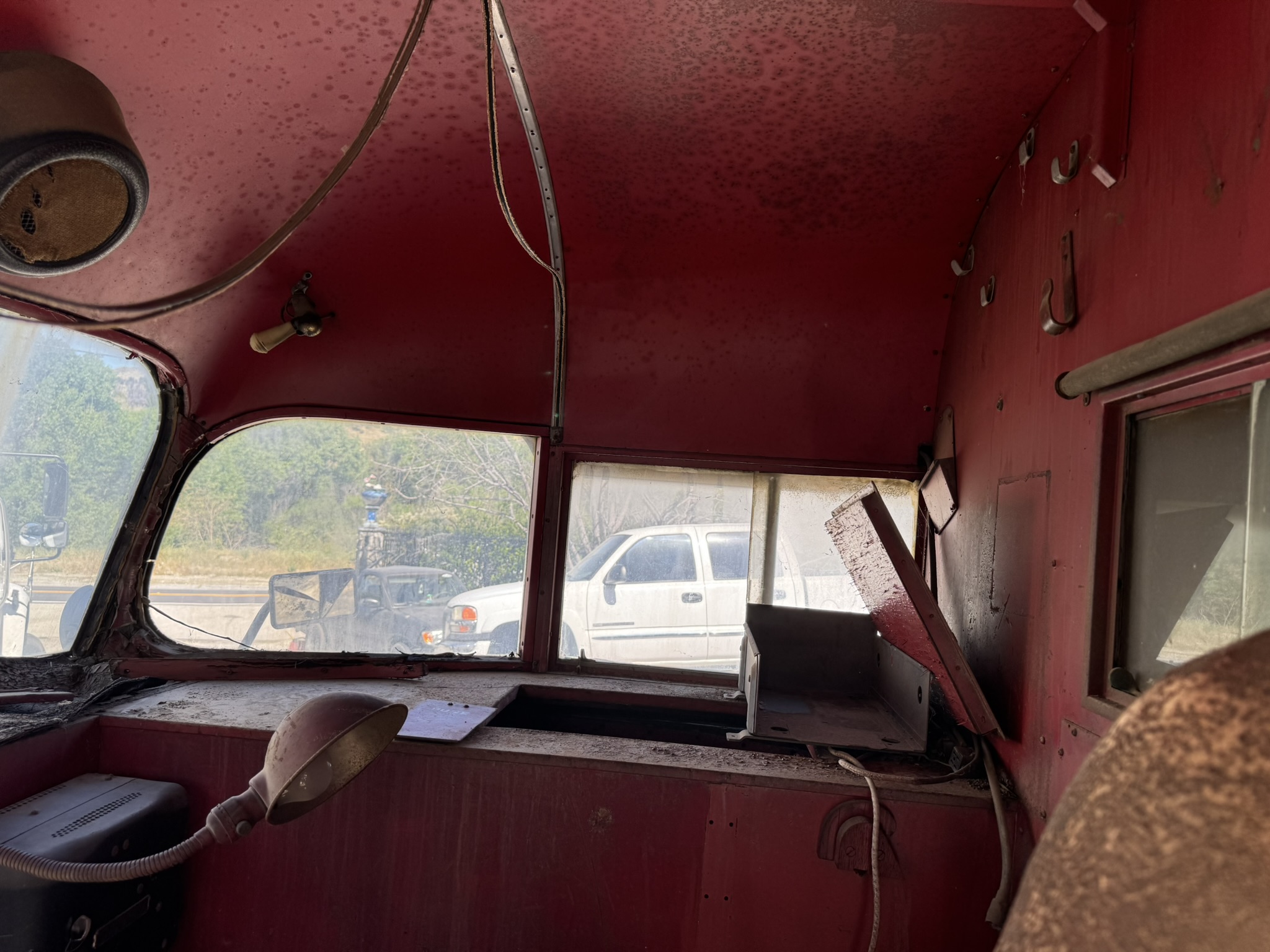
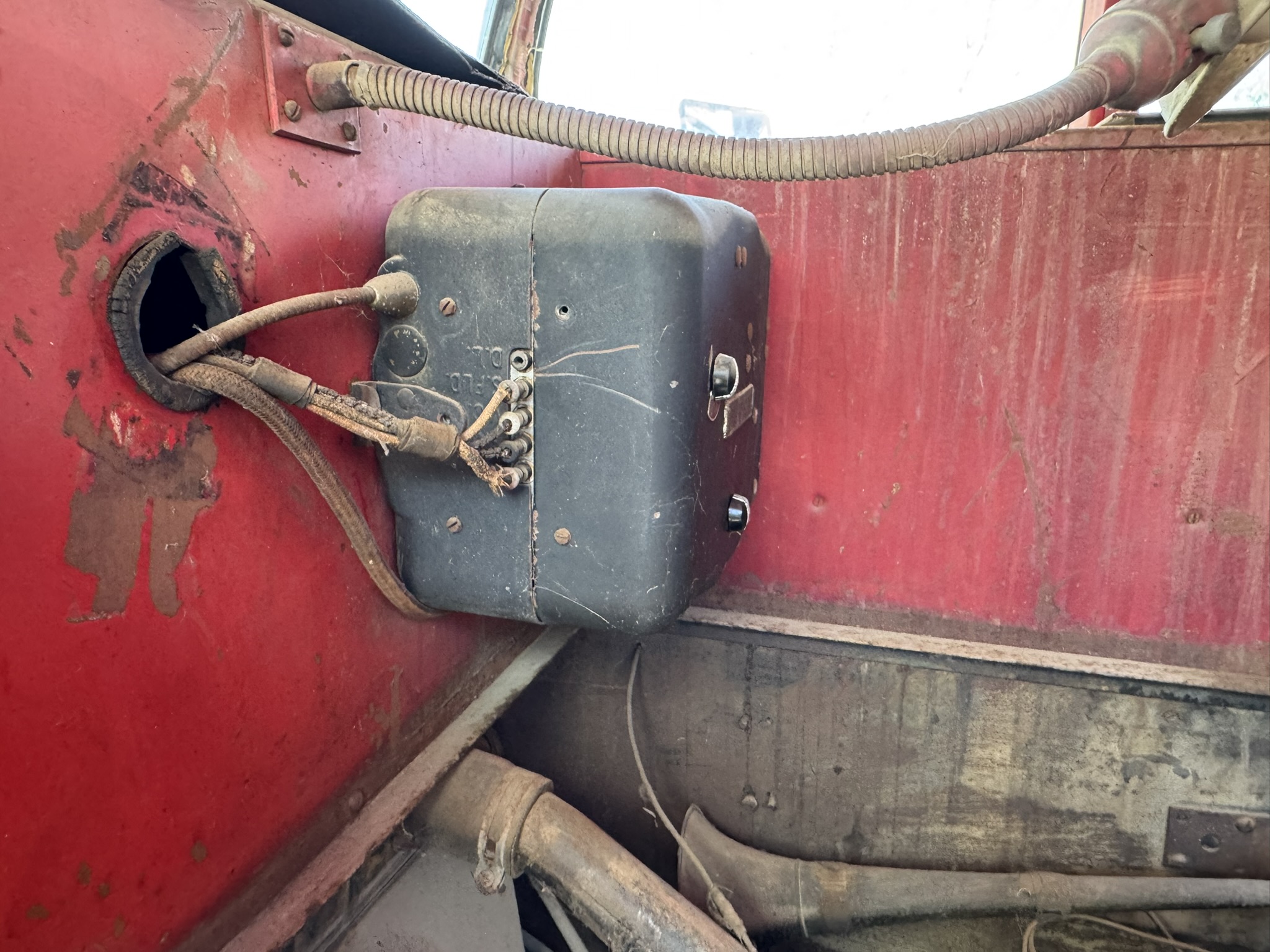
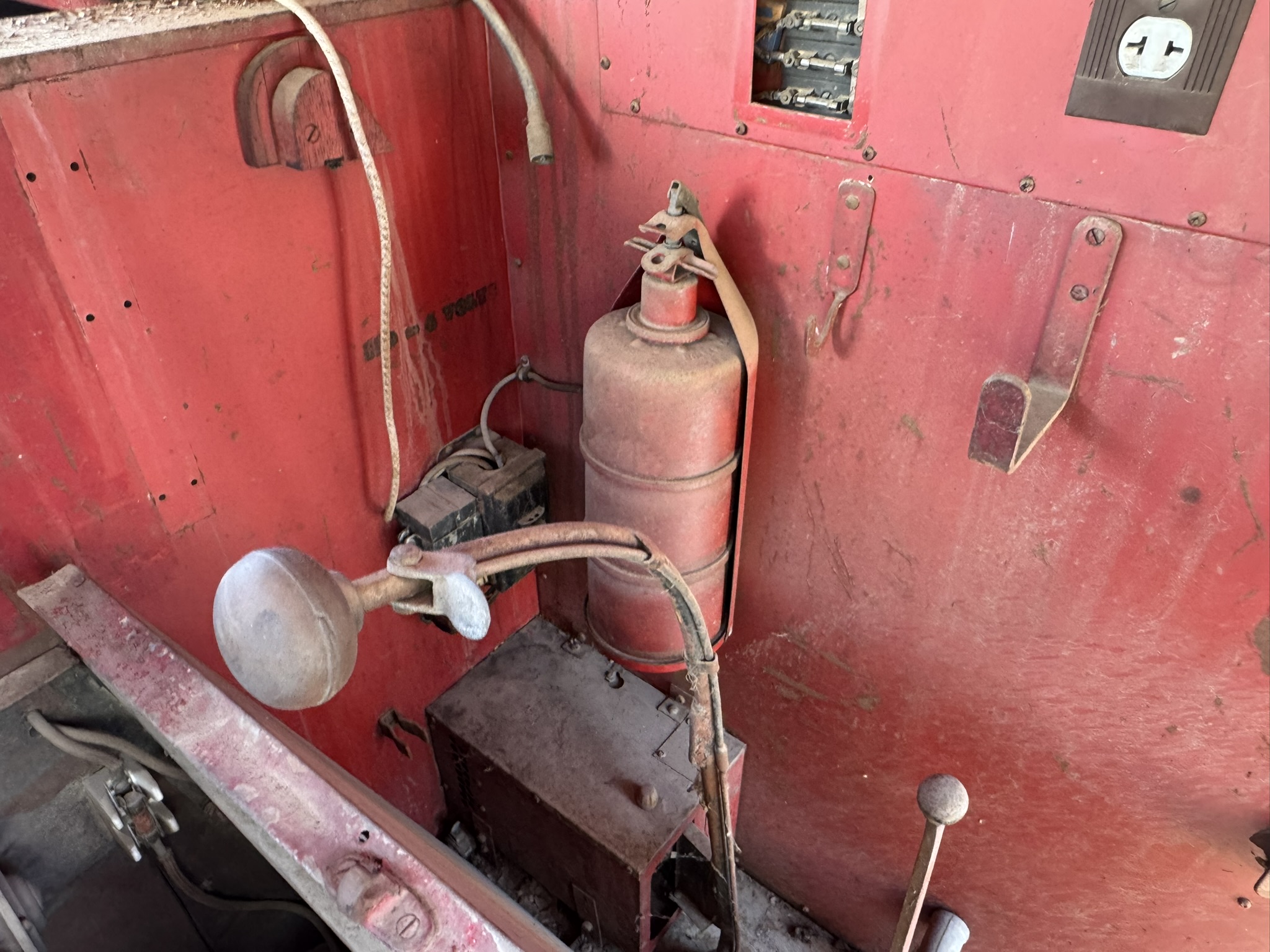
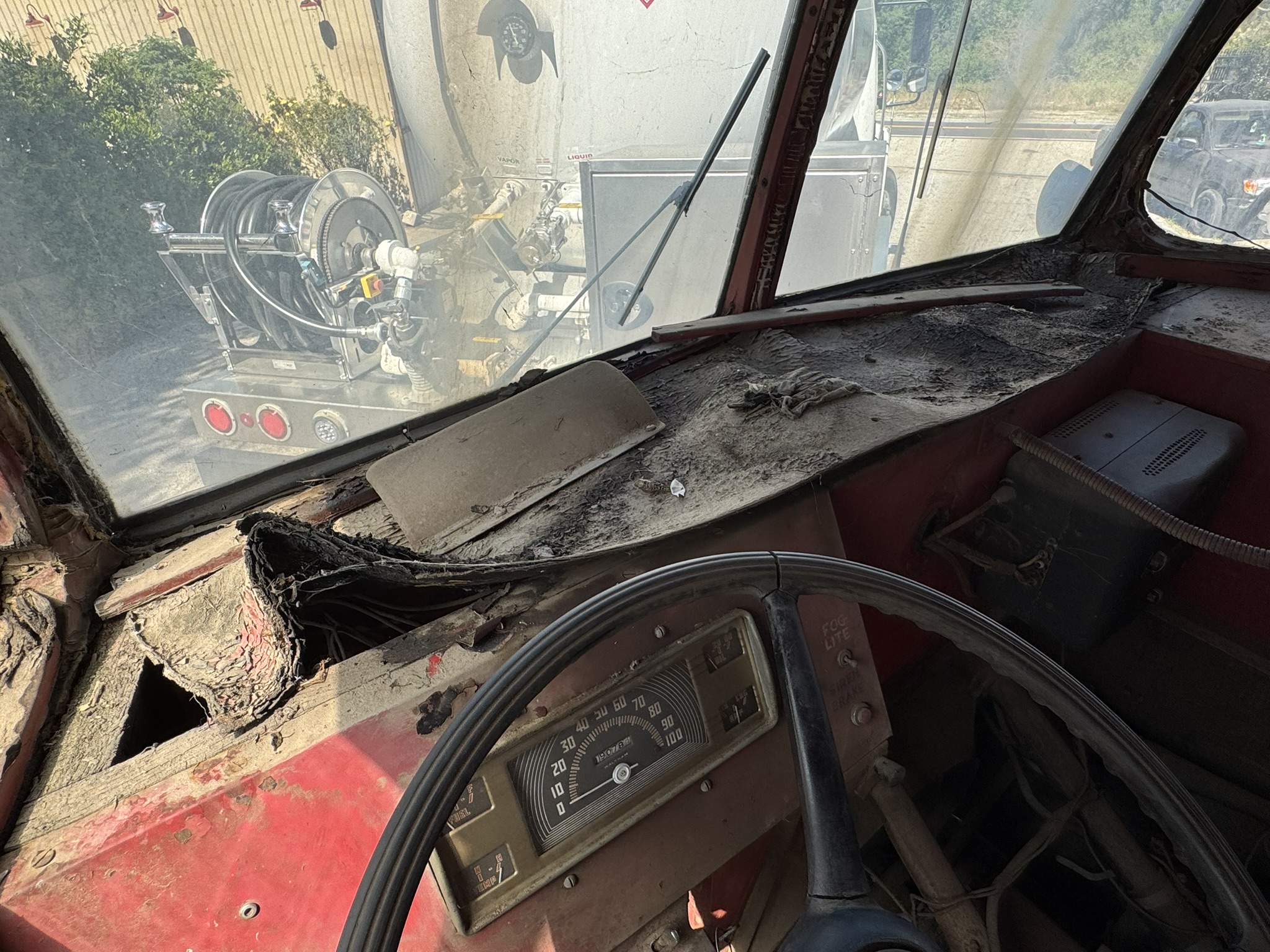
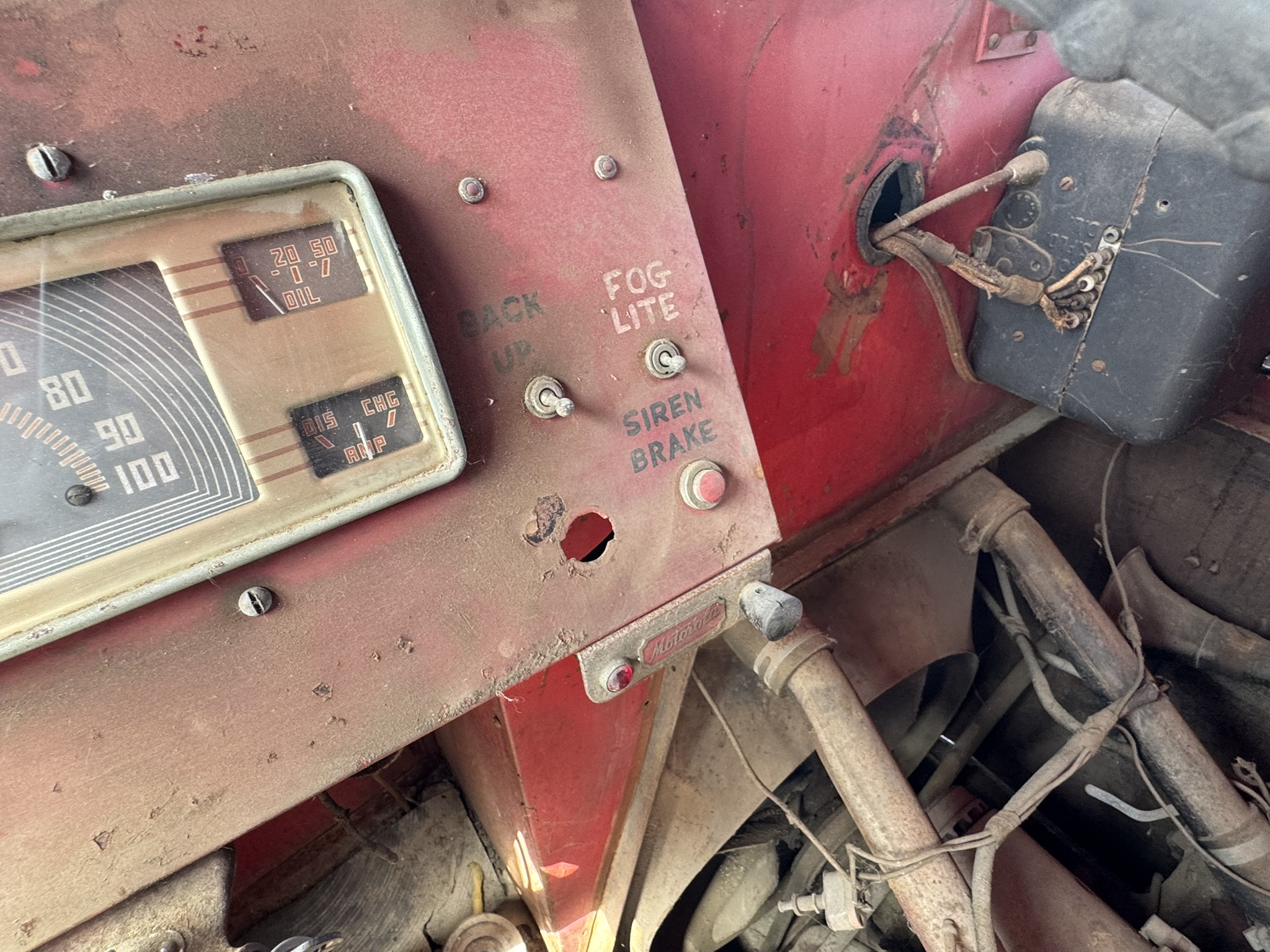
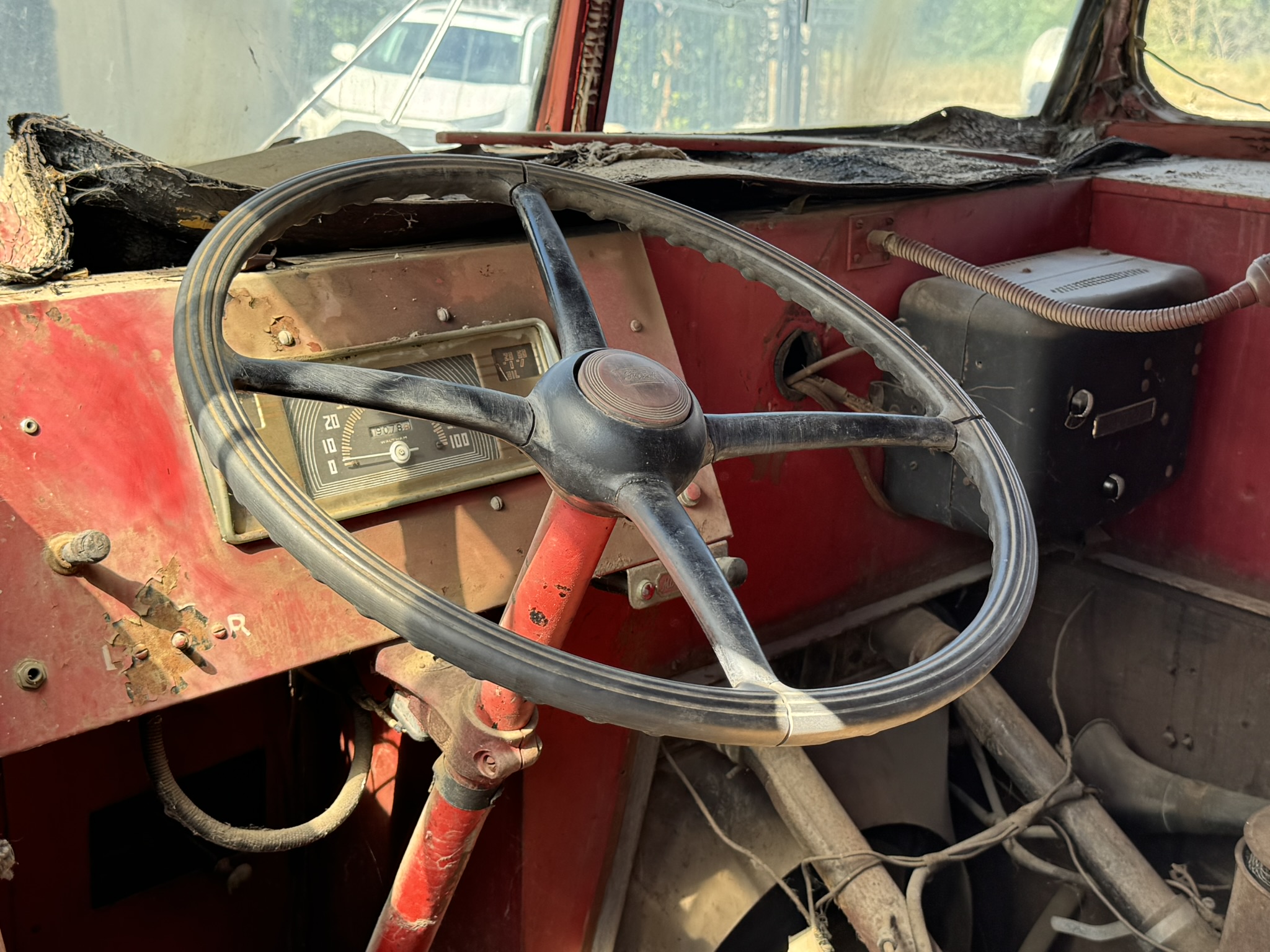
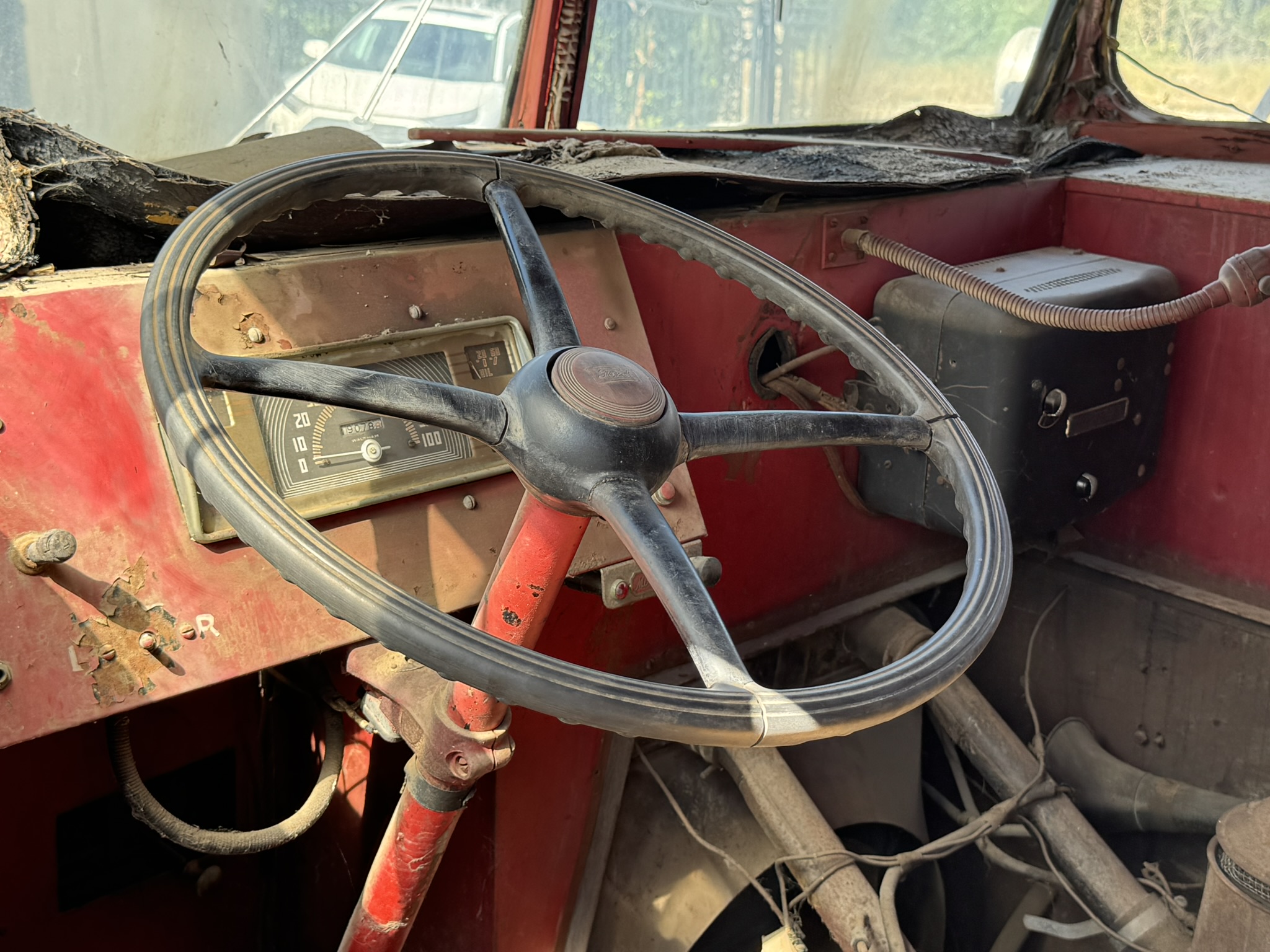
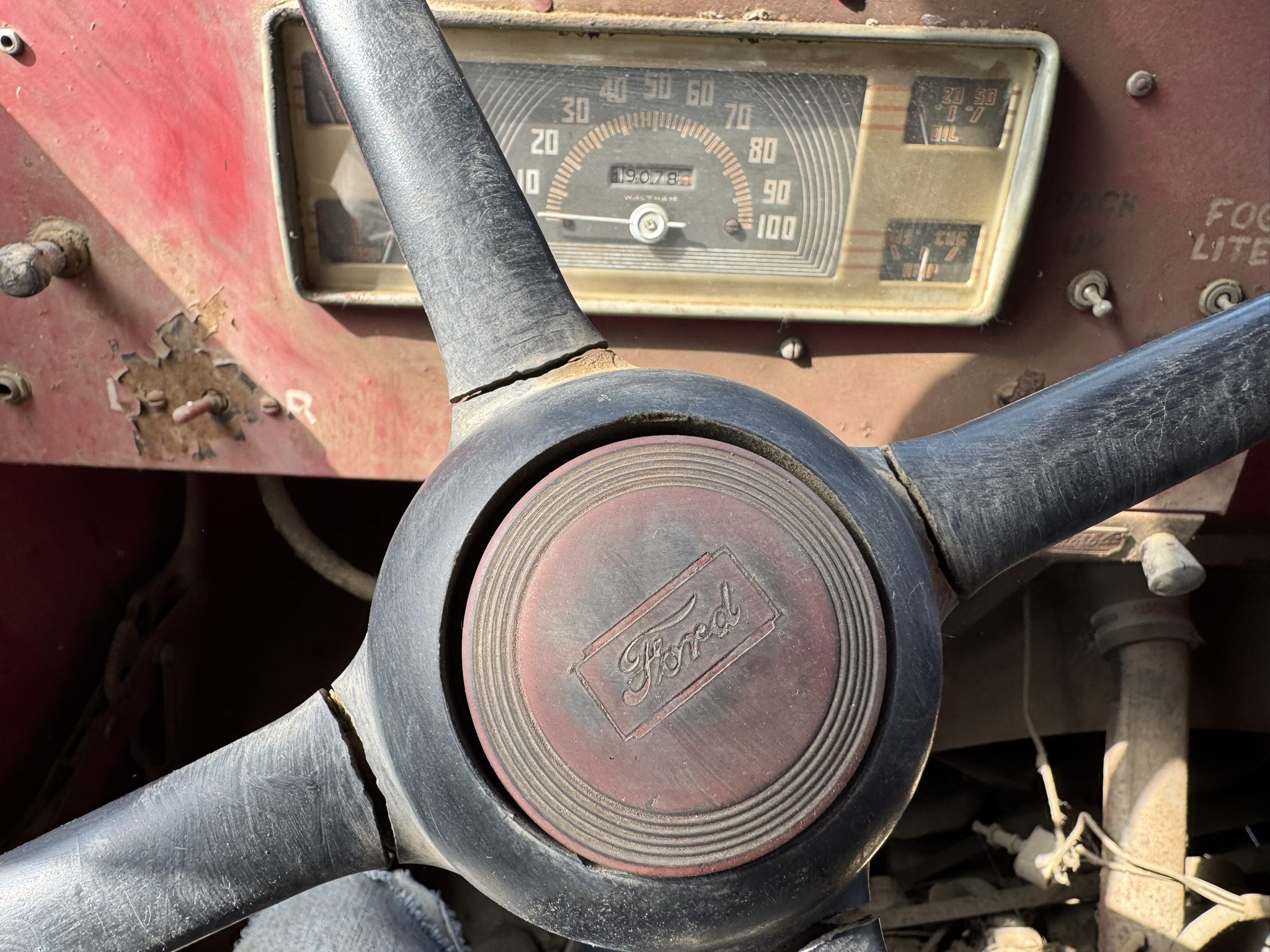
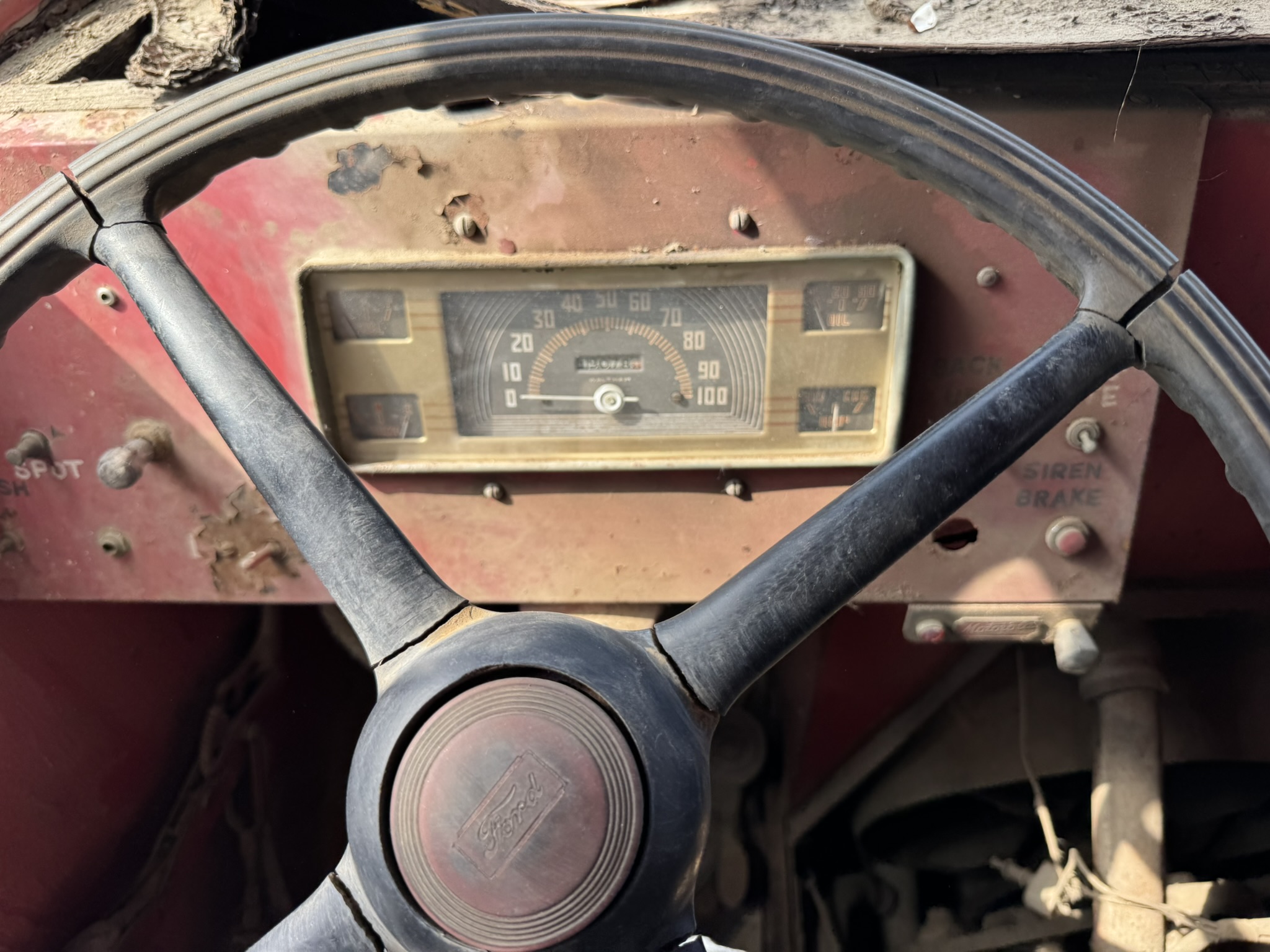
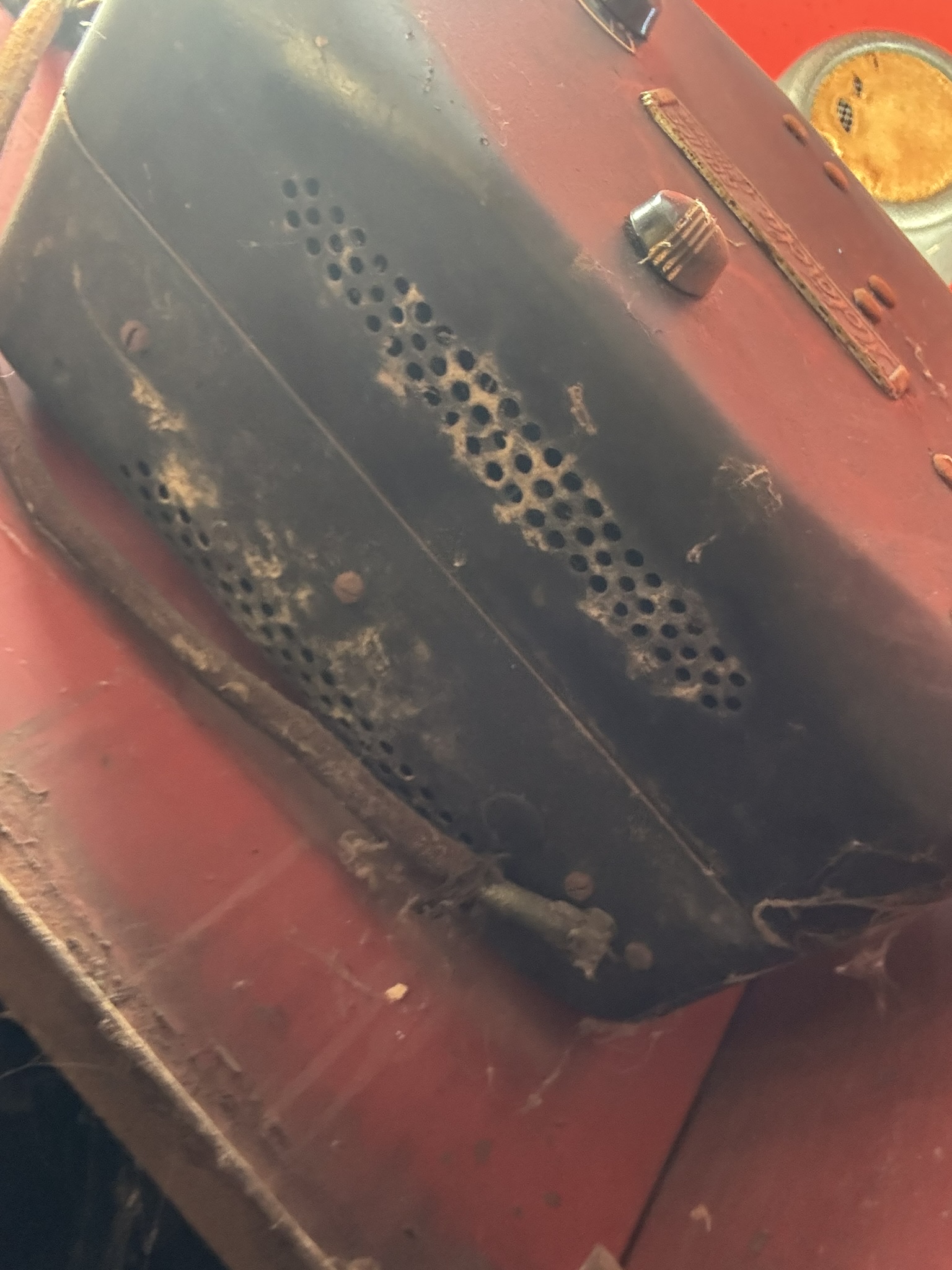
Interior: Single-driver cab with the original Ford instrument cluster and steering wheel. A map-reading light for the driver is still in place. The Motorola police radio and speaker, the same model used by law enforcement of the era, is present, legitimate, and period-correct. This was a civilian defense vehicle that coordinated with police and fire, and the radio reflects that. The engine covers are included and in good condition. A siren horn is mounted in the engine bay.
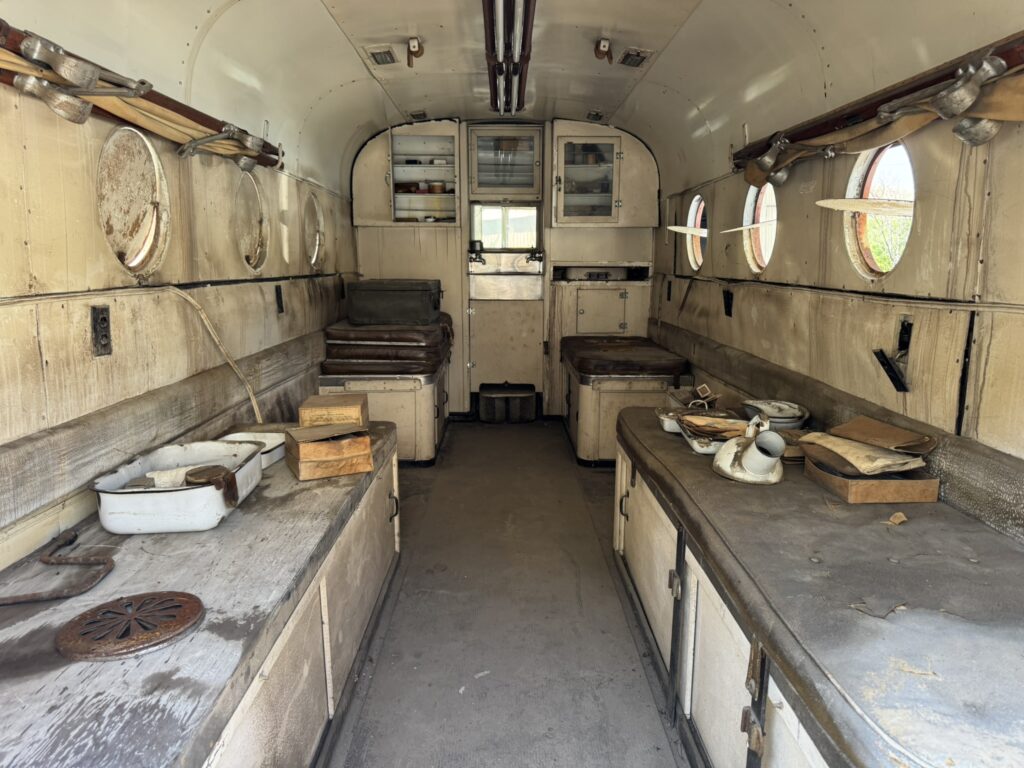
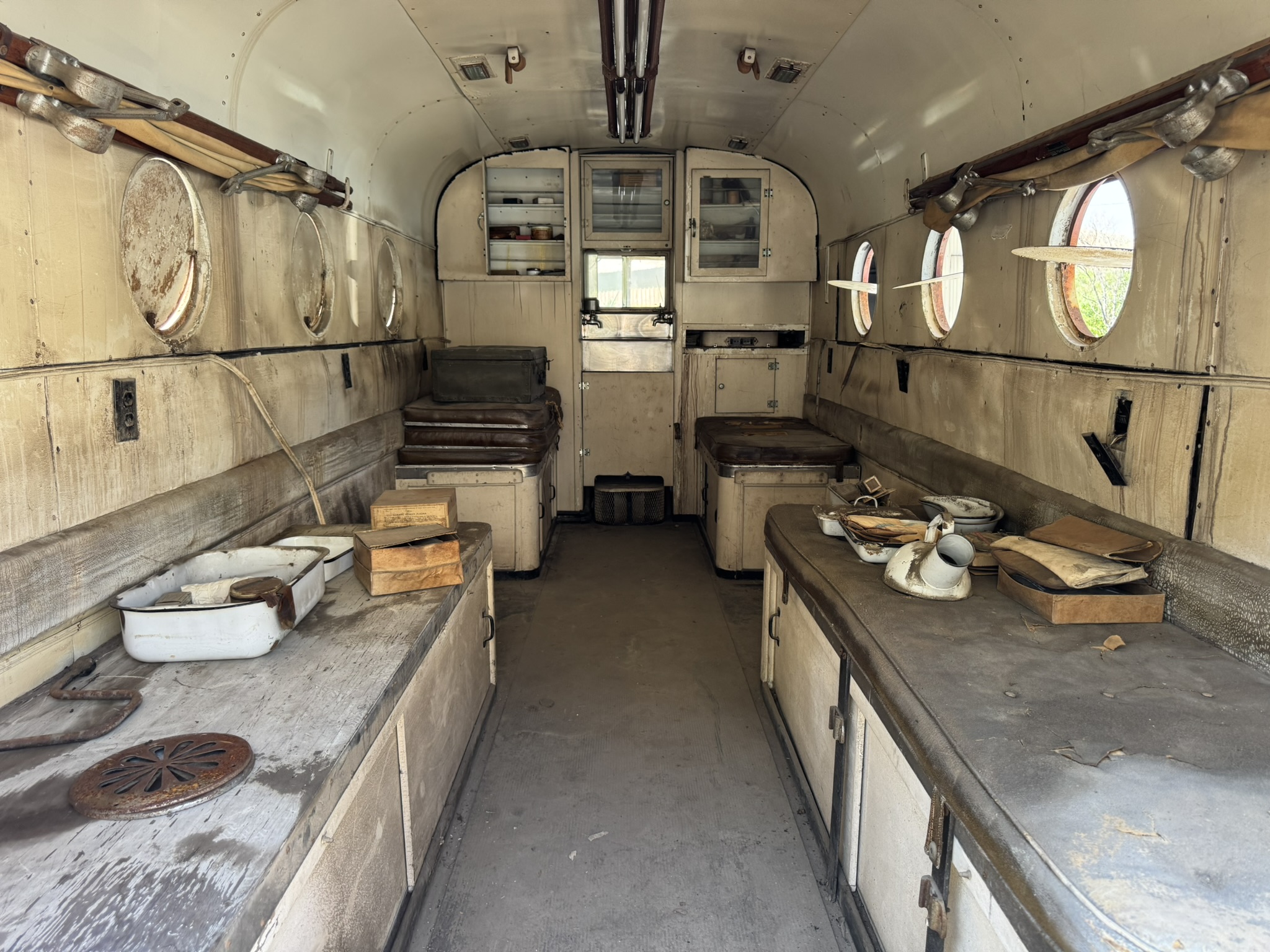
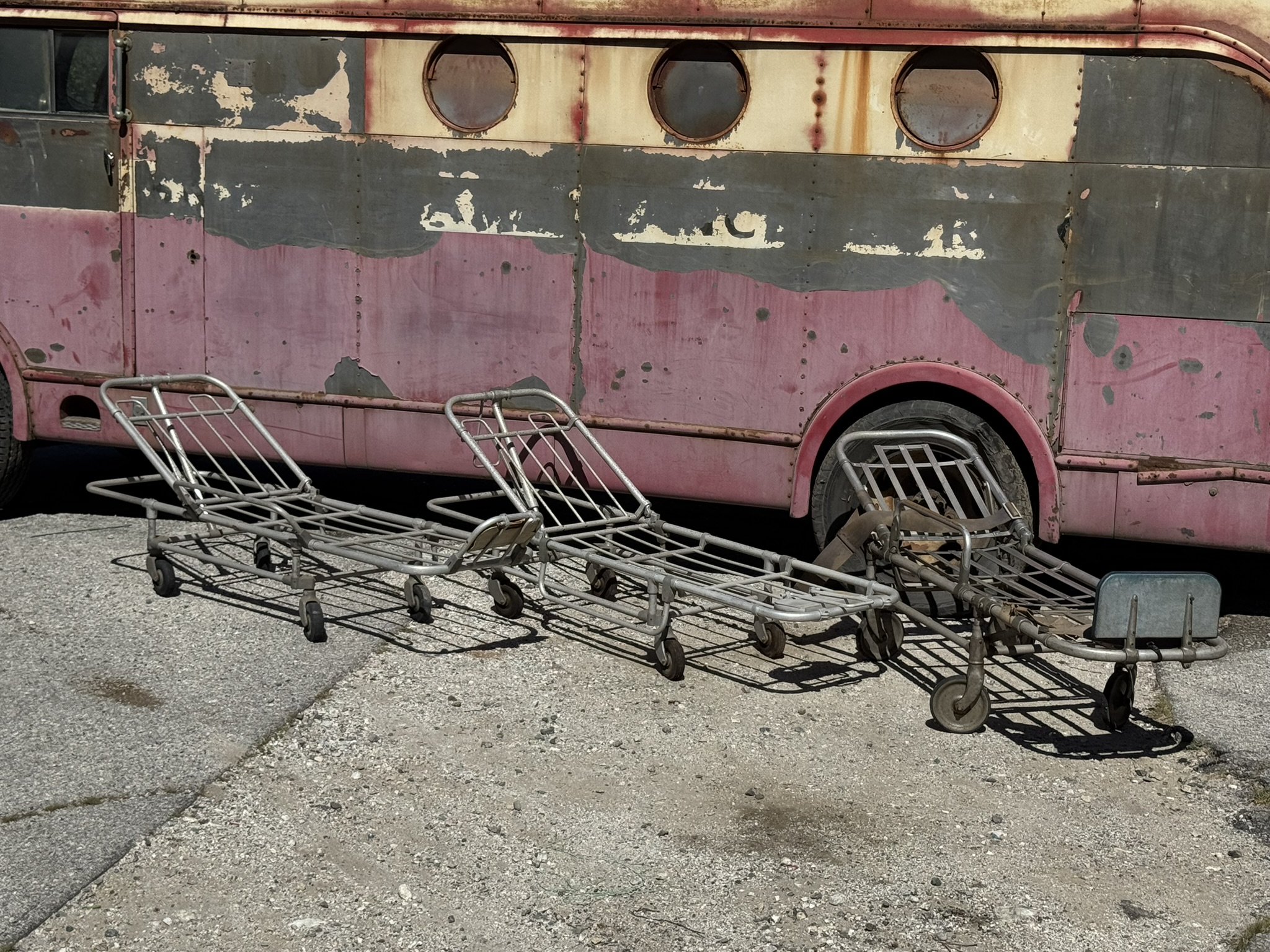
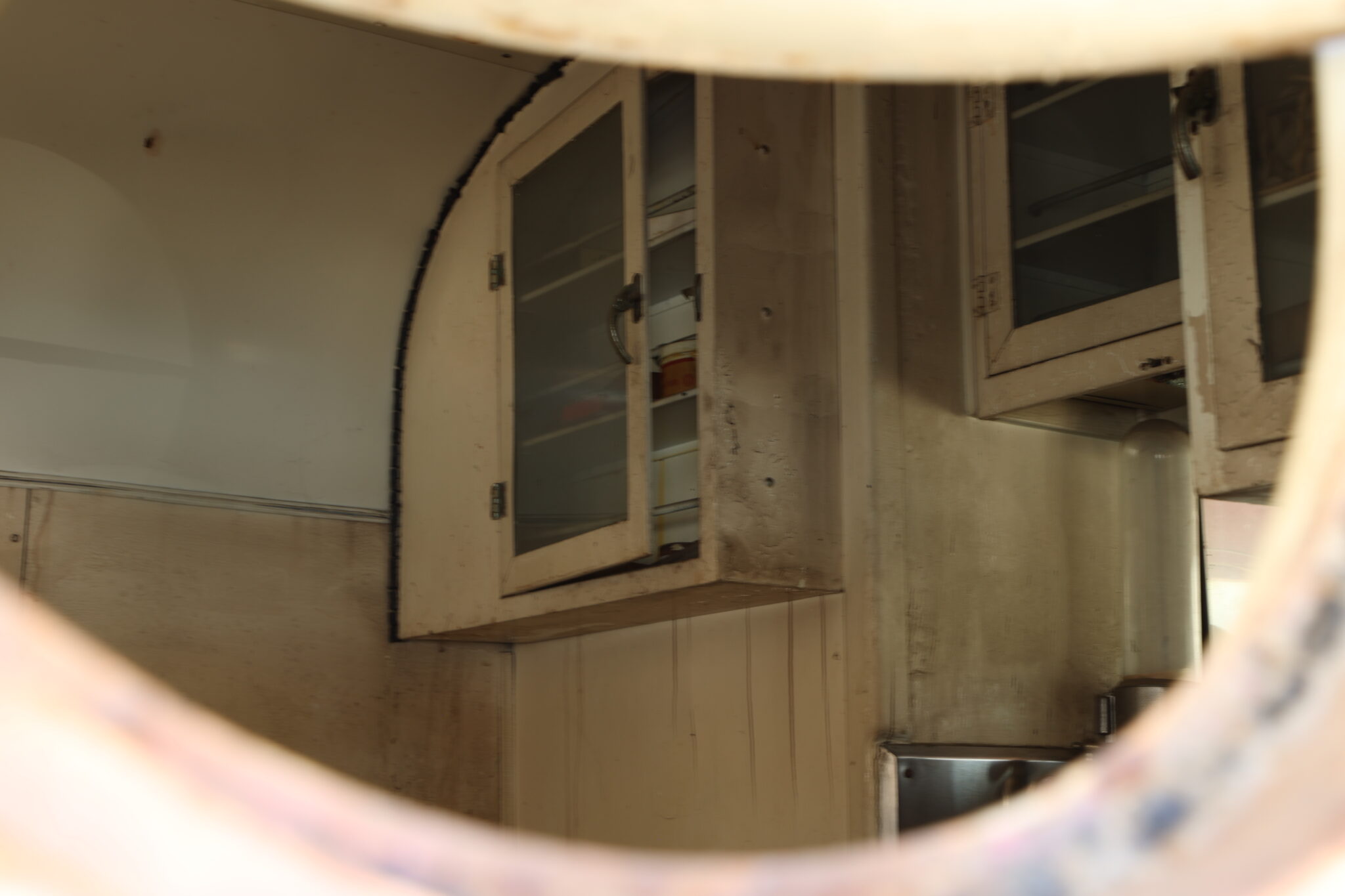
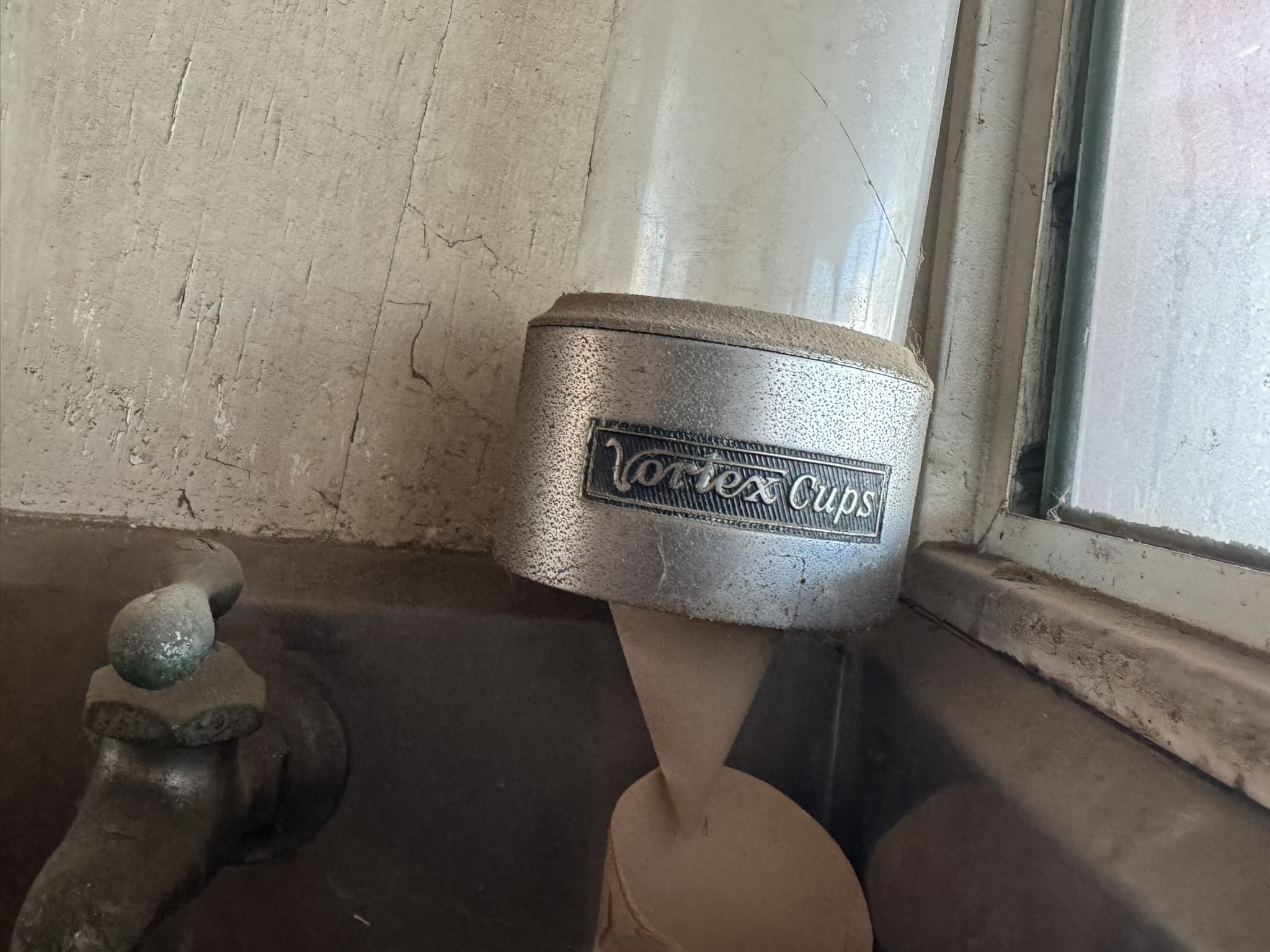
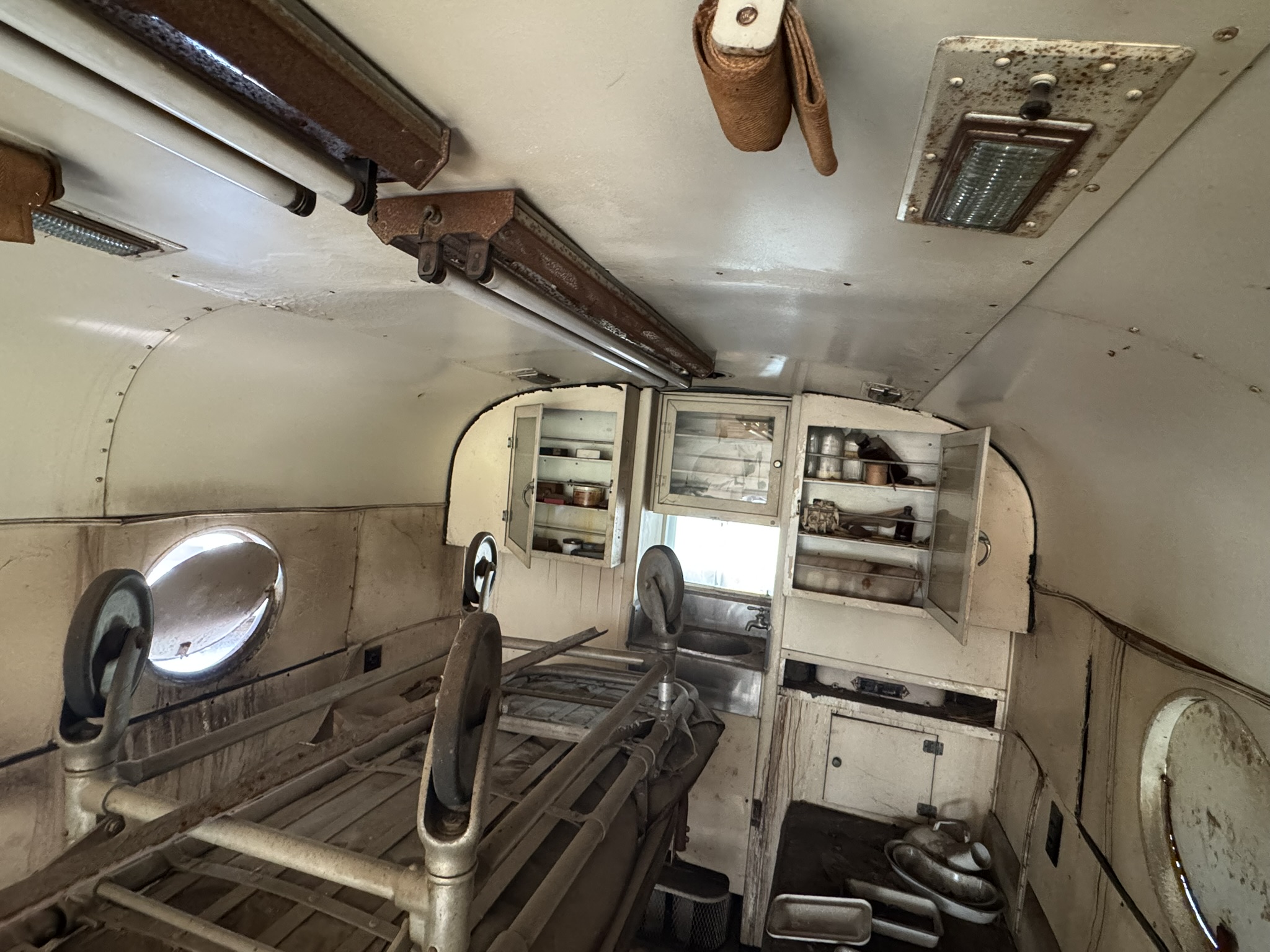
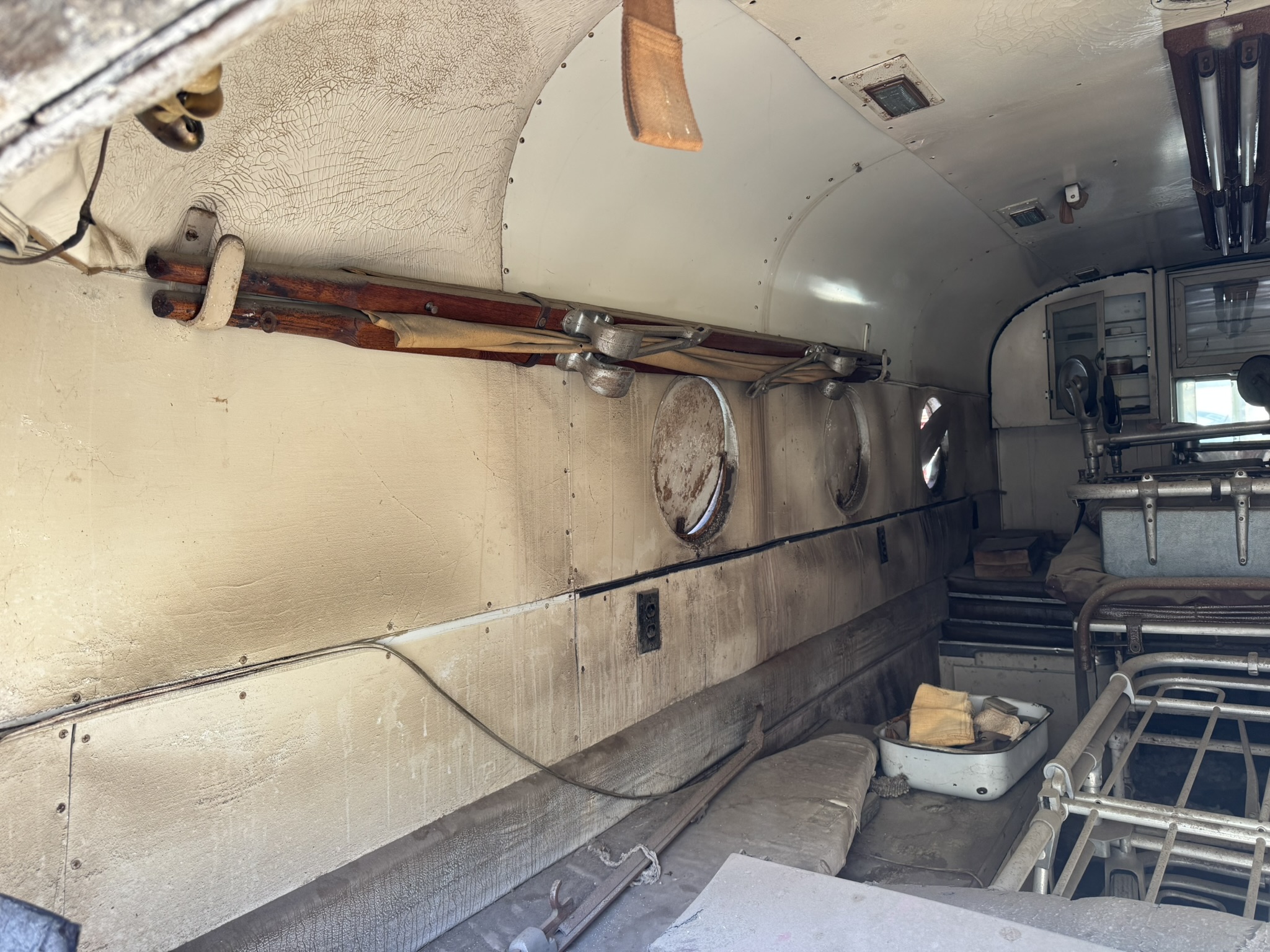
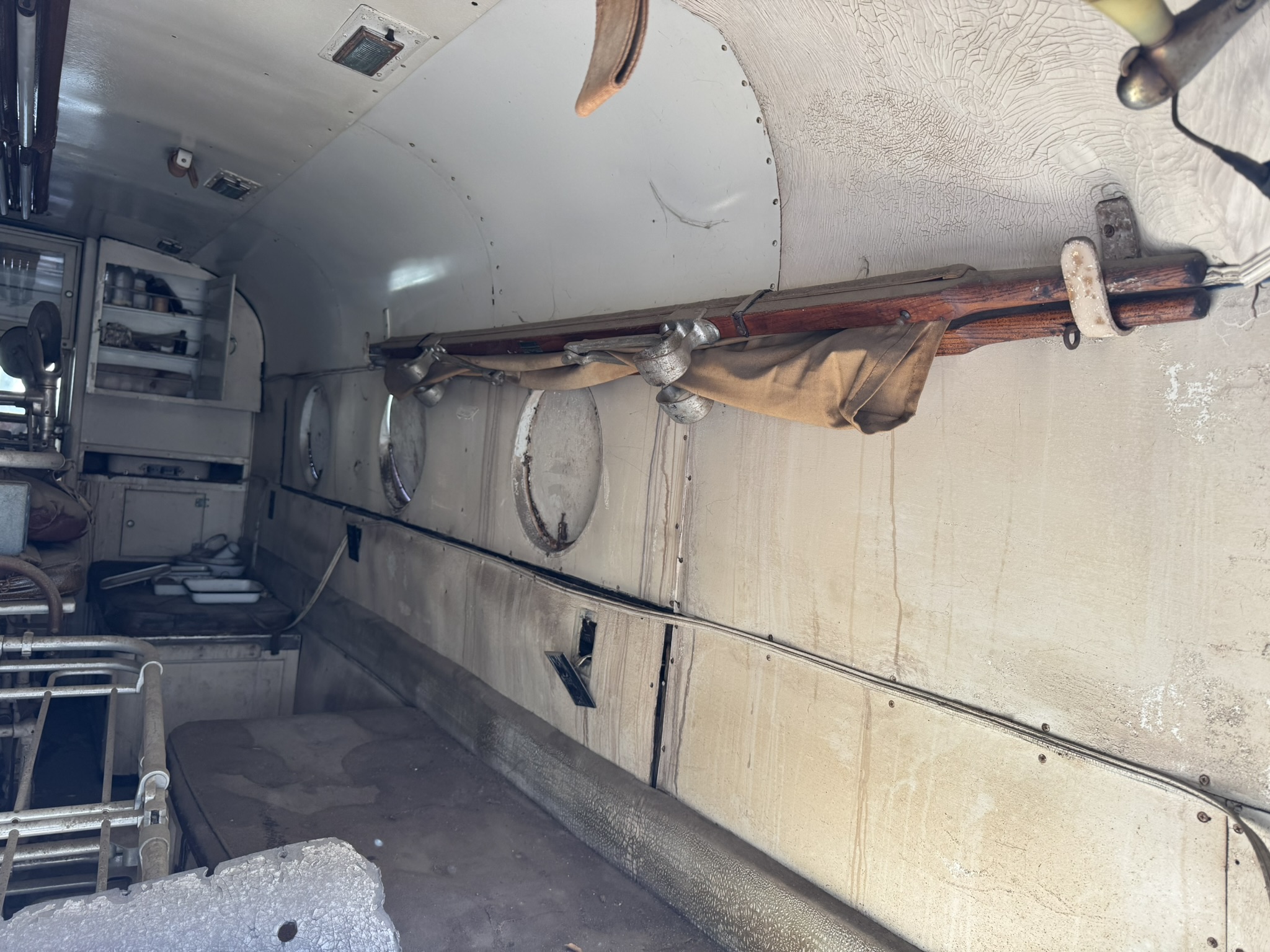
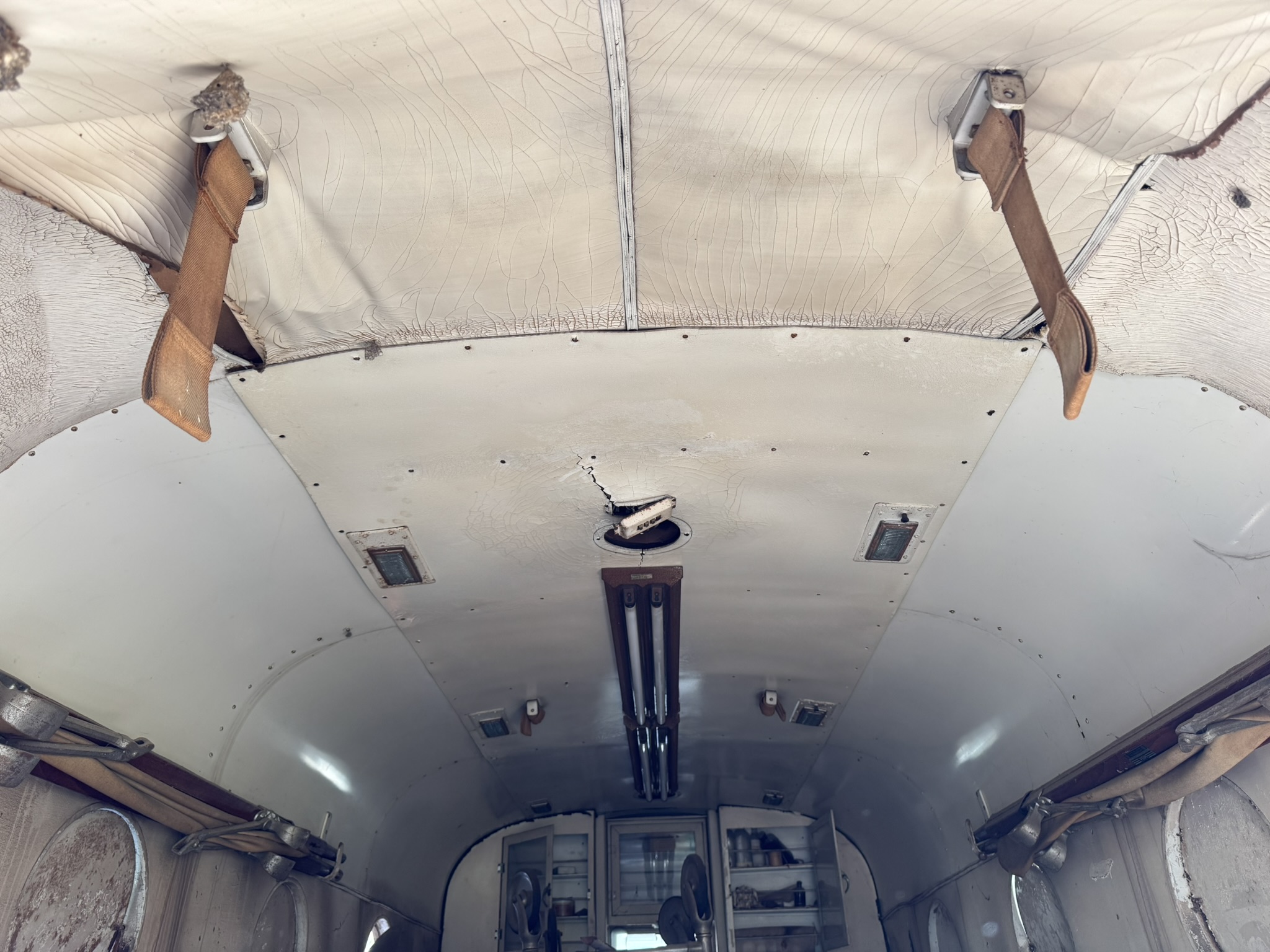
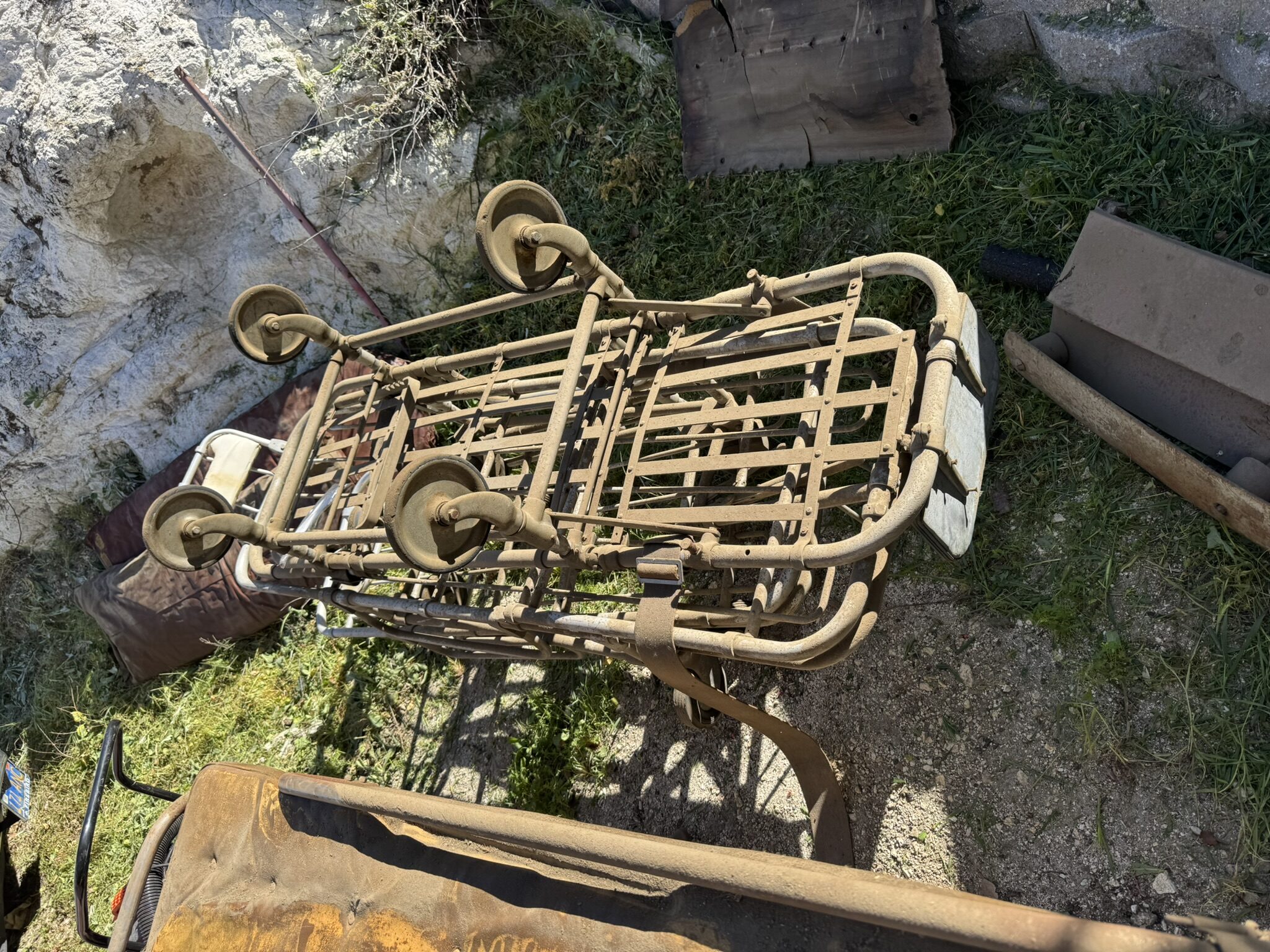
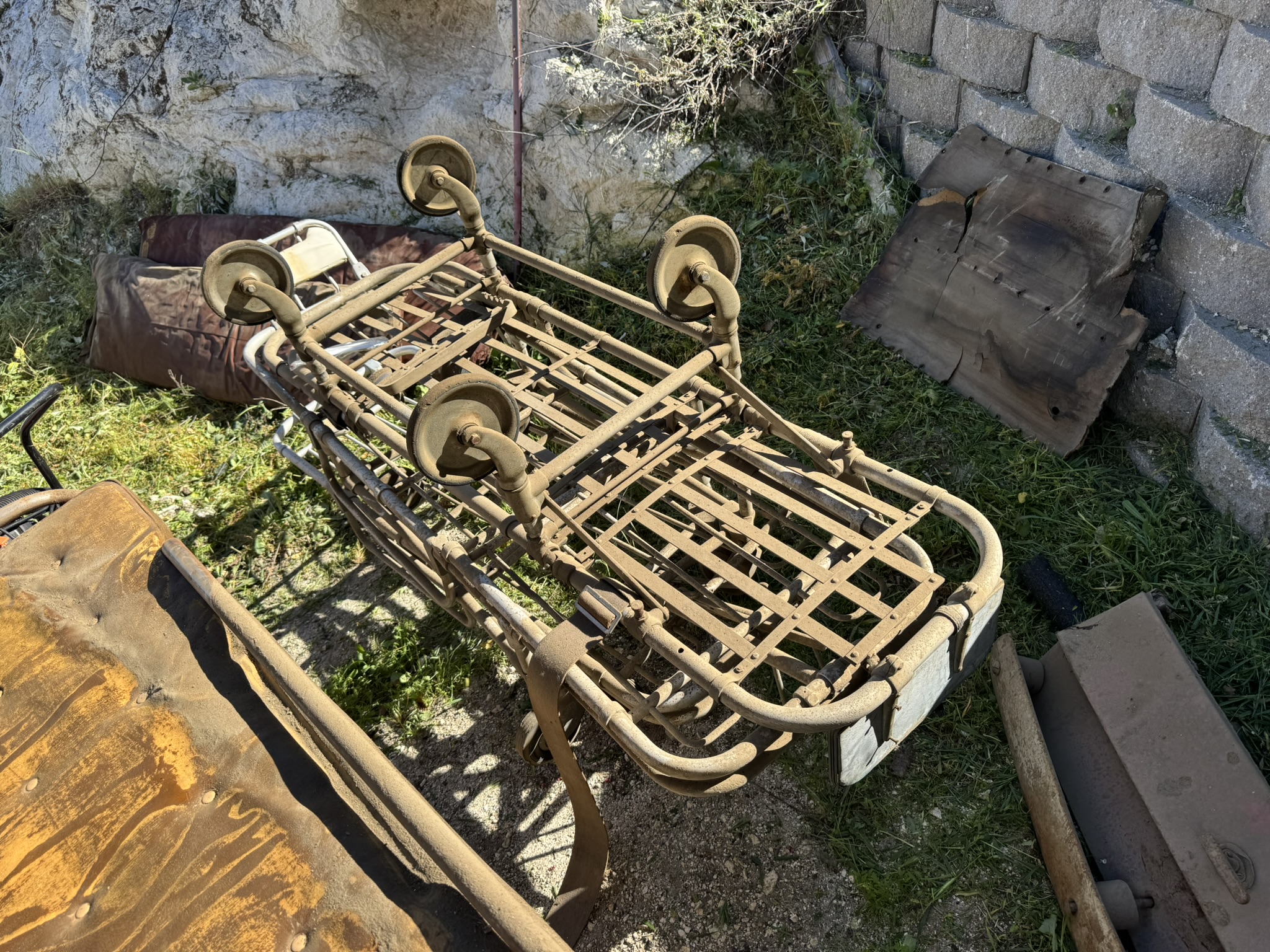
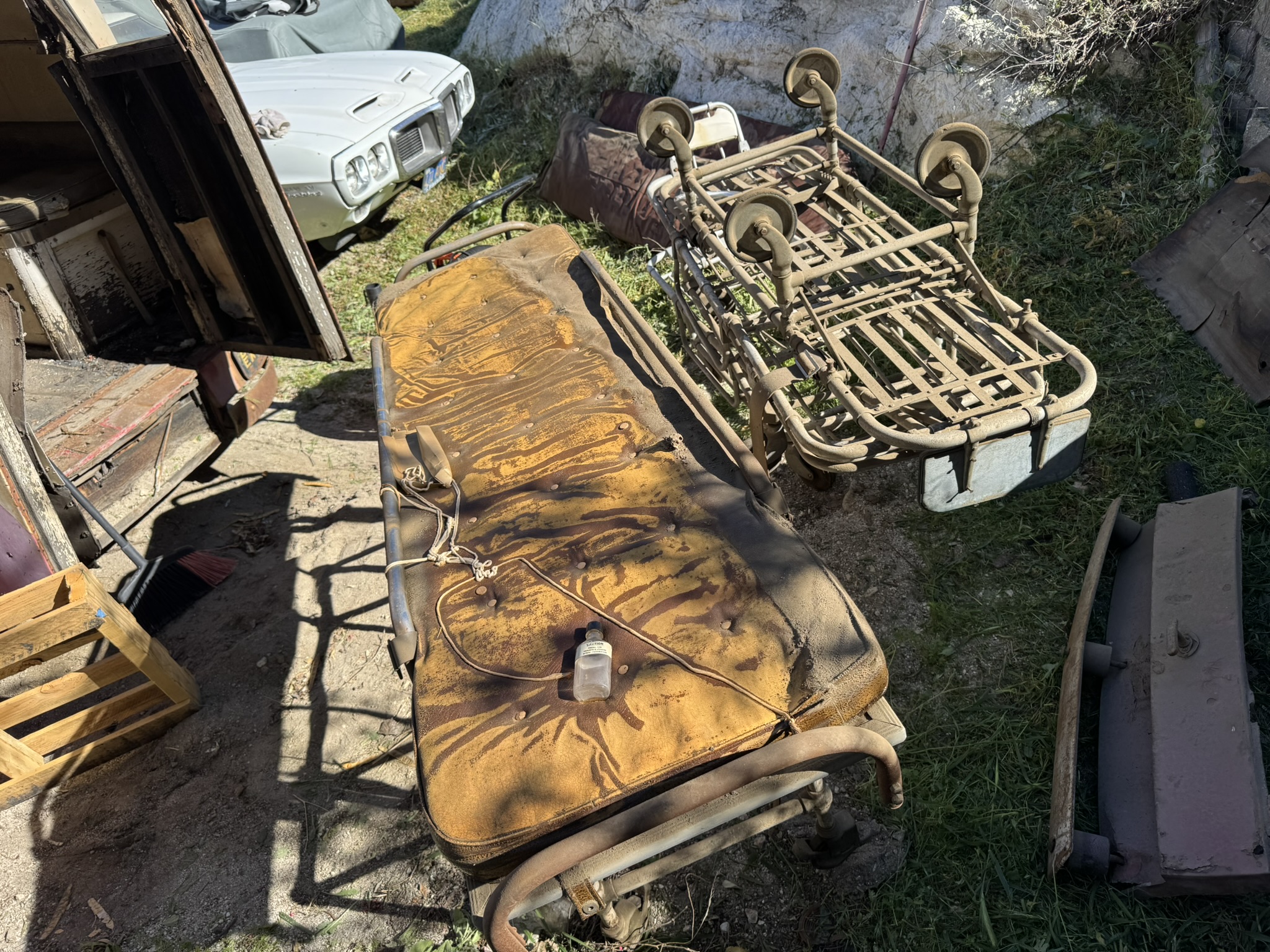
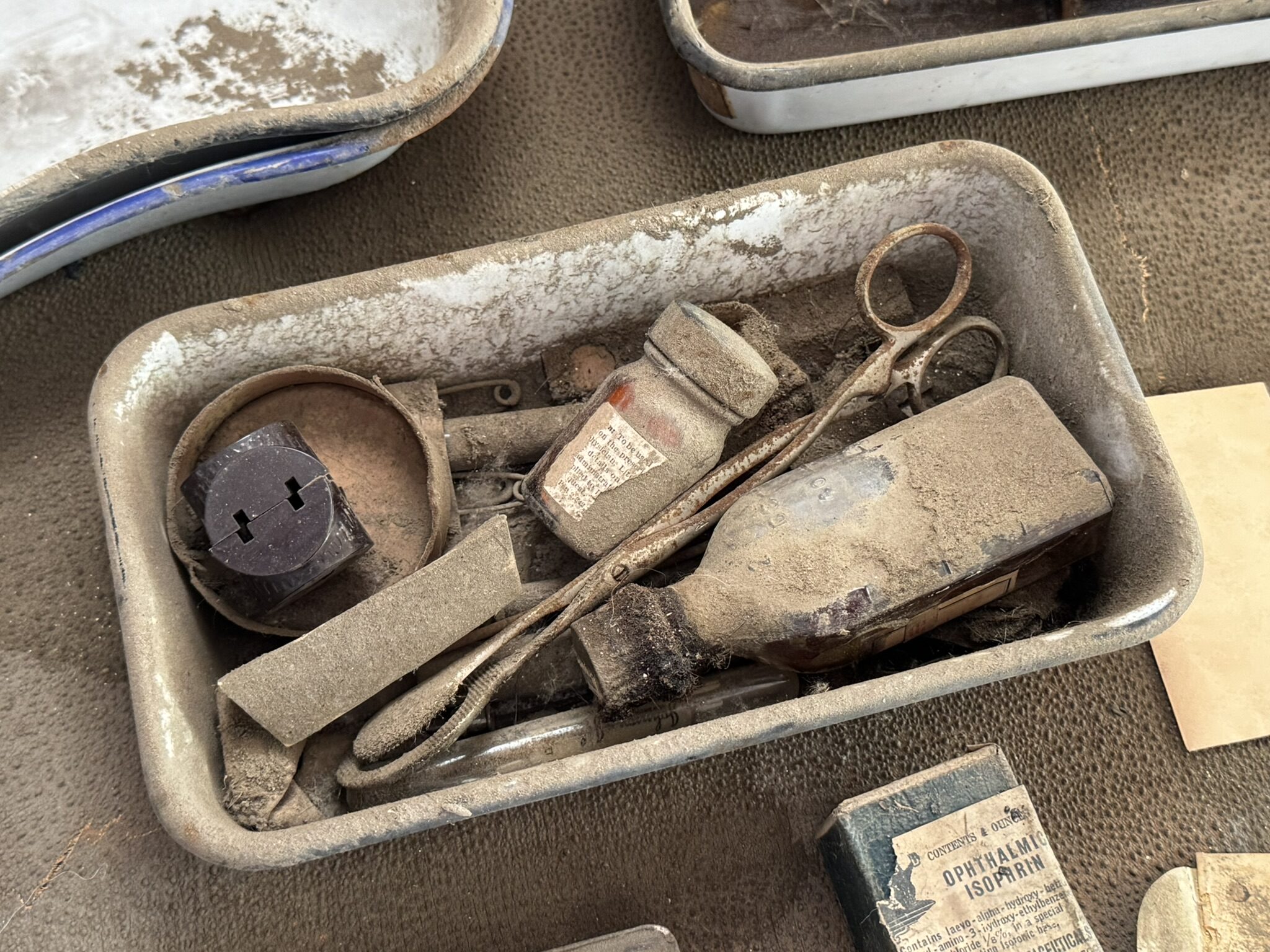
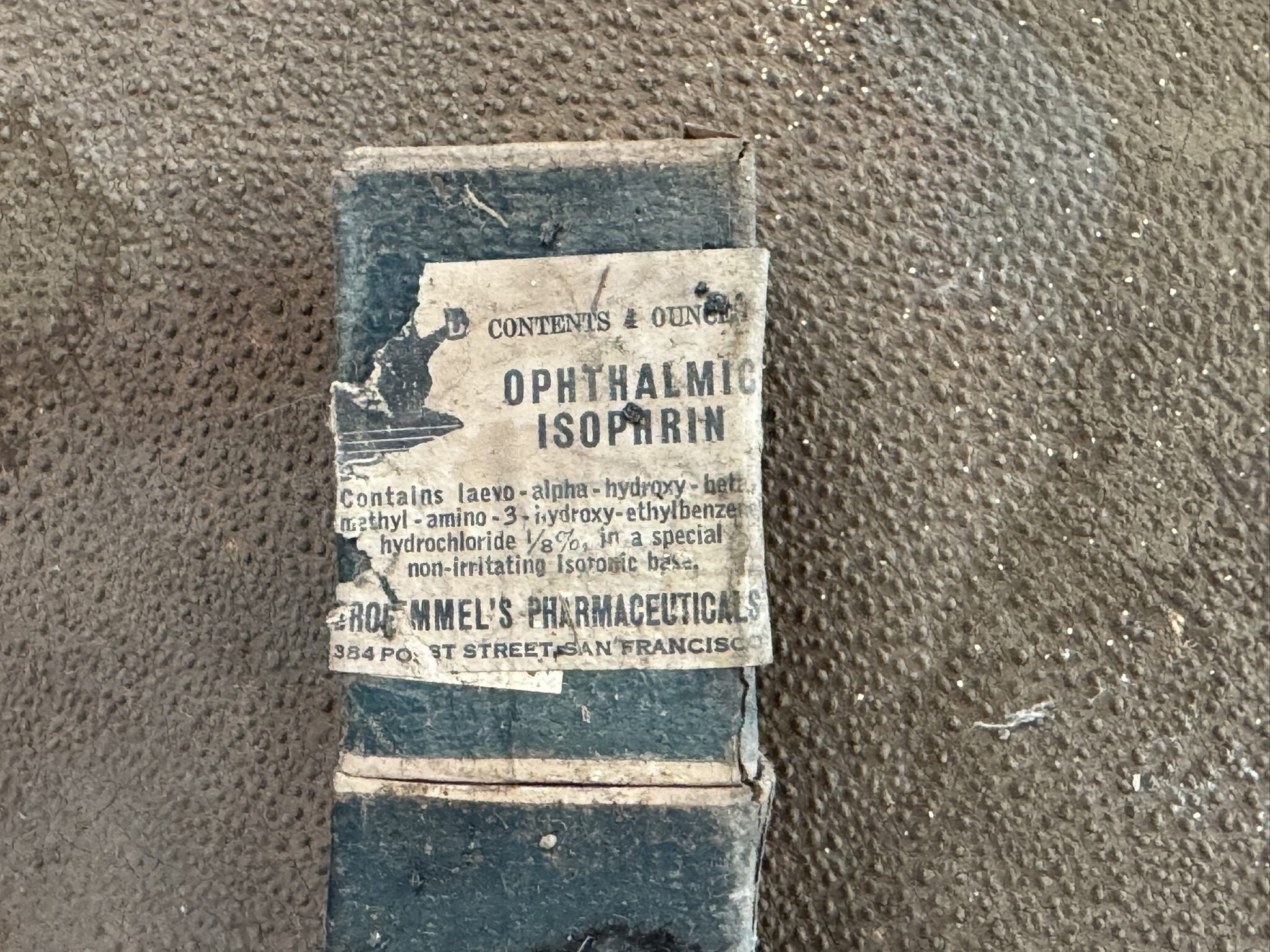
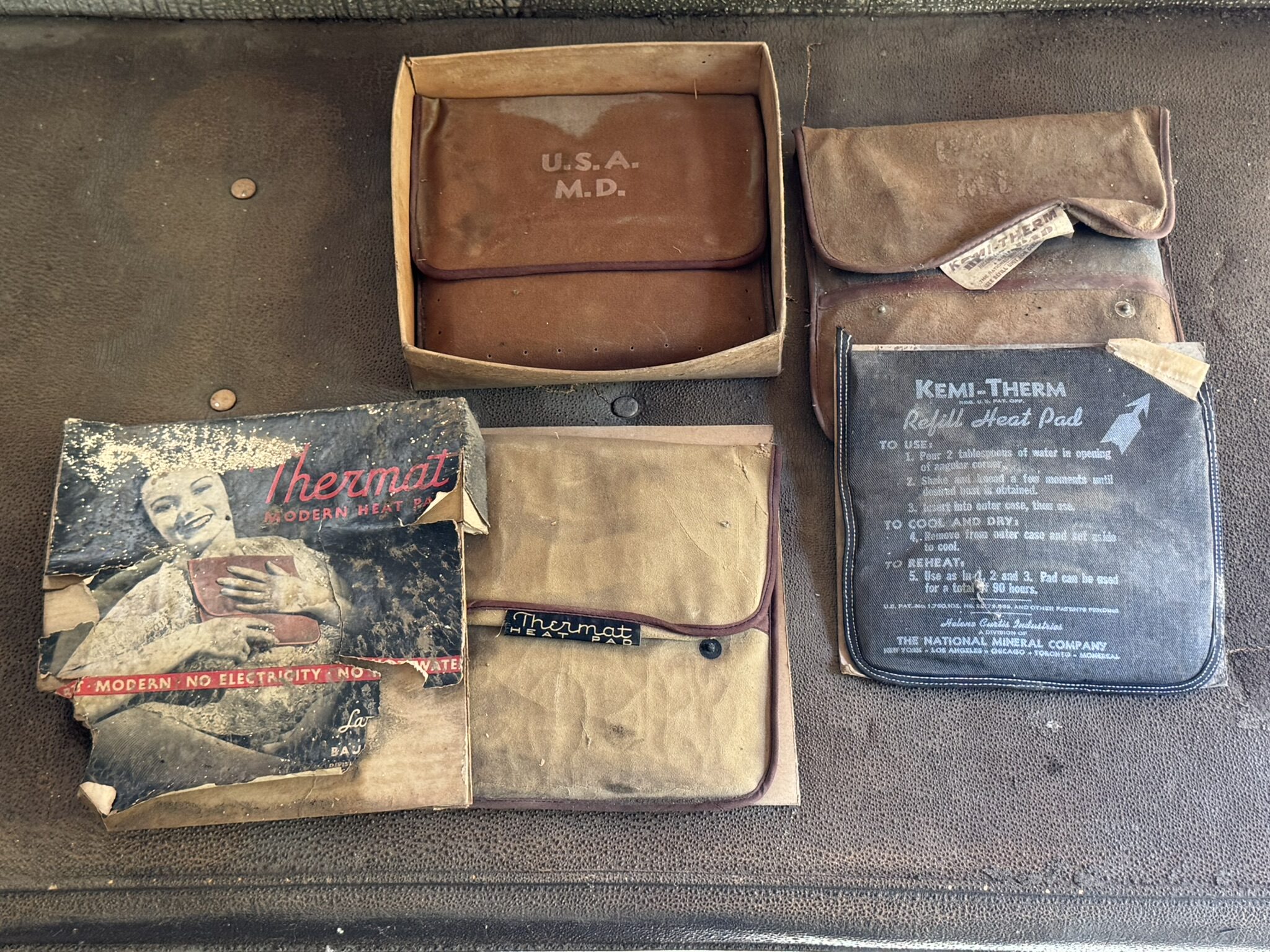
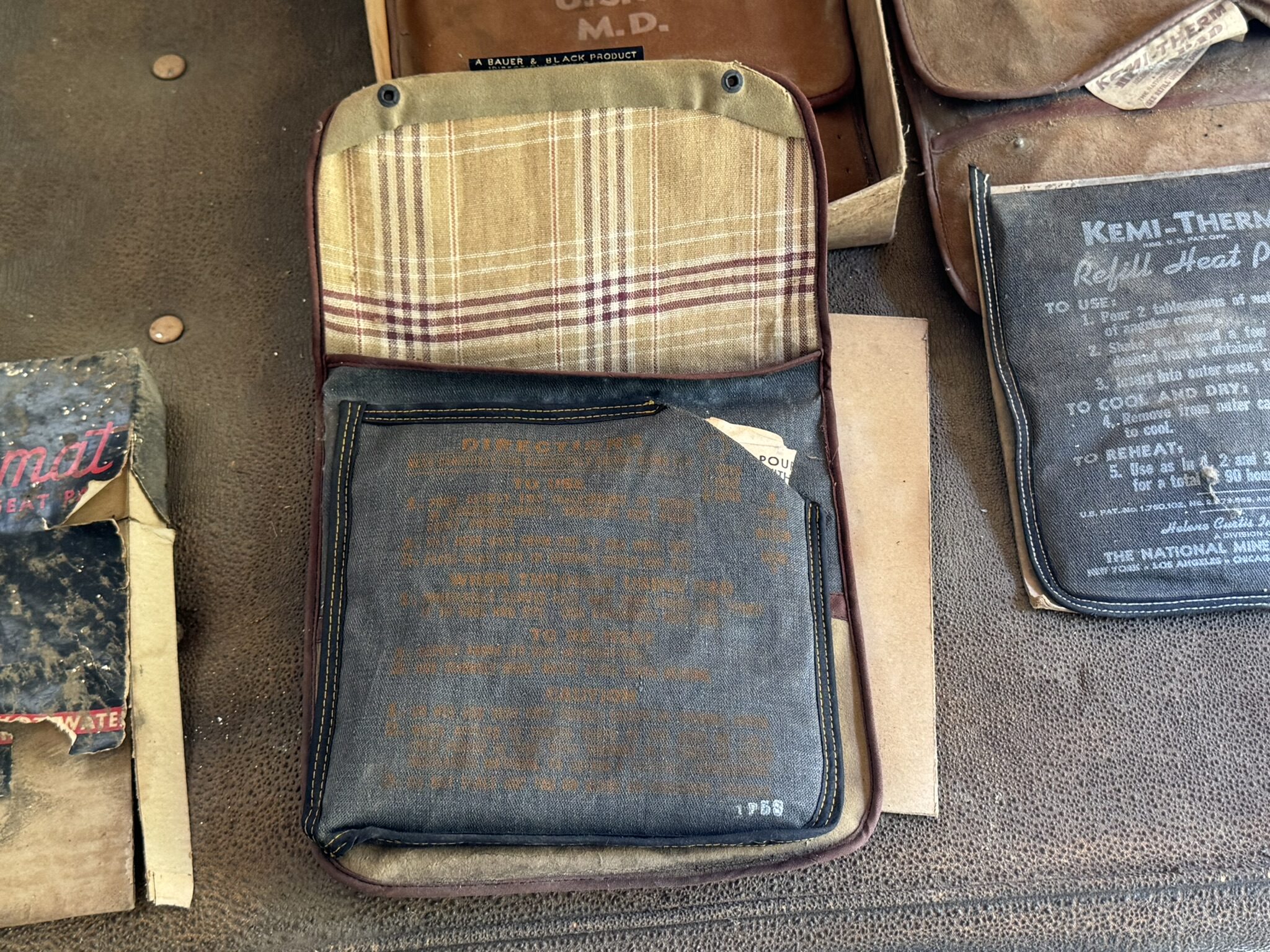
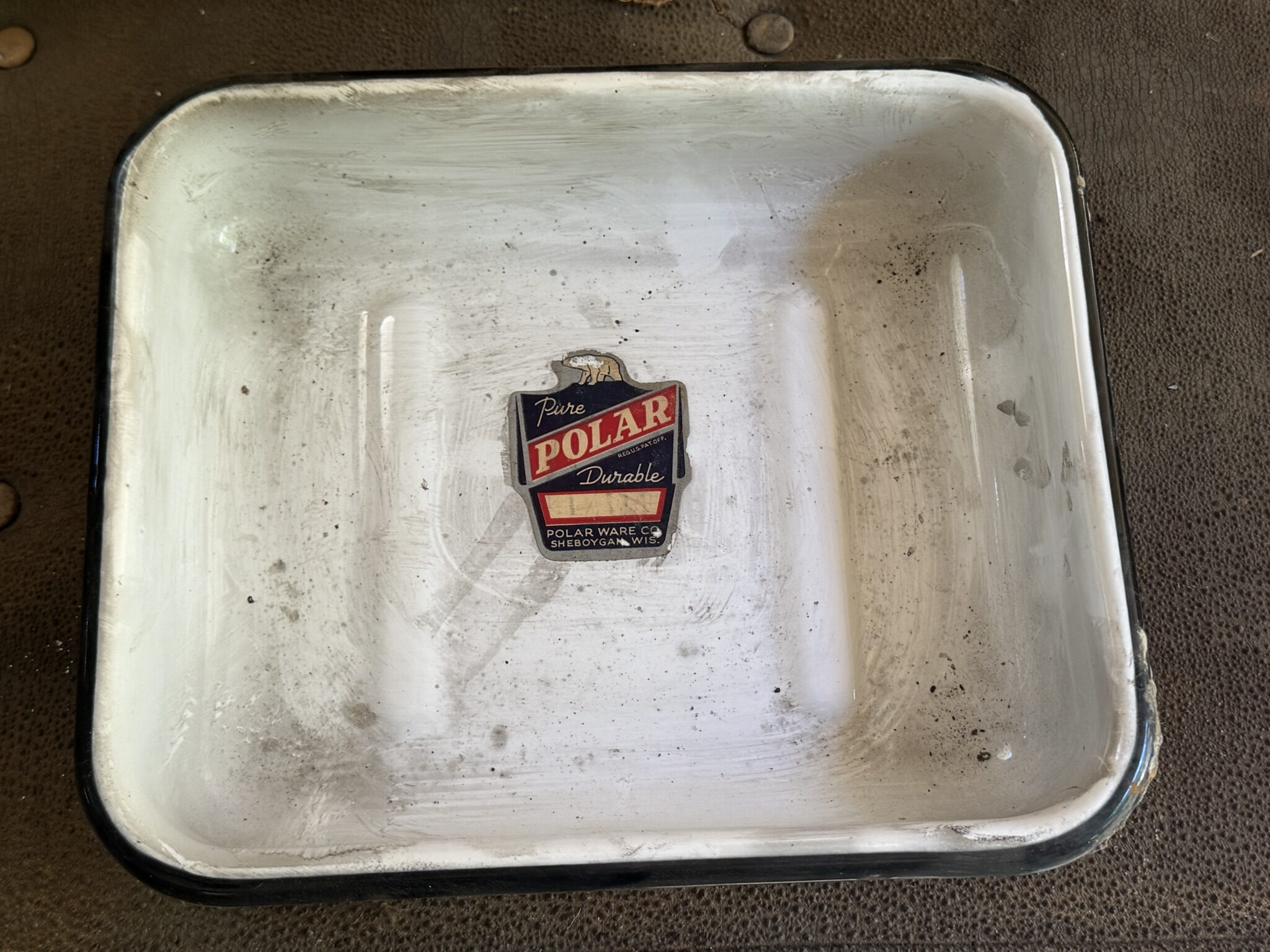
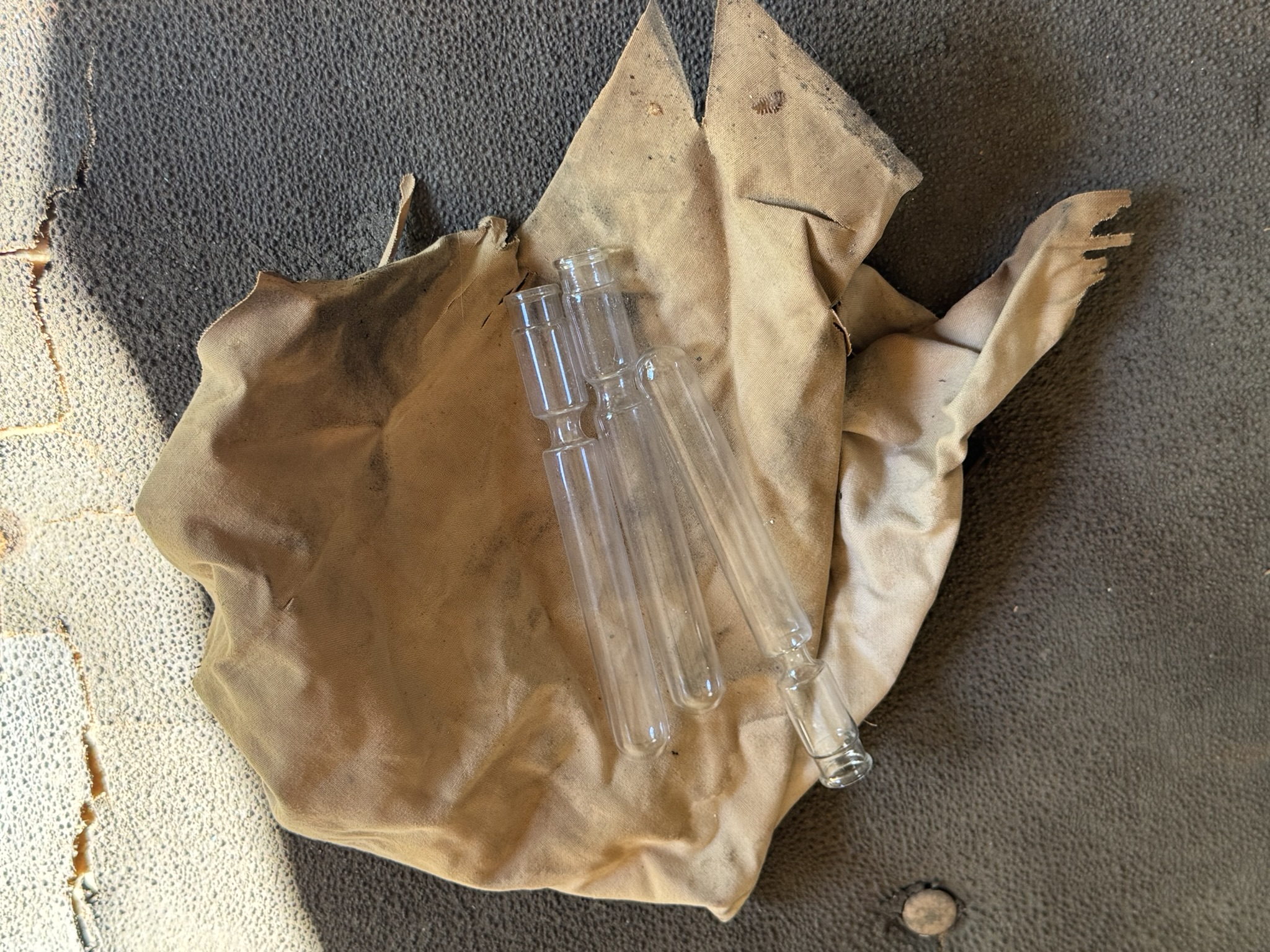
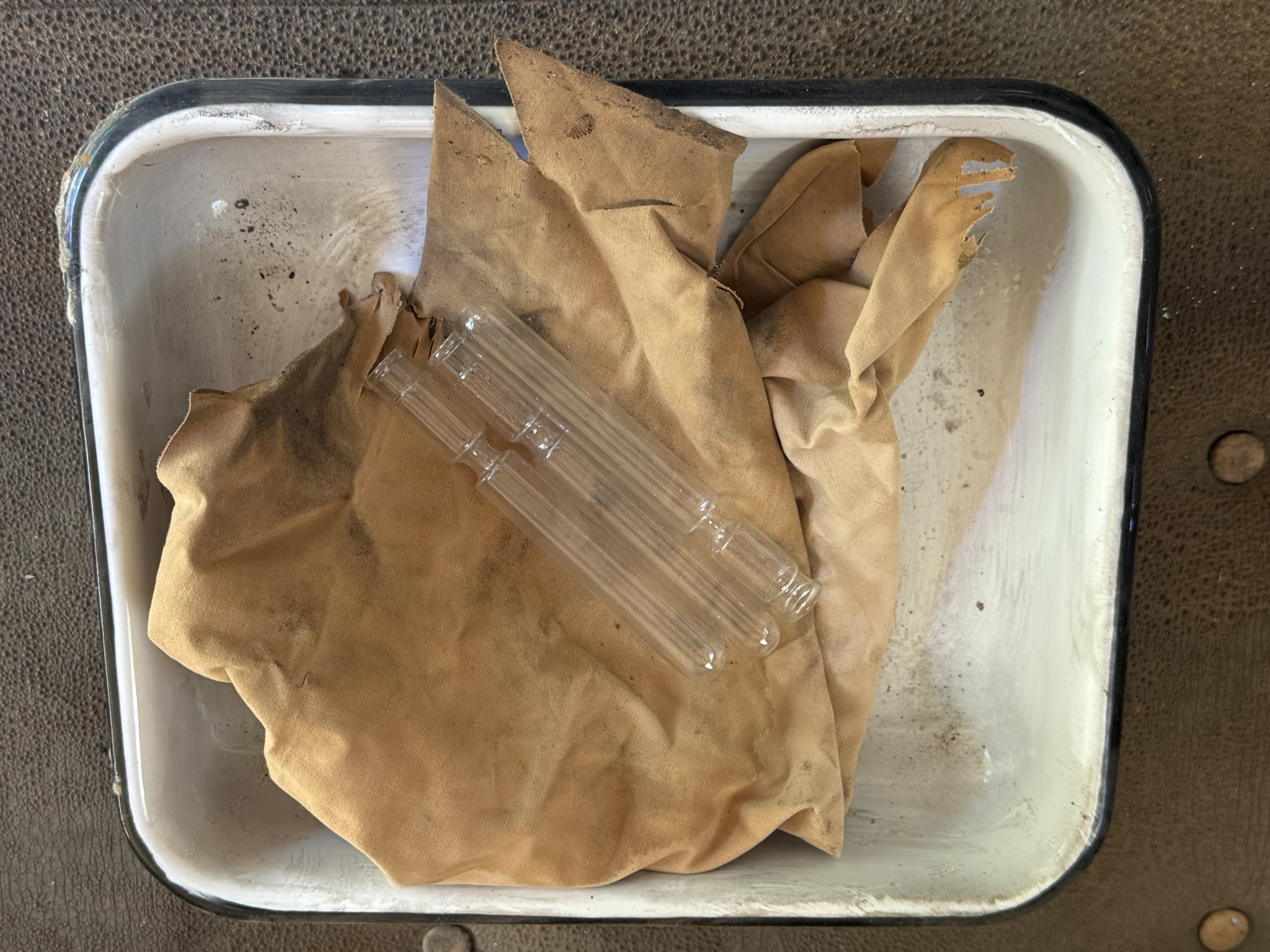
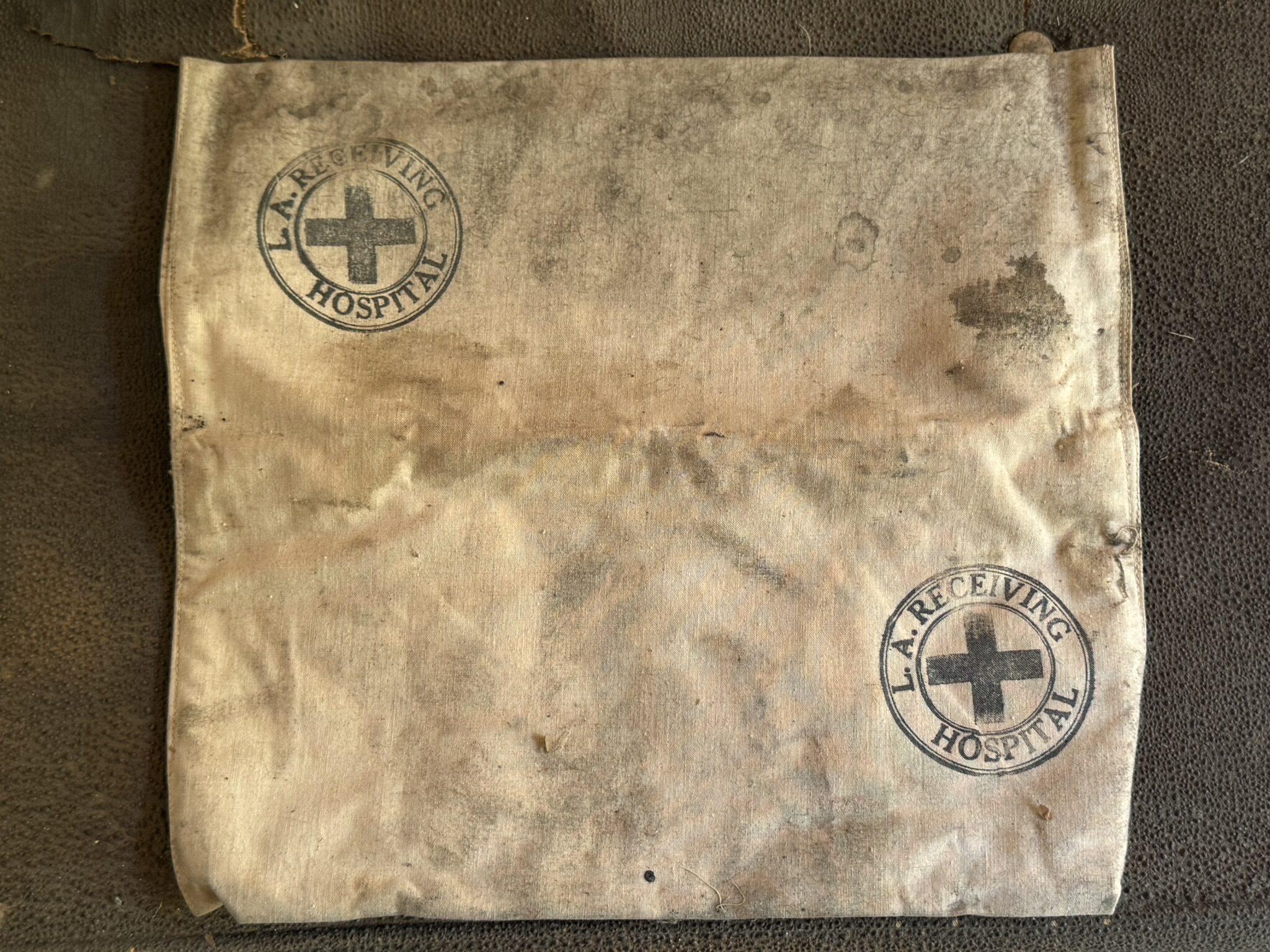
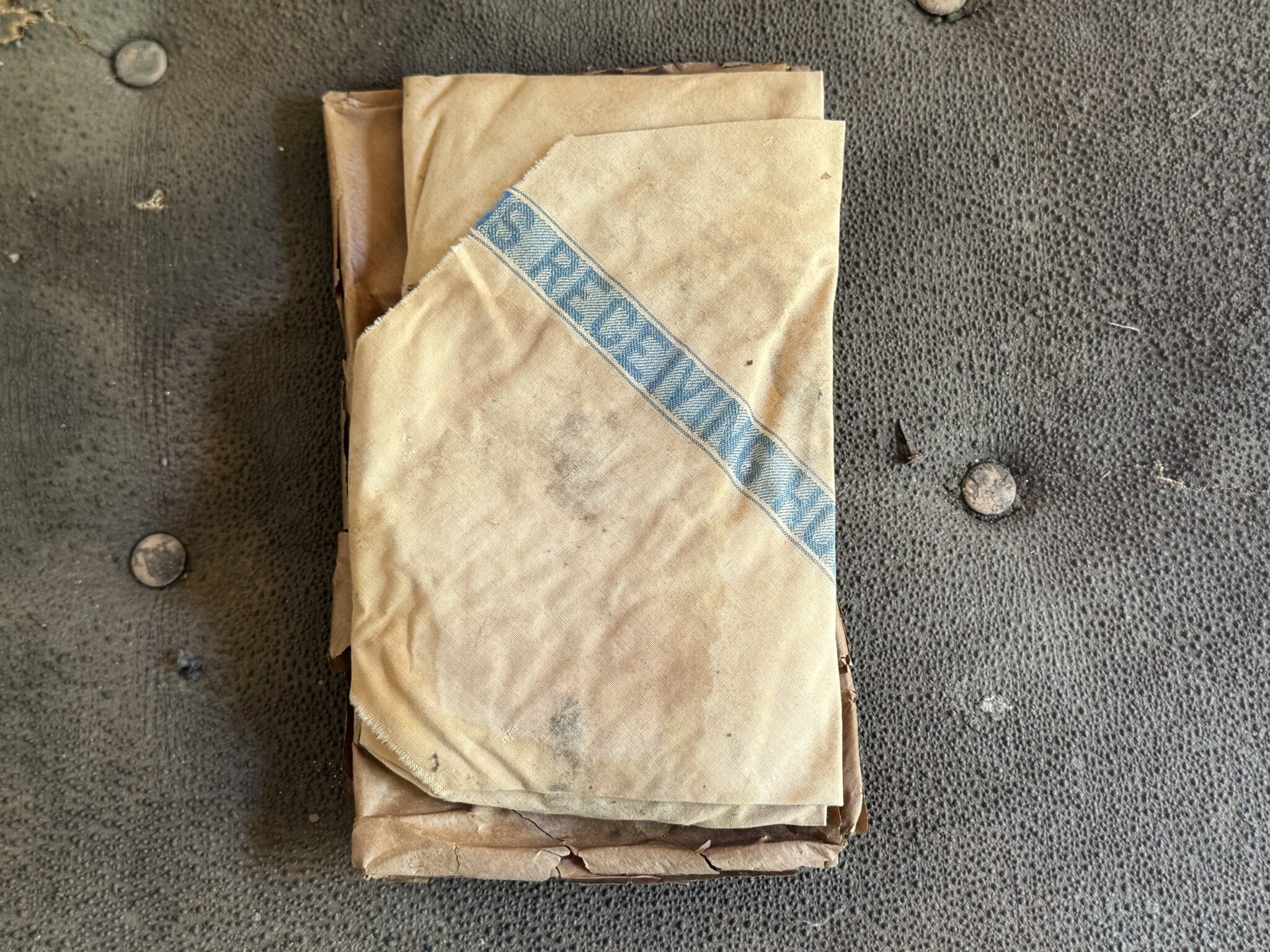
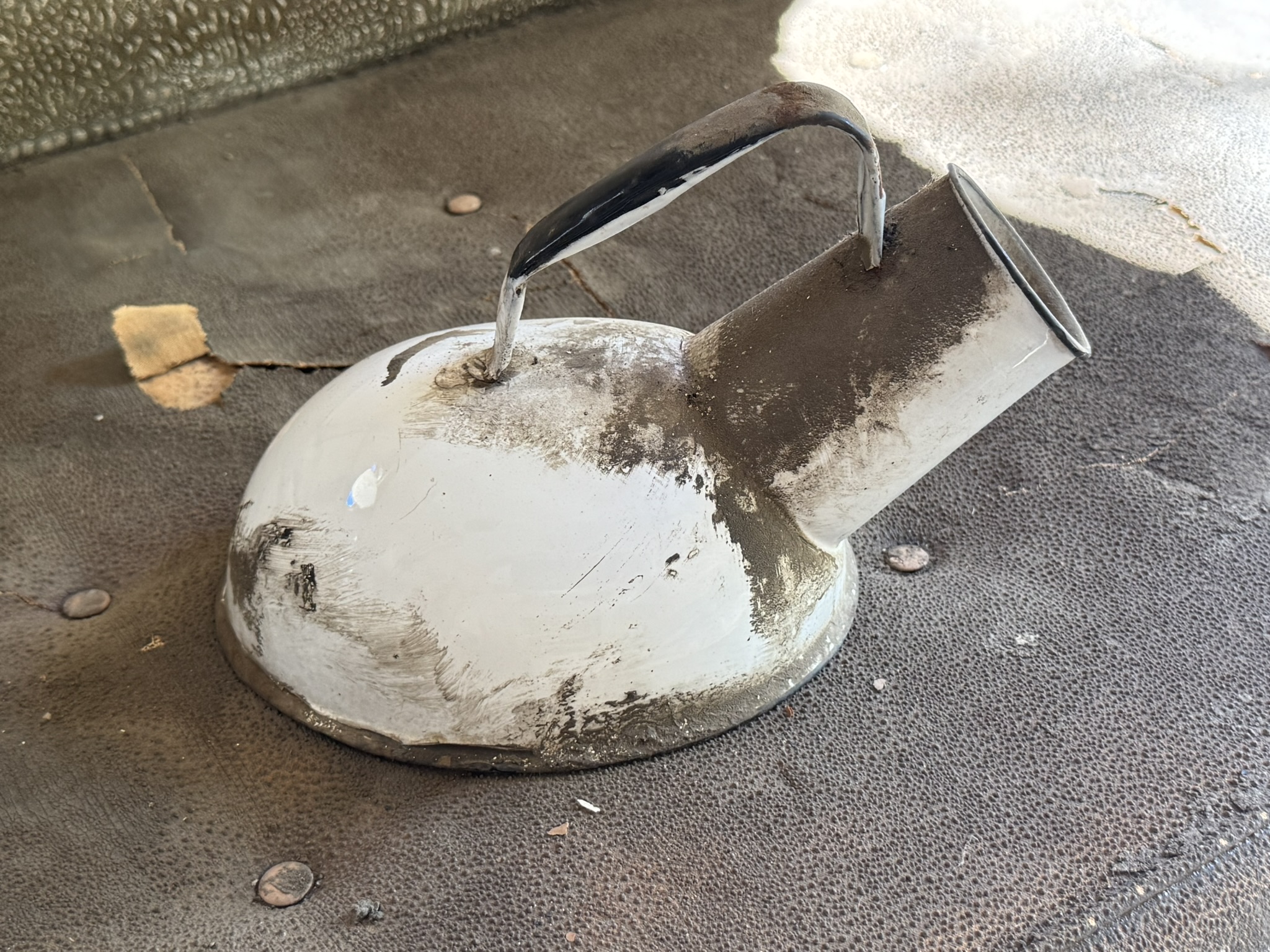
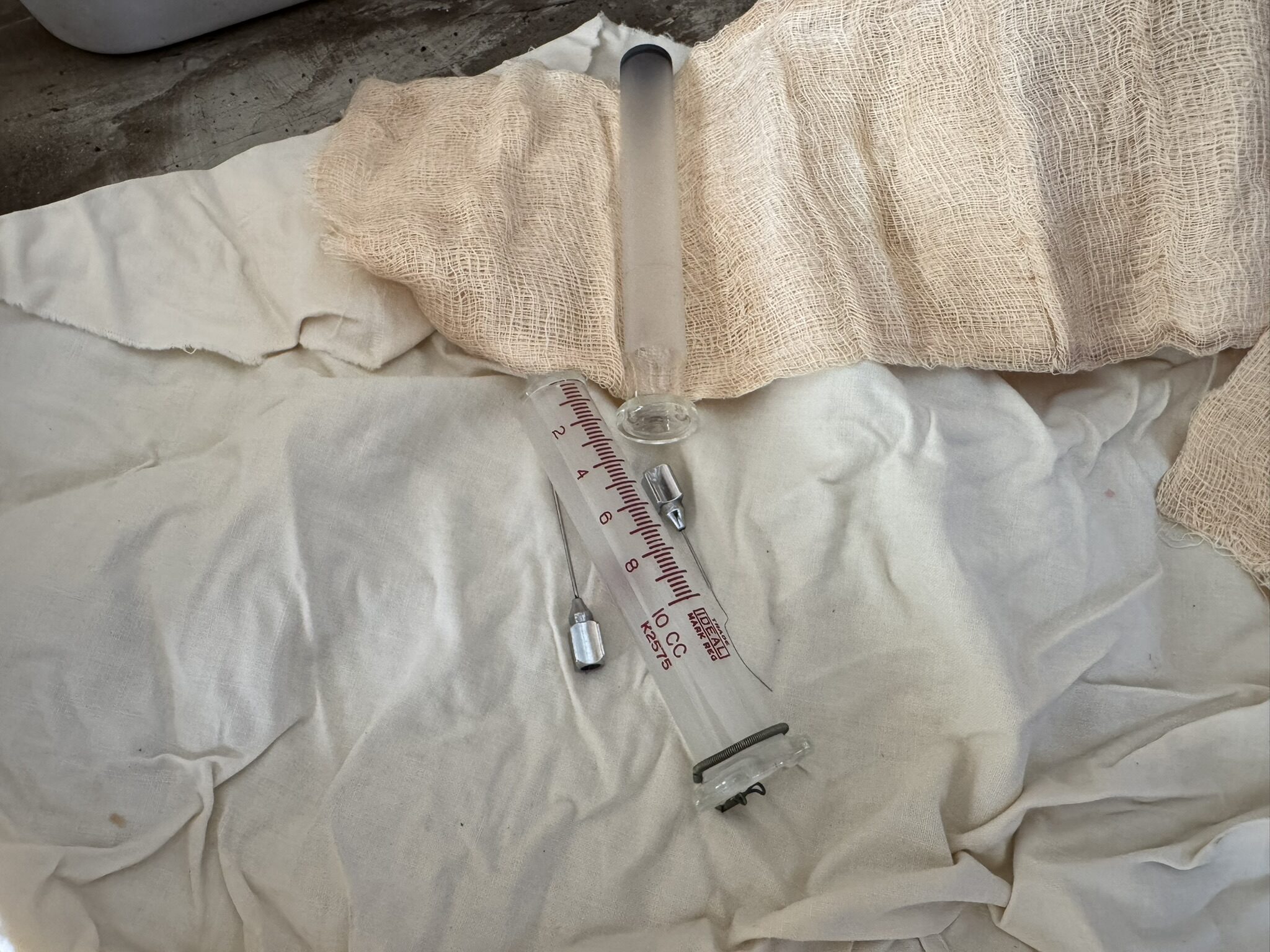
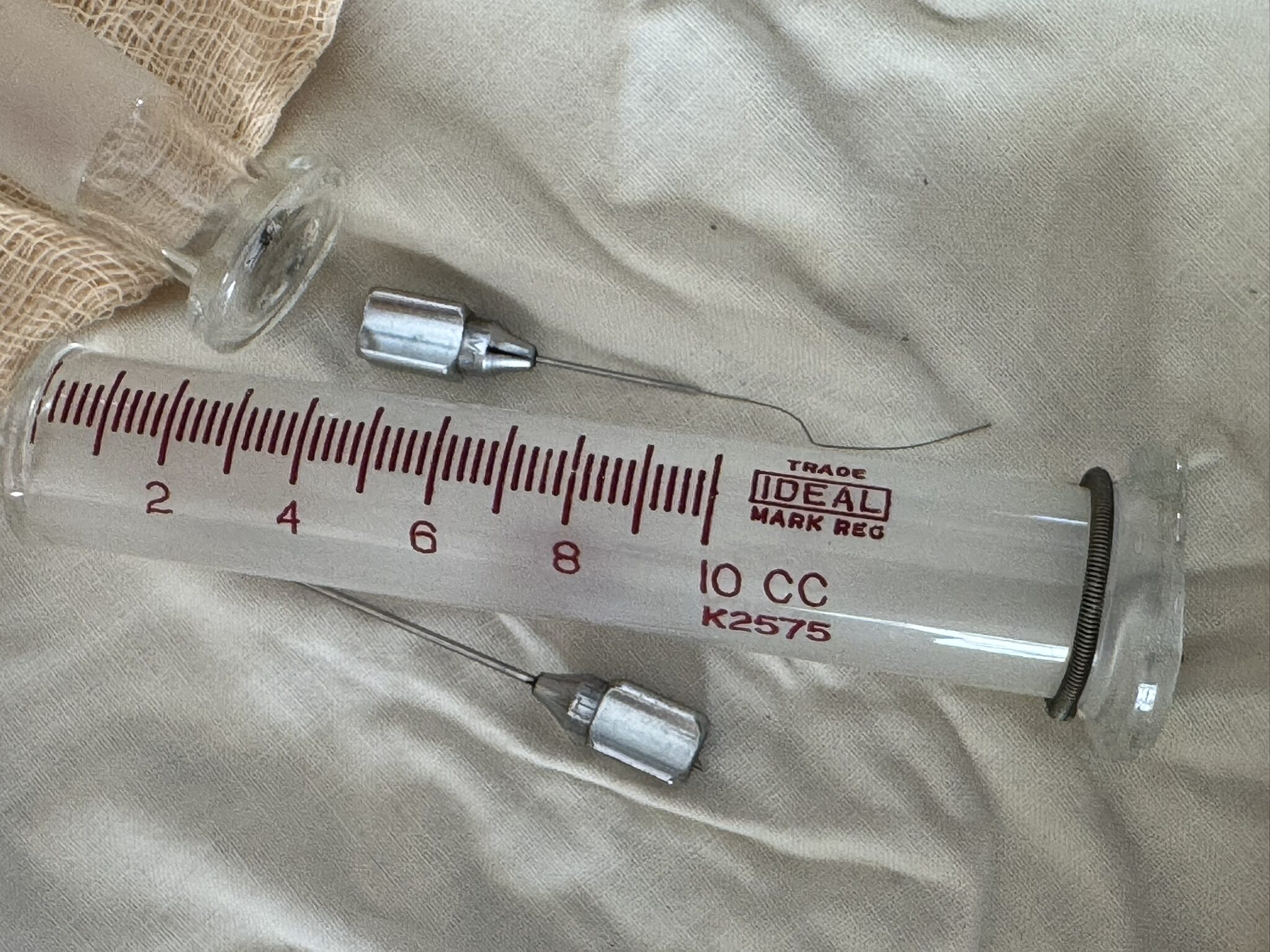
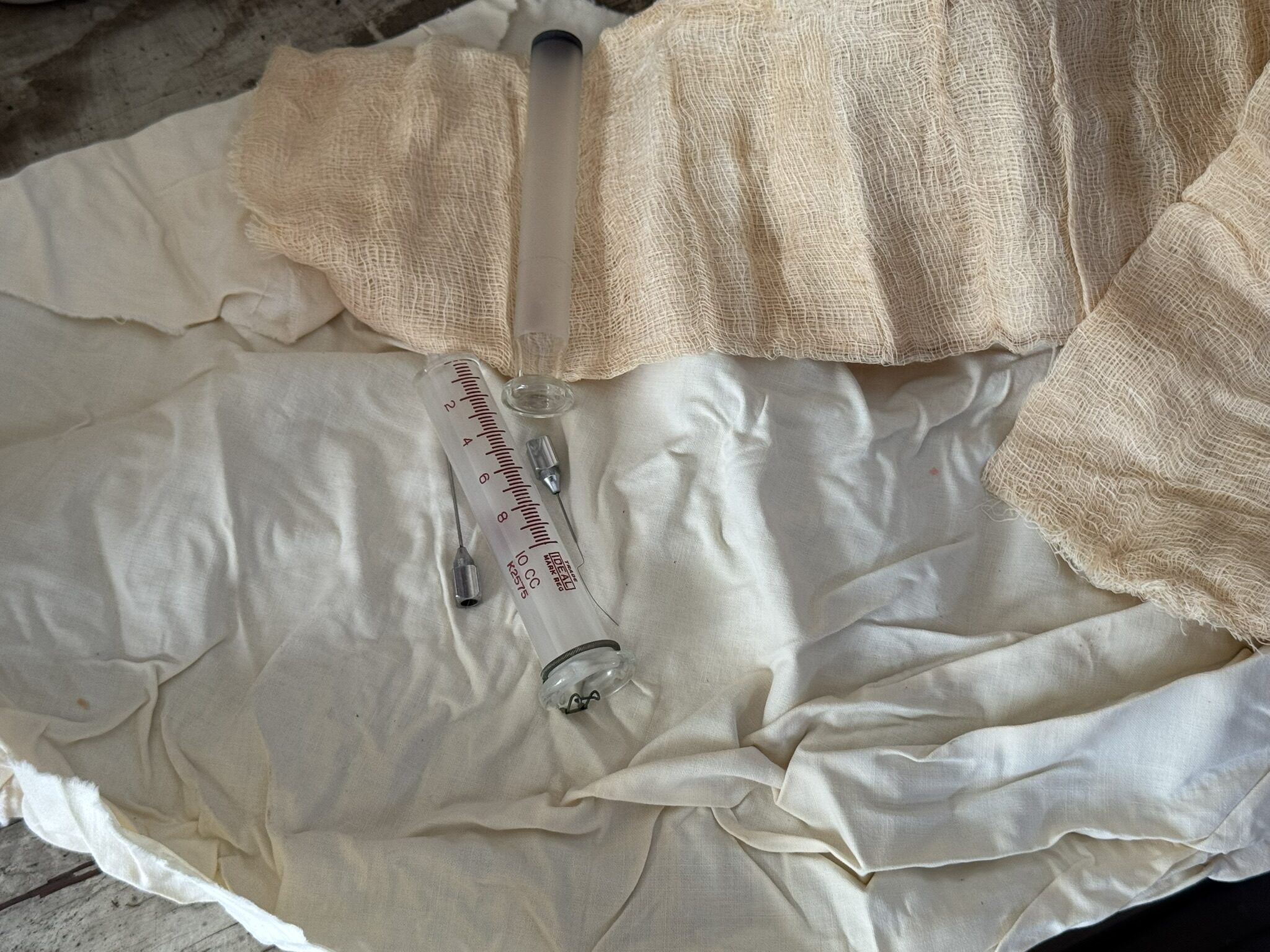
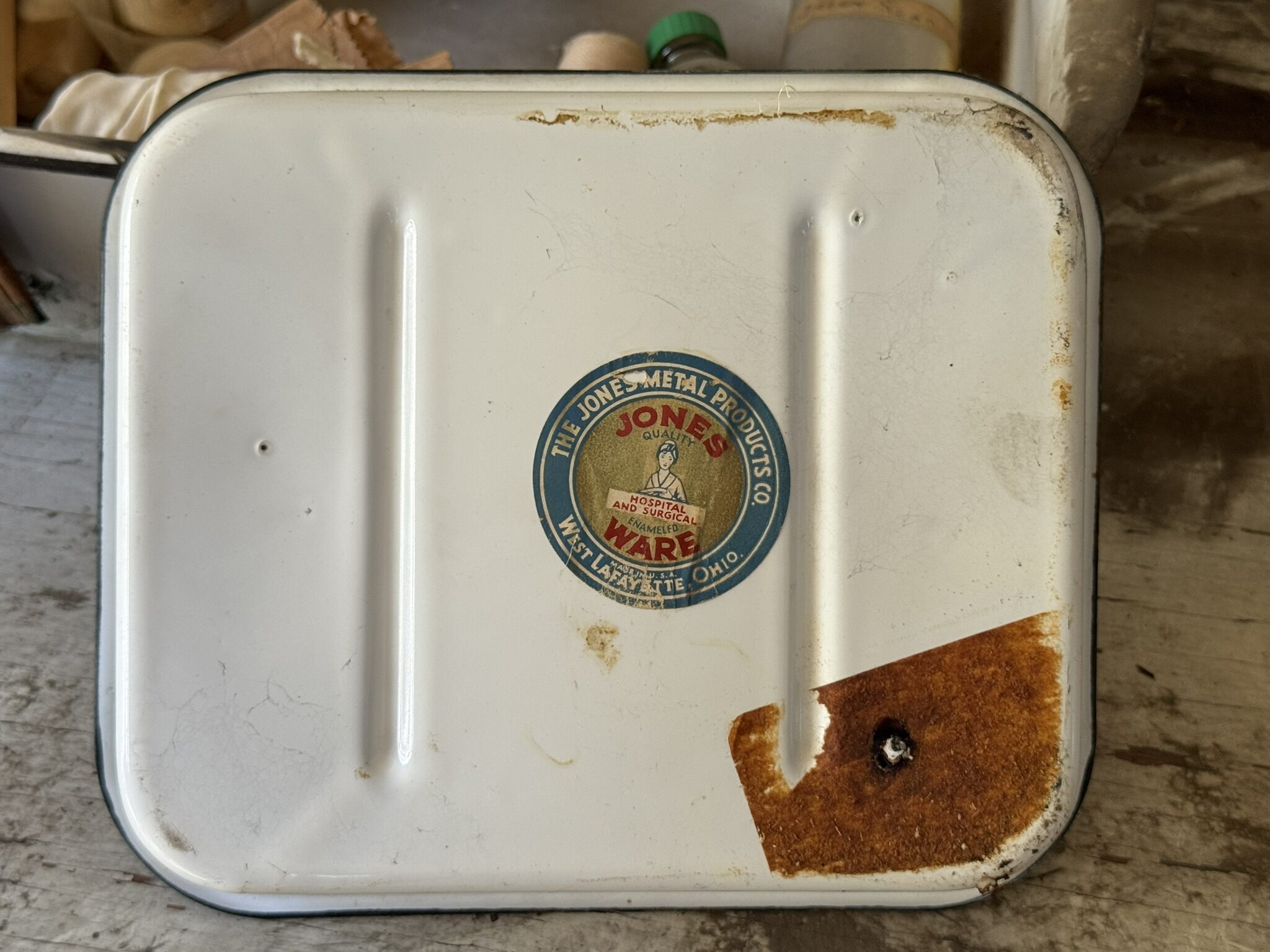
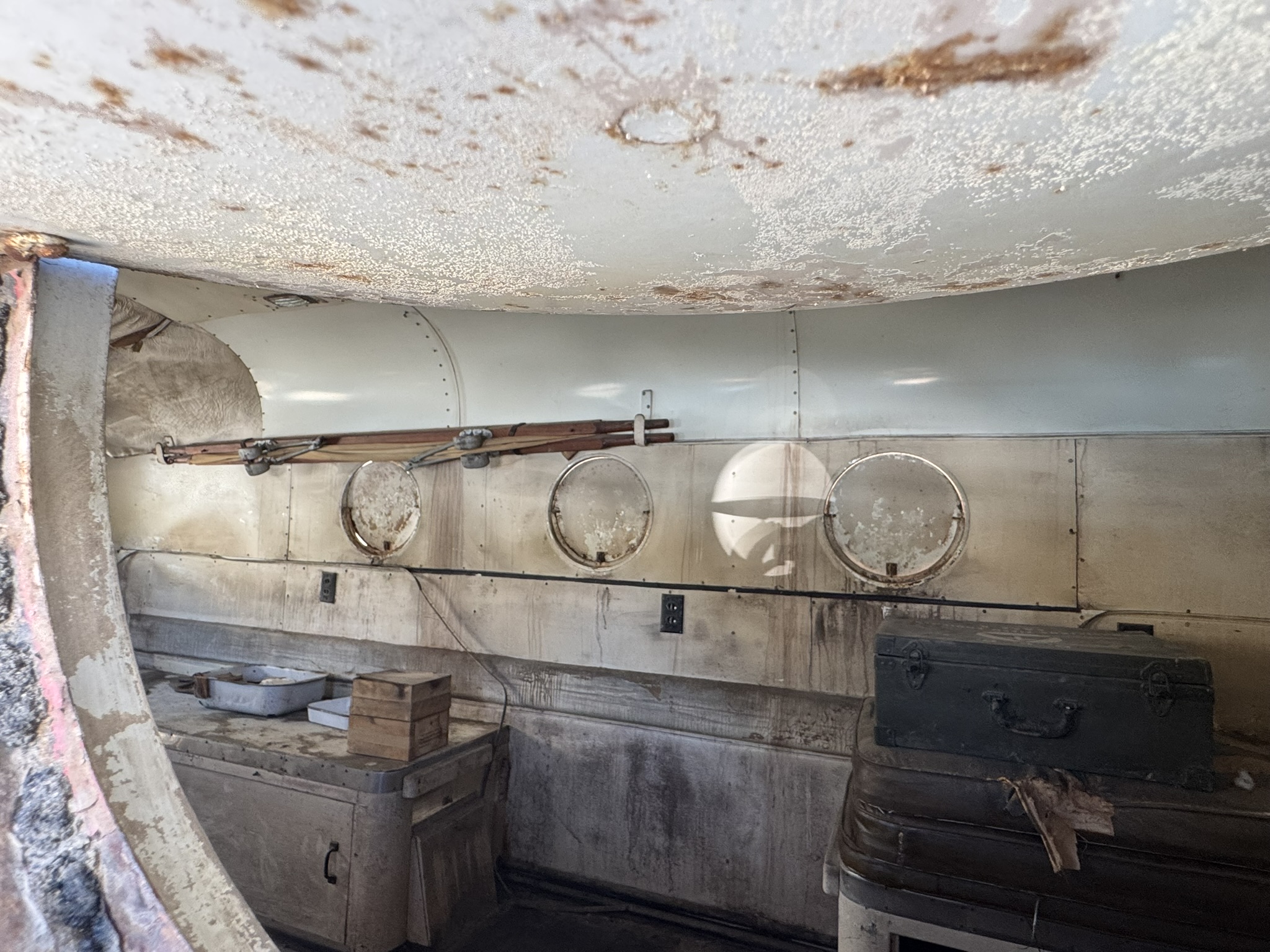
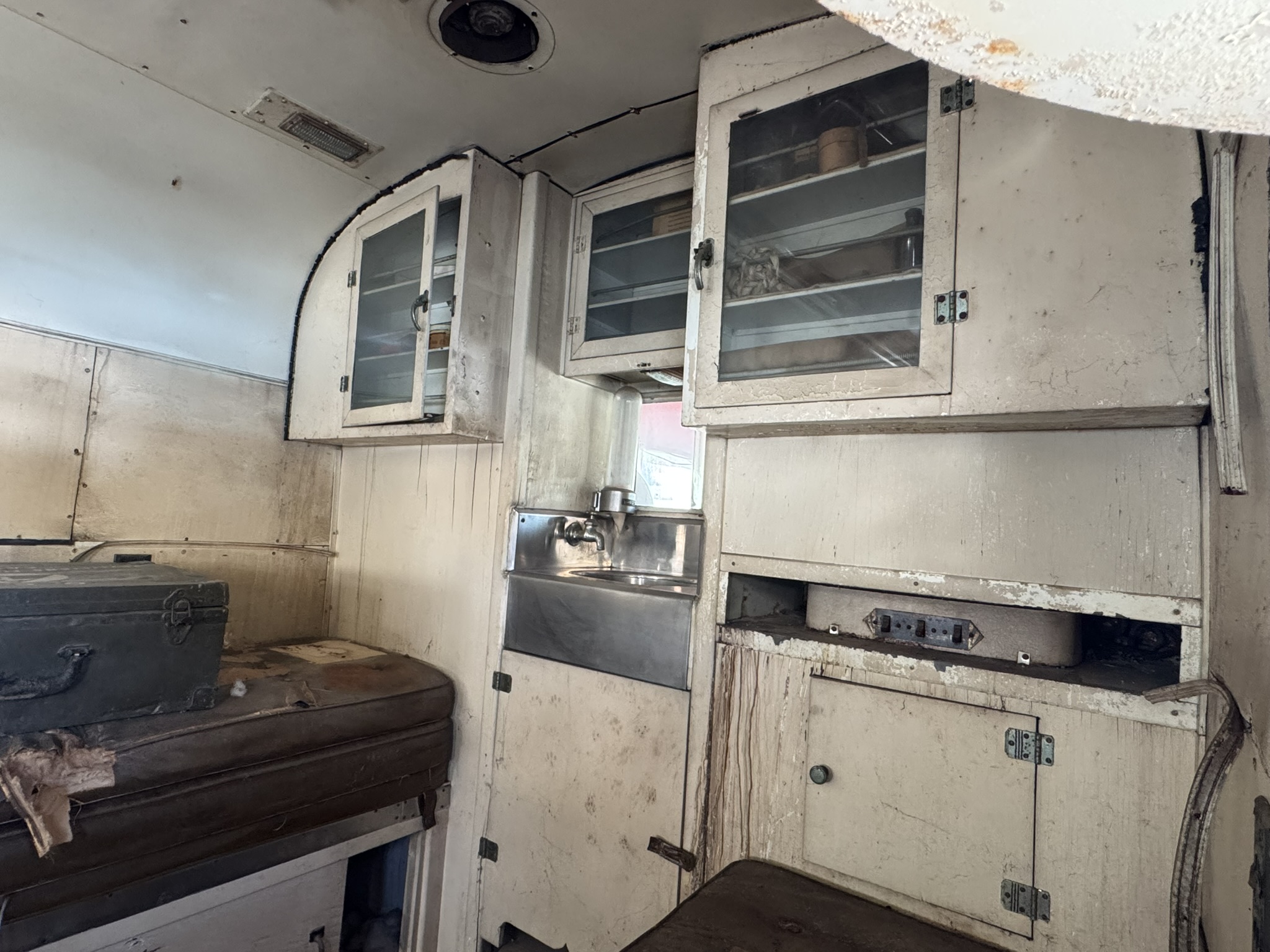
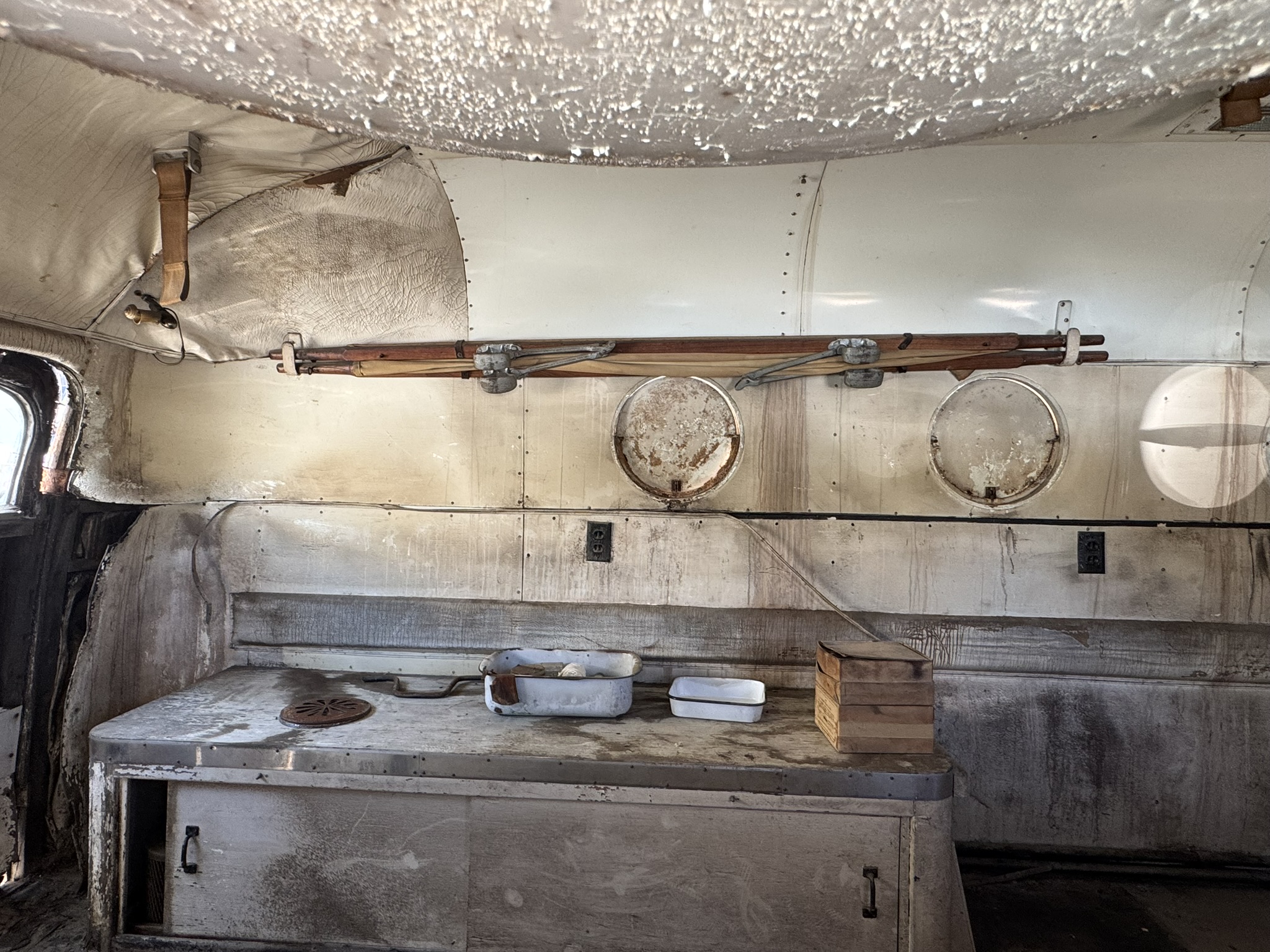
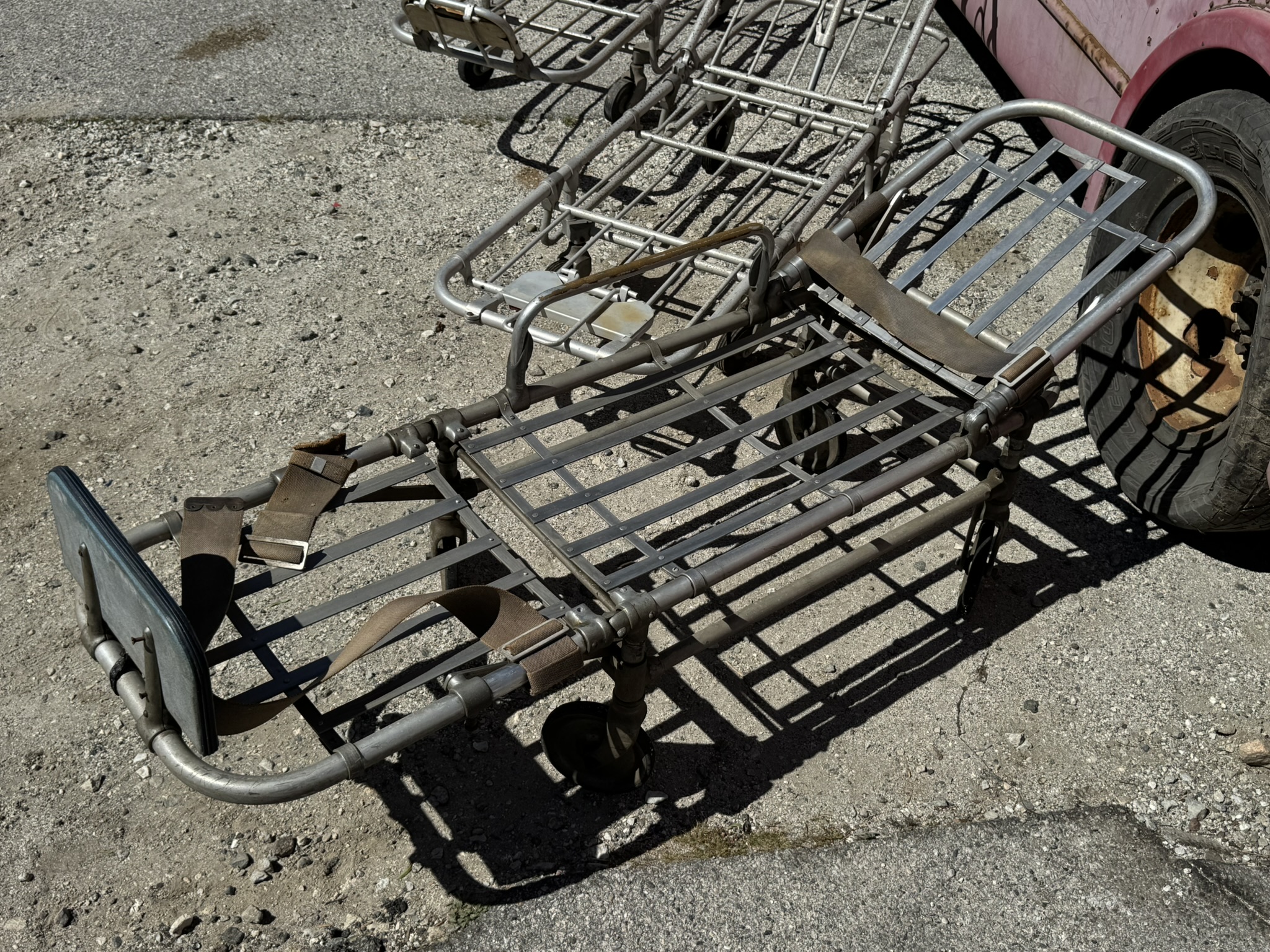
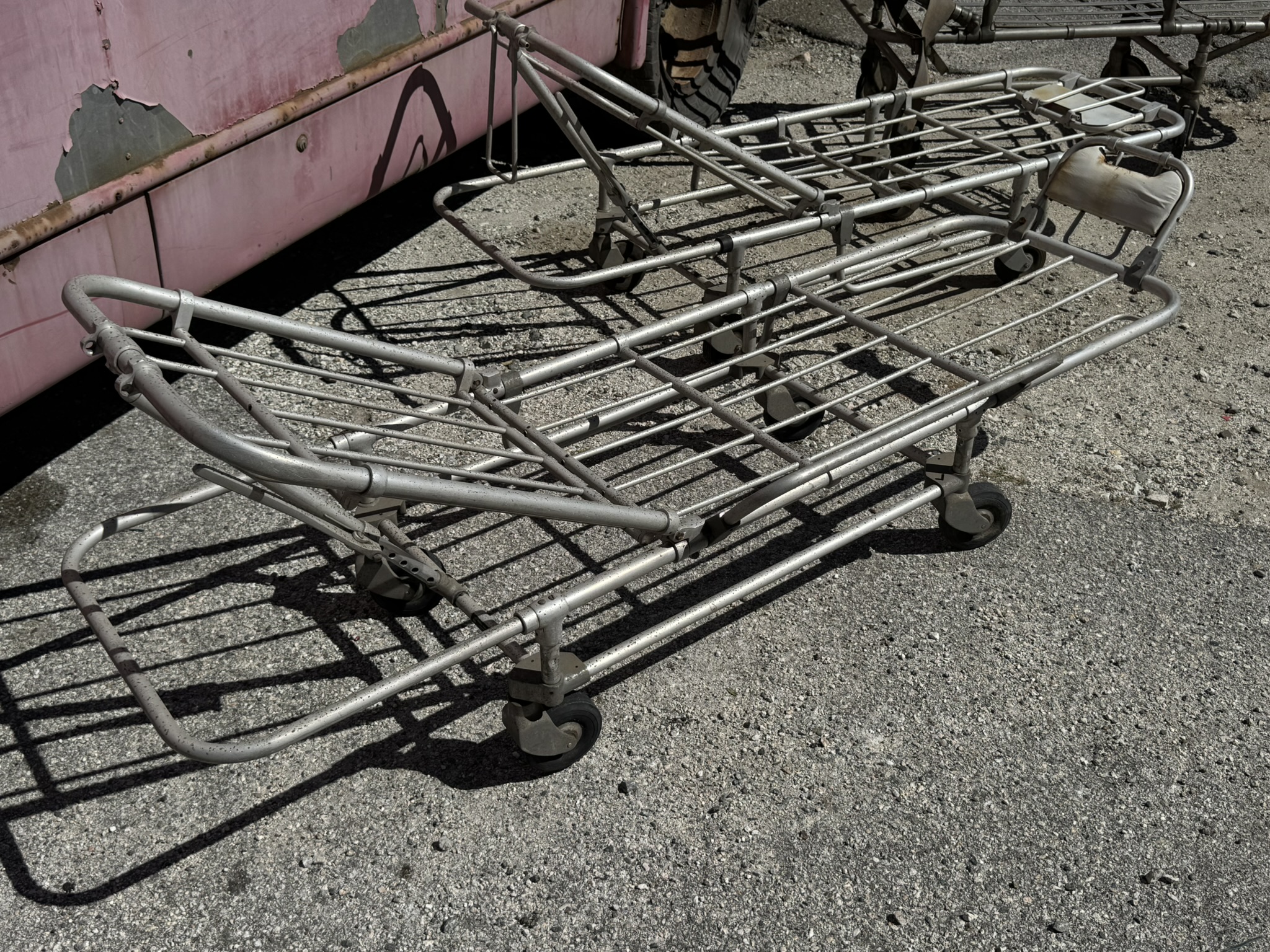
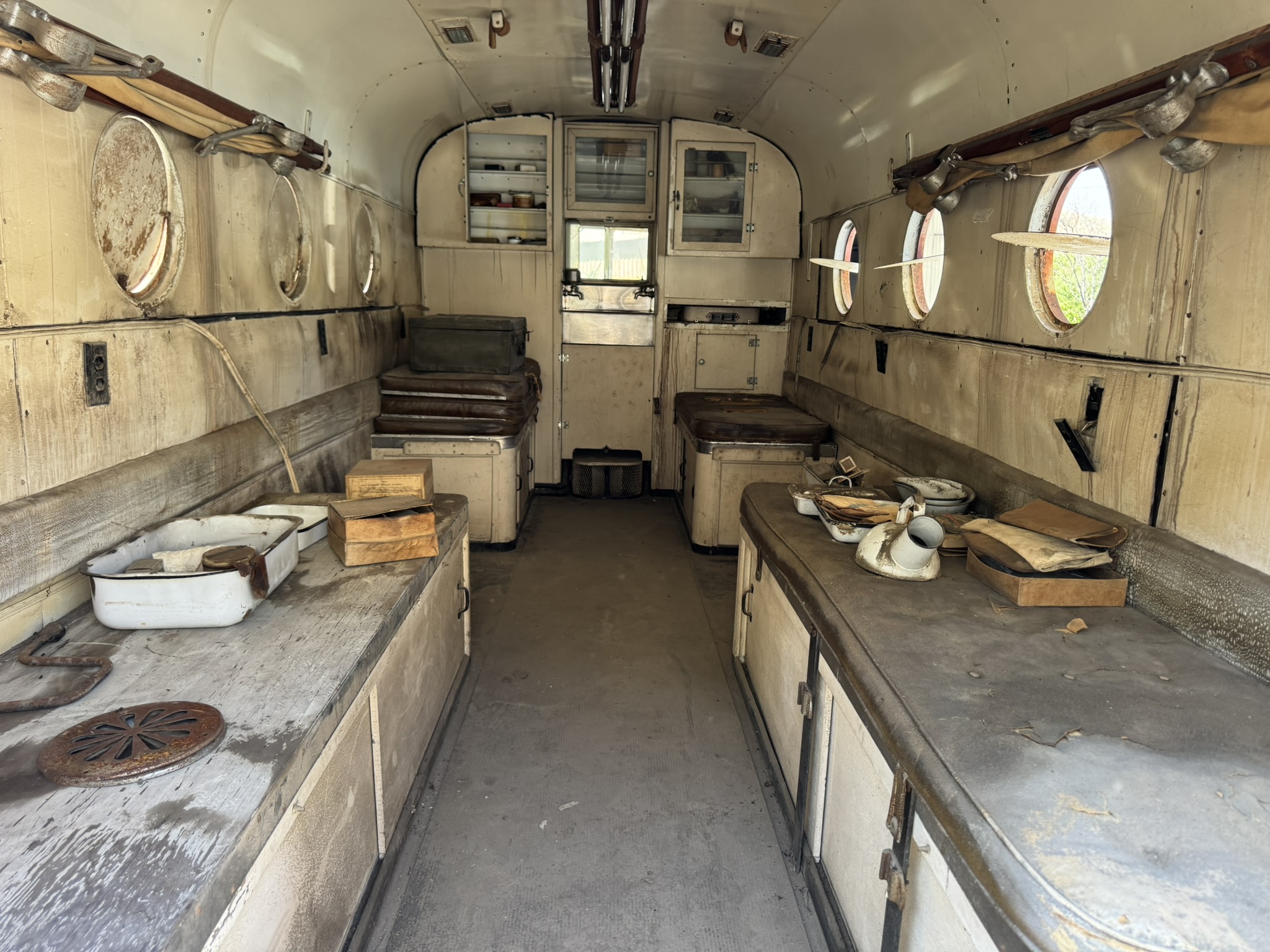
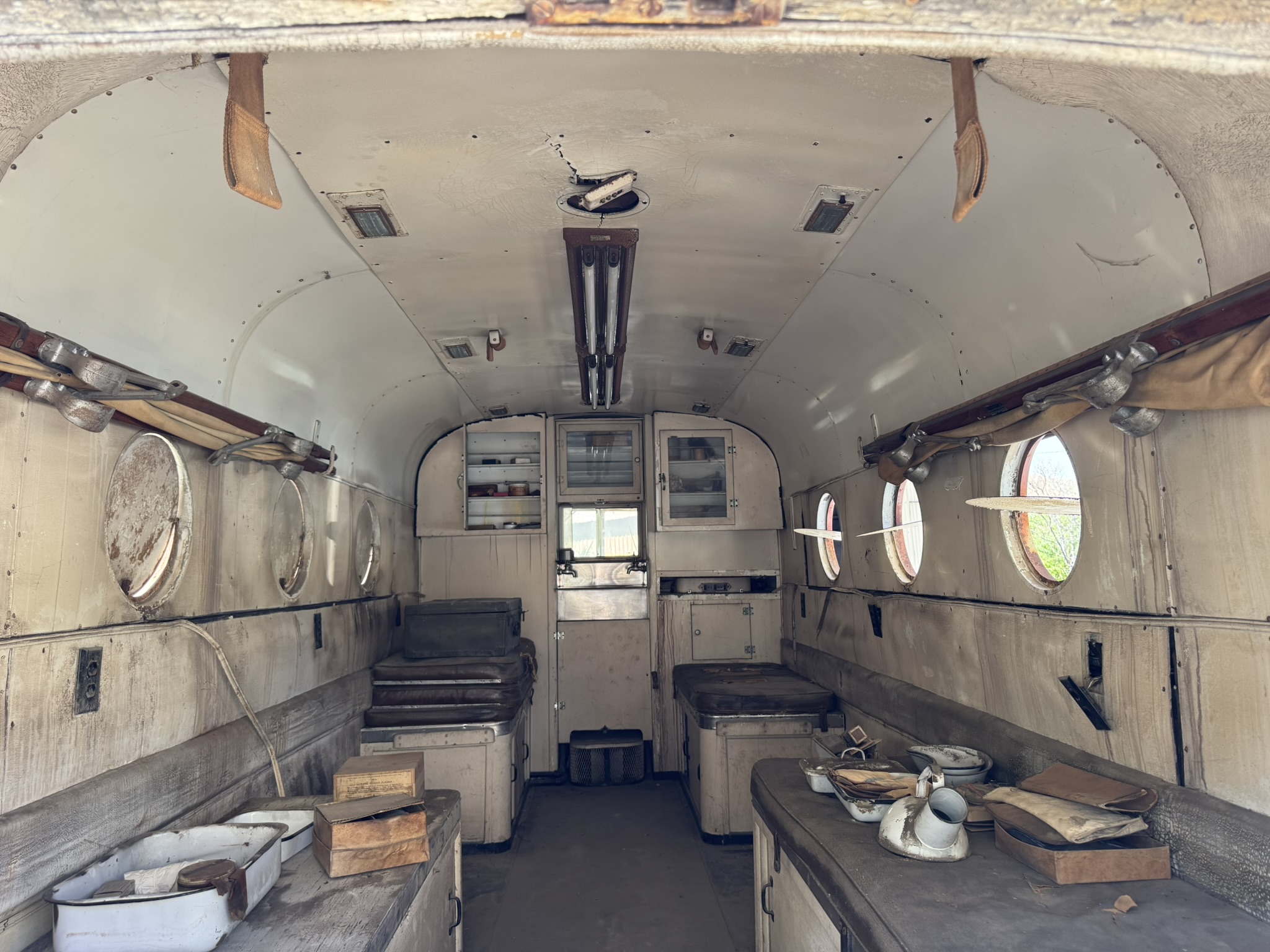
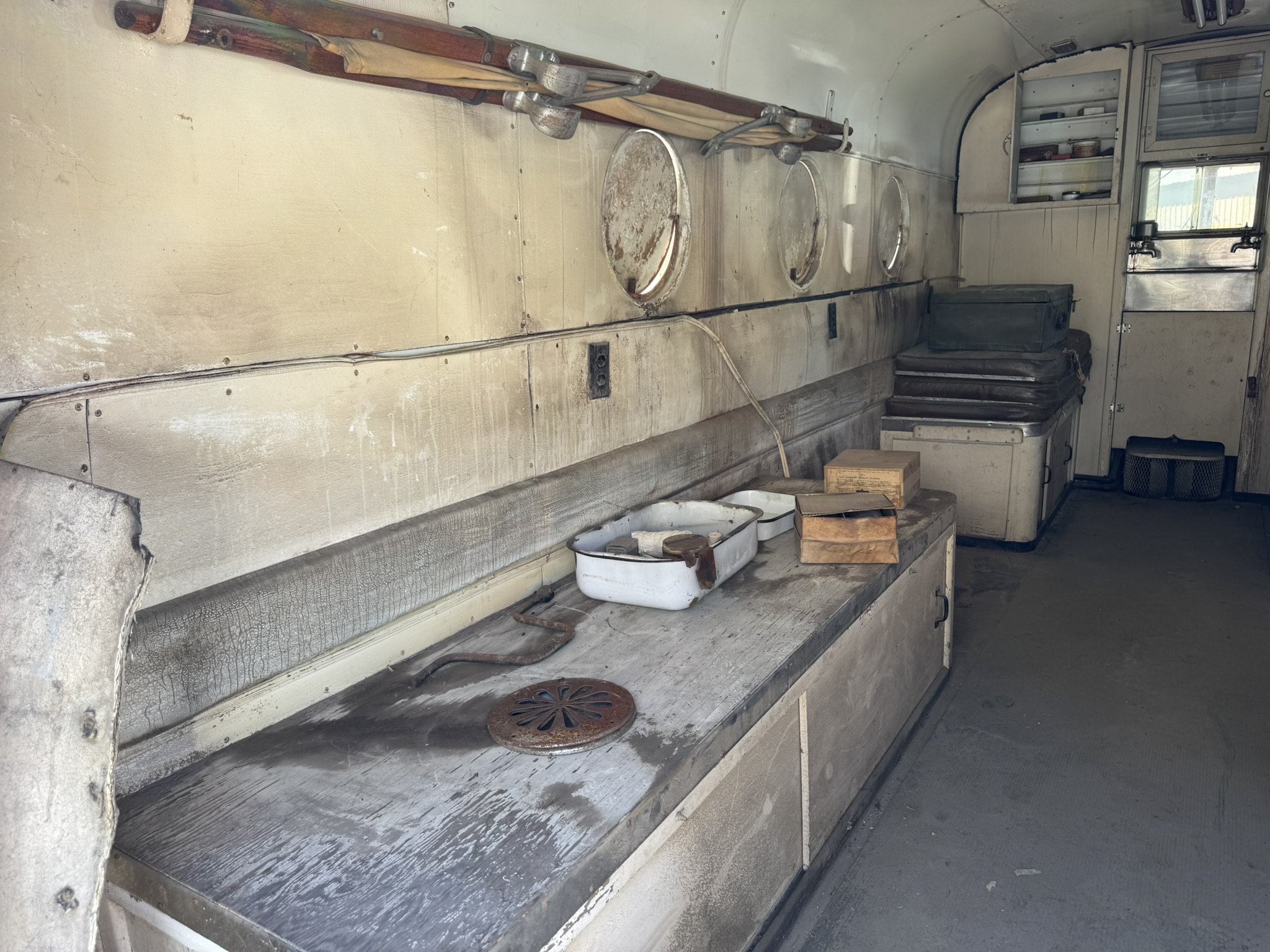
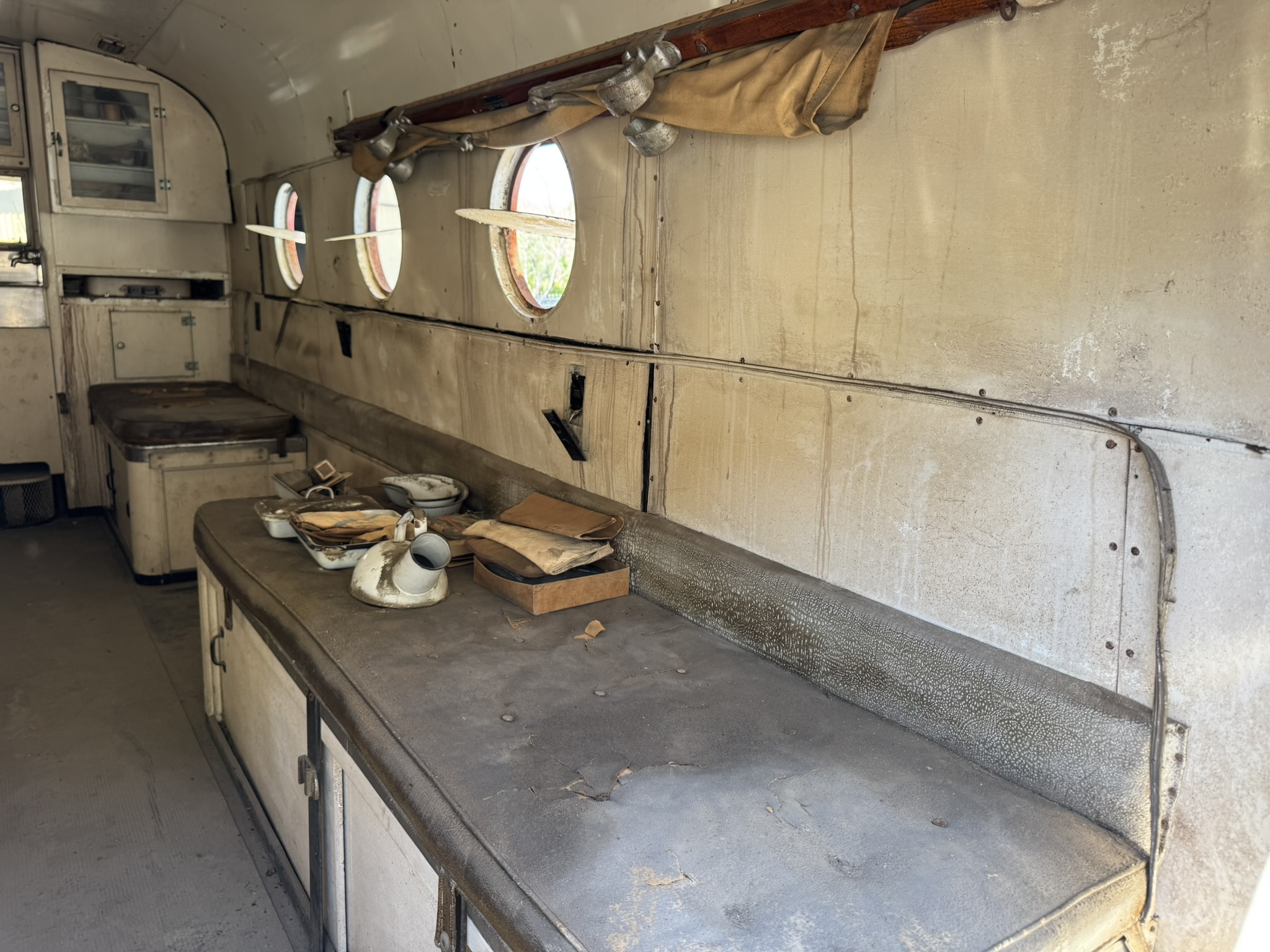
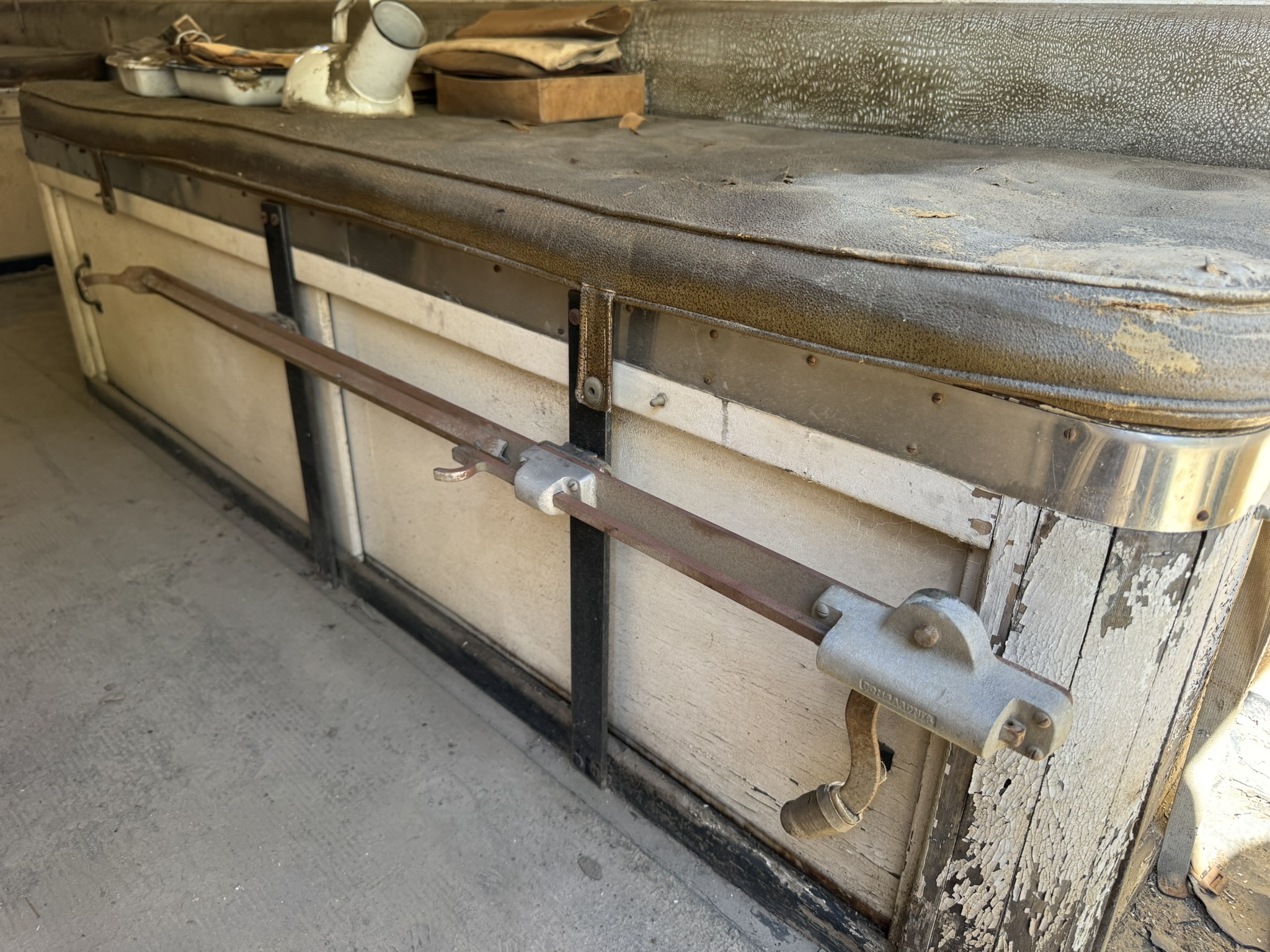
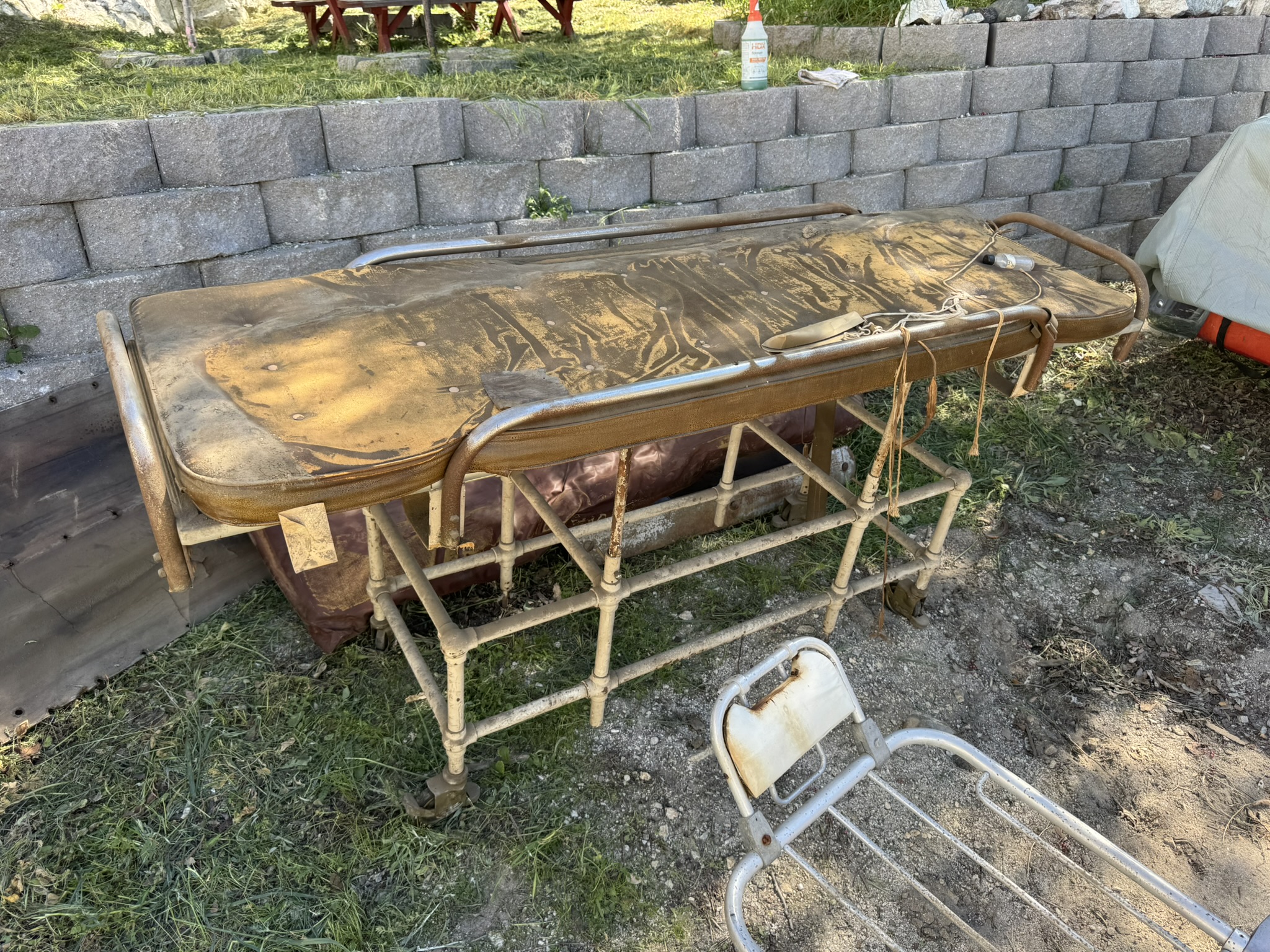
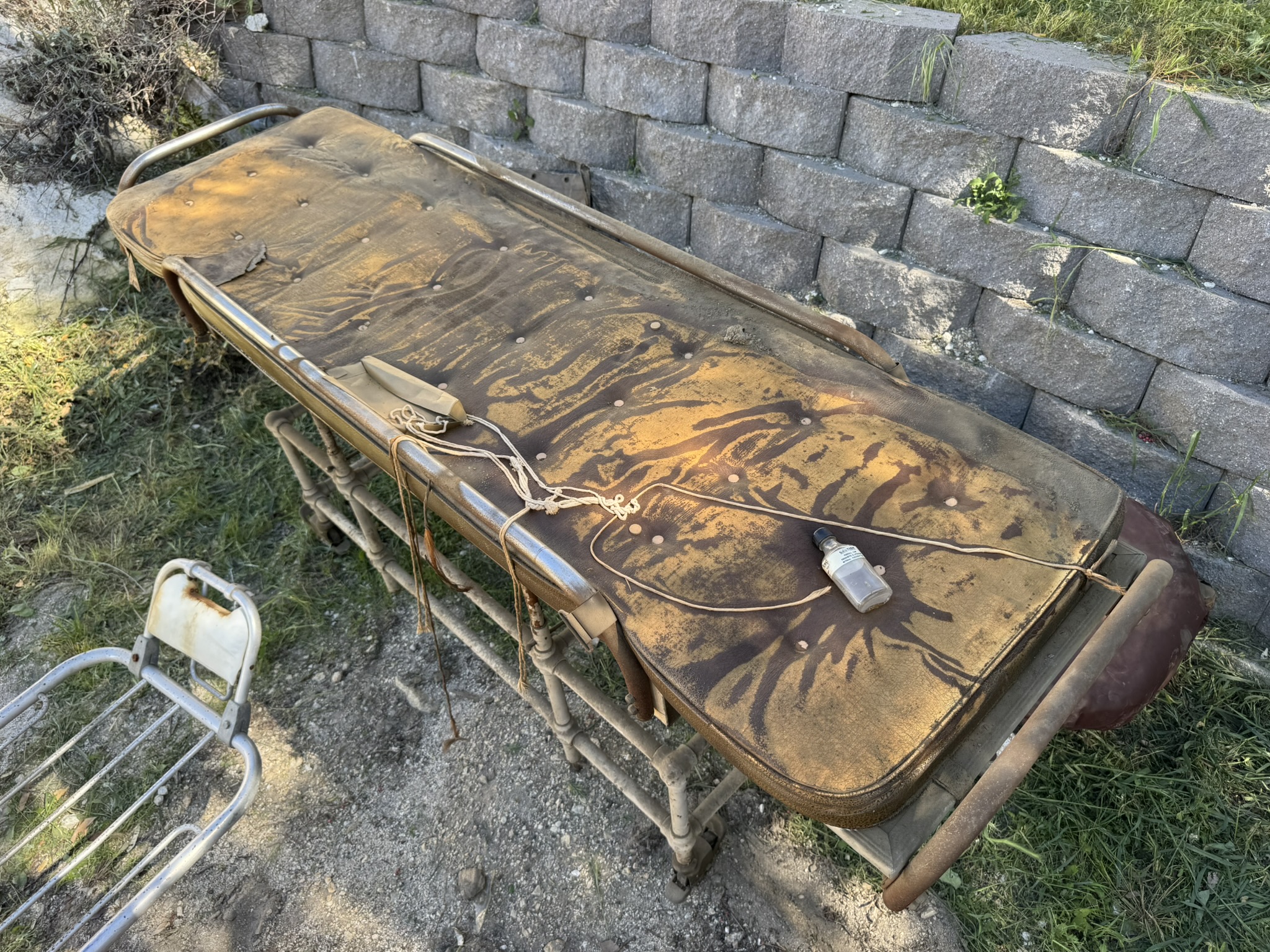
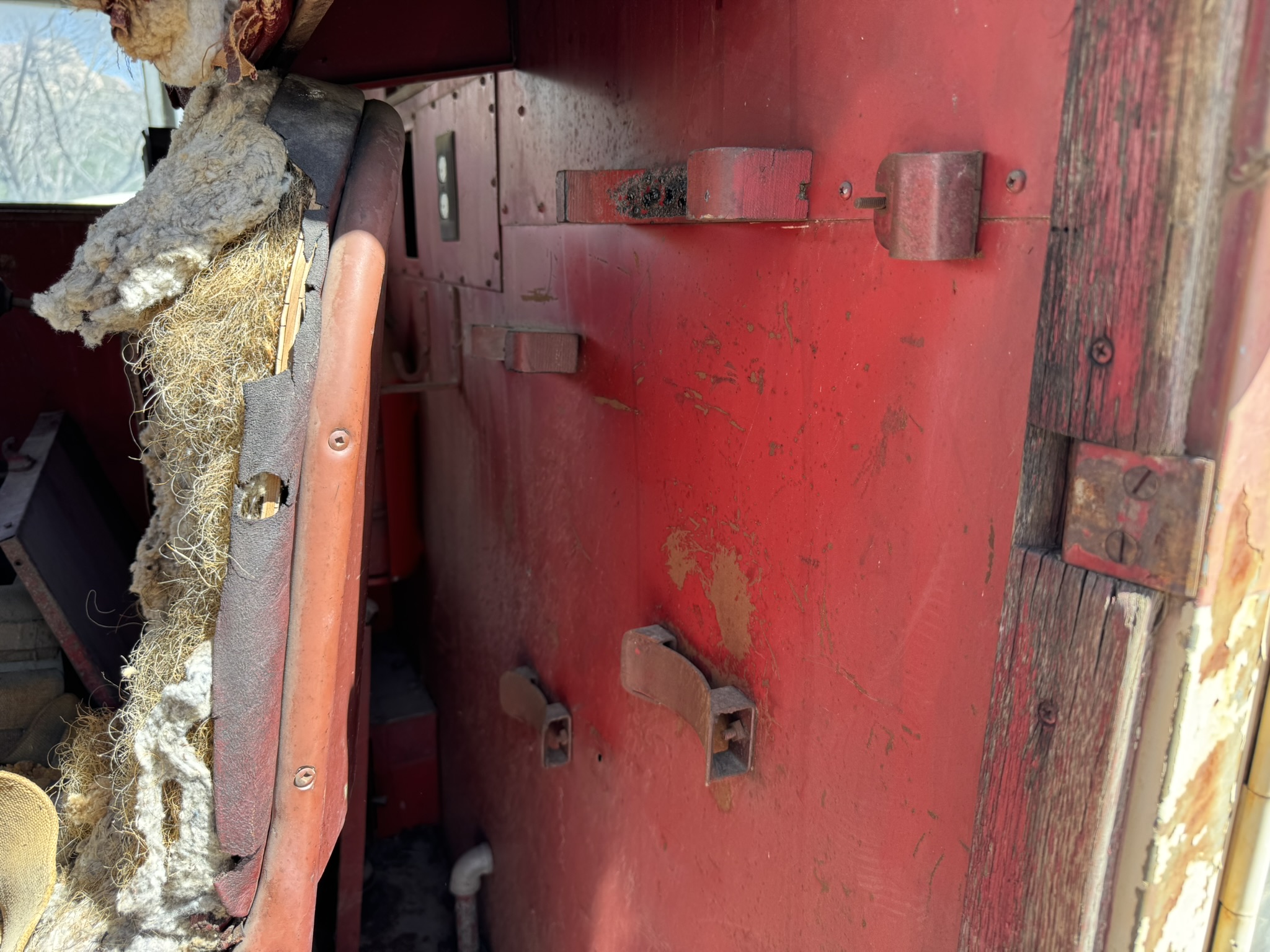
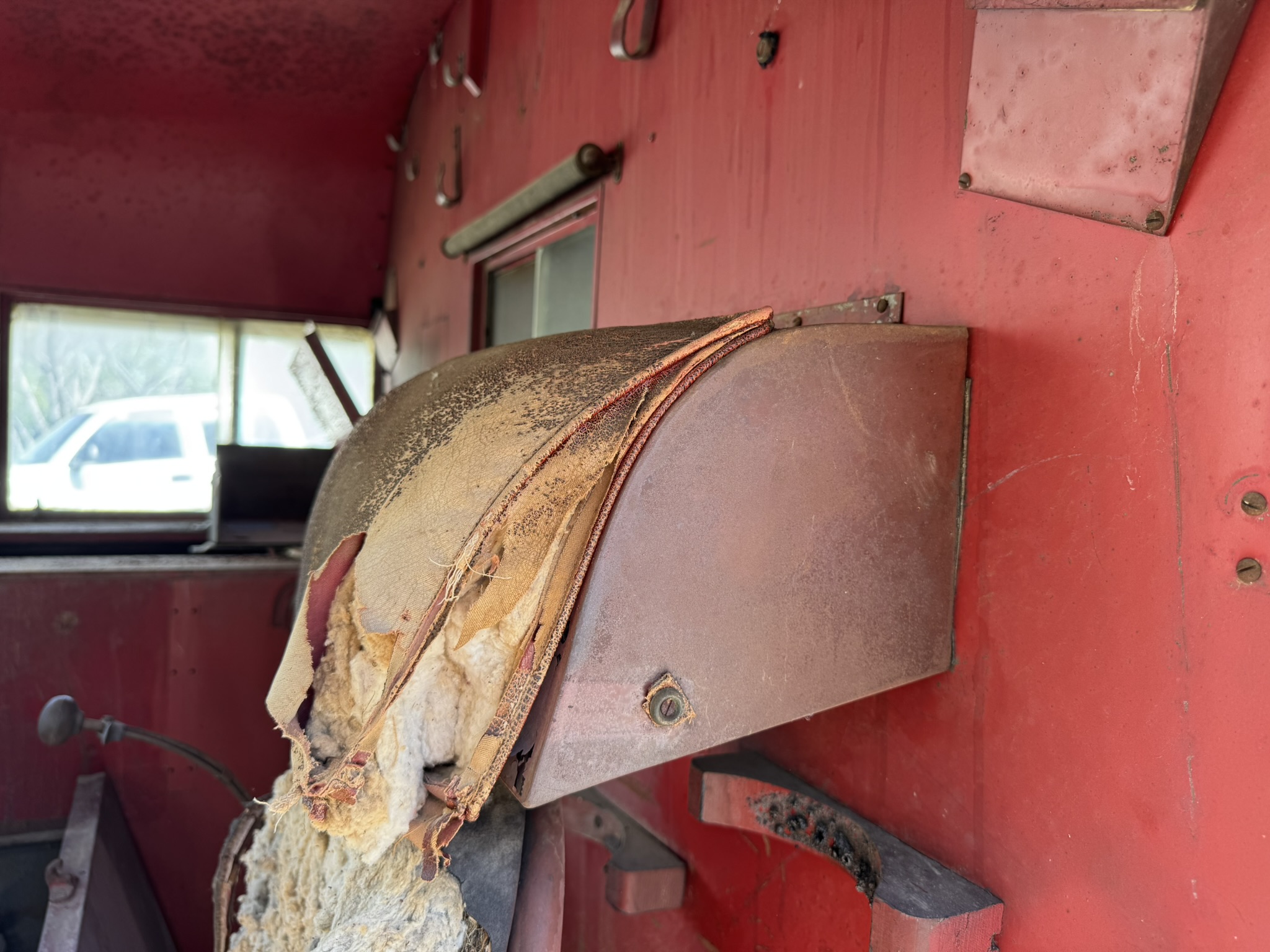
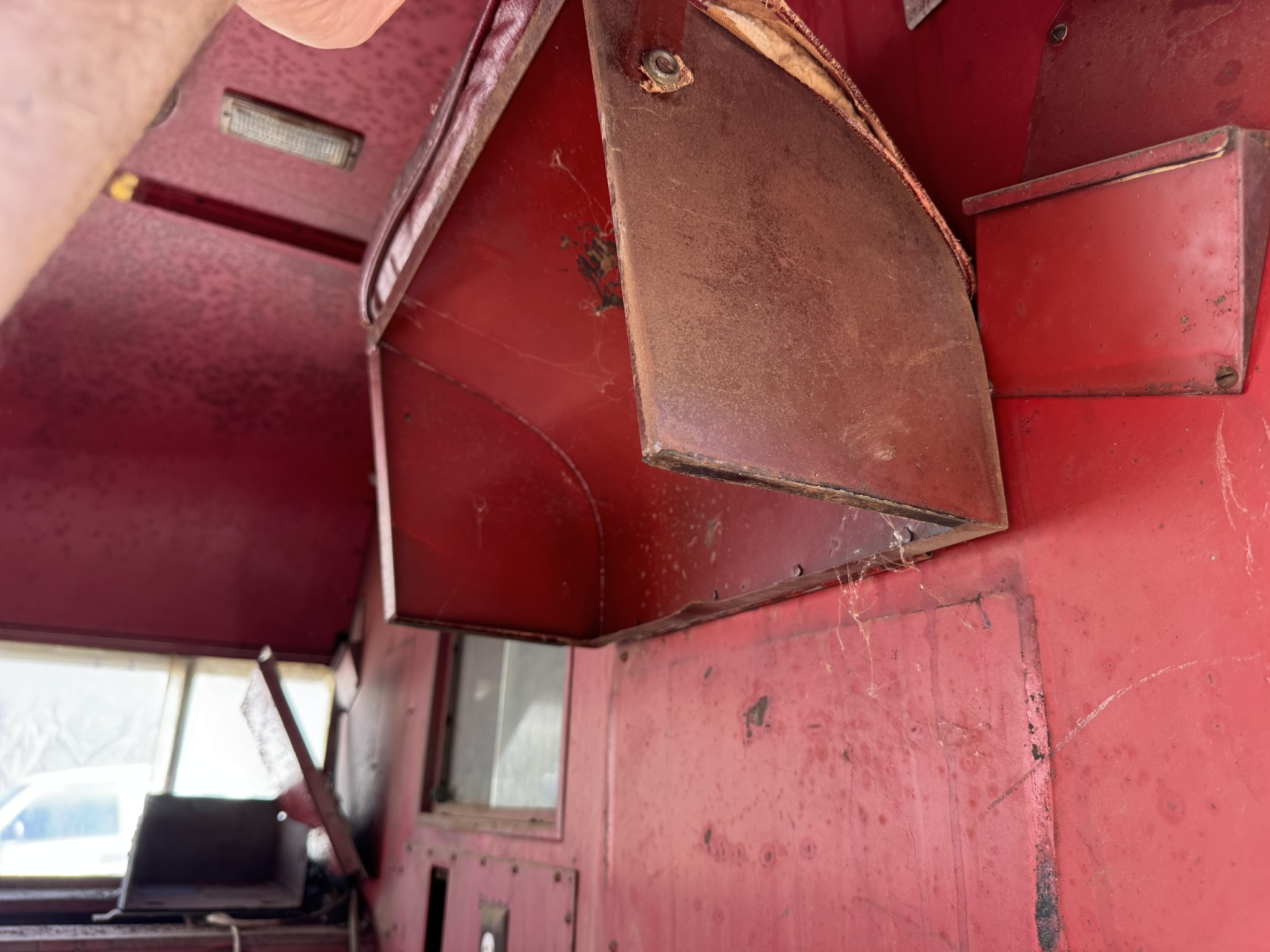
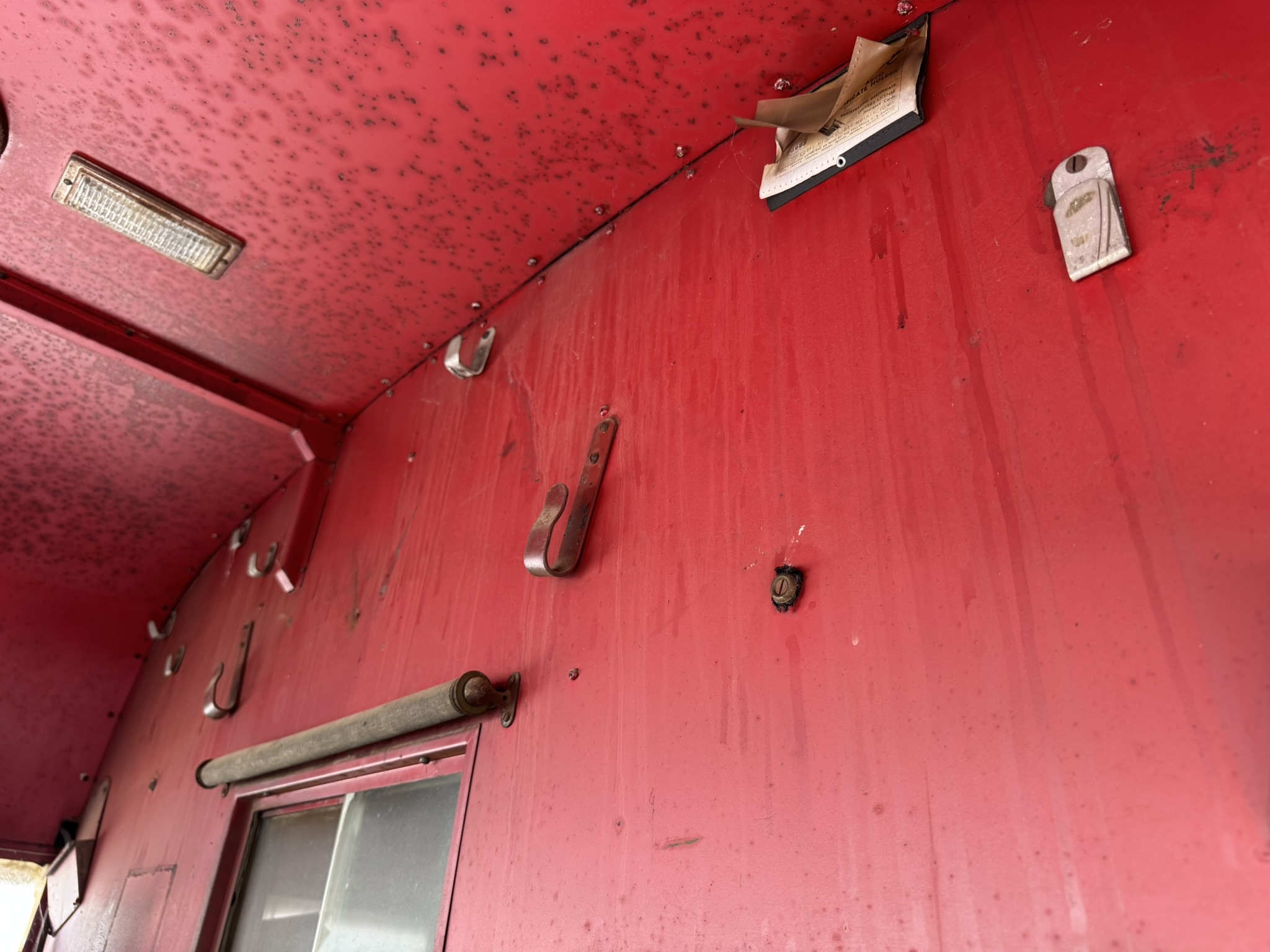
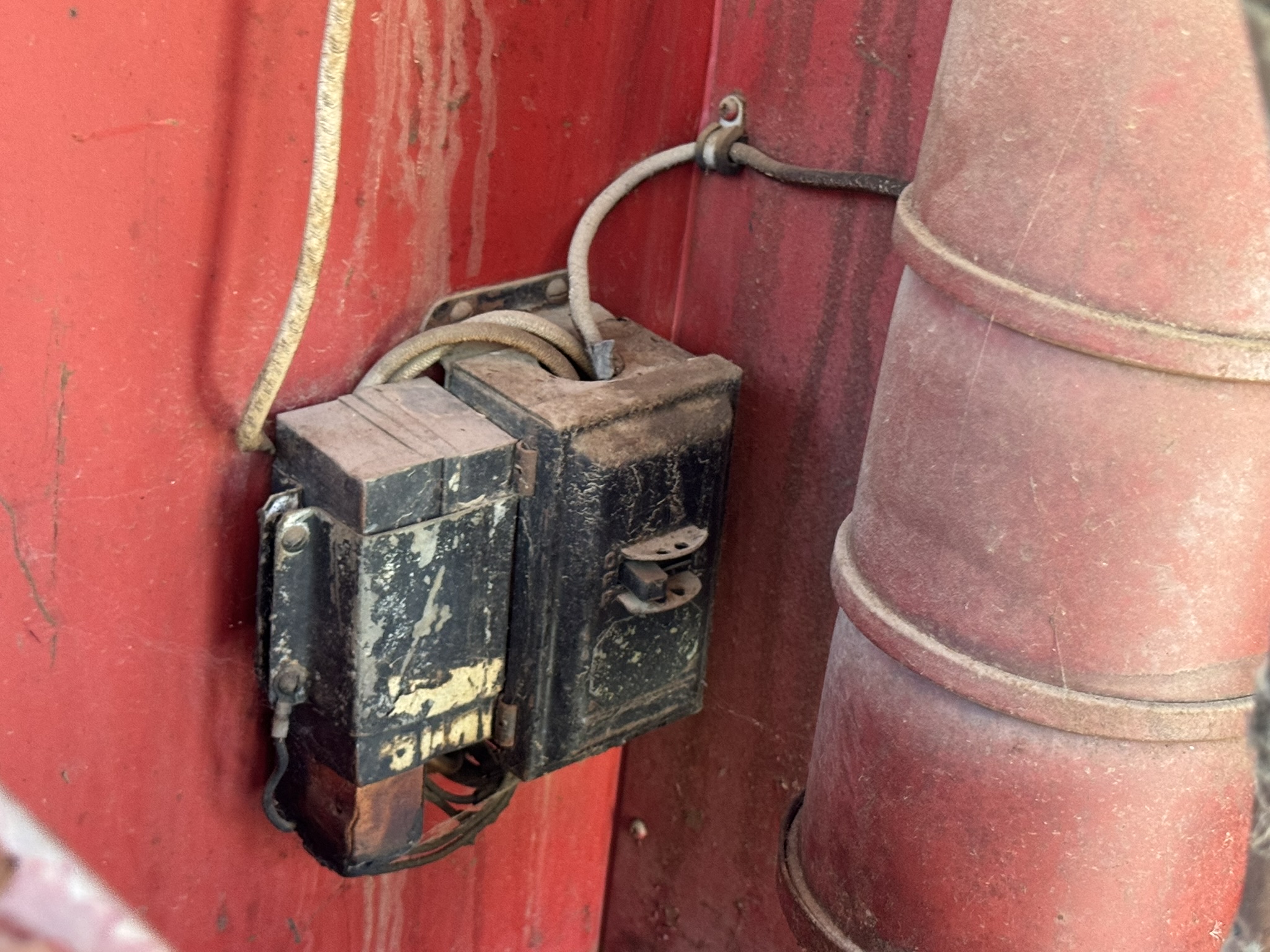
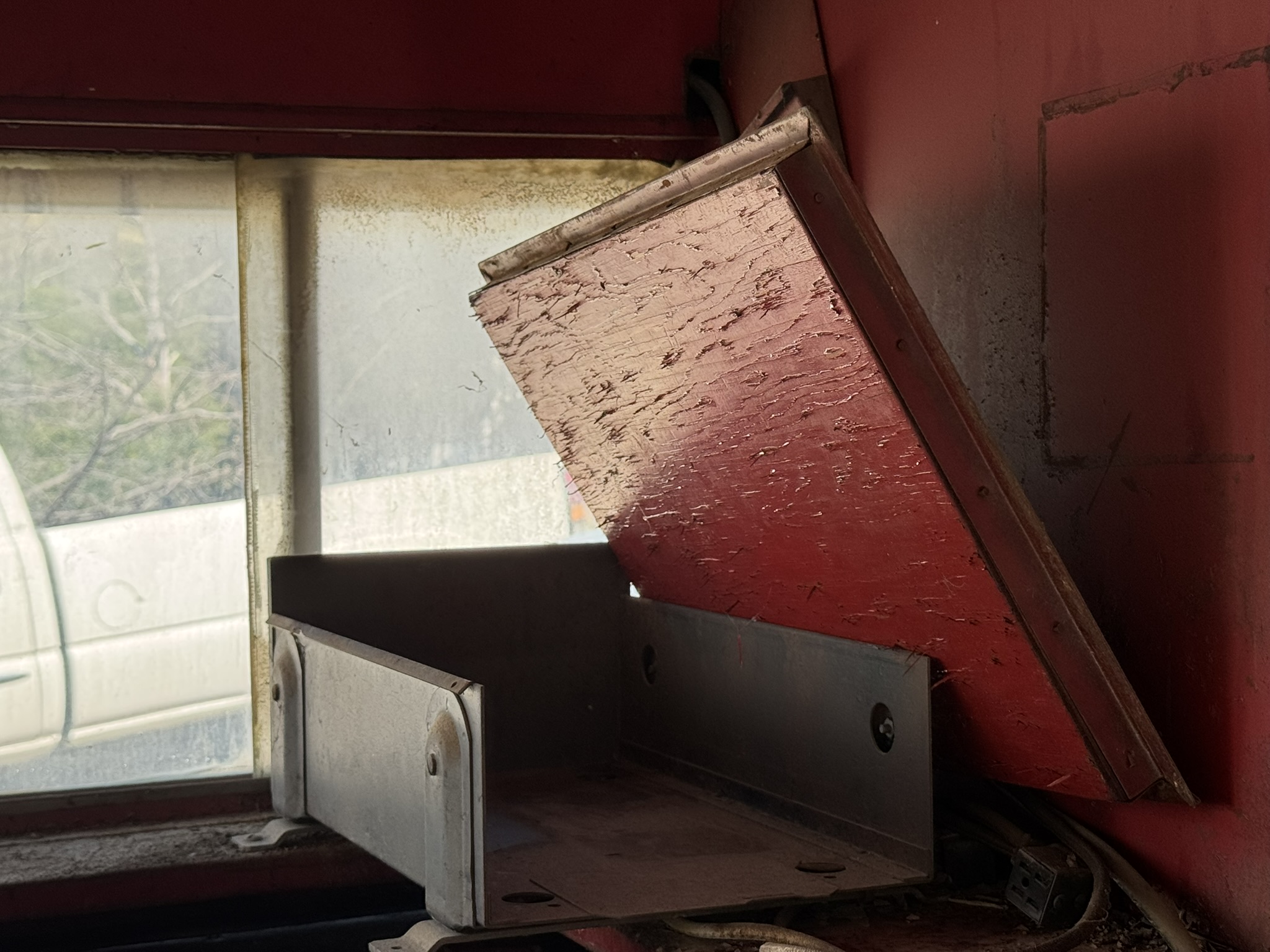
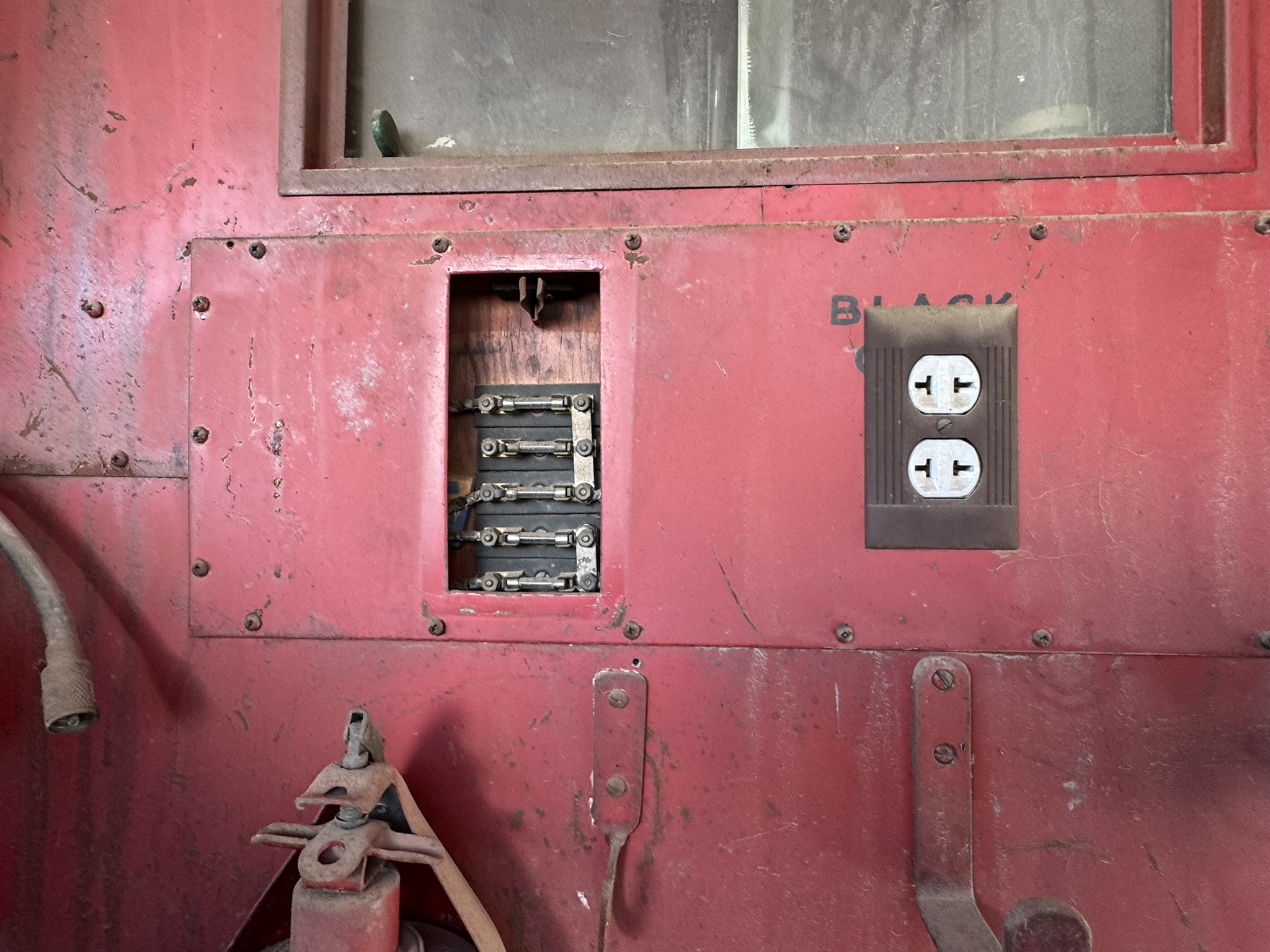
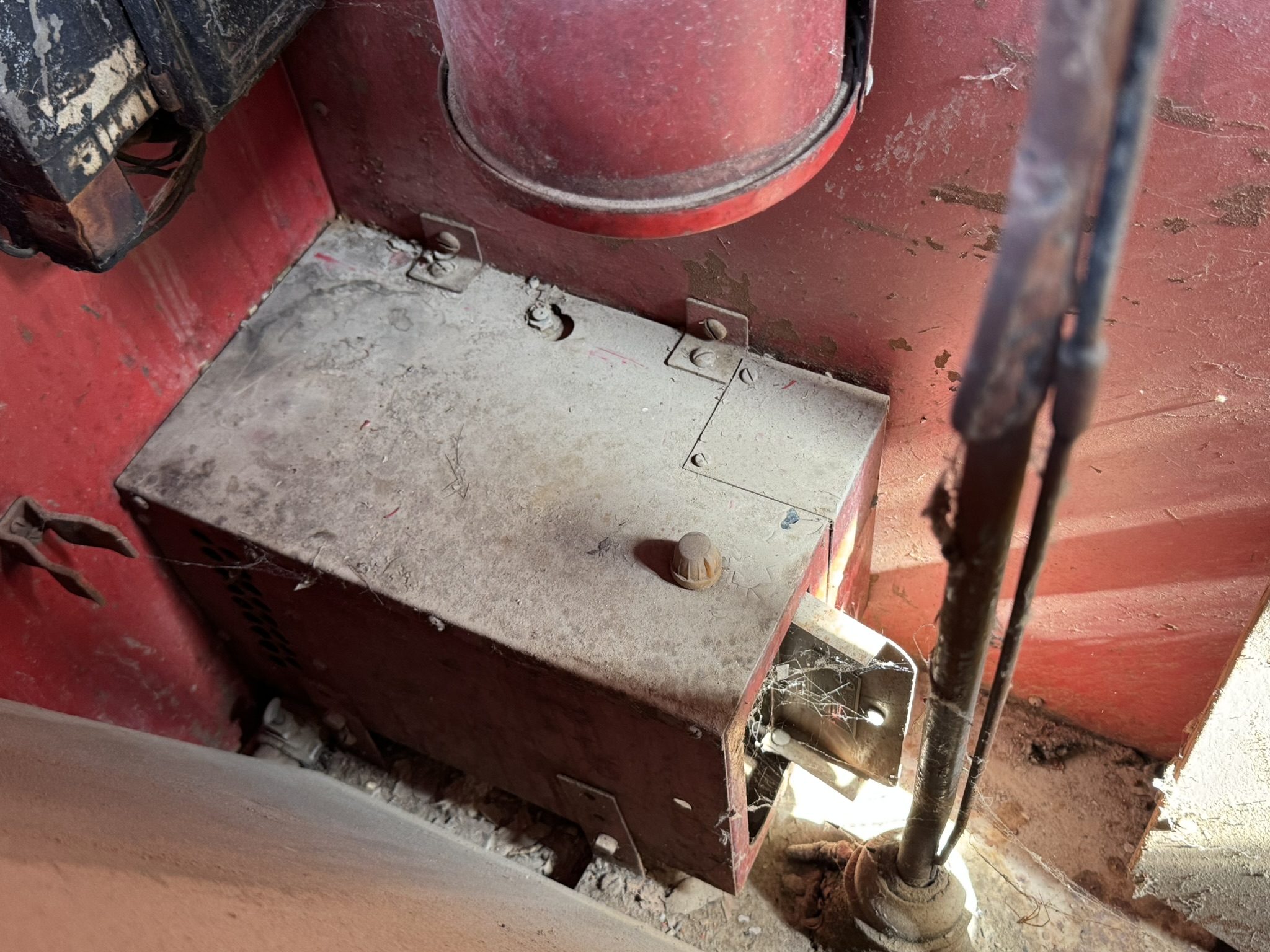
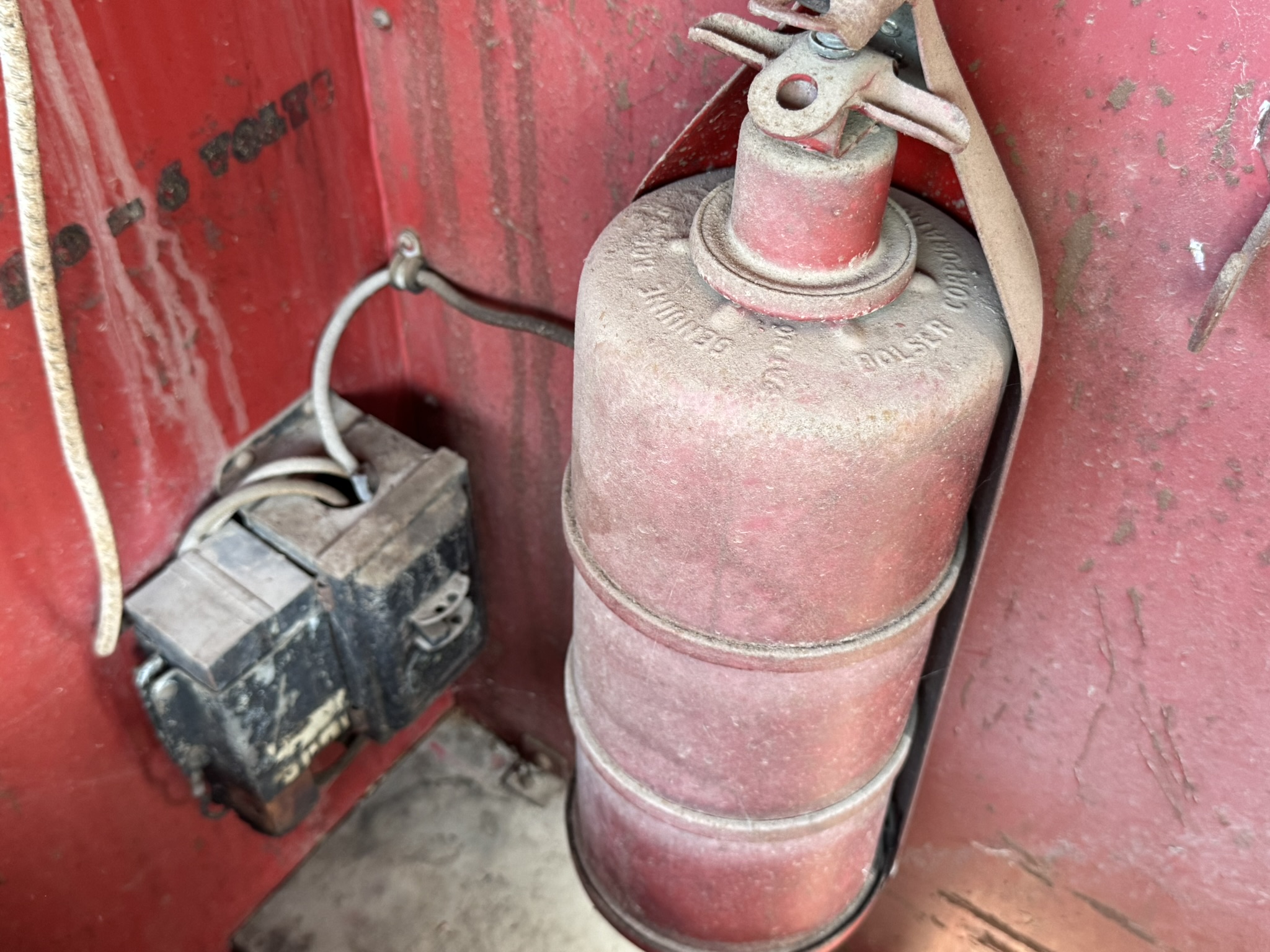
The medical bay is a fully equipped, self-contained treatment room. Stainless steel dual-faucet sink, cleaned up to a bright shine. Six 110-volt power outlets fed by the onboard PTO-driven generator. Fluorescent lighting throughout. Three stretchers and gurneys. Fabric field carriers for moving casualties from point of injury to the vehicle. All cabinet doors, covers, and panels are present. The wood cabinetwork is in usable condition, solid and not compromised. The medical supplies were left exactly as they were on the last day of service. Johnson and Johnson gauze pads still sealed in original wrappers, perfect on the inside. Medicine bottles, some used and some not, with contents still present. Surgical instruments including scalpels and syringes. Two boxes of human plasma, one open-box with individually sealed cans and one box completely factory-sealed. The Casualty Record Book issued by the U.S. Office of Civilian Defense with the names, addresses, ailments, and attending physicians of actual patients treated in this vehicle. This is a primary historical document of genuine archival value and it stays with the vehicle.
What You Need
Full Restoration: This vehicle deserves nothing less than a full and proper restoration across every dimension, including mechanical, structural, cosmetic, and historical. The time capsule contents need professional conservation. Given that this is the only one of its kind remaining in the world, the Bigelow Foundation's hope is that it receives a thorough and correct restoration rather than a custom build, though what you do with it is ultimately yours to decide.
Drivetrain & Chassis: The engine has not been started and no attempt has been made. A full carburetor rebuild, fresh fuel, coolant service, and ignition inspection are the starting points. The good news is that nothing about this drivetrain is a mystery. Parts are plentiful, knowledge is abundant, and the fuel pump response to battery power is a promising baseline. All driveline fluids should be serviced. All bushings, shocks, and brakes should be overhauled. The generator system needs evaluation.
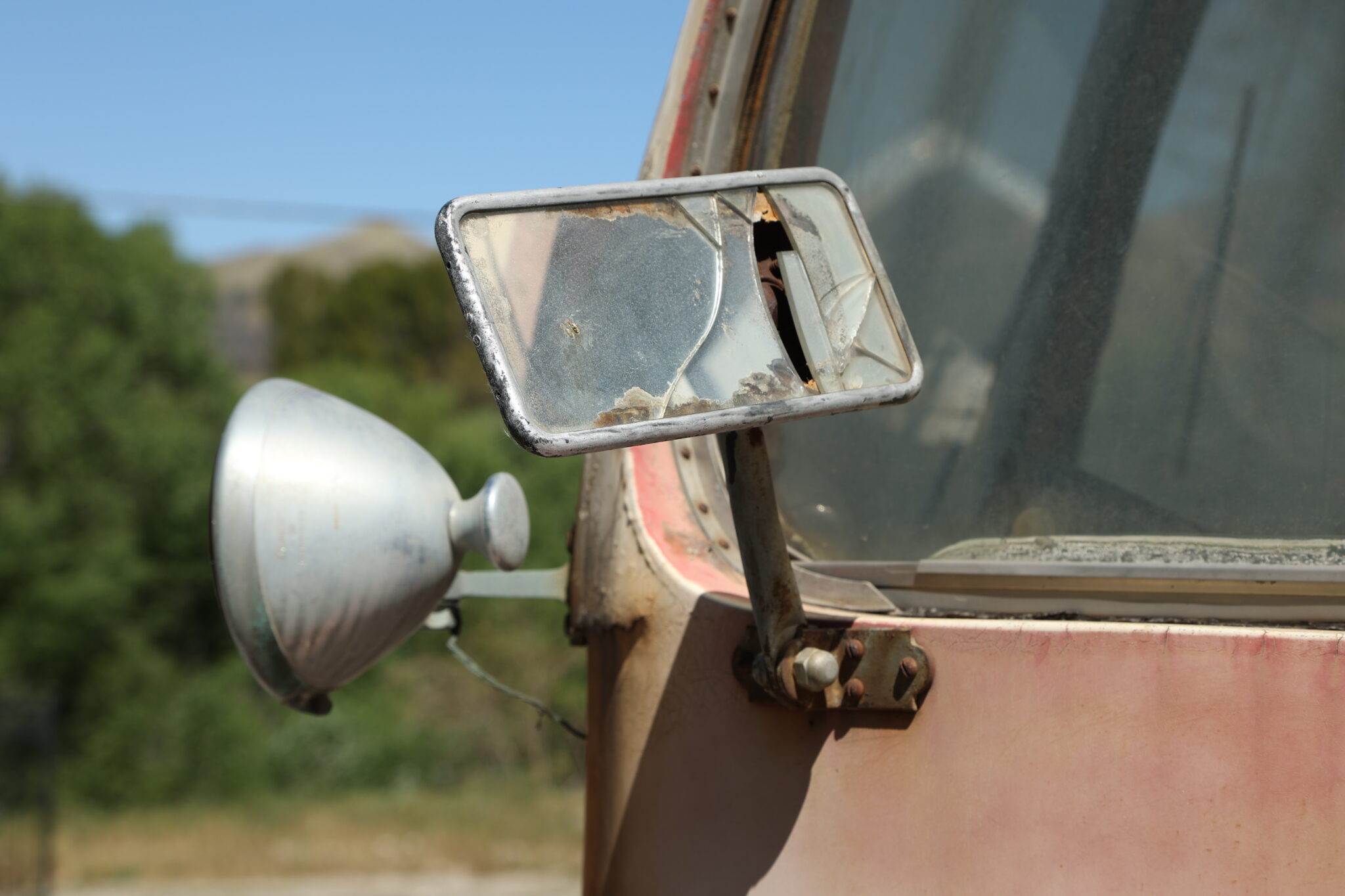
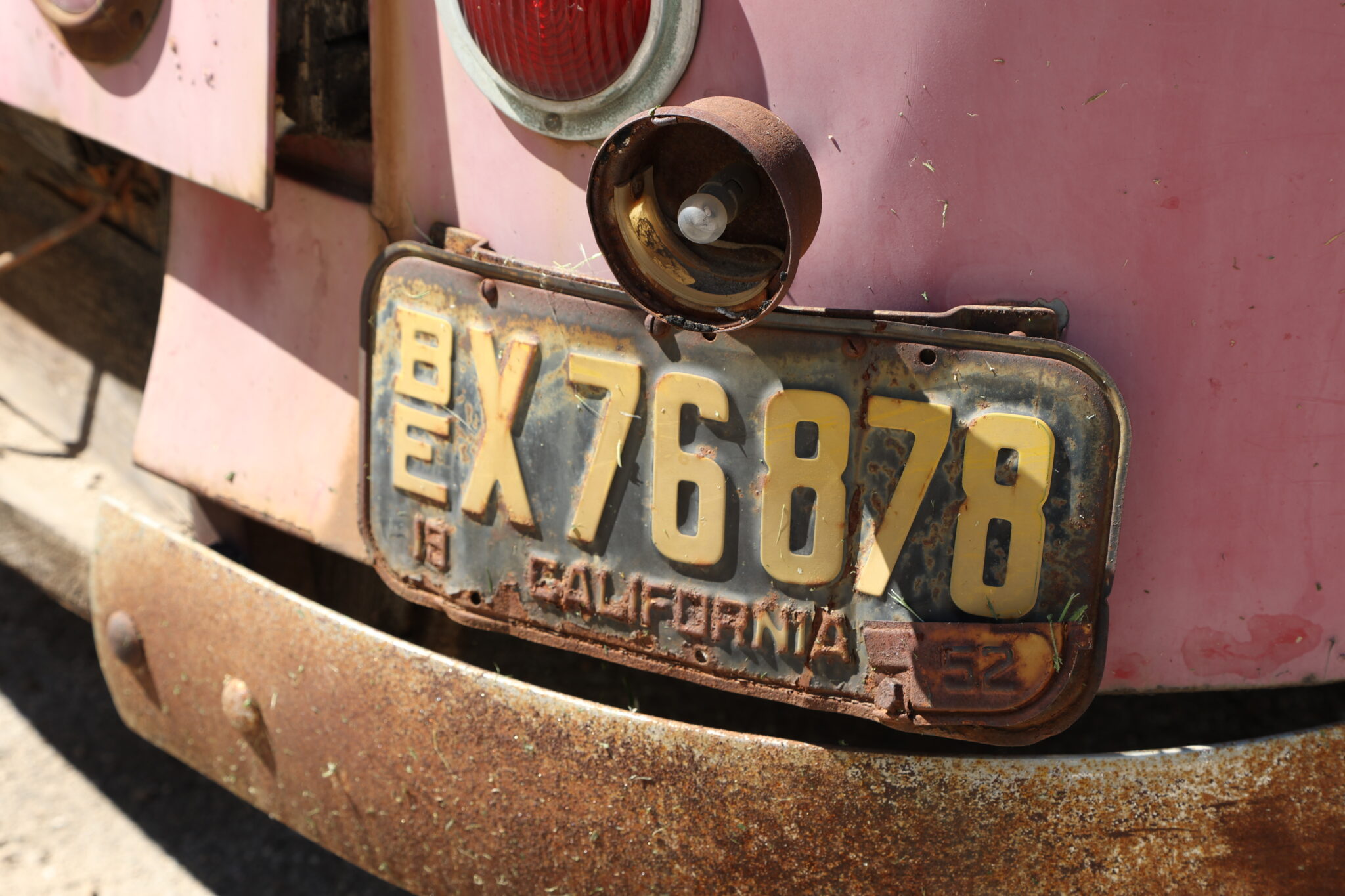
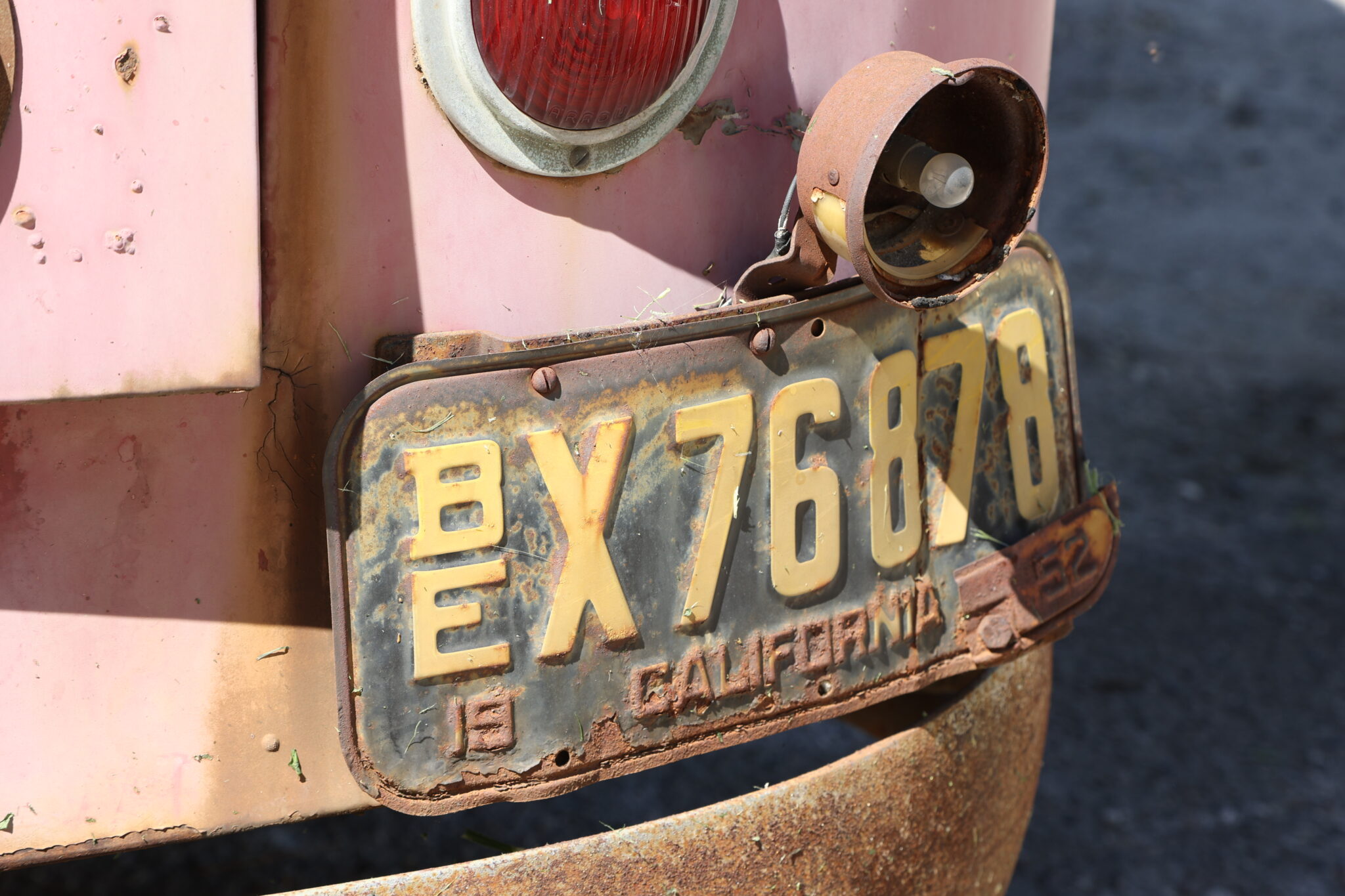
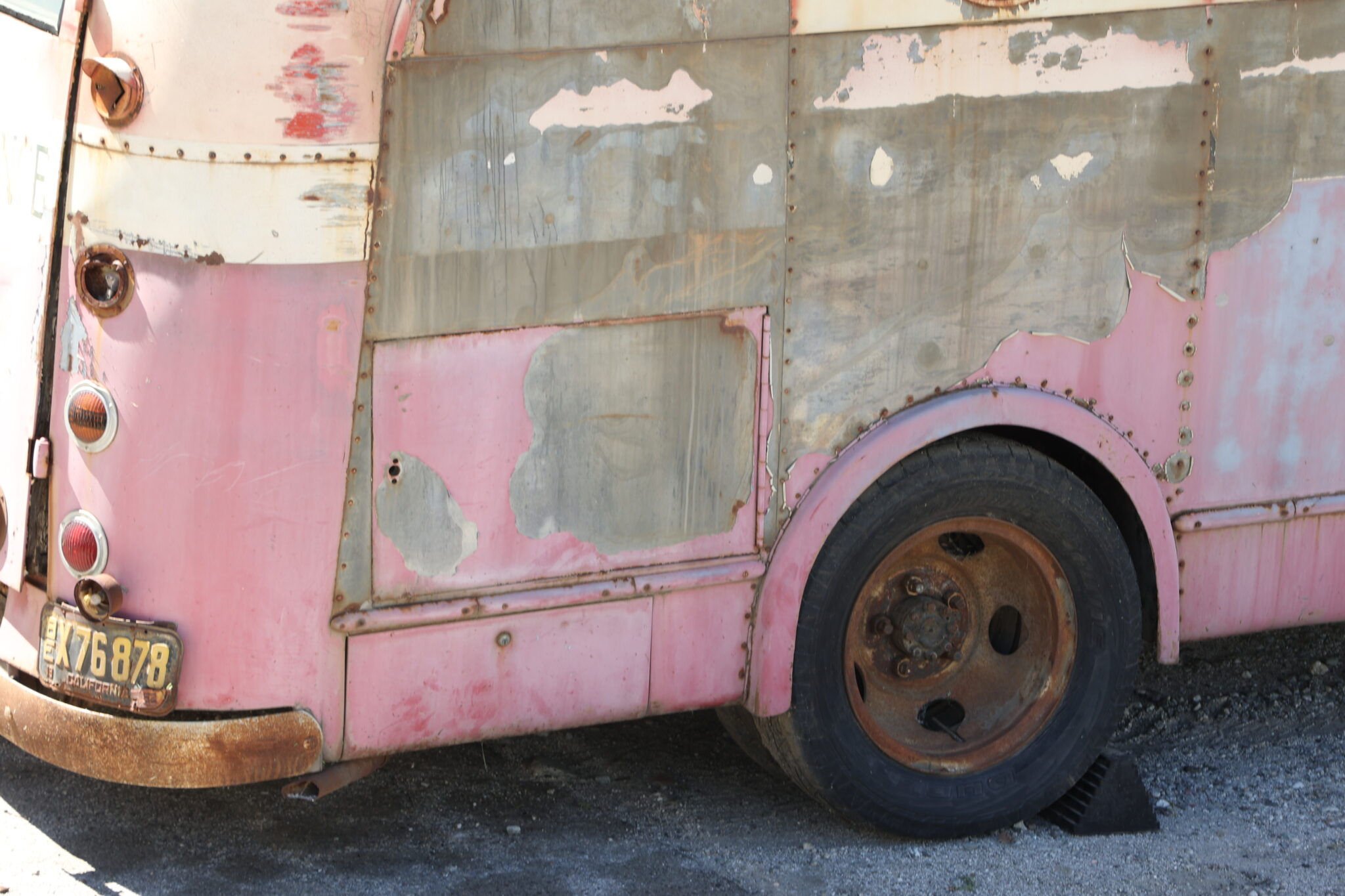
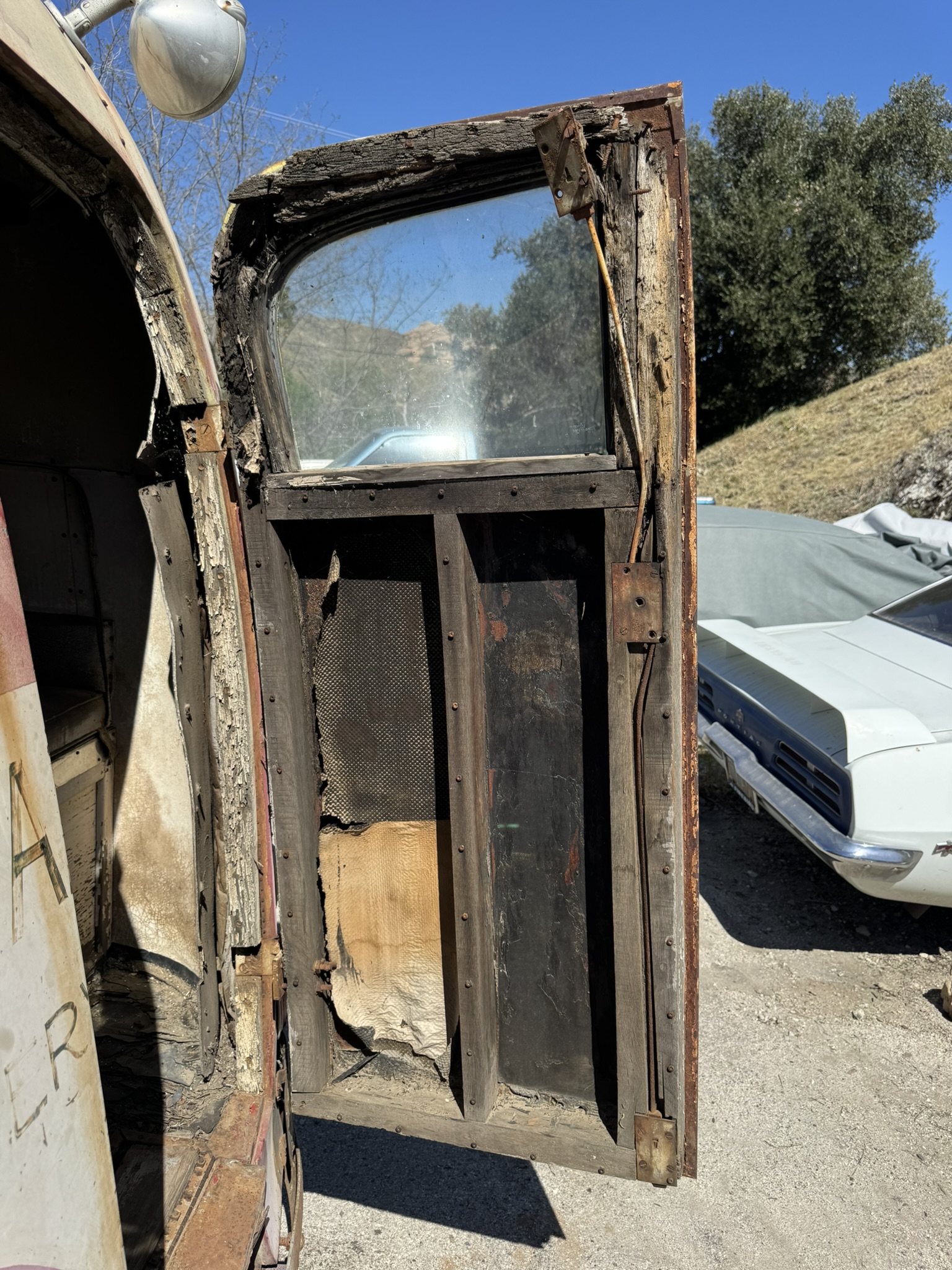
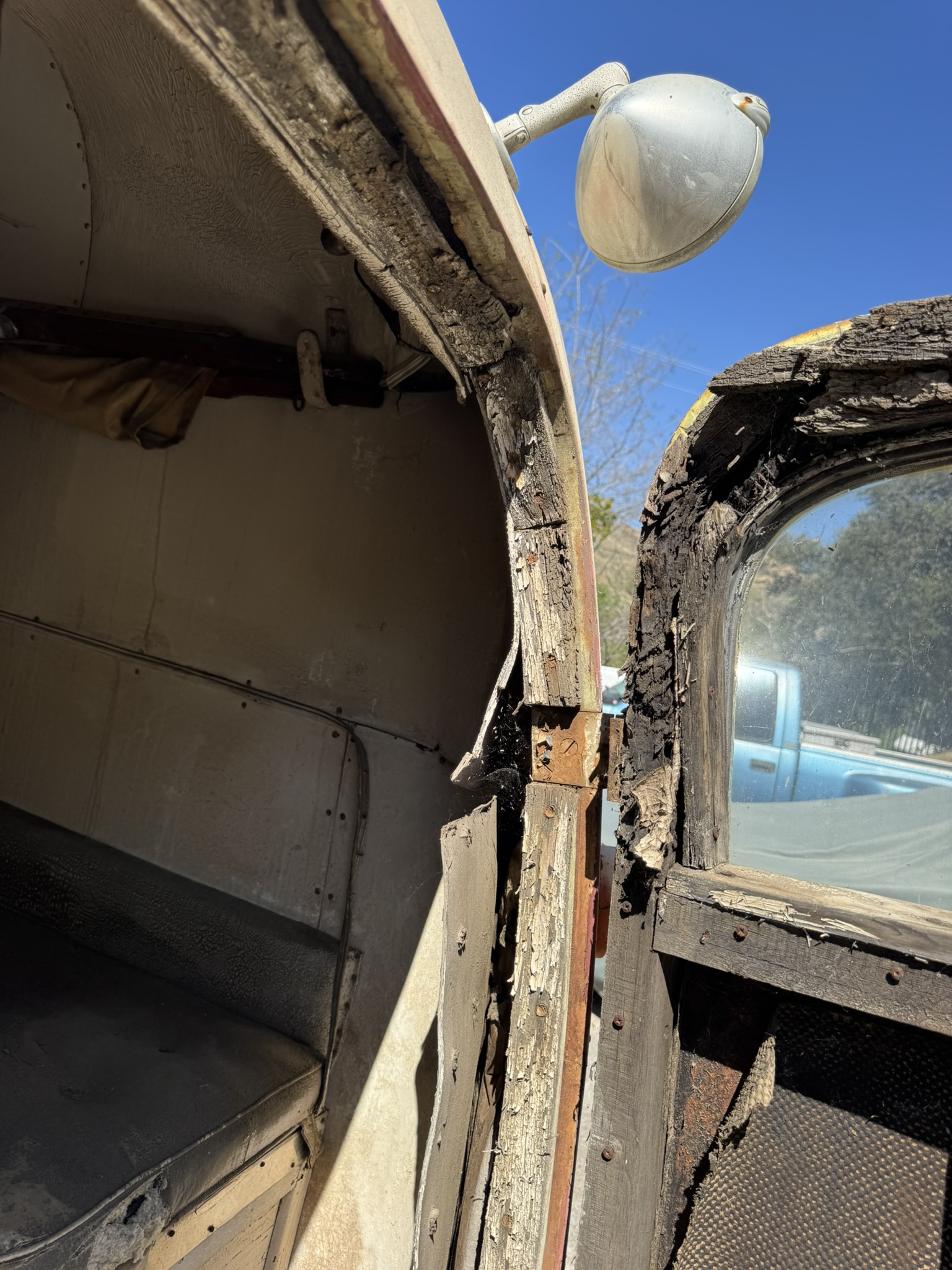
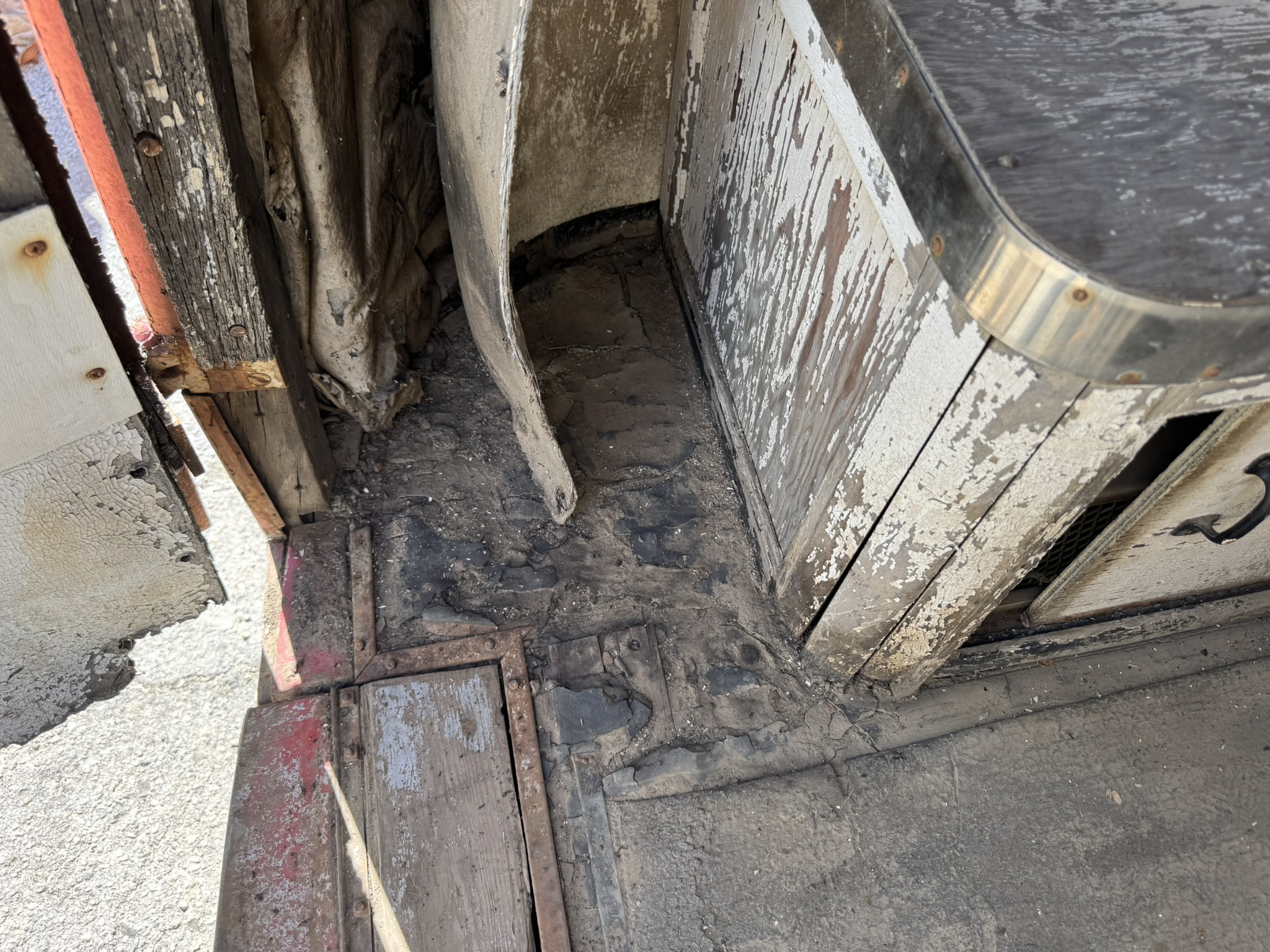
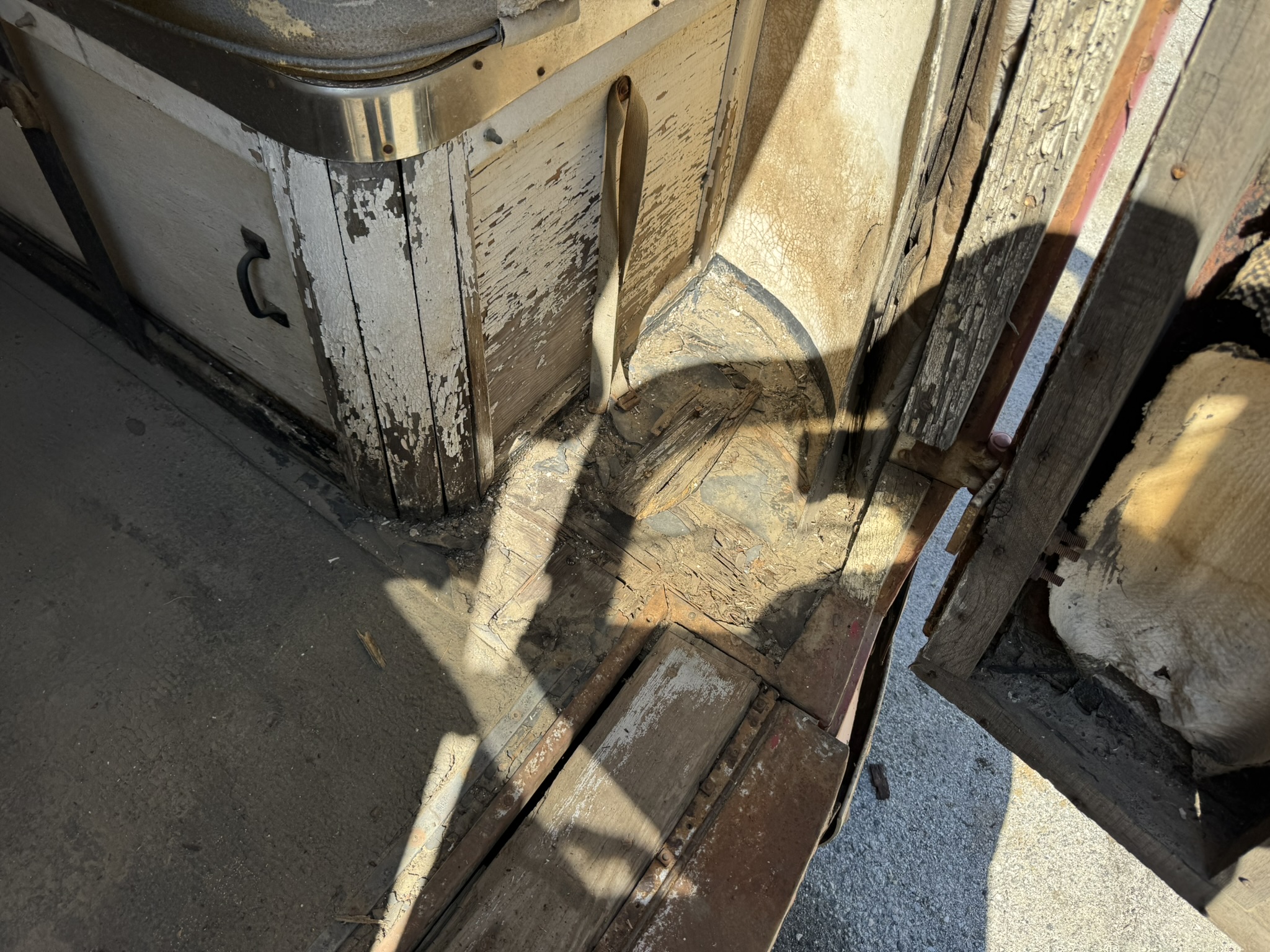
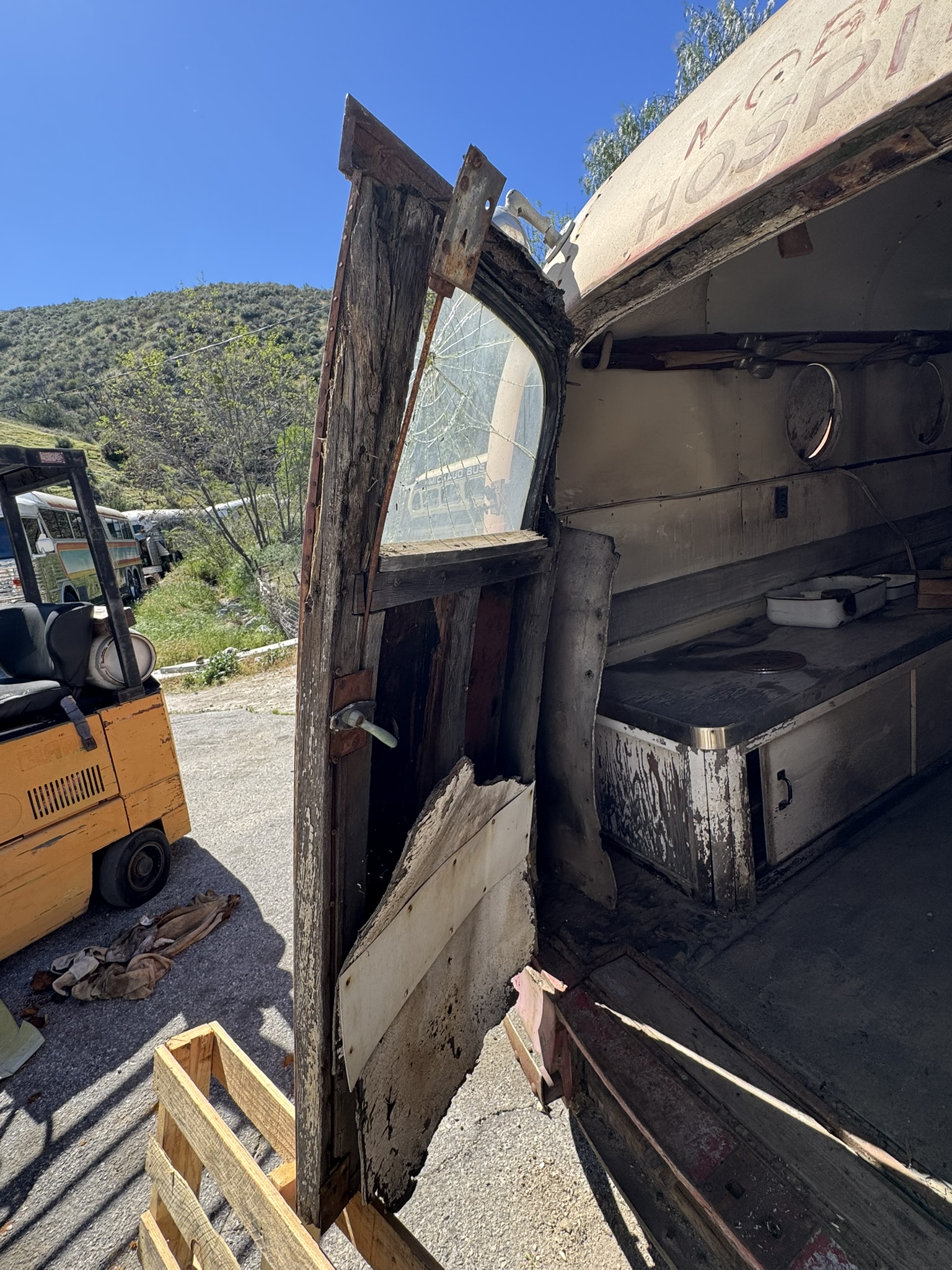
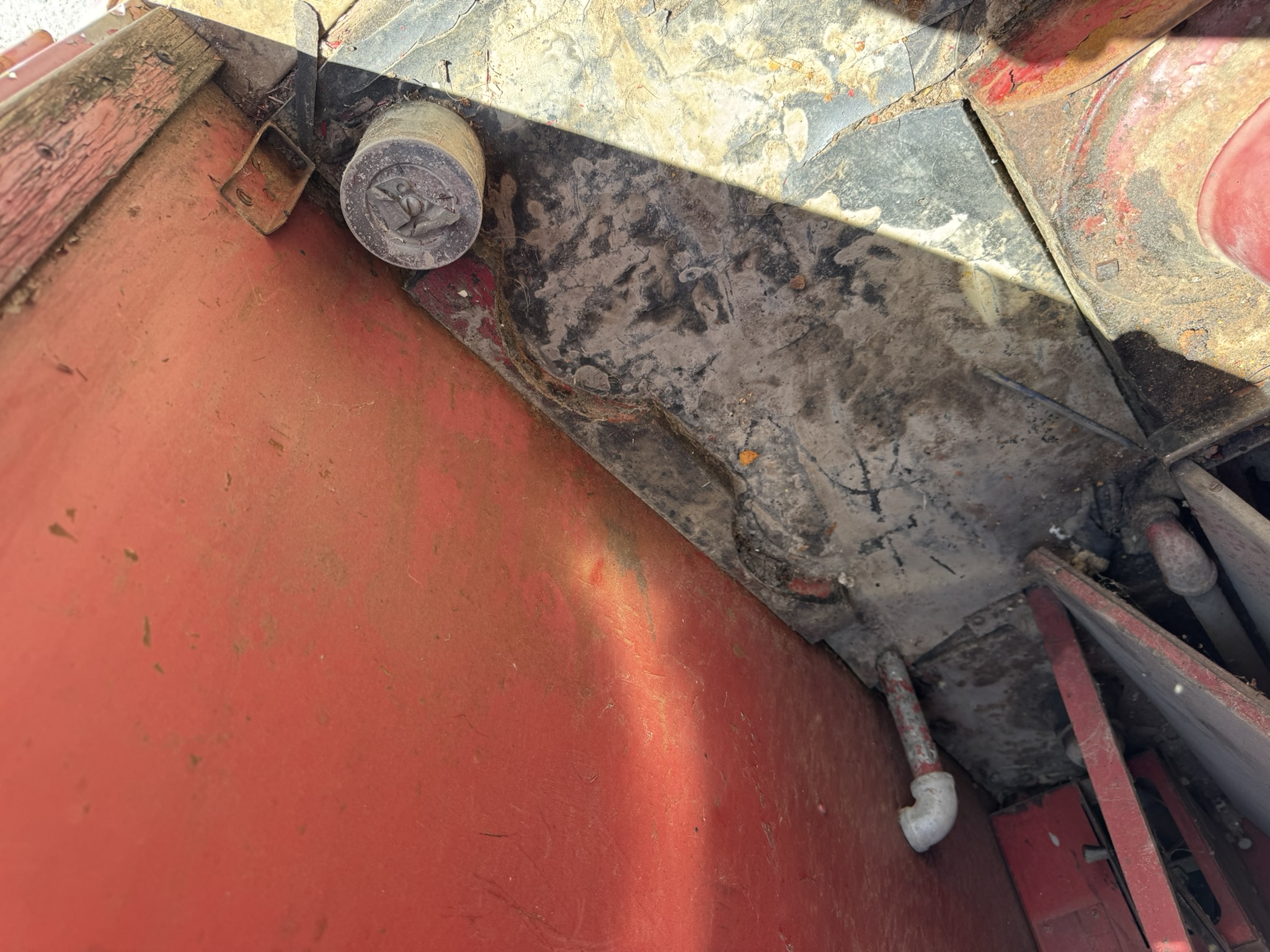
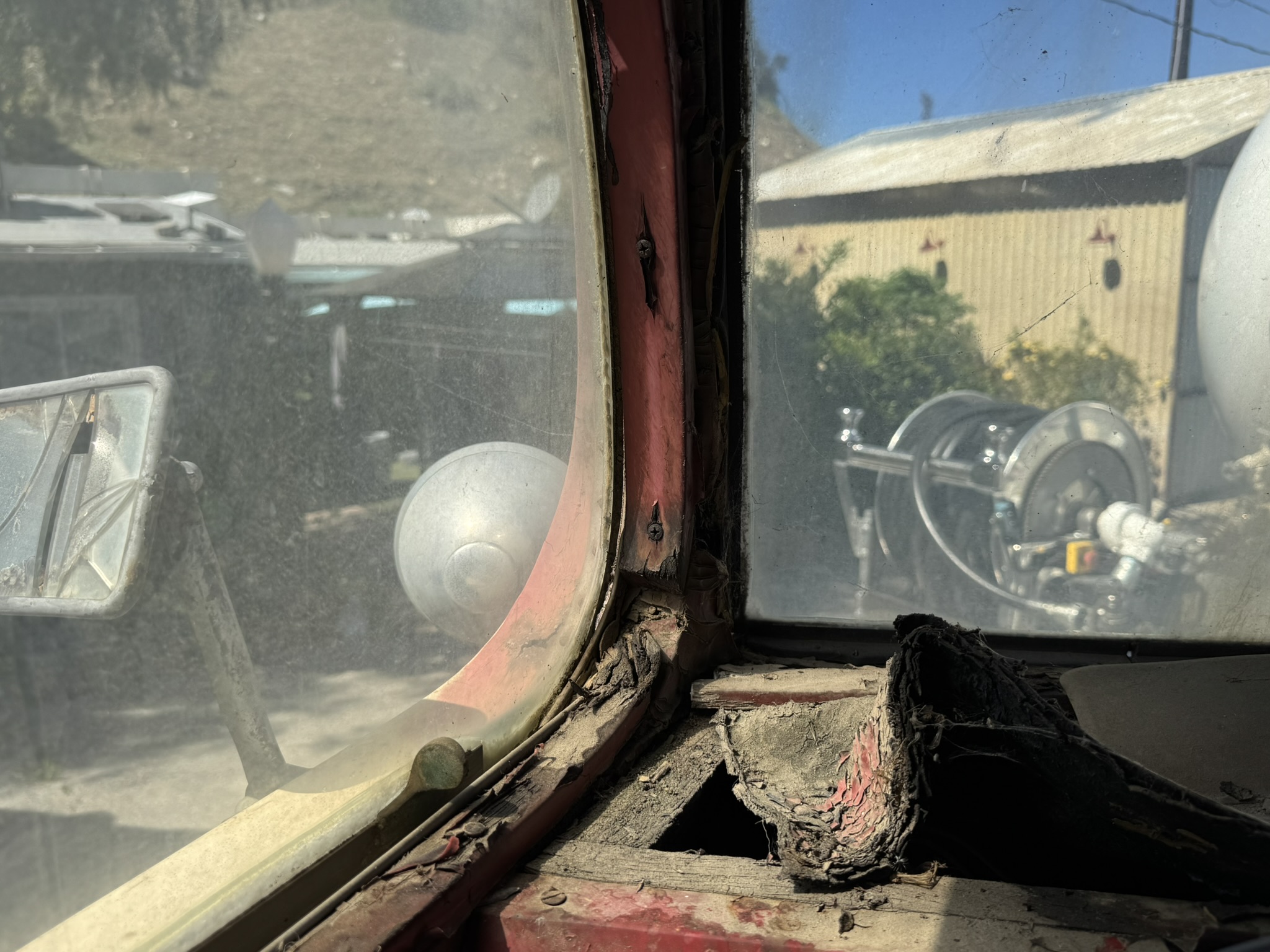
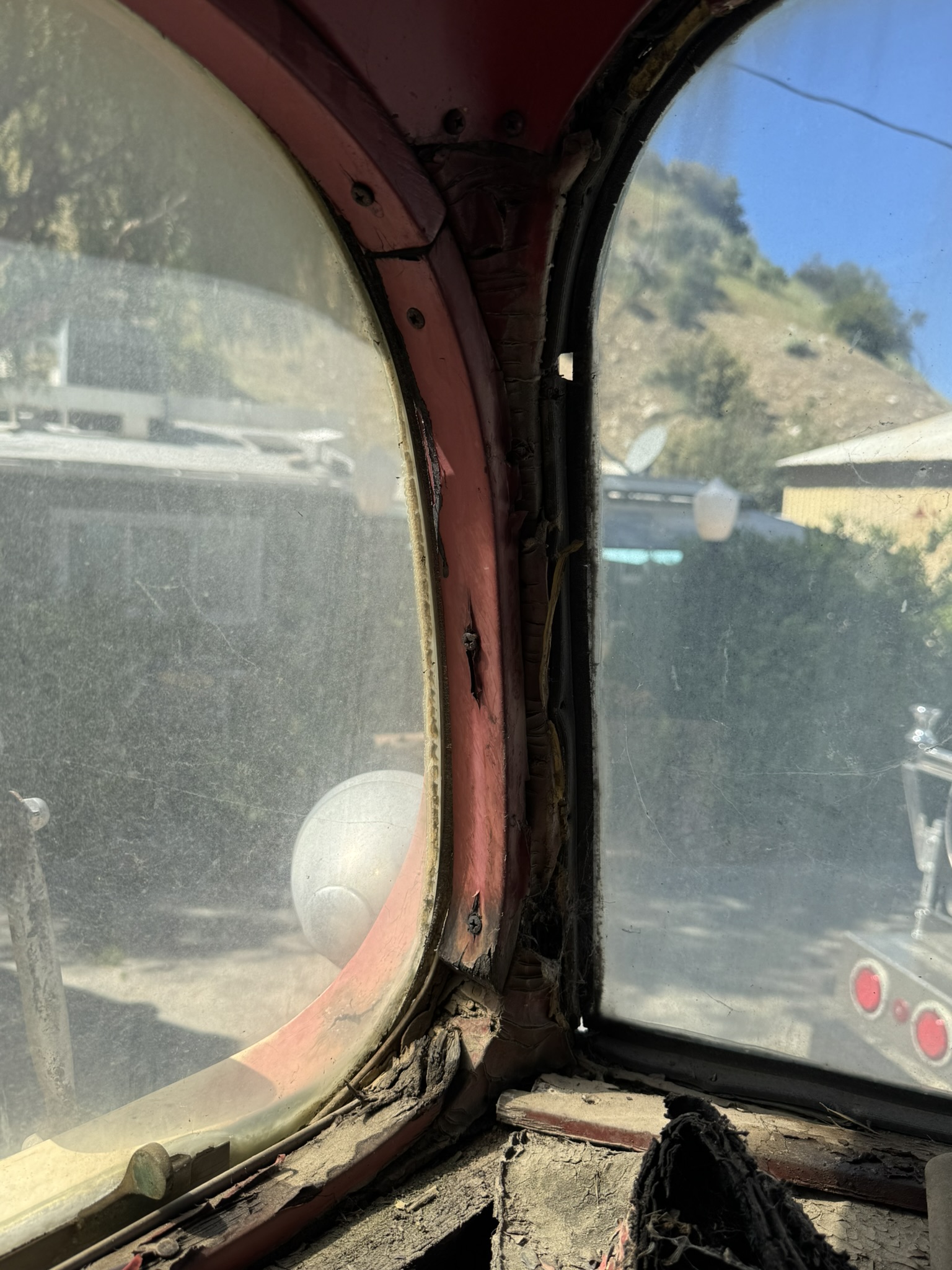
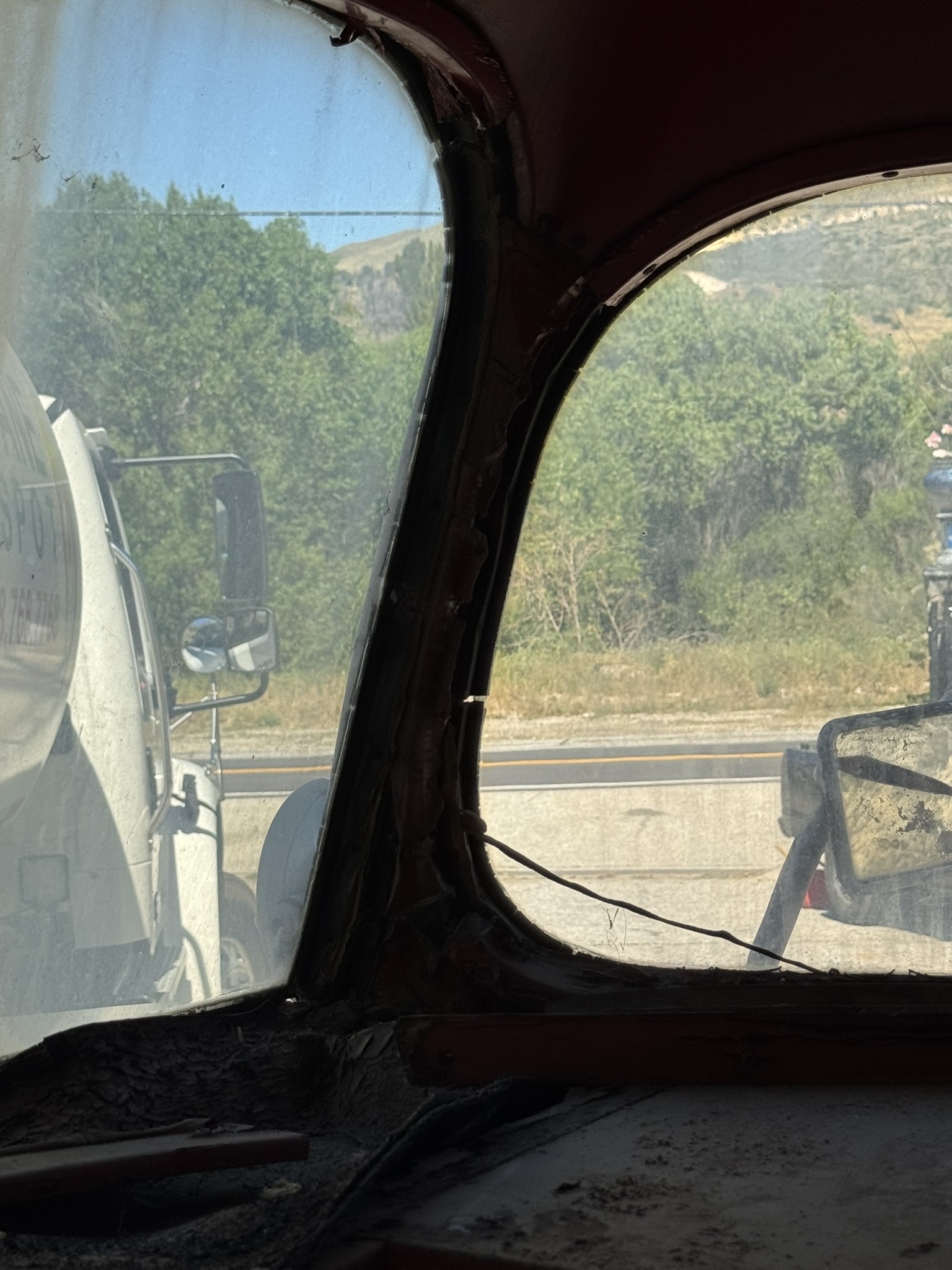
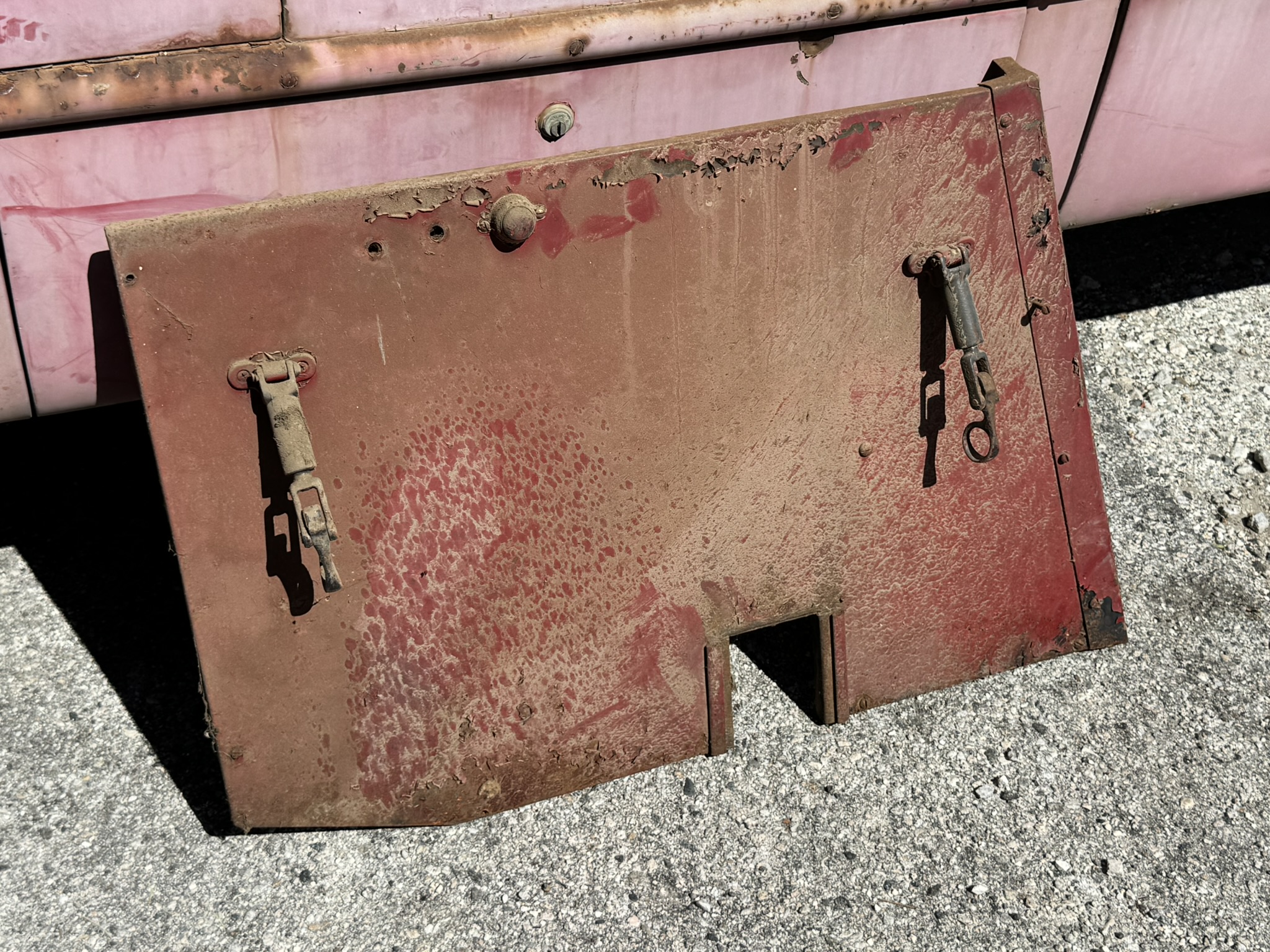
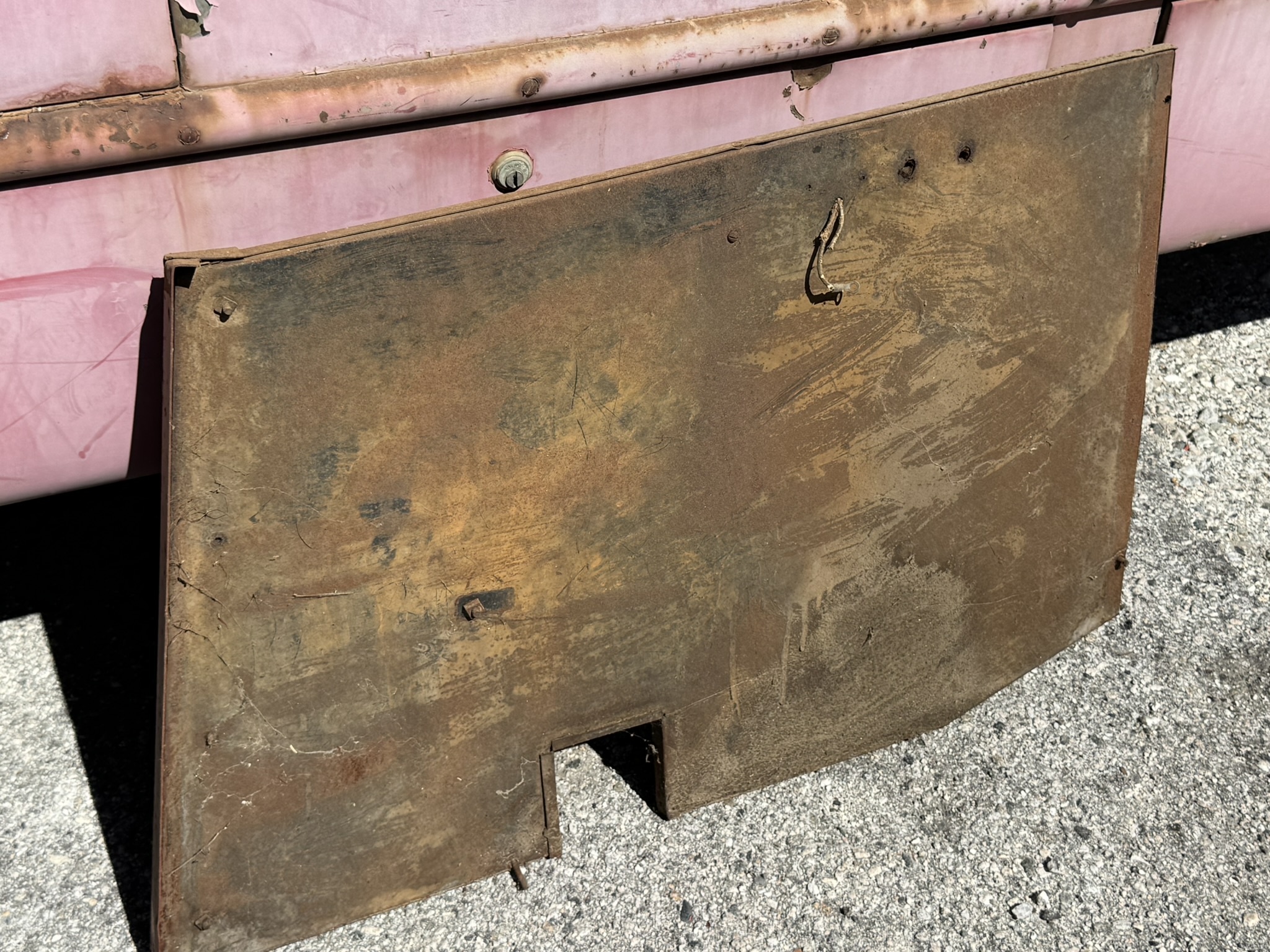
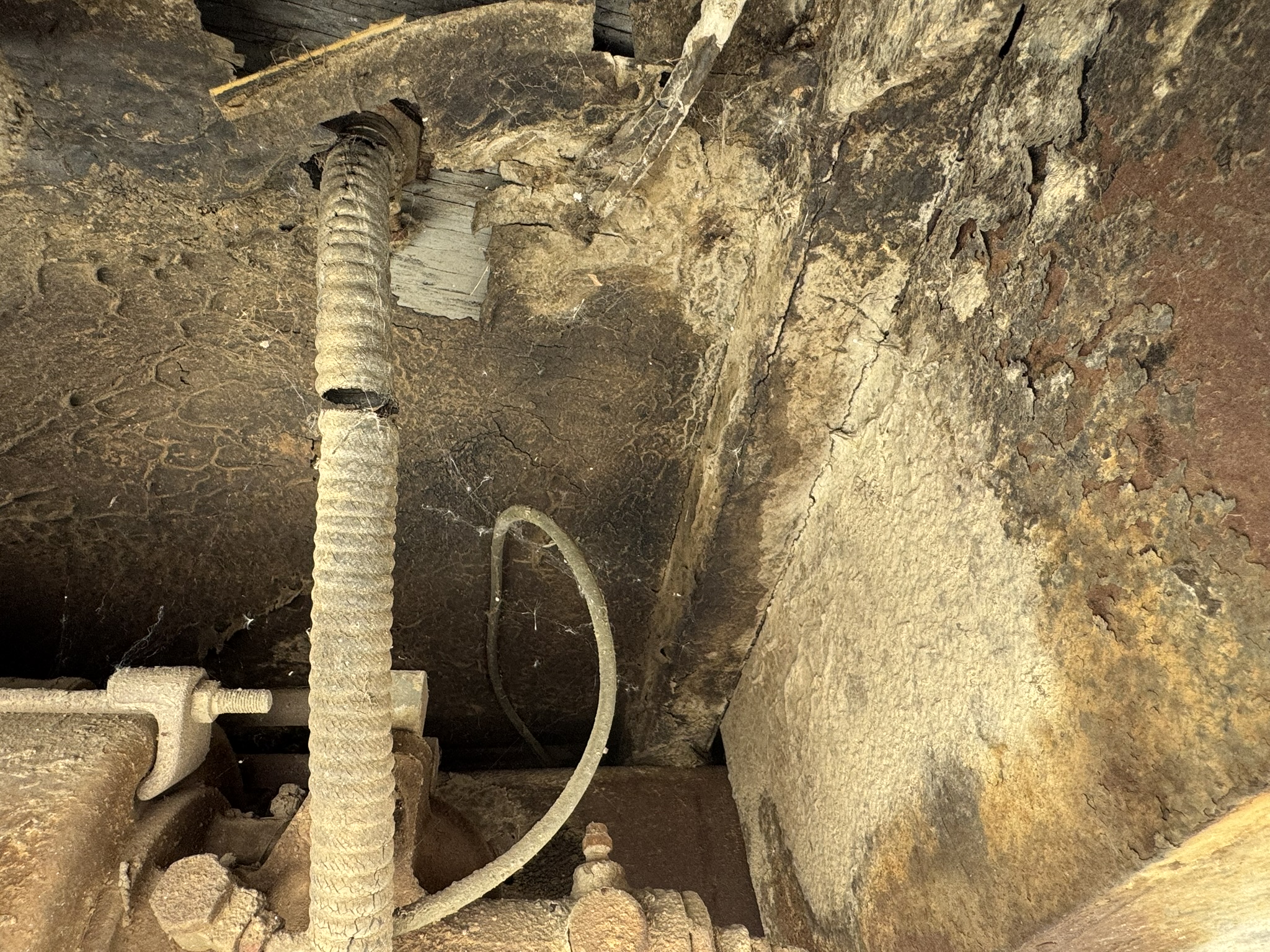
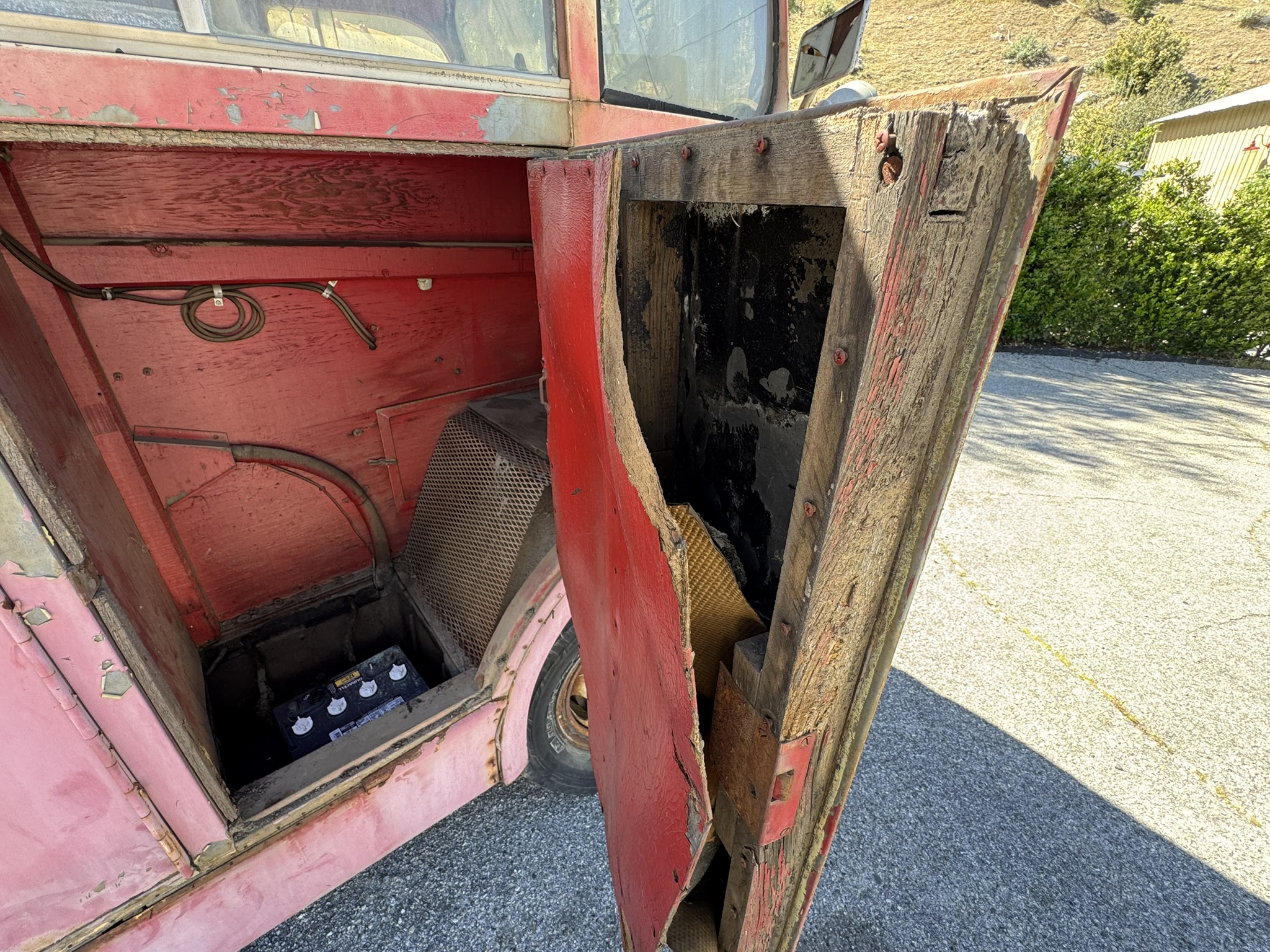
Body & Exterior: The most visible deterioration is concentrated at the rear doors, where water intrusion has caused rot in the wood framing. This is the priority structural repair. The exterior needs a full strip and repaint after correcting some spots of rust around the windshield and dents on the fenders and rear corners. A fabricator comfortable with either wood-frame restoration or a conversion to metal framing can address the rear door area effectively. Some light lenses are missing or should be replaced. The bumpers will need to be chromed. Some of the glass panels are cracked, but others can be used as a template. The keys are missing for the external storage compartments, so there may be some fun surprises in them for the buyer.
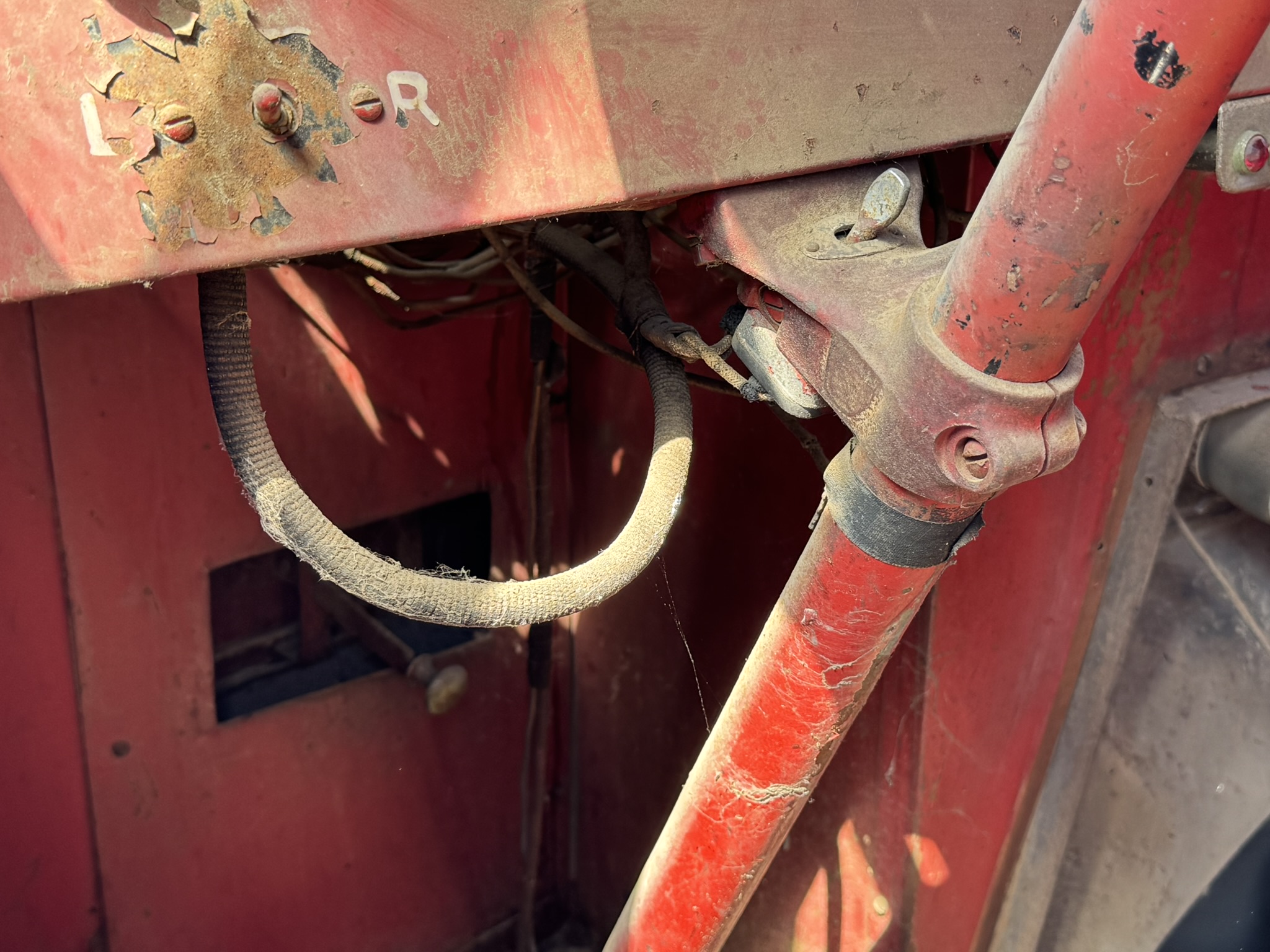
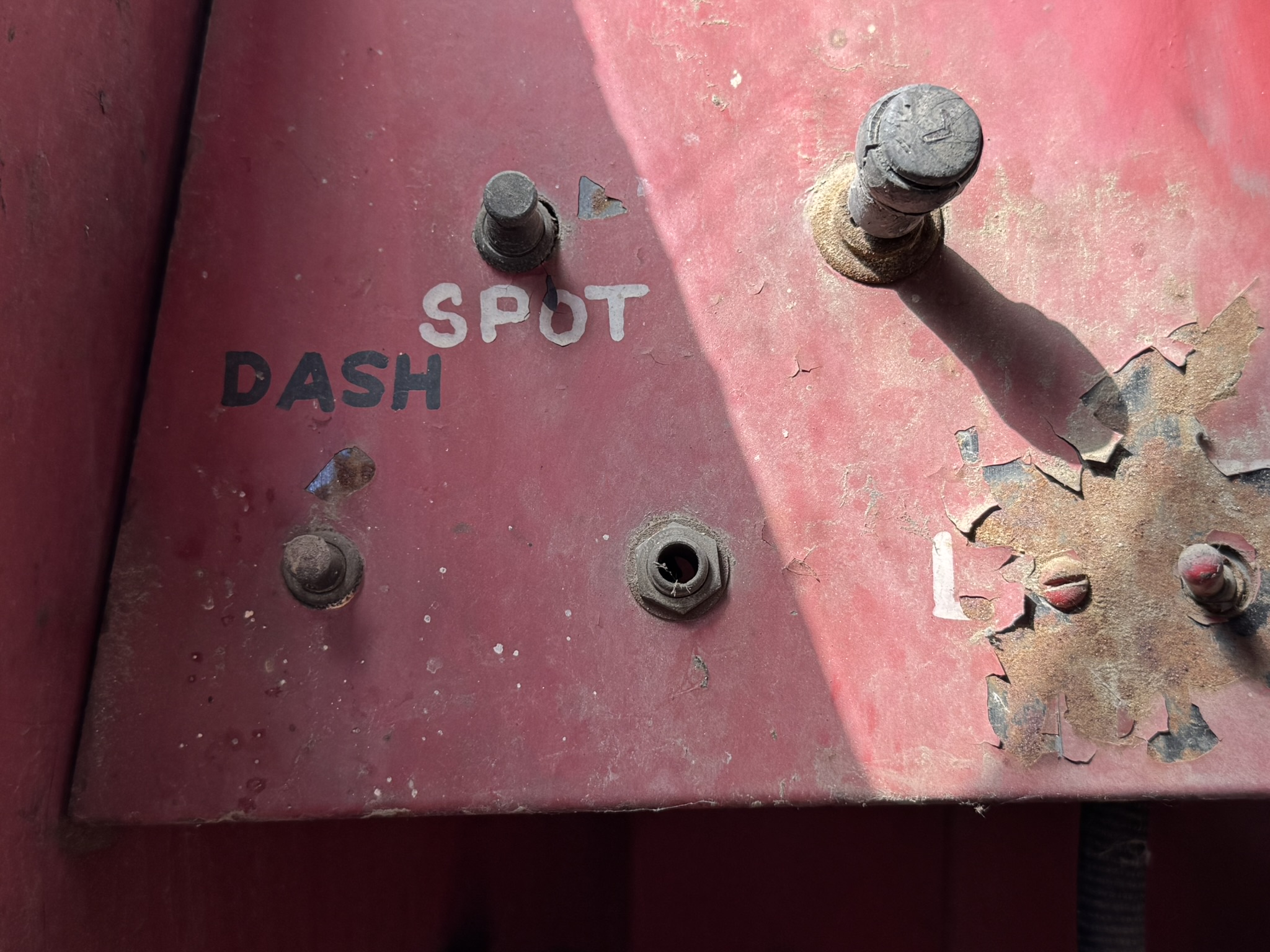
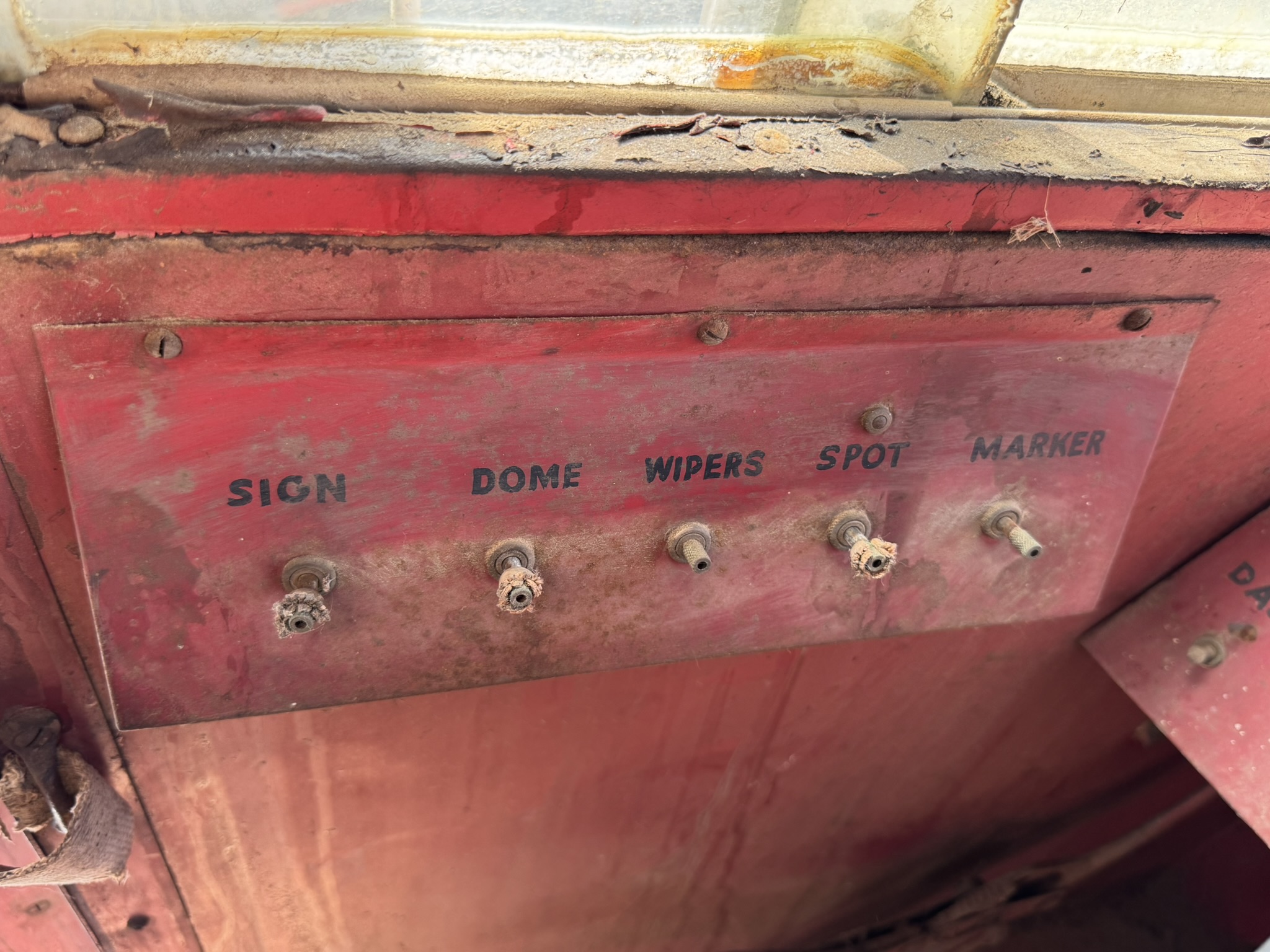
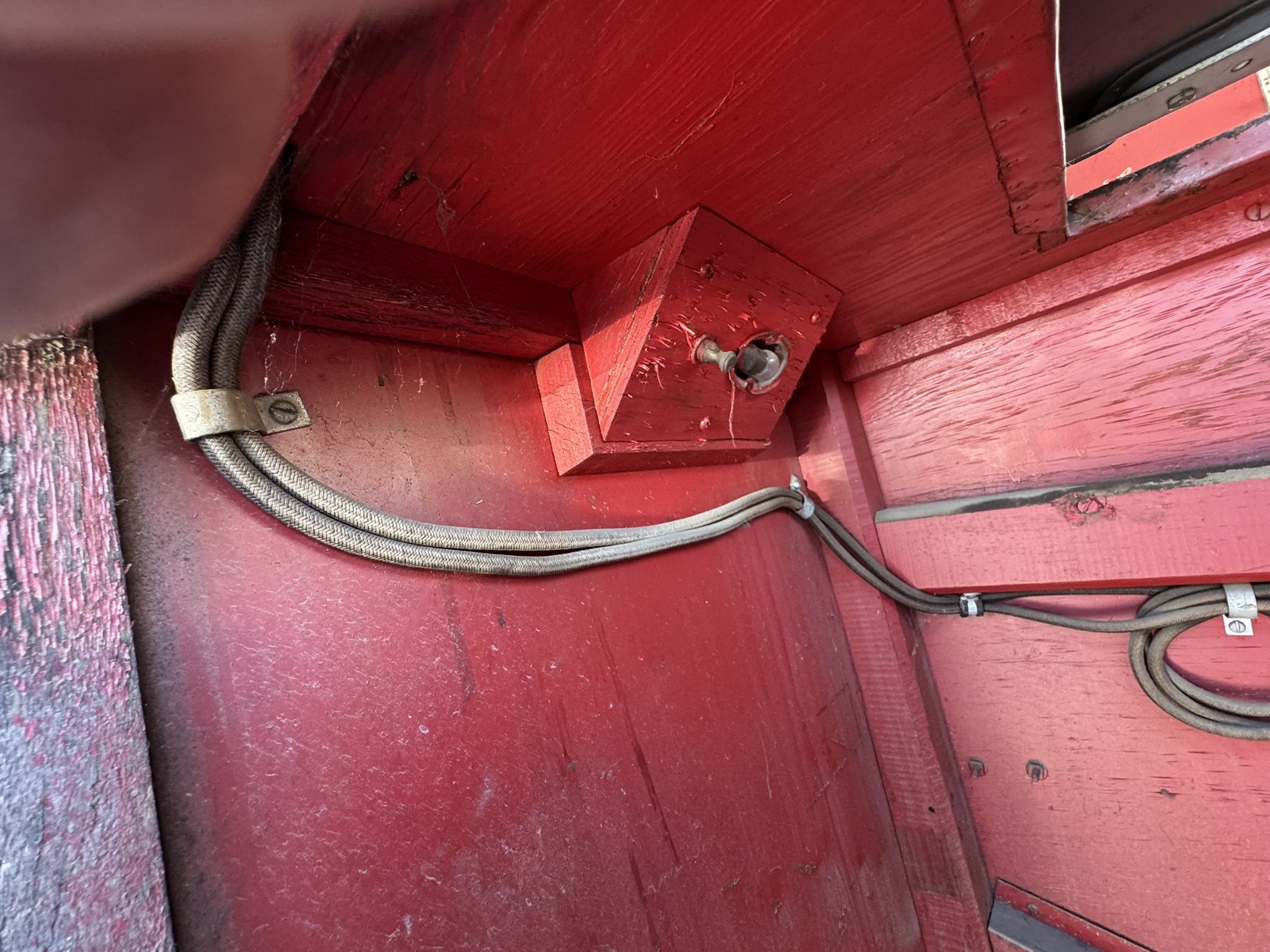
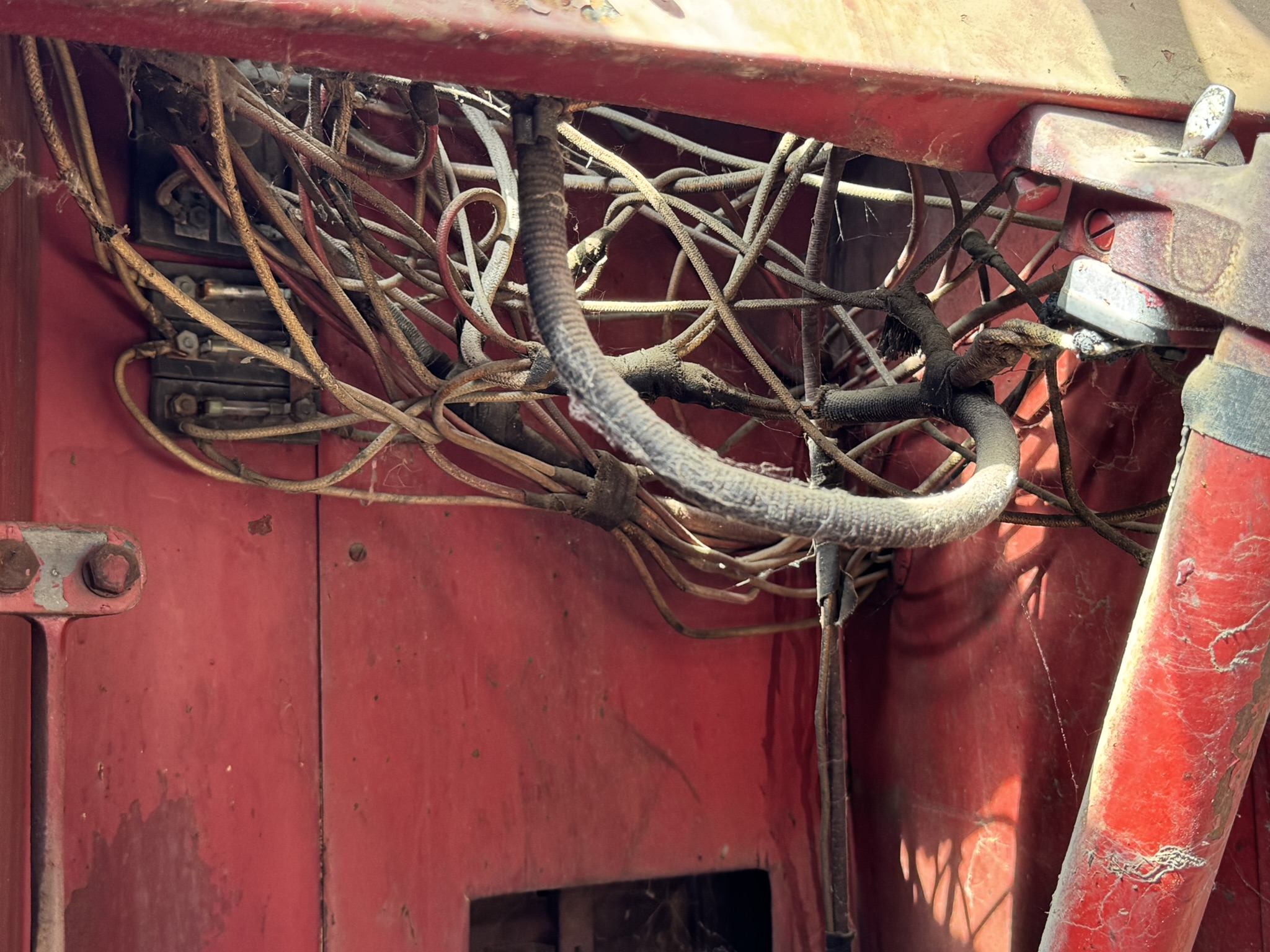
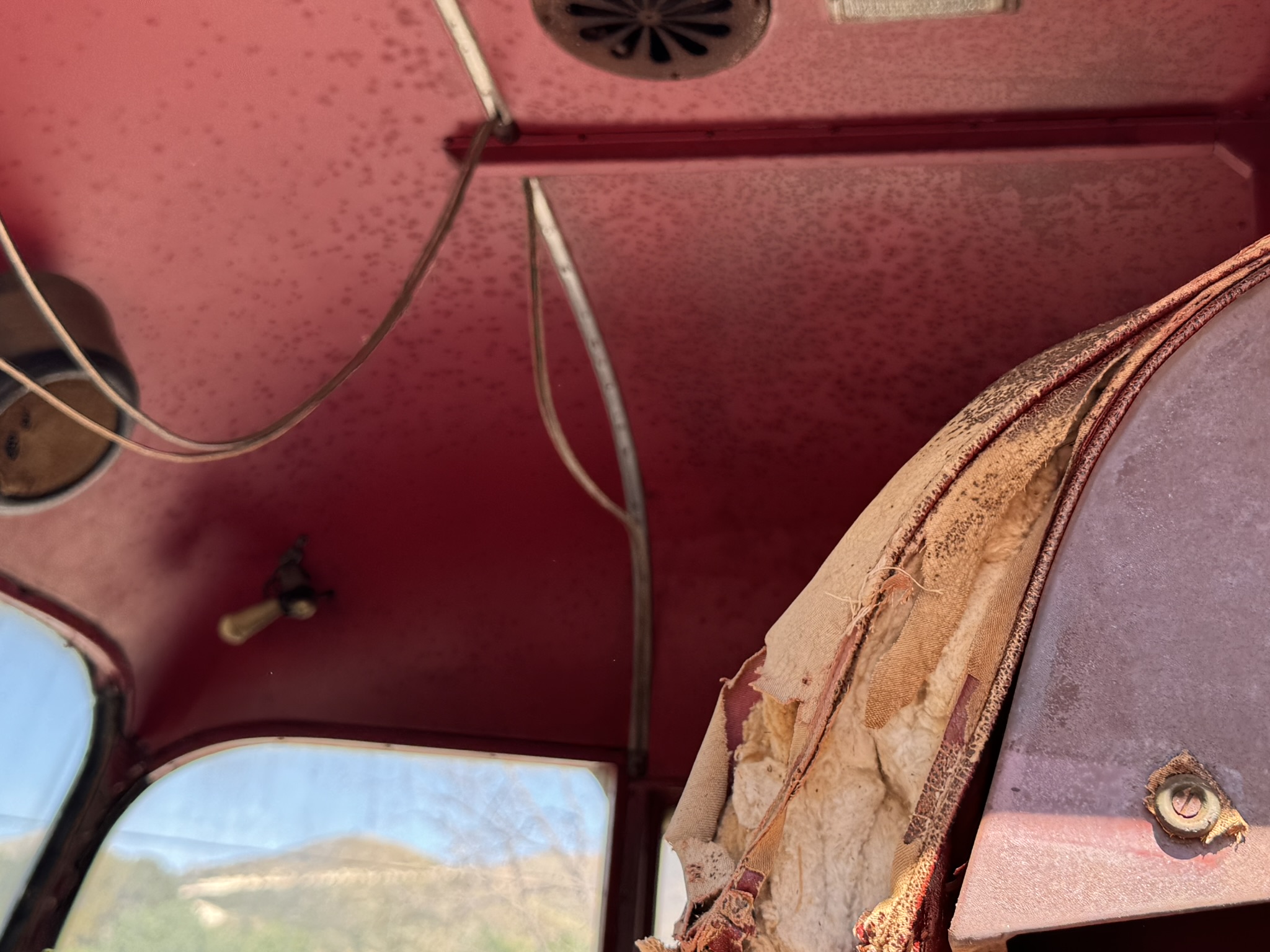
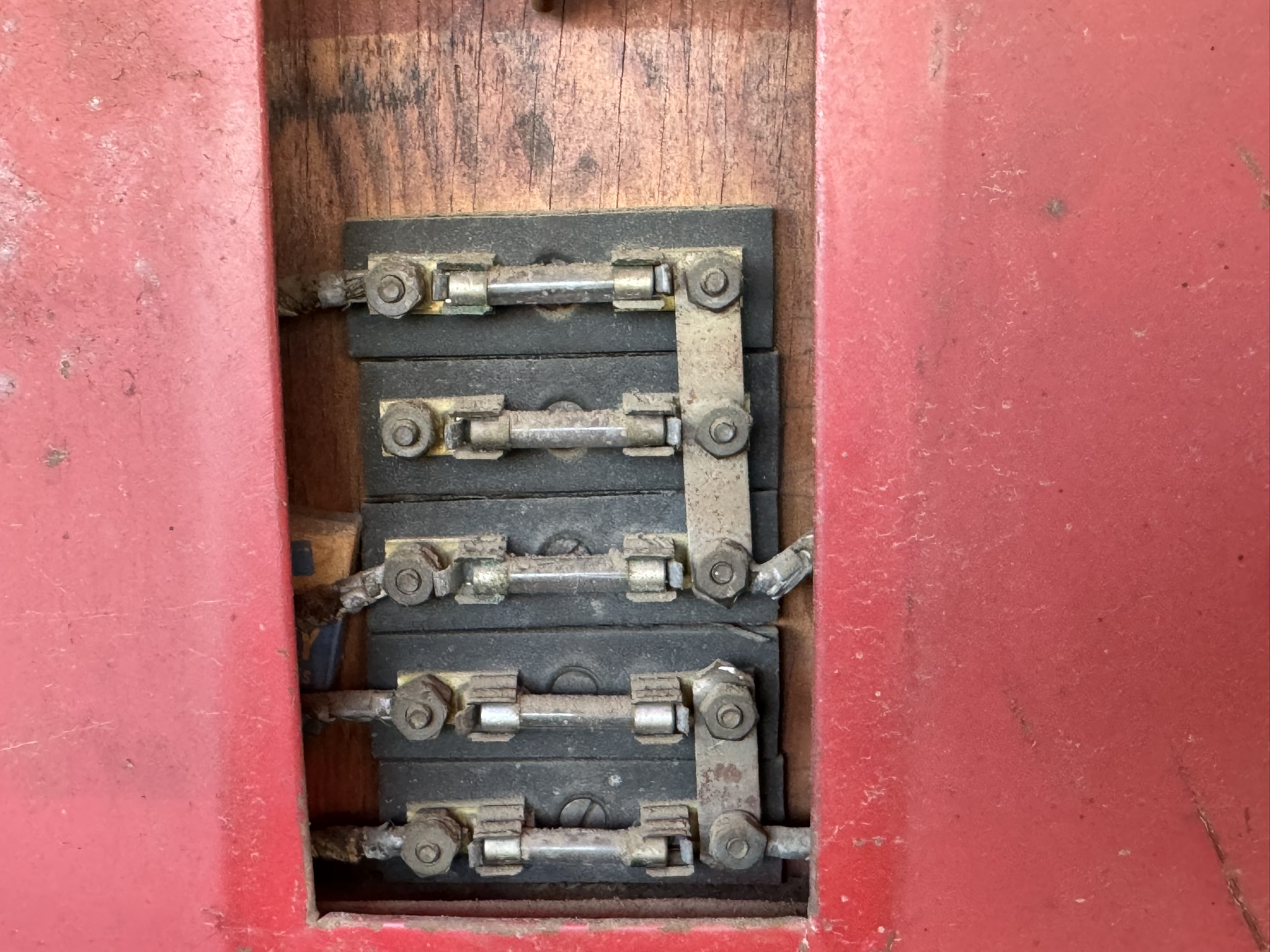
Interior: The cab is mostly complete with all wood trim, dash top, and panels needing replacement. Some of the switches on the dash are missing knobs. The seat needs full restoration along with the headrest. The roof trim has separated from its channel. The electrical system needs a full inspection but appears original and intact. Interior wall board panels throughout the bay will need replacement. The floor is in good condition other than the rear near the doors. The soft-side bolsters and seat cushions need reupholstering. The wood seat bases are in good condition and appear to be restorable with sanding and paint. The porthole latches need attention.
;)




Seller Q&A
Ask a questionAsk the Seller:
1942 Kalamazoo Coaches Catastrophe Unit
Ask the seller a question! Once they reply, you will receive an email notification.